
Poland Travel Essentials: Fast Facts and Everyday Preparation
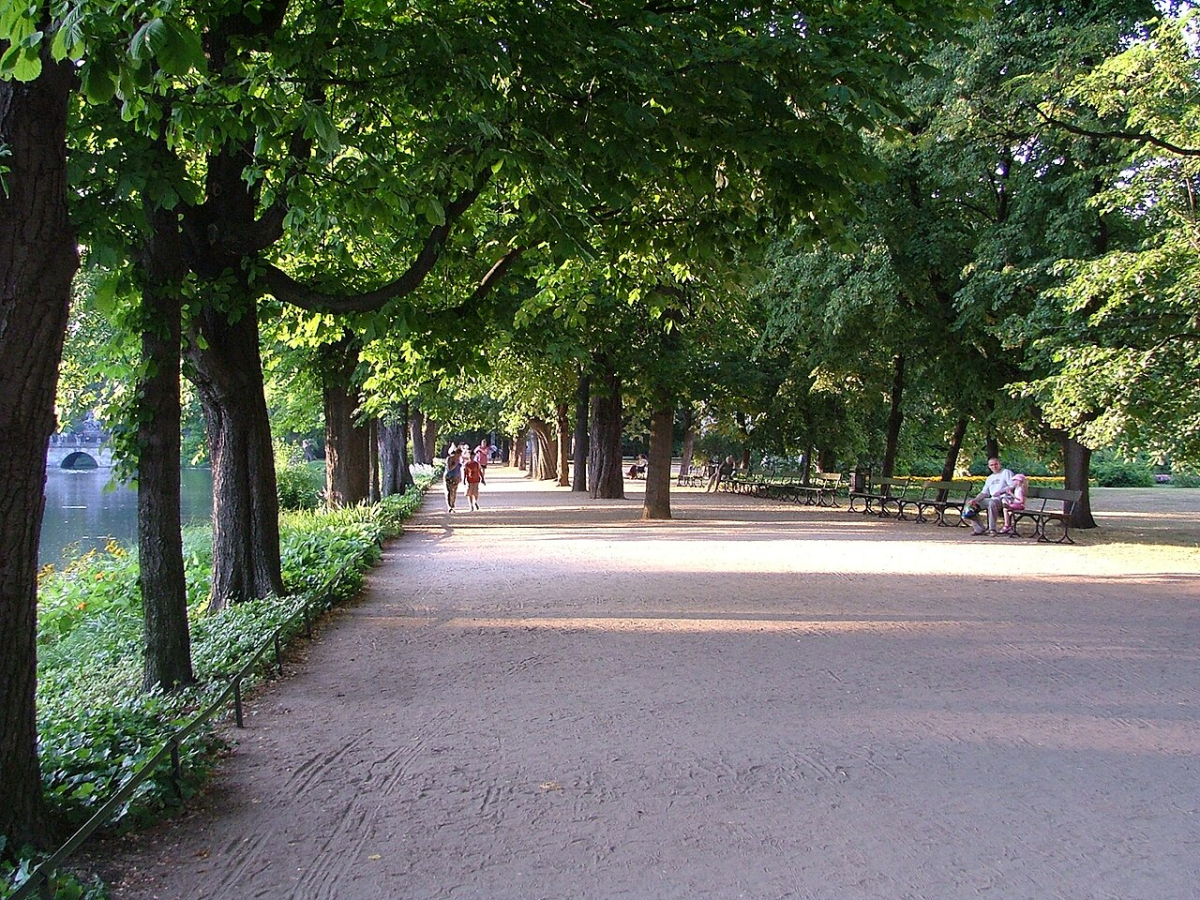

Poland’s everyday travel essentials are easier to manage when you prepare a few practical details before departure. The country’s capital is Warsaw, the main language is Polish and the currency is the Polish złoty, written PLN or zł. Travel uses Central European Time in winter and Central European Summer Time during the daylight-saving period. Check the actual local time attached to a train, flight or event rather than converting from home by habit, especially around a clock change.
This page brings fast facts into an everyday preparation guide. Visa & Entry deals with the legal permission and document rules; Travel Costs & Money covers budgeting and payments; Health & Safety addresses precautions; Useful Contacts helps identify assistance services. Keep those detailed decisions separate while assembling the items you will use repeatedly: the first address, correct tickets, a suitable phone and charging arrangement, comfortable clothing and a practical understanding of opening hours and local routines.
Language, place names and finding the entrance
Learn a few courteous Polish expressions and keep important place names in their local spelling. English information is available in many visitor settings, but do not assume every small venue, rural service or late-night interaction can be managed fluently in English. A clear written address and booking reference can be more useful than trying to describe a building from a photograph. Include the entrance and meeting instructions, not just a broad map pin for the area.
Stations and towns may appear with Polish names on tickets and signs. Check the exact departure and arrival station rather than relying on a familiar English city name. A city can have more than one useful station, while a tour pickup can be separate from both. Keep an offline map or saved route for the final approach. If you need to explain a dietary, accessibility or accommodation requirement, prepare a clear written version and confirm the answer rather than assuming a polite acknowledgement settles the practical detail.
Documents and secure offline information
Carry the travel documents required for your nationality and status and keep the names consistent with bookings. Save the first accommodation address, the arrival plan and essential tickets offline. A phone with no data connection or battery should not prevent you from finding the room or proving a reservation. Keep appropriate backup copies securely and separately from the original document where useful, without assuming that a copy replaces the original for border travel.
Visa & Entry explains the current official decision, including Schengen, EES and ETIAS distinctions. Check return and onward requirements as well as arrival into Poland. For a longer stay, confirm legal permission independently from the accommodation booking. If travelling with children or using more than one nationality, read the relevant official instructions for the party rather than adapting a generic adult example. Practical preparation should support the correct document decision, not conceal uncertainty about it behind a completed hotel or flight reservation.
Phones, mobile data and navigation
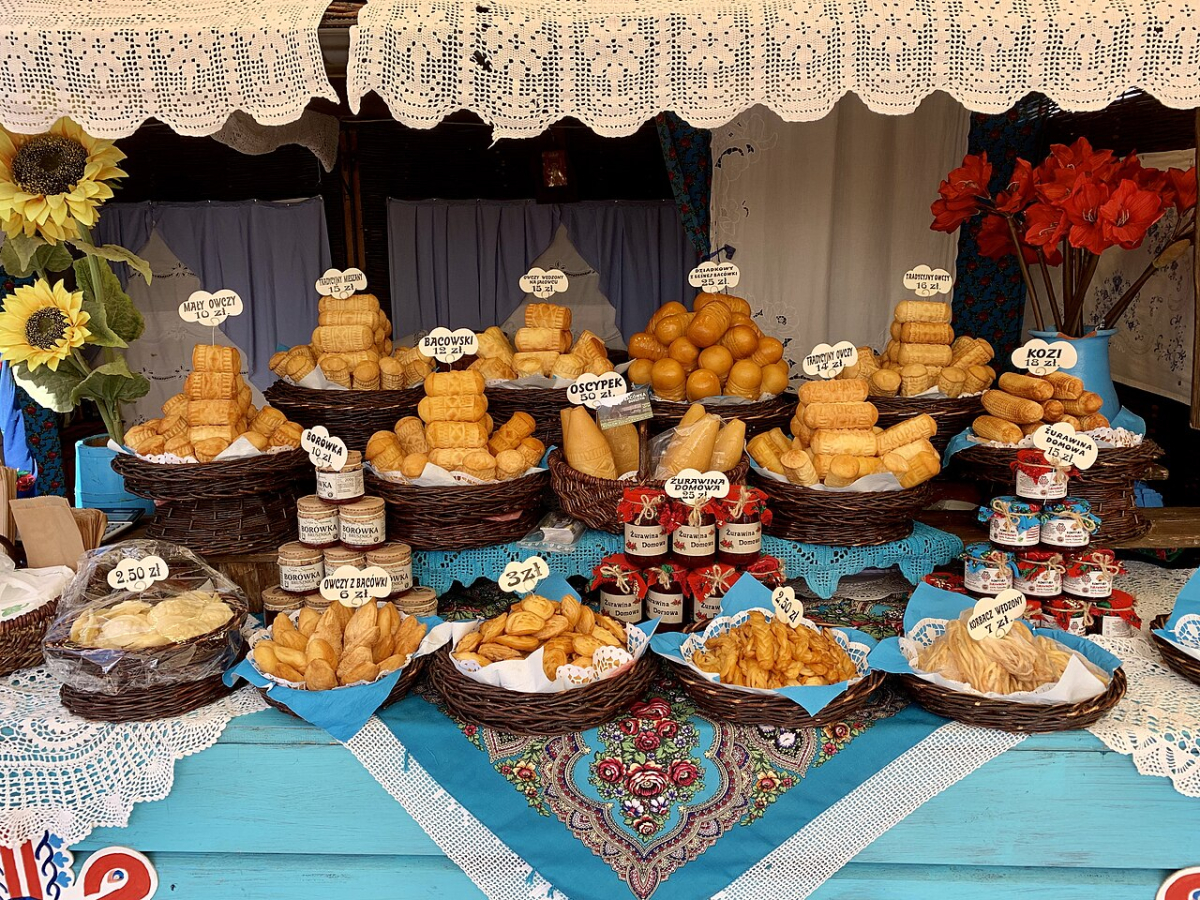

Check your own mobile provider’s roaming terms for Poland, including data, calls and any fair-use or plan limits. A European travel label does not guarantee that every subscriber or non-EU home plan has the same arrangement. Compare a suitable roaming option with another lawful local or travel-data product from its actual conditions, and ensure the phone supports the option you select. An eSIM product is useful only when the device and plan are compatible.
Save maps, tickets, booking instructions and contacts before leaving reliable internet. Translation and journey-planning tools can help, but they should not be the only place an essential address is stored. Public Wi-Fi can be convenient for ordinary browsing; use your normal secure practices for sensitive accounts and payments. Keep a charging option suited to long travel days, and protect the device from rain or cold where the activity requires it. A dependable phone arrangement supports a route but does not replace operator notices or the original ticket’s conditions.
Charging, adapters and room facilities
Check that your chargers and any electrical appliance are suitable for the local supply and socket arrangement, and bring the adapter required by the actual plug. An adapter changes the physical connection; it does not automatically convert voltage. Read the device label and manufacturer’s requirements, especially for appliances other than ordinary phone and laptop chargers. Do not assume that every item from home is compatible simply because another charger works with an adapter.
Ask about room sockets and a practical charging arrangement when several people share a room or equipment needs overnight power. Keep essential medical-device requirements separate and confirm them with the property where they affect the booking. A photograph of a desk does not establish suitable sockets, lighting or a reliable workspace. For a longer temporary stay, Longer Stays & Costs explains why the actual household facilities matter. Prepare the equipment for the route you have chosen rather than carrying many items whose compatibility or use has not been checked.
Money, payments and everyday purchases
Use PLN for the budget and check the amount and currency before authorising a payment. One złoty contains one hundred groszy. Carry more than one practical payment method and a suitable amount of local cash for situations where it is needed. Check your bank’s fees and the charges displayed by an ATM or currency-conversion offer before accepting them. A convenient machine or a familiar home-currency display does not establish that the terms are favourable.
Read the unit for food, tickets and services. A price per weight, per person, per group or per room can change the comparison. Keep receipts where an incorrect amount or refund may need evidence. Travel Costs & Money provides transparent short-trip budgeting examples; they are editorial calculations rather than market quotations. On an event or nature day, consider the payment arrangements at the actual venue or ticket point, and do not assume a city-card routine applies unchanged to every regional service or stall.
Opening hours, Sundays and holidays
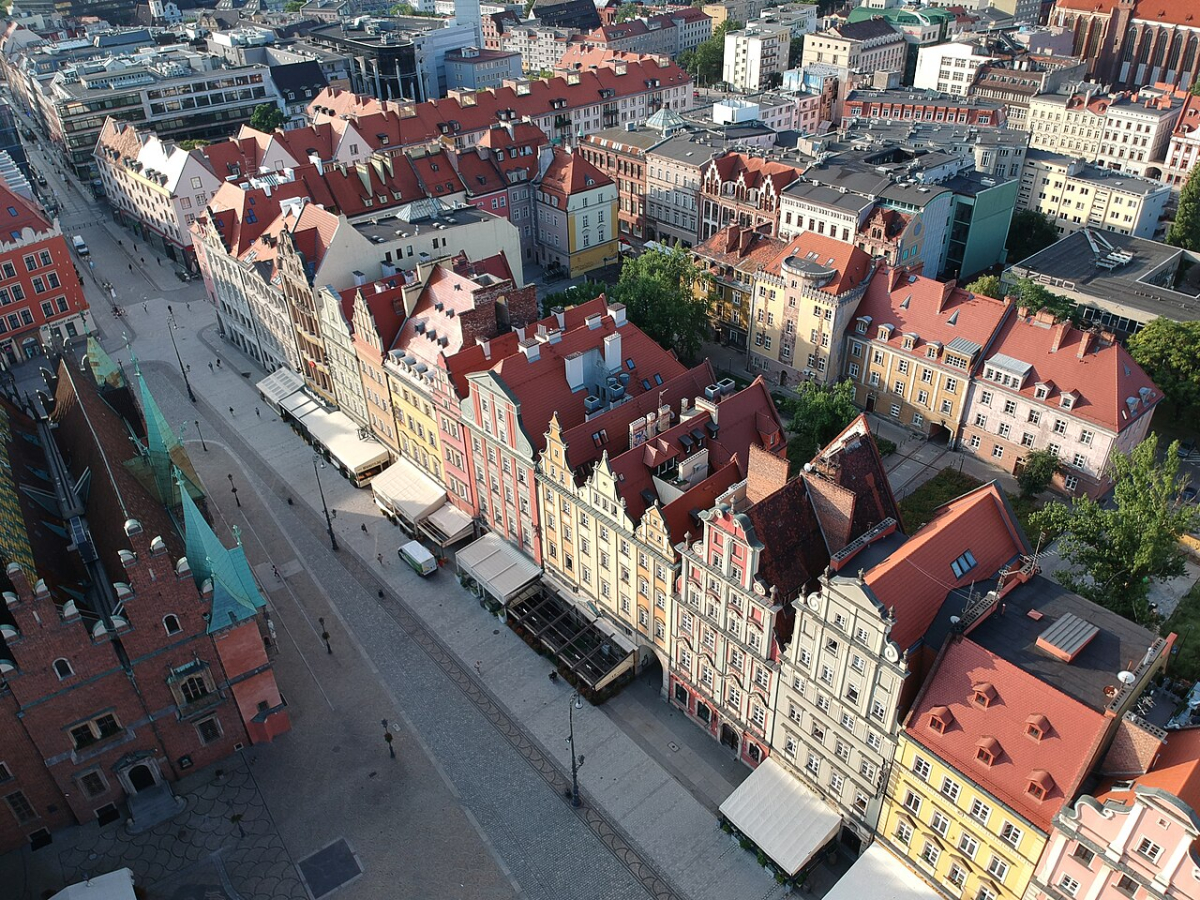

Check the actual opening day and time for a museum, restaurant, shop or service that controls the itinerary. A city being busy does not mean every venue operates daily, and a familiar weekday routine may change on Sundays or public holidays. Poland has particular Sunday trading arrangements and exceptions, so use the current store information for the date instead of assuming either universal opening or universal closure. Food shopping is especially relevant to an apartment or rural stay.
Reserve essential timed visits around their real calendars. A festival date range can contain closure days or changed hours, while a performance programme may use several venues. Festivals & Events separates confirmed dates from details that need another check. Keep a useful local alternative when a planned venue is unavailable. Avoid filling an unexpected closure with a distant excursion whose transport and access have not been tested; a practical nearby option can preserve the day more effectively than a rushed replacement checklist.
Tickets, street routines and getting around
Follow the activation or validation instructions for the specific transport ticket you buy. Municipal fares, regional trains and intercity products can have different rules, and a purchased ticket is not always the same as a correctly activated one. Check the operator, zones, duration and eligibility before relying on a pass. Getting Around explains the broader journey choices, while Airports & Transfers covers the first terminal connection.
Use marked crossings and obey traffic signals, and check current official advice for local rules that differ from your habits at home. Keep reflective clothing or other required preparation in mind for appropriate nighttime travel outside built-up areas. Plan the last useful return before an evening outing and save the accommodation address. A central tourist area can still contain working streets, private entrances and residents whose access should be respected. Ordinary courtesy and correct ticket use make the daily travel experience smoother than treating every public space as an attraction setting.
Clothing and the daily bag
Pack for the actual region and activity rather than for a single national seasonal image. City days can involve long walks and standing; the Baltic adds wind and water decisions; forests and mountains require route-specific preparation. Use Weather & Packing for forecasts, layers and daily alternatives. A warm city afternoon does not establish conditions on higher ground, and an archive snow photograph does not guarantee snow during your winter visit.
Keep the day’s essential items accessible: ticket, address, payment method, suitable clothing, water and any medication or equipment required by the activity. Manage luggage so transfers and accommodation entrances remain comfortable. Health & Safety covers individual preparation and emergency planning; Useful Contacts supplies verified assistance channels. Before leaving the room, check the opening, weather, route and return together. These everyday details turn a broad Poland itinerary into a trip that is easier to use, with fewer preventable mistakes and more time for the places you came to experience.
Compare the practical choices
| Choice | Useful focus | Check before committing |
|---|---|---|
| Documents | Originals and protected copies | Names, validity and first address |
| Money | Polish zloty and backup payment | Fees, units and booking inclusions |
| Phone and packing | Offline essentials and suitable layers | Current forecast, device and roaming terms |
Official information and sources
Checked for this guide on 12 October 2026. Recheck date-sensitive entry, access, transport and event information before booking or departure.