SPAIN · MADRID GUIDE
Best Time to Visit Madrid
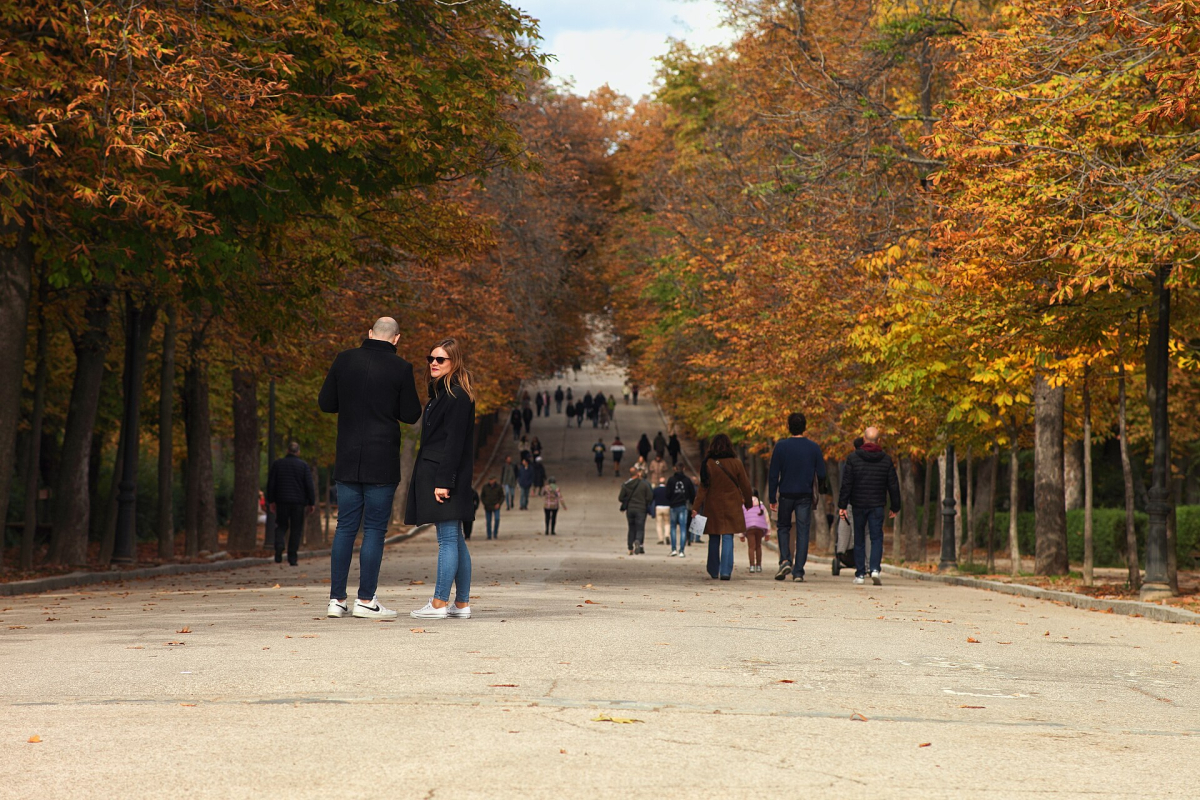
Madrid has a continental Mediterranean climate shaped by its inland location and relatively high elevation. Summers are hot and dry, winters are much colder than many visitors expect, and spring and autumn usually offer the most comfortable conditions for long sightseeing days.
Official long-term AEMET climate normals for Madrid-Retiro show average daytime highs of about 32°C in July and more than 31°C in August, while January average highs are around 10°C. Rainfall is relatively modest overall, with autumn and spring generally wetter than midsummer.
Best Time to Visit Madrid
For most travelers, April to June and September to October provide the best balance of temperature, daylight and outdoor comfort. Spring brings green parks and active cultural calendars, while early autumn combines warm days with more manageable heat.
Summer can still be enjoyable if you plan around the hottest hours. Winter is a strong option for museums, food and lower seasonal crowds, but pack properly for cold mornings and evenings.
Madrid in Spring
March
March can shift quickly between cool mornings and mild afternoons. Rain is possible, but longer daylight makes city walking increasingly comfortable.
April
April is one of the most attractive months for sightseeing, though showers can still occur. Retiro Park and other green areas are particularly appealing.
May
May often delivers warm days without the intensity of midsummer. It is one of Madrid’s strongest months for terraces, parks and day trips.
Madrid in Summer
June
June is generally hot but more manageable than July and August. Long daylight hours make it easy to shift sightseeing toward mornings and evenings.
July
July is typically very hot and dry. Mid-afternoon sightseeing can be exhausting, especially on exposed streets and plazas. Museums, long lunches and hotel breaks work well during the hottest period.
August
August remains hot, and some local businesses may reduce hours or close for holidays, though major tourist attractions remain active. The city can feel quieter in some residential areas.
Madrid in Autumn
September
September often begins with summer-like conditions but becomes more comfortable as the month progresses. It is excellent for combining indoor and outdoor sightseeing.
October
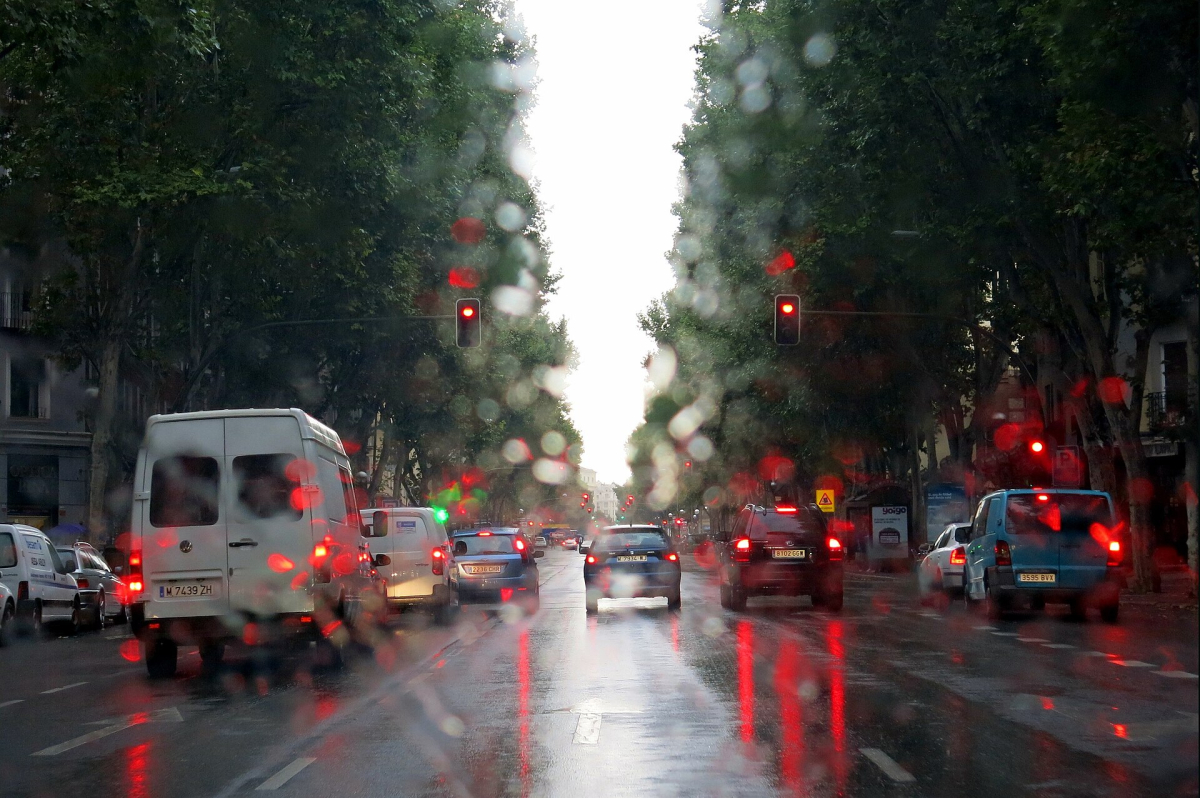
October is cooler and generally one of the best walking months. Rainfall increases compared with summer, so light rain protection is useful.
November
November is noticeably cooler, with shorter days and more variable weather. Museums, food and indoor attractions become more central to itineraries.
Madrid in Winter
December
December brings cold evenings, festive lights and busy shopping areas. Daytime conditions can be crisp and sunny, but warm layers are essential after dark.
January
January is one of the coldest months. Frost is possible, and morning temperatures can be near freezing even when the afternoon is sunny.
February
February remains cool but daylight slowly increases. It can be a good-value time for cultural trips if you are comfortable with winter conditions.
Rainfall
Madrid is much drier than many northern European capitals. AEMET’s Madrid Retiro 1981–2010 normal annual rainfall is 421 mm. October and November are among the wetter months, while July and August are very dry.
Snow
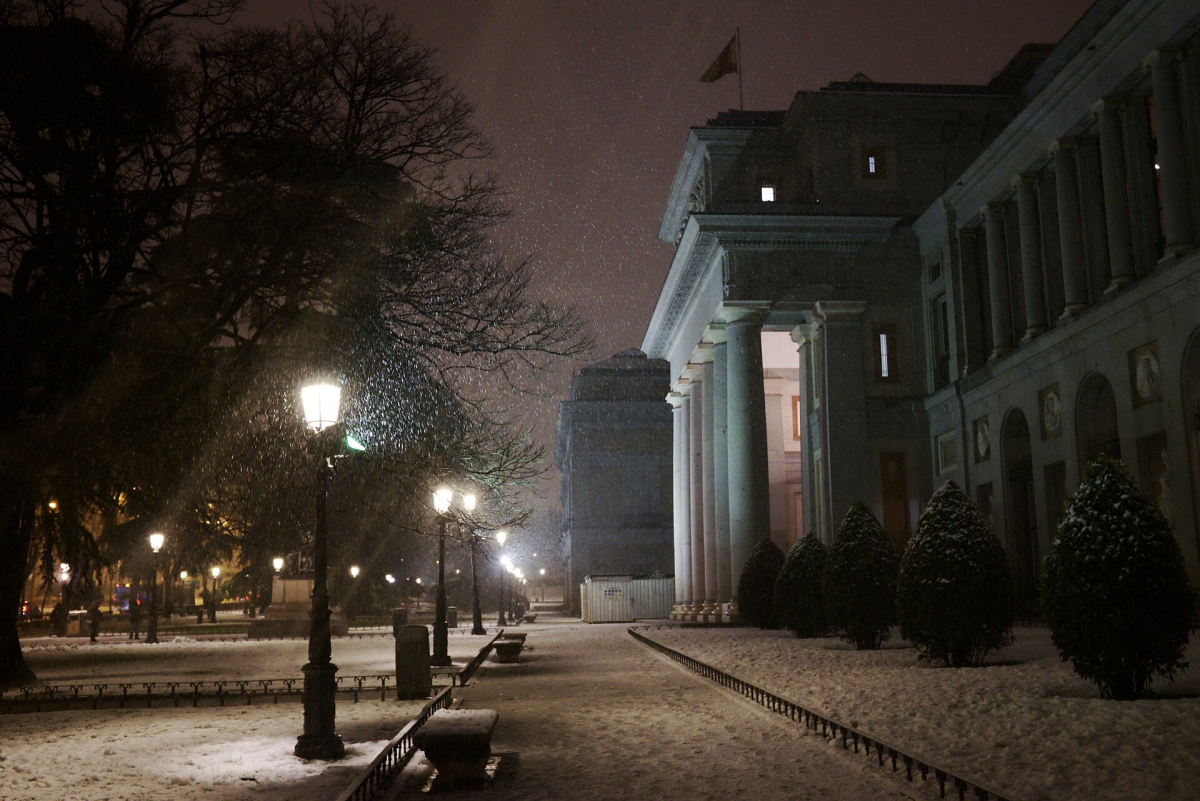
Snow in central Madrid is uncommon compared with inland mountain areas, but it does occur. Significant snowfall can disrupt roads and transport because the city is not accustomed to frequent heavy snow.
Heat
Summer heat is the most important weather consideration for many visitors. Plan outdoor attractions early, carry water and use museums or long lunches during peak afternoon heat. Madrid has many shaded streets and indoor cultural options, so a good itinerary can adapt.
What to Pack for Spring
Bring light layers, a compact rain jacket, comfortable walking shoes and sunglasses. Morning-to-afternoon temperature differences can be noticeable.
What to Pack for Summer
Light breathable clothing, sun protection, a hat and a refillable water bottle are useful. A light layer can still help in heavily air-conditioned interiors.
Climate Normals Are Not a Forecast
| Season example | Mean daily maximum / minimum | Planning implication |
|---|---|---|
| January | 9.8°C / 2.7°C | Carry warm layers for mornings and evenings. |
| April | 18.2°C / 7.7°C | Allow for changing temperatures and rain. |
| July | 32.1°C / 19.0°C | Shorten exposed walks and plan an indoor midday block. |
| October | 19.4°C / 10.7°C | Keep a rain layer and a flexible outdoor plan. |
Source: AEMET, Madrid Retiro station, 1981–2010 normals. These are historical monthly averages, not present-day extremes or a forecast. The station’s annual normal rainfall is 421 mm. Check AEMET’s current forecasts and warnings near departure and again before a longer outdoor outing.
Travel Tip:
In summer, protect your energy as well as your skin: take the exposed walk early, then use a museum, long meal or hotel break for the hottest part of the day.