SPAIN · MADRID GUIDE
Madrid Airport & Transfers
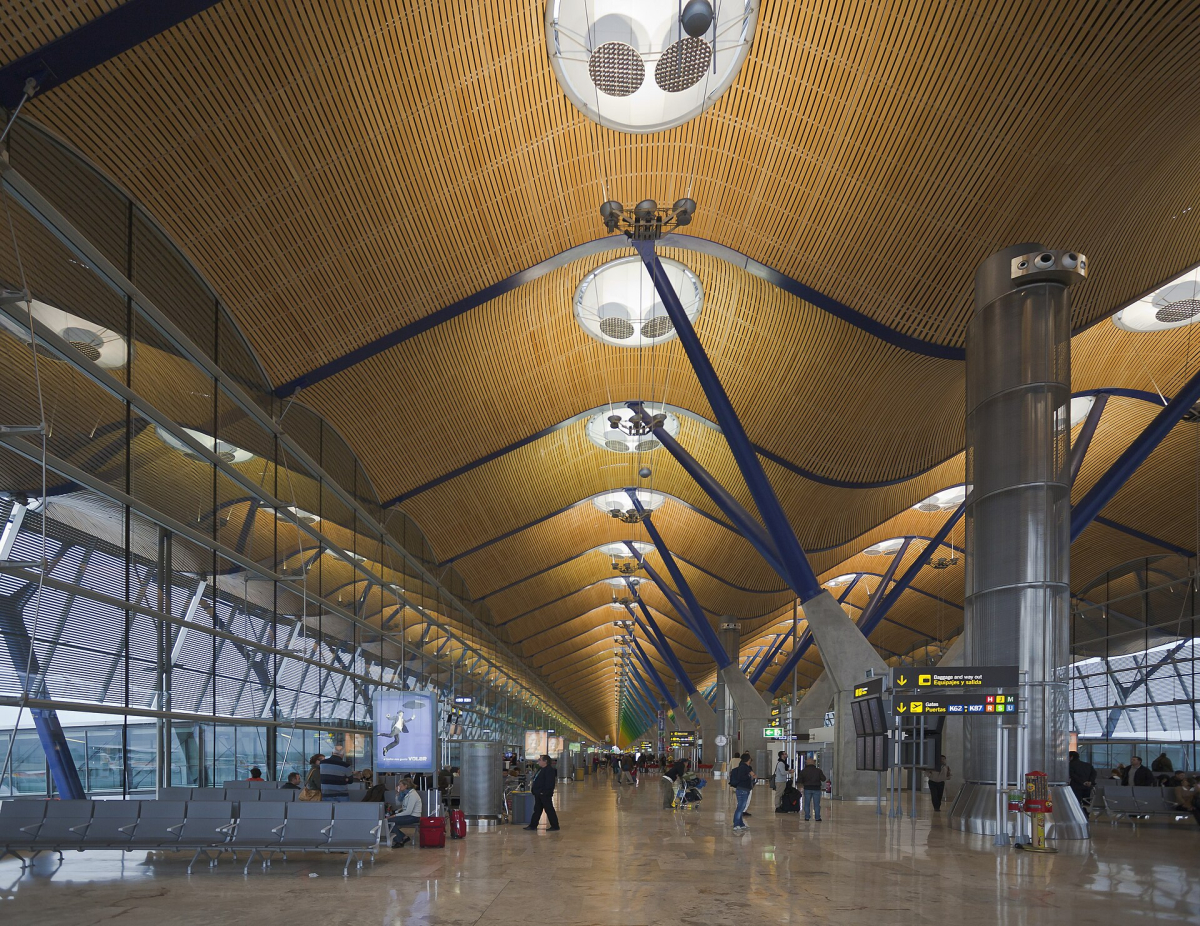
Adolfo Suárez Madrid-Barajas Airport (MAD) is Madrid’s main international airport and one of Europe’s largest aviation hubs. It lies northeast of the city center and has four principal terminal areas: T1, T2, T3 and T4, with T4S operating as a satellite terminal connected to T4.
Madrid Airport is well connected to the city, but the best transfer depends on your terminal, hotel location, arrival time and luggage. Metro, commuter rail, airport buses, official taxis and private transfers are all possible.
Madrid Airport Code
The airport code is MAD. When booking connecting flights, verify the terminal and minimum connection time, especially if your itinerary involves T4S.
Terminal 1
T1 handles a mix of international traffic. Ground-transport options include Metro, buses, taxis and private transfers. Passengers should check the airline’s terminal information shortly before departure because assignments can change.
Terminal 2
T2 is connected operationally with the T1/T3 side of the airport and is served by Metro, buses and taxis. Walking distances within the terminal complex can be substantial.
Terminal 3
T3 is smaller and closely integrated with T2. Not every transport mode serves every terminal in exactly the same way, so check signage and official airport information.
Terminal 4 and T4S
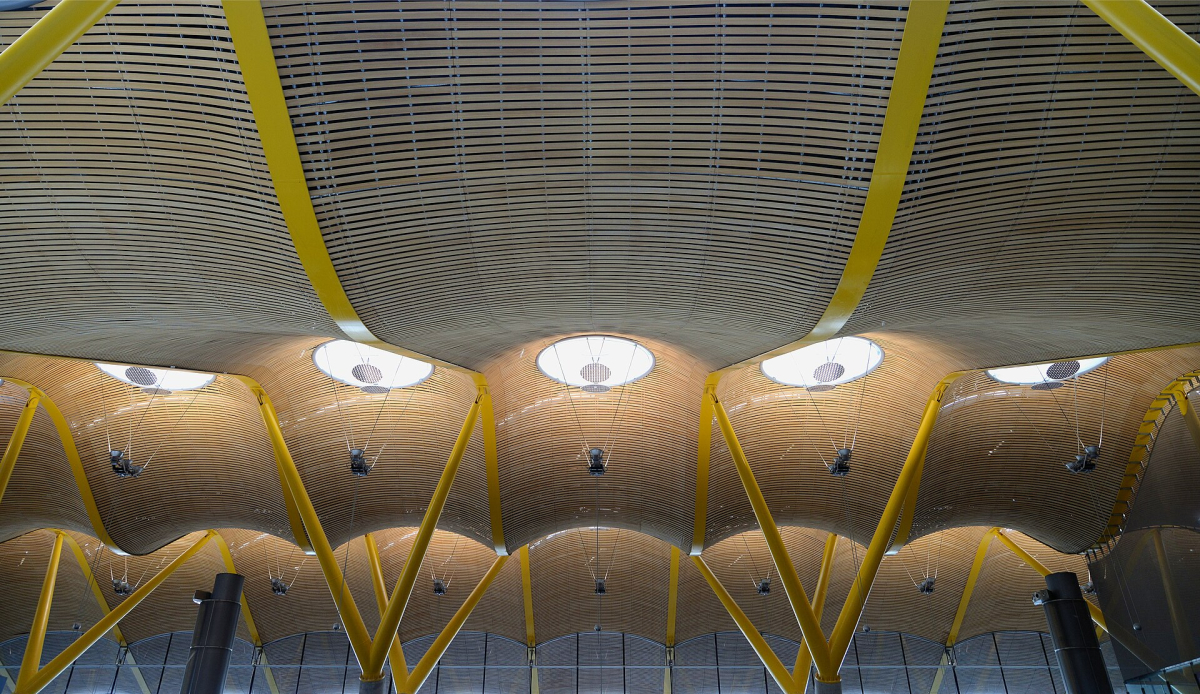
T4 is a large modern terminal used by Iberia and other airlines. T4S is a satellite building reached through an internal airport connection. Travelers departing from T4S should allow additional time after security and passport control.
Metro From Madrid Airport
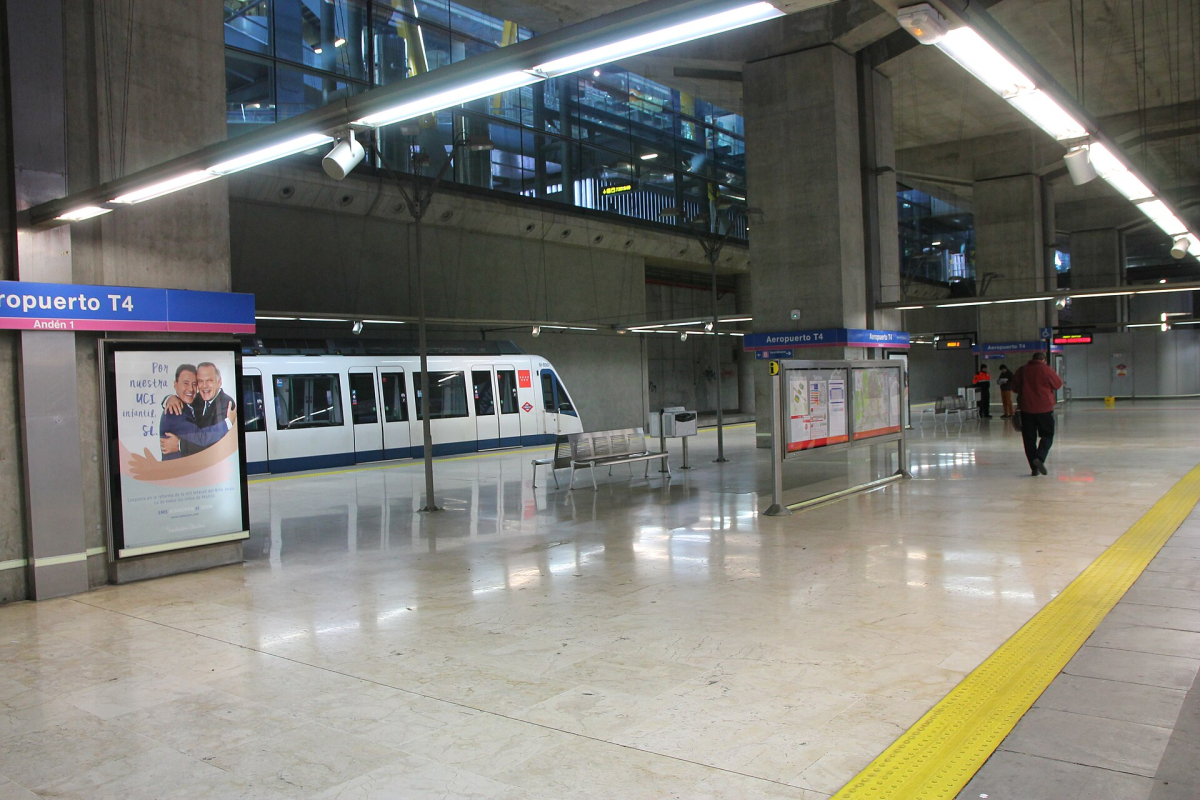
Metro Line 8 connects the airport area with Nuevos Ministerios, where passengers can change to other Metro lines and transport services. Metro is useful for travelers with manageable luggage and accommodation near a convenient connection.
Aena lists a Zone A single fare of €1.50–€2 plus the €3 airport supplement, making €4.50–€5 for that ticket before any reusable-card purchase. Pass holders should check whether their pass already covers the supplement. See Aena’s Metro fares and operating hours (checked 18 October 2026).
Cercanías Commuter Rail
Cercanías trains serve Terminal 4 and connect with important city stations. This can be especially convenient if your hotel or onward train is near Atocha, Chamartín or another station on the relevant line. Travelers arriving at T1, T2 or T3 need to reach T4 if they specifically want the airport rail station.
Airport Express Bus
EMT’s Airport Express runs 24 hours and serves T1, T2 and T4. The fare is €5. EMT estimates about 30–40 minutes between Atocha and the airport terminals in normal traffic; waiting and the final hotel journey are extra. At night the city terminus is Cibeles rather than Atocha. Check the official EMT fare, stops and timetable before travel (checked 18 October 2026).
Taxis
Official Madrid taxis are white with a red diagonal stripe. Aena states that journeys between the airport and destinations inside the M-30 ring road use a fixed airport fare, currently listed as €33. Use the official taxi ranks outside arrivals and avoid unsolicited taxi offers inside the terminal.
Private Transfers
A pre-booked transfer may be worth the extra cost for families, groups, travelers with large luggage or late arrivals. Confirm the meeting point and what happens if your flight is delayed.
Ride-Hailing
App-based ride services operate in Madrid, but pickup zones can differ from taxi ranks. Follow the app’s terminal-specific instructions.
How Long Does It Take to Reach Central Madrid?
Transfer time varies by traffic, terminal and destination. Madrid Airport is not in the city center, so do not schedule a timed attraction immediately after landing. Immigration and baggage collection can add significant time for non-Schengen arrivals.
Airport to Sol and Gran Vía
Travelers staying around Sol or Gran Vía can use Metro with a change, airport bus plus walking or Metro, taxi or private transfer. With luggage, a taxi may be the simplest door-to-door option.
Airport to Atocha
Depending on current services, Terminal 4 rail connections and airport buses can be useful for Atocha. If you have a separate high-speed train ticket, leave a generous connection buffer rather than relying on the minimum theoretical journey time.
Airport to Chamartín
Chamartín can be convenient from T4 by commuter rail. This matters for travelers continuing north or using long-distance rail services from Chamartín-Clara Campoamor.
Late-Night Arrivals
Check the operating hours of your chosen public transport before landing. If you arrive after regular services, the airport bus, taxi or pre-booked transfer may be more practical.
Early-Morning Flights
For very early departures, calculate backwards from the airline’s recommended airport arrival time, not from takeoff. A hotel near the airport can make sense if public transport has not started.
Airport Hotels
Airport-area hotels vary in distance and shuttle arrangements. Some properties that describe themselves as “airport hotels” still require a taxi or scheduled transfer.
For a central-city stay after the transfer, compare the four downtown properties in the Madrid Hotels guide. They are not airport hotels. For a property near your terminal, verify its actual address, shuttle hours and transfer charge before booking.
Connecting Flights
Madrid is a major transfer hub between Europe and the Americas. If your connection requires passport control, a terminal change or travel between T4 and T4S, allow more time than for a simple same-terminal Schengen connection.
Food, Shopping and Services
All major terminal areas offer food and retail options, but opening hours vary. Travelers with dietary restrictions or late flights should not assume every outlet remains open.
Accessibility
Aena provides assistance services for passengers with reduced mobility. Request assistance according to the airline or airport procedure in advance when needed.
Airport Security and Timing
Security queues vary by time of day and season. Long-haul flights, holiday peaks and early-morning departure banks can be busy. Follow your airline’s recommended arrival time and add extra margin if you need check-in, VAT procedures or special assistance.
Separate Tickets and Self-Transfers
If you hold separate tickets, you may need to collect luggage and check in again. Protection after a delay can differ from a single through-ticket, so allow a substantially larger buffer.
Continue Your Madrid Journey
For city transport after arrival, use the Getting Around Madrid. For neighborhood selection, read Where to Stay in Madrid and the Map of Madrid.
Choose by Terminal and Final Address
| Option | Useful situation | Check before choosing |
|---|---|---|
| Metro | Manageable luggage and a convenient interchange | Airport station, supplement/ticket and the final lift route |
| Cercanías | T4 arrival and an appropriate city station | Current service, destination station and onward walk |
| Airport Express | A useful Cibeles/Atocha connection | Actual terminal stop, time-dependent city terminus and separate fare |
| Taxi / booked transfer | Luggage, group or late arrival | Official rank or booking, destination, fare conditions and pickup |
Aena distinguishes the airport’s Metro, T4 rail and terminal connections. Consult EMT for the express bus. Avoid assuming that every terminal has a mainline train or that an overnight bus terminates at Atocha.
Travel Tip:
Read the terminal and hotel address together before buying a transfer. A direct service to the wrong side of the centre can create a harder final journey.