Top Destinations in Madrid
Madrid is a city where royal grandeur, world-class art, elegant boulevards, leafy parks and vibrant neighborhoods meet in a seamless blend. From the majestic Royal Palace to the masterpieces of the Prado Museum, and from the calm waters of Retiro Park to the lively streets of Gran Vía, every corner of the Spanish capital reveals a new facet of its character. This V5-optimized guide brings together Madrid’s most essential attractions, offering a balanced, editorial and practical overview for travelers who want to explore the city with depth and confidence.
For practical planning, itinerary ideas and local insights, you may also find Madrid Travel Tips helpful during your visit.
Royal Palace of Madrid (Palacio Real)
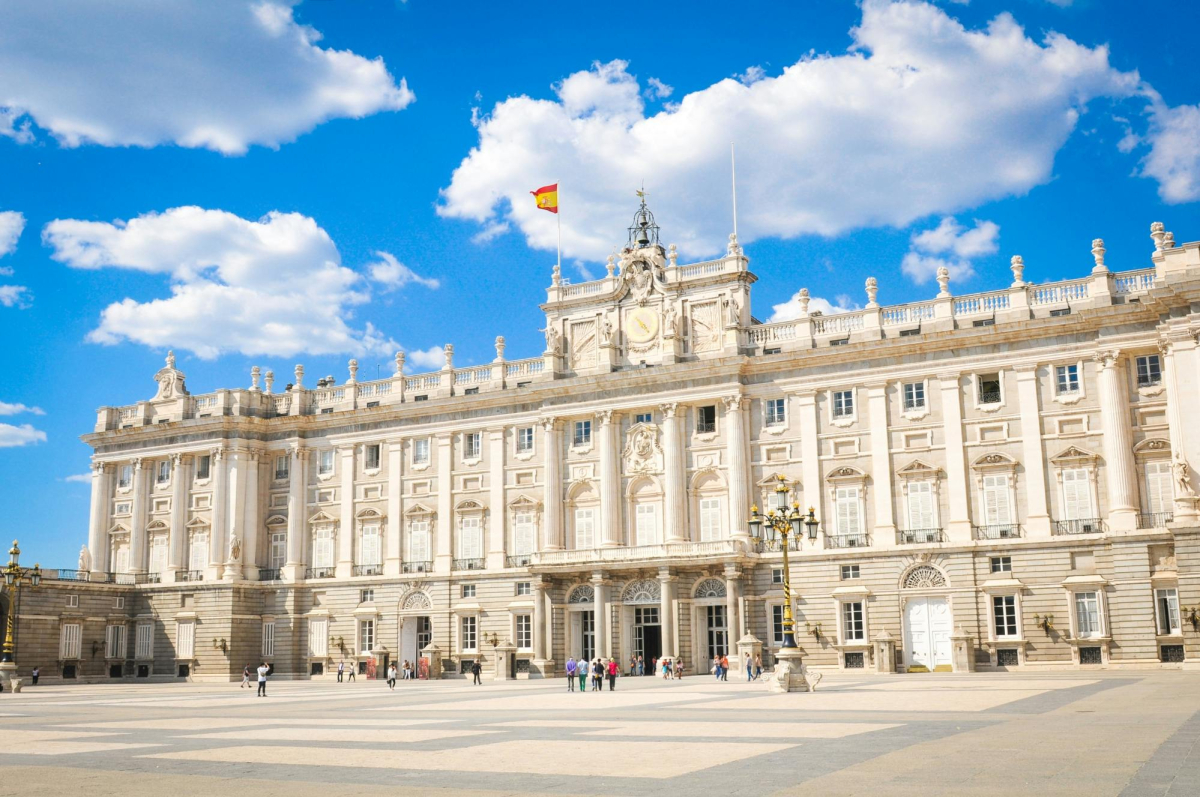
The Royal Palace of Madrid stands as one of Europe’s most impressive royal residences, built on the site of the former Alcázar fortress. Although Spain’s monarchs no longer live here, the palace remains the official royal residence and continues to host state ceremonies. Visitors can explore the Throne Room, Hall of Mirrors, Royal Armoury and elegant courtyard areas.
The nearby Sabatini Gardens offer a quiet place to unwind after your visit, and Plaza de Oriente provides some of Madrid’s most picturesque evening views.
Prado Museum (Museo del Prado)
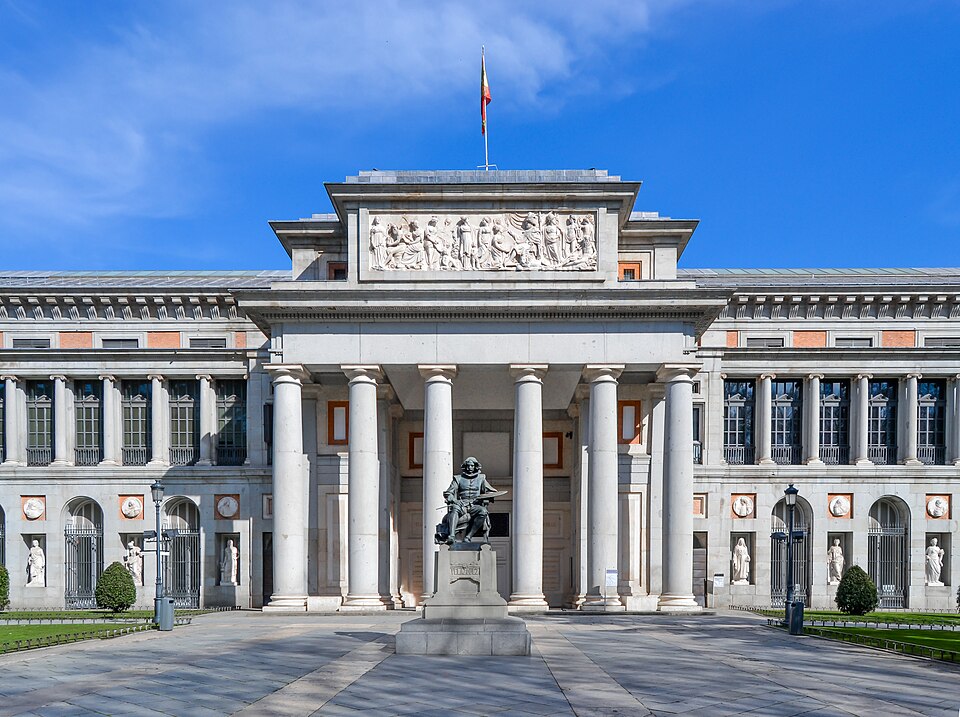
Among the greatest art museums in the world, the Prado Museum is home to a spectacular collection of European masterpieces. Highlights include Velázquez’s Las Meninas, Goya’s Black Paintings, Rubens, Titian and El Greco. The Prado is best visited early in the morning for a calmer experience.
Located along the Paseo del Arte, it forms part of the city’s renowned “Golden Triangle of Art,” together with the Thyssen-Bornemisza and Reina Sofía museums. Art lovers can easily spend half a day exploring this cultural corridor.
Retiro Park (Parque del Buen Retiro)
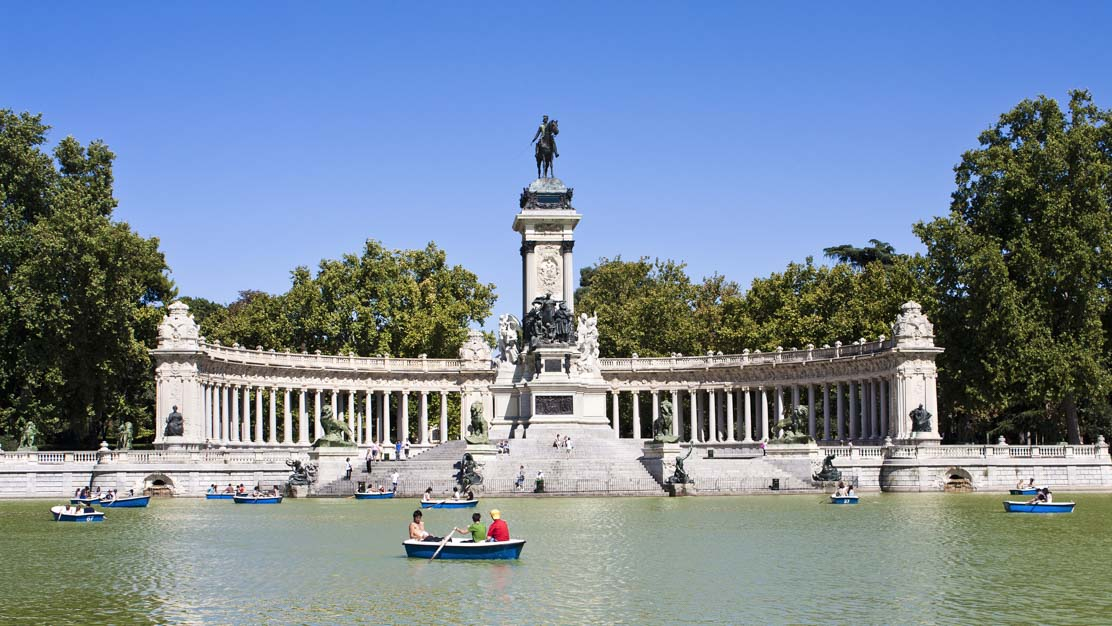
Once a royal retreat, Retiro Park is now the city’s most iconic green space. Visitors enjoy walking shaded paths, rowing boats on the lake, relaxing on grassy lawns and exploring the elegant Crystal Palace, a glass pavilion that hosts contemporary art exhibitions.
Retiro is a natural extension of the city’s cultural heart, located just steps from the Prado, making it the perfect place to balance sightseeing with calm moments in nature.
Puerta del Sol & Plaza Mayor
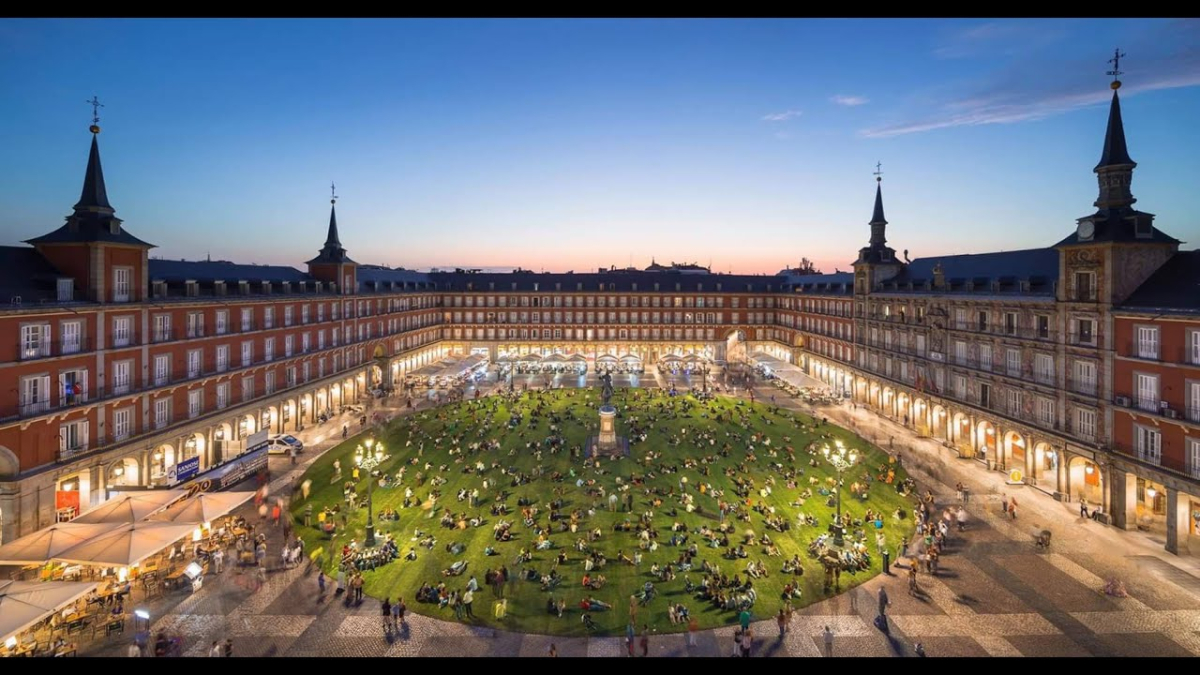
Puerta del Sol marks the symbolic center of Spain and is known for its famous clock tower and the tradition of eating 12 grapes on New Year’s Eve. Just a short walk away sits Plaza Mayor, one of Madrid’s most atmospheric squares, recognized by its terracotta façades and arched walkways.
Enjoy a morning coffee, explore the surrounding streets or try a classic bocadillo de calamares — a beloved local snack found in traditional taverns tucked beneath the arcades.
Gran Vía – Madrid’s Grand Boulevard
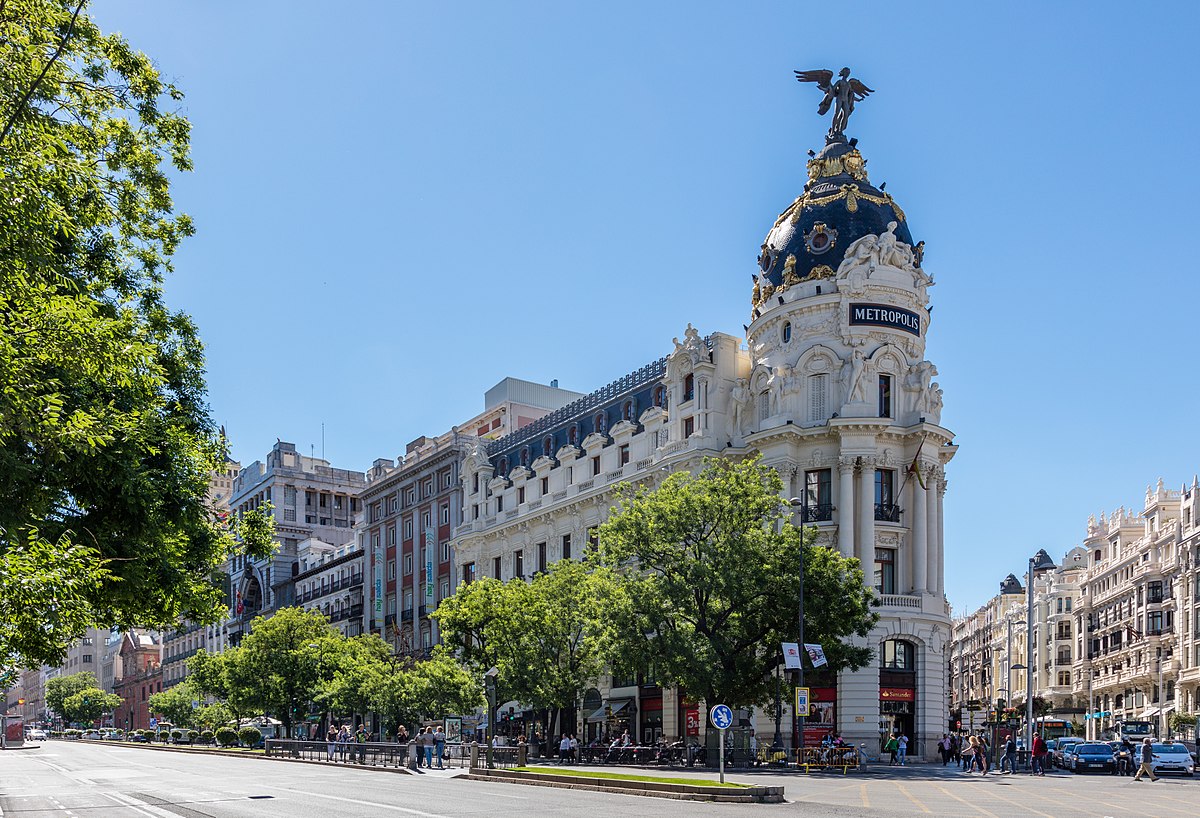
Often called the “Spanish Broadway,” Gran Vía is one of Madrid’s most energetic streets. Its early 20th-century architecture, theaters, rooftop terraces and major stores make it ideal for both sightseeing and shopping. Sunset light enhances the dramatic façades, while night-time neon brings the avenue to life.
For skyline photography and evening drinks, head to popular viewpoints like the Riu Plaza España Rooftop or terraces around Callao.
Temple of Debod (Templo de Debod)
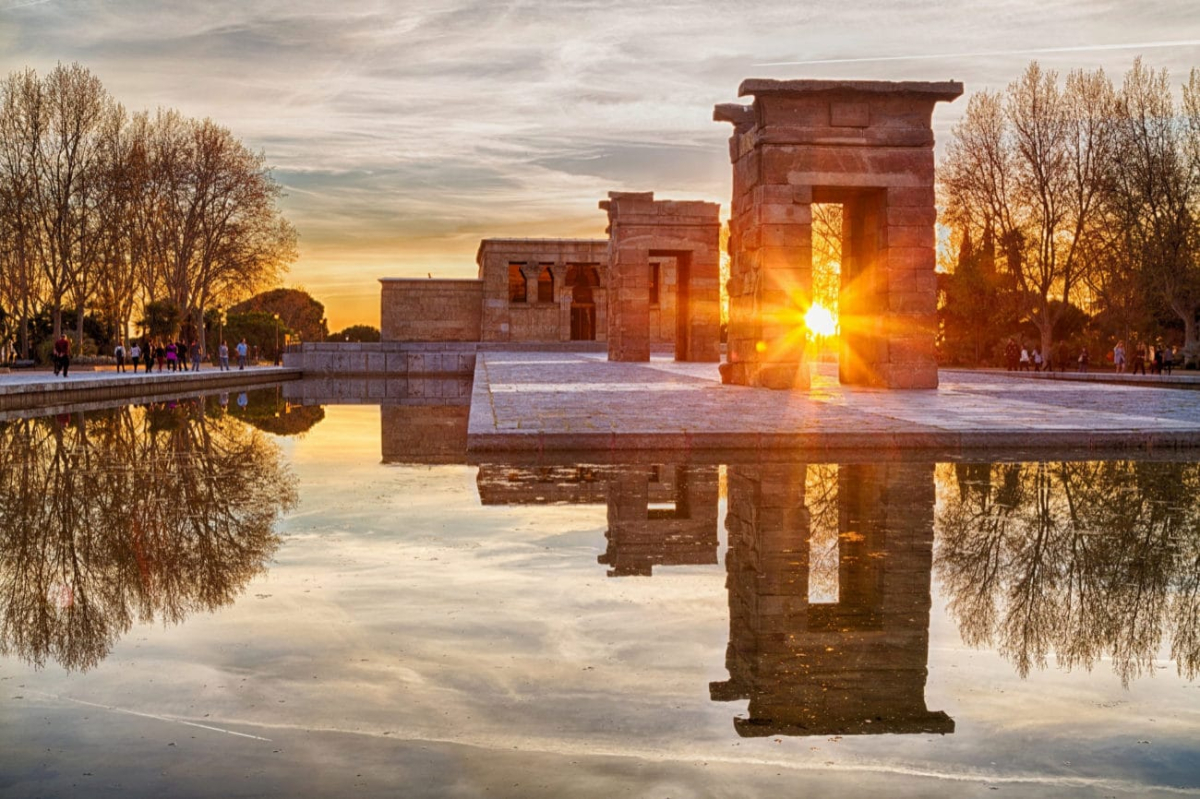
The Temple of Debod is an authentic 2nd-century BC Egyptian temple gifted to Spain for its help in preserving Nubian monuments during the construction of the Aswan Dam. Today, it sits in Parque del Oeste, offering panoramic sunset views over western Madrid.
Arrive 40–50 minutes before sunset for the best light and reflections — a favorite experience for both locals and visitors.
Reina Sofía Museum (Museo Reina Sofía)
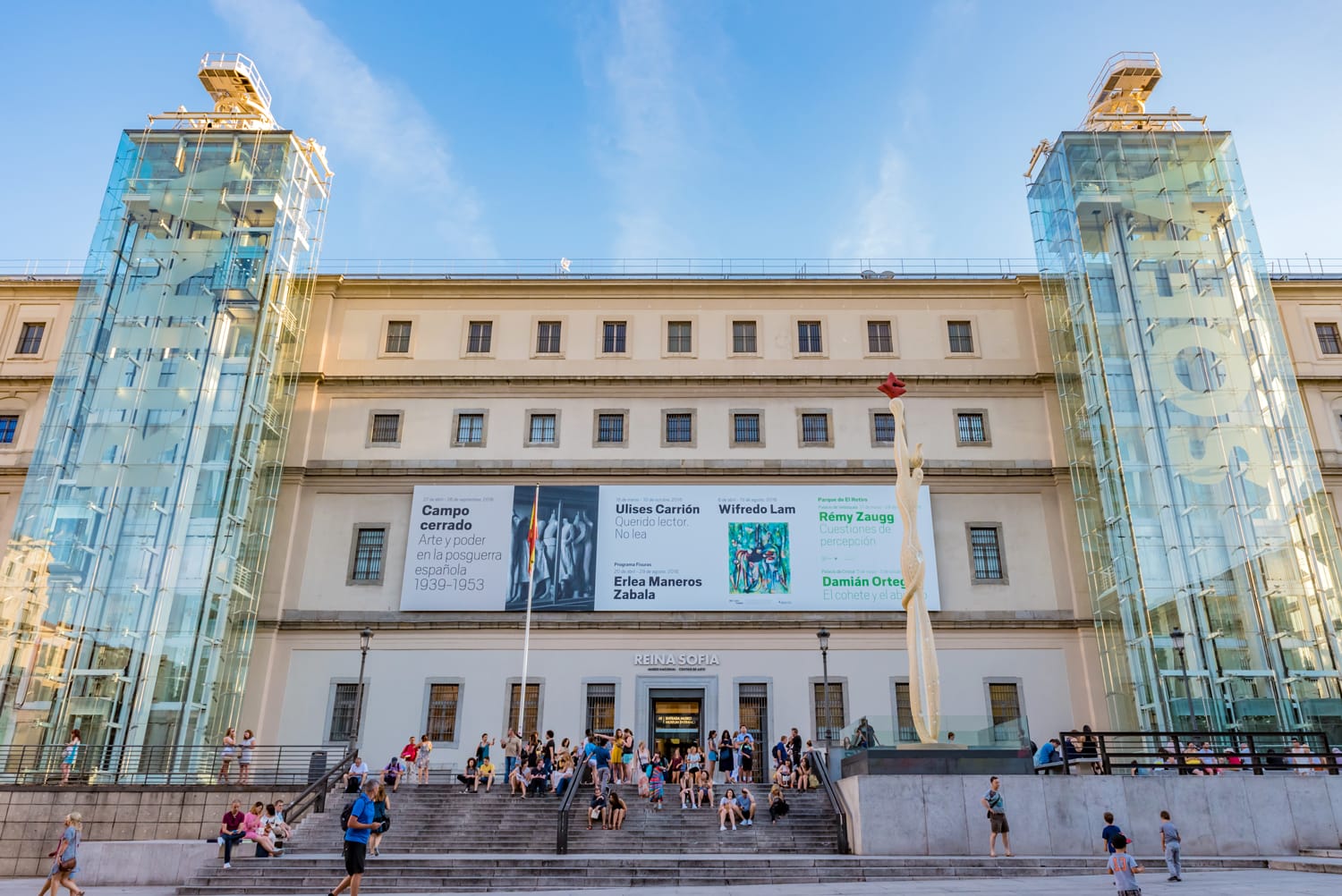
The Reina Sofía Museum is Madrid’s leading institution for modern and contemporary art. Its most valuable piece is Picasso’s Guernica, a monumental anti-war painting that remains one of the most important artworks of the 20th century. The museum also hosts pieces by Dalí, Miró and Juan Gris.
Mercado de San Miguel
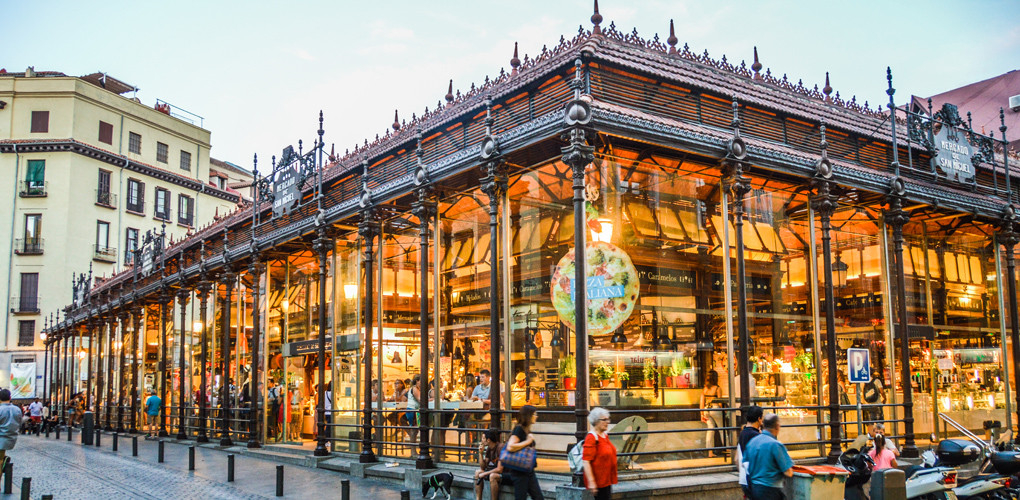
Mercado de San Miguel blends history, architecture and gastronomy. From Iberian ham and cheeses to seafood tapas and Spanish wines, this lively market near Plaza Mayor is ideal for sampling a variety of flavors. Prices are higher than in traditional taverns, but the quality and atmosphere make it a worthwhile stop.
Malasaña & Chueca
These two neighborhoods highlight Madrid’s creative and contemporary spirit. Malasaña is known for its alternative culture, vintage shops and street art, while Chueca offers stylish cafés, modern restaurants and some of the city’s liveliest nightlife. Together, they represent the modern face of Madrid’s social scene.
Day Trips from Madrid
Madrid’s central location makes it perfect for exploring nearby historic towns and landscapes.
- Toledo: Medieval hilltop city rich in Christian, Jewish and Islamic heritage.
- Segovia: Known for its Roman aqueduct and fairy-tale Alcázar.
- Ávila: Famous for its perfectly preserved medieval walls.
Travel Tips for Visiting Madrid
- Madrid is best explored on foot; central areas are highly walkable.
- Museums often offer free entry during late afternoon hours.
- Dinner service starts later than in many countries — typically after 20:30.
- A multi-day metro pass is ideal for exploring wider districts.
- Madrid’s tap water is clean, safe and widely consumed by locals.
Final Thoughts
Madrid’s charm lies not only in its grand monuments and famous museums, but in its vibrant plazas, inviting cafés, leafy parks and lively neighborhoods. The city combines sophistication with spontaneity, offering visitors a rich blend of cultural depth and everyday joy. Whether it’s your first time in the Spanish capital or a return visit, these top attractions provide the perfect foundation for discovering Madrid’s unique spirit.