SPAIN · MADRID GUIDE
Madrid Fast Facts
This quick-reference guide brings together the most useful facts to know before visiting Madrid. It is designed for travelers who want the essentials—language, currency, airport code, time zone, emergency information, transport and local habits—without reading a full city guide.
Madrid at a Glance
| Fact | Information |
|---|---|
| Country | Spain |
| Region | Community of Madrid |
| Status | Capital of Spain |
| Main language | Spanish |
| Currency | Euro (EUR) |
| Emergency number | 112 |
| Main airport | Adolfo Suárez Madrid-Barajas Airport (MAD) |
| Driving side | Right |
| Common plug types | Type C and Type F |
| Electricity | 230V, 50Hz |
| Time zone | Europe/Madrid; CET in winter and CEST during daylight saving |
| Main rail hubs | Atocha and Chamartín-Clara Campoamor are separate stations |
Madrid Is Spain’s Capital
Madrid is both the national capital and the capital of the Community of Madrid. It is the center of Spain’s national government and one of the country’s largest economic, transport and cultural hubs.
Language
Spanish is the primary language used in daily life. English is widely encountered in the tourism sector, particularly at major attractions, hotels and central restaurants, but it is useful to know basic Spanish greetings and polite phrases.
Currency and Payments
Madrid uses the euro. Credit and debit cards are accepted almost everywhere in the center, although small amounts of cash remain useful for markets, small cafés or minor purchases. Contactless payment is common.
ATMs are widely available. Check your bank’s foreign-transaction and withdrawal fees before travel, and pay attention when a terminal offers to convert the charge into your home currency.
Time Zone
Madrid follows Central European Time in winter and Central European Summer Time during daylight saving. Spain’s clock time can feel surprisingly late relative to sunlight and meal patterns, especially for visitors arriving from nearby countries.
Emergency Number
The general emergency number is 112. It can be used for urgent police, fire or medical assistance.
Main Airport
Adolfo Suárez Madrid-Barajas Airport uses the code MAD. It is connected to central Madrid by Metro, bus, taxi and selected Cercanías commuter rail services. See Madrid Airport.
Train Stations
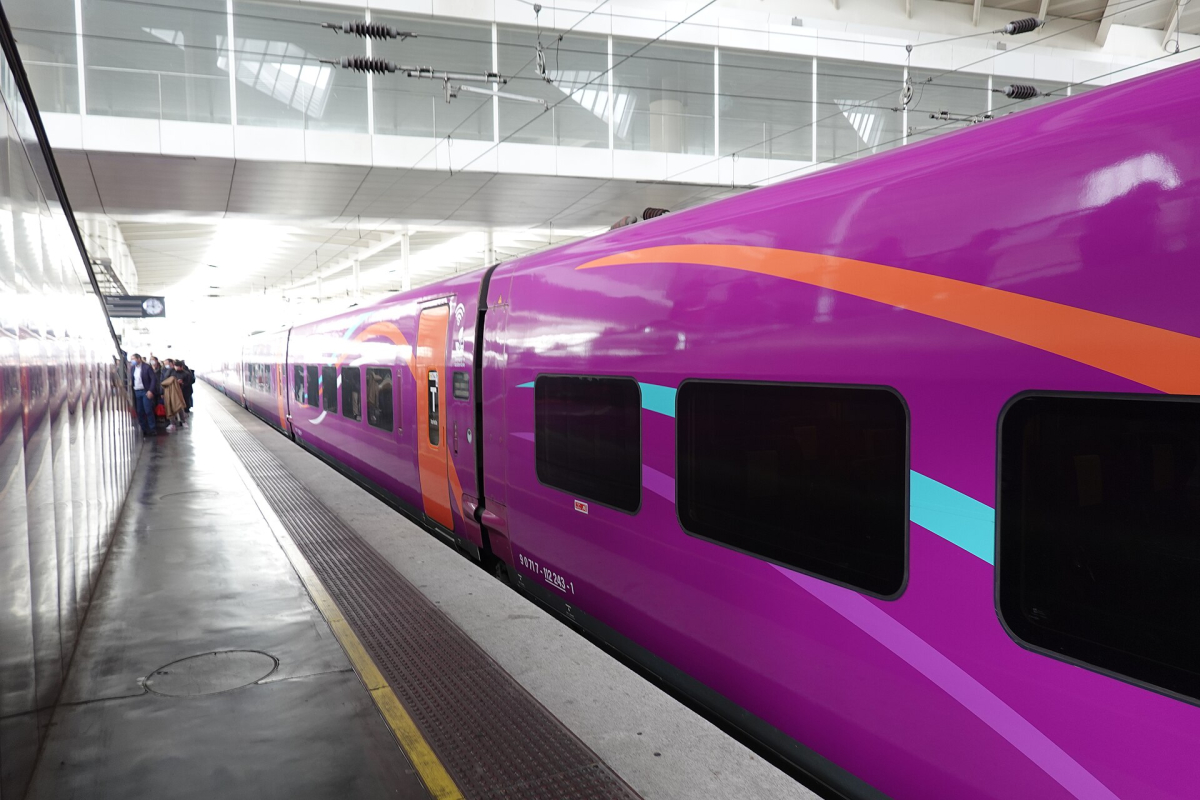
Madrid has two major long-distance rail hubs: Atocha and Chamartín-Clara Campoamor. Which station you use depends on route and operator. Always verify the departure station printed on your ticket.
Public Transportation
Madrid has an extensive Metro network, city buses, Cercanías commuter rail and regional transport. The official Tourist Travel Pass can be loaded onto a Multi Public Transport Card and is available for 1, 2, 3, 4, 5 or 7 consecutive days.
For fare strategy and airport connections, use our Getting Around Madrid.
Walking
Central Madrid is highly walkable. Many major attractions lie within a few kilometers of one another, though hot summer afternoons can make longer walks uncomfortable. Comfortable footwear is essential.
Elevation and Climate
Madrid’s elevation contributes to strong day-night temperature differences and cold winter mornings. Summers are typically hot and dry. See Madrid Weather.
Meal Times
Lunch commonly takes place later than in northern Europe or North America, often beginning around 2 p.m. Dinner frequently starts after 9 p.m. Tourist restaurants may open earlier, but eating on the local schedule usually provides more choice.
Tipping
Tipping is appreciated for good service but is generally less formalized than in the United States. Rounding up or leaving a modest tip is common.
Tap Water
Madrid’s tap water is potable and widely consumed. Carrying a refillable bottle can reduce the need for single-use plastic.
Electricity
Spain uses Type C and F plugs with 230V electricity at 50Hz. Travelers from countries using different plugs need an adapter, and devices must support the local voltage.
Driving
Traffic drives on the right. A rental car is rarely useful for a standard central Madrid stay because public transport is strong and parking is limited. If your itinerary includes regional road trips, see Madrid Car Rental.

Sunday Shopping
Central Madrid has relatively flexible retail hours compared with some European cities, but independent shops may close or operate shorter hours on Sundays. El Rastro is traditionally associated with Sunday mornings.
Museum Planning
The Prado, Reina Sofía and Thyssen-Bornemisza form the city’s famous art-museum triangle. Timed tickets can be useful during busy periods, especially if you have limited days.
Public Holidays and Events
National, regional and city holidays can affect opening hours and transport demand. Madrid also hosts major cultural events, football matches and seasonal celebrations. See Madrid Festivals & Events.
Common Local Terms
Metro is the underground system; Cercanías refers to commuter rail; Renfe is Spain’s national rail operator; AVE is used for high-speed services; and menú del día usually refers to a set lunch menu.
Useful Orientation
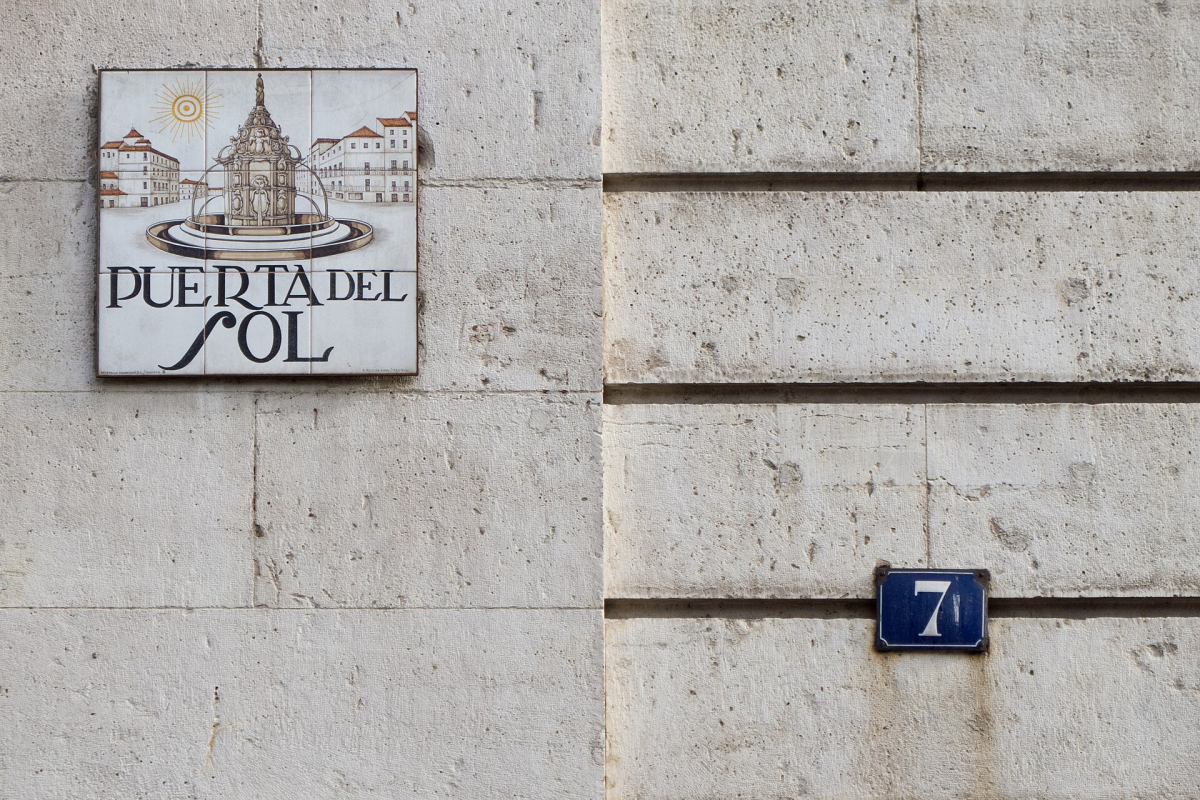
Puerta del Sol is one of the easiest reference points for central Madrid. Gran Vía is north of Sol, Plaza Mayor lies to the west-southwest, the Royal Palace farther west, and the Prado-Retiro area is to the east.
What to Read Next
For practical everyday advice, continue to Madrid Travel Tips. For a fuller introduction to the city, read About Madrid or return to the main Madrid Travel Guide.
Population and Urban Scale
Madrid is one of the largest cities in the European Union and the center of a metropolitan area that extends far beyond the historic core. For travelers, the practical lesson is simple: “Madrid” can refer to very different environments. A hotel in Centro feels entirely different from accommodation near the airport, business districts or outer residential neighborhoods, even when all are technically within Madrid.
Quick Arrival Reference
For current practical information, use Madrid’s official essentials. This is a quick reference; Travel Essentials handles money, entry, safety and accessibility in detail.
Travel Tip:
Put MAD, your terminal, the full hotel address and the correct rail station in one offline note. It is more useful on arrival than a long list of sights.