
All worked figures below are transparent planning assumptions in Japanese yen, not live prices, average market rates or promises of availability. They help you build and test a budget. Replace each assumption with a current quote for your own dates, travellers, room category and ticket conditions before booking.
Build the budget in separate parts
Divide the trip into accommodation, food, local transport, intercity transport, admissions and activities, airport access and a reserve. Add international flights, insurance and shopping separately. This prevents a low daily-spending estimate from hiding a substantial train bill or an expensive first and last night.
For accommodation, write down the full booking total and what it includes. A room rate may exclude breakfast, a local accommodation tax or a bathing-related charge. A ryokan package may include meals that reduce other spending but also require a specific arrival time. Do not count those meals twice or compare a meal-inclusive package with a room-only price as if they were identical.
For transport, price the actual services and dates. Add local journeys at both ends, seat or service supplements where required, and the airport trip. A pass comparison is only meaningful after you have checked what the pass covers. An unlimited label does not mean every operator, train or reservation is included.
On smaller screens, swipe or scroll horizontally to read the full table.
| Category | Assumption | Calculation | JPY per adult |
|---|---|---|---|
| Accommodation | Room ¥14,000 per night, shared by two adults | 13 × ¥7,000 | 91,000 |
| Food | ¥4,500 per calendar day | 14 × ¥4,500 | 63,000 |
| Local transport | ¥900 per day | 14 × ¥900 | 12,600 |
| Admissions and activities | ¥1,500 per day average allocation | 14 × ¥1,500 | 21,000 |
| Intercity travel | Separate route allowance | One allocation | 45,000 |
| Airport access | Combined arrival and departure allowance | One allocation | 6,000 |
| Subtotal | Before contingency | Sum of the six categories | 238,600 |
| Reserve | 10% of subtotal | ¥238,600 × 0.10 | 23,860 |
| Planning total | Excludes international flights, insurance and shopping | Subtotal plus reserve | 262,460 |
For two adults following these assumptions, the combined planning total is ¥524,920. A solo traveller using the same ¥14,000 room would add ¥91,000 before the reserve; a traveller choosing a different room would replace the accommodation line entirely. This is a budgeting exercise, not evidence that a suitable room or ticket can be bought at these amounts.
What changes the total most
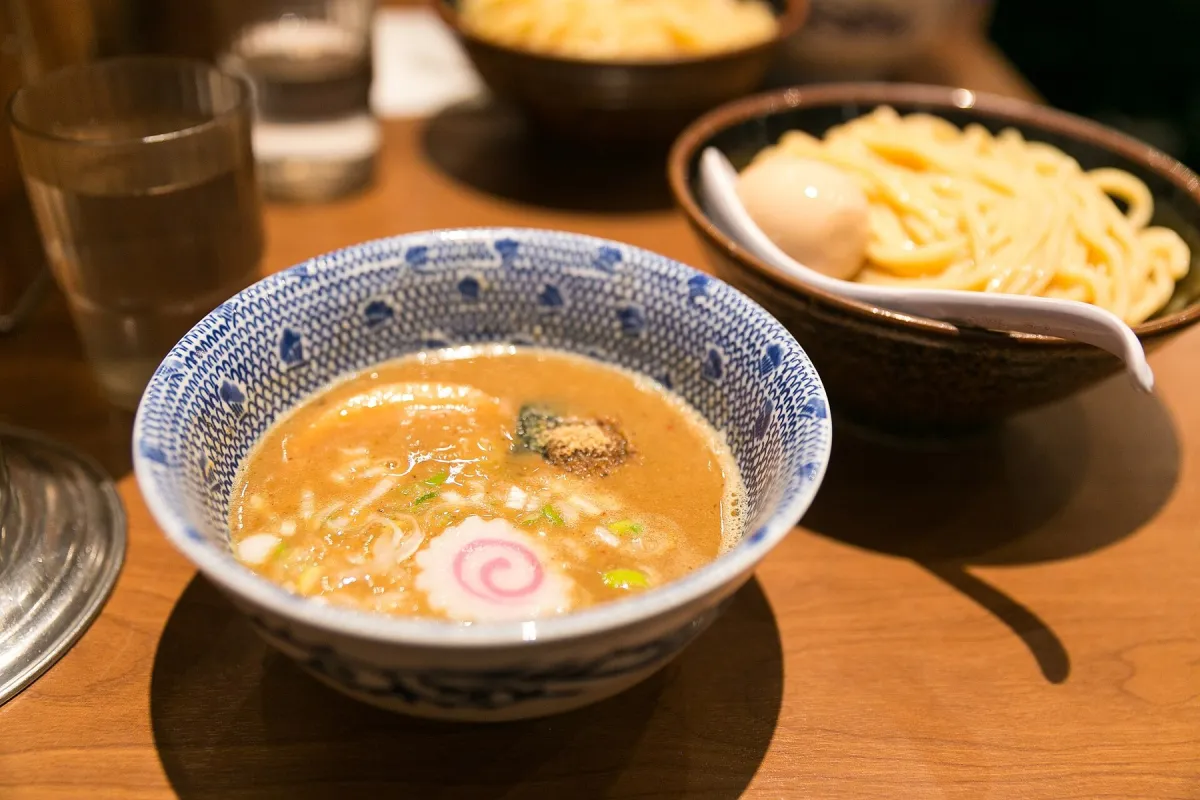
The number of hotel changes affects more than the train fare. Transfers can add luggage storage, forwarding, station meals and paid local transport. Staying in one well-connected base for an extra night may reduce those costs, but only if it still serves the activities you want. A cheap room in an inconvenient location can create repeated fares and lost time.
Peak blossom periods, foliage weekends, festivals and major holiday travel can make accommodation harder to find. Compare the full trip cost before deciding that a cheaper international flight makes a particular week inexpensive. The most constrained night can determine the practicality of the whole route.
Paid experiences also vary in what they include. A food tour may cover a set tasting menu rather than a full dinner, and a day tour may exclude admissions or lunch. Read inclusions and meeting-point details before comparing the headline price with doing the day independently. Do not budget an activity from an old screenshot or another traveller's promotional rate.
Cash, cards and payment backups
Cards are widely useful in cities and at many larger businesses, but carry yen for smaller establishments and places where the payment machine does not accept your card. The JNTO visitor FAQs describe the continuing role of cash. A hotel accepting your card does not establish that a rural bus, small restaurant or ticket machine will do so.
Check your bank's foreign-transaction fees, cash-withdrawal fees and security procedures. Keep a second payment method separately in case a card fails or is lost. An ATM showing an international card logo is useful evidence of compatibility, but withdrawal limits, operator fees and your own bank's rules can still apply.
When a terminal offers to charge in your home currency, compare the stated conversion and fees with the alternative of paying in yen. Do not assume that the most familiar-looking currency produces the best total. Keep enough small notes and coins for practical purchases without carrying the whole holiday budget in cash.
Transport cards and stored balances
A transport IC card stores value for participating services; it is not automatically an unlimited pass. Keep the balance visible and understand the conditions of the particular card or mobile product. Deposit rules, validity, refunds and replacement after loss differ between products.
For example, JR East's physical Welcome Suica information describes a limited validity period and a balance that cannot be refunded. The mobile product has its own requirements. Do not load a large amount on the assumption that every version can be refunded or transferred to a new device. See the Getting Around guide for the current official product links.
Budget long-distance rail separately where necessary. Tapping an IC card at local gates does not mean it can settle an unplanned journey between different coverage areas or replace a required limited-express reservation. Ask staff before entering the system if you are unsure which ticket or gate combination applies.
Tax-free shopping changes on 1 November 2026
Japan Customs states that eligible purchases made from 1 November 2026 move to a refund method: the traveller pays the tax-inclusive amount and the refund follows confirmation that the goods are being exported. Purchases made through 31 October 2026 follow the preceding system. The purchase date matters, particularly for a trip spanning the change.
Read the official Japan Customs tax-refund guidance and ask the participating shop about its procedure, eligibility and refund method. Keep the passport and purchase documentation required for the process. Allow time for any departure confirmation and do not pack the relevant goods somewhere inaccessible before understanding the inspection arrangements.
Tax-free shopping is separate from customs allowances and restrictions in the country you return to. A purchase eligible for a Japanese refund can still create an import obligation at home. For tea, food, alcohol, plants, blades or fragile craft, check both legal transport and practical packing before buying. Avoid budgeting the refund as money already received.
Keep control of spending without planning every purchase
Choose a small number of spending priorities and protect them in the budget. A special meal, a comfortable transfer or a ryokan night may matter more to you than shopping or visiting every paid observation deck. Give those priorities an explicit allocation, then use an ordinary daily allowance for the remaining meals and local travel.
Review the total after the first few days. If you are spending more on transport because the hotel is poorly placed, change the remaining day plans rather than simply cutting meals. If the weather removes an outdoor day, choose an indoor alternative that fits both the budget and the interests of the group.
Keep a reserve available until the final airport journey is complete, particularly when disruption could require another night. If your plans shift from touring to several weeks in one base, switch to the longer-stay accommodation and monthly-cost comparison rather than extending this holiday example mechanically.
Travel Costs & Money FAQs
How much does a Japan trip cost per day?
There is no single useful figure without dates, route and room arrangement. The worked example separates accommodation, meals, transport and activities so you can replace each assumption with a current quote.
Do I still need cash in Japan?
Carry a modest yen reserve alongside cards. Payment acceptance varies, particularly at smaller businesses and some transport or ticket machines.
What changes for tax-free shopping in November 2026?
Japan Customs says purchases from 1 November 2026 use a refund method after export confirmation. Read the current official procedure and ask the shop which rules apply to the purchase date.


