
ASIA · JAPAN GUIDE
Japan Travel Guide: Regions, Routes & Trip Planning
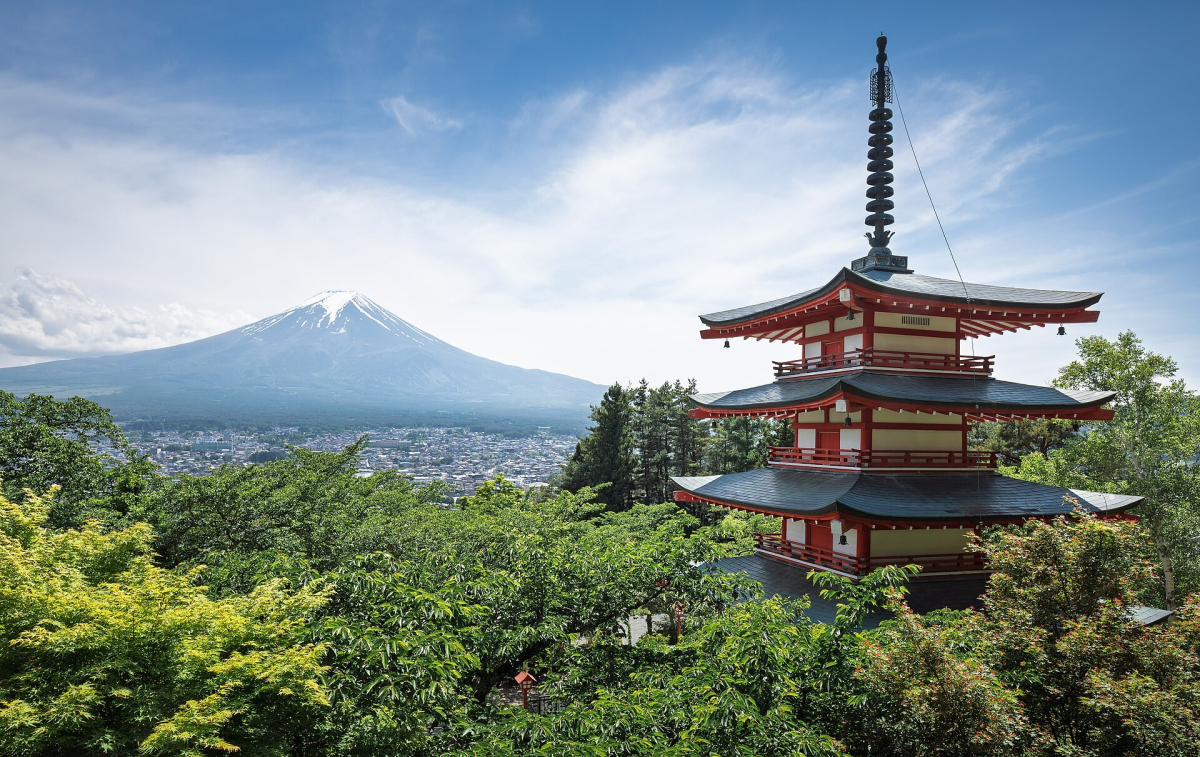

Japan rewards a trip built around a few connected places. Tokyo's neighbourhoods, Kyoto's temple districts, the mountains of central Honshu and Okinawa's islands offer very different holidays. The useful first question is how much moving you want to do: a week divided between Tokyo and Kyoto feels quite different from a fortnight that also includes Hiroshima, a hot-spring town or the Japanese Alps.
This guide brings those decisions together. Use the regional comparison to choose a route, then turn to the detailed pages for transport, accommodation, seasonal conditions and daily planning. Distances, luggage and the journey back to your departure airport matter as much as a list of famous sights. You can travel independently without speaking fluent Japanese, but a little preparation makes the first few days considerably easier.
Choose a route before buying a pass
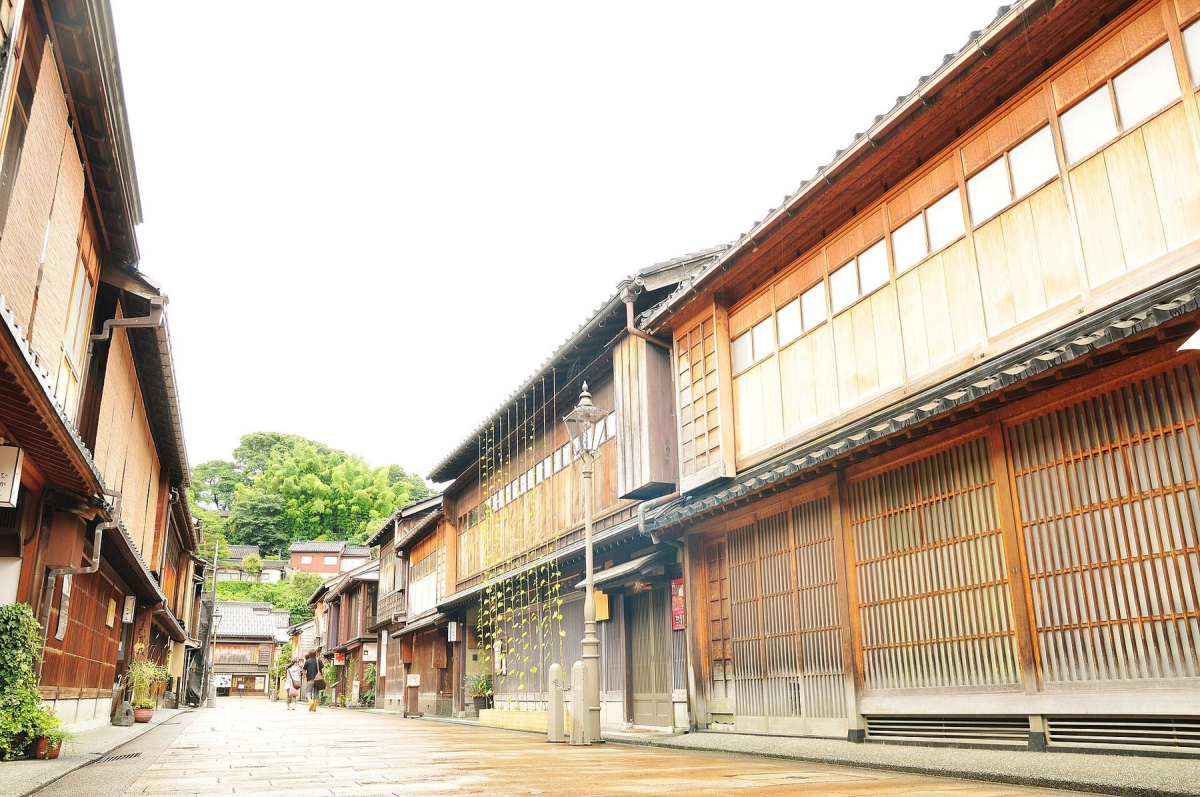

For a first visit focused on cities and culture, begin with the Tokyo–Kyoto–Osaka corridor. It gives you substantial variety with frequent rail connections and avoids the need for a domestic flight. Kyoto and Osaka are close enough that many travellers choose one as their overnight base, although staying in Kyoto gives easier access to early temple visits and staying in Osaka suits late dinners and nightlife.
Add Hiroshima when you have time for its peace memorial sites and a separate excursion to Miyajima. Add Kanazawa and Takayama when traditional streets, gardens and mountain scenery are a stronger priority. Neither extension is a free extra: each uses travel time, additional nights and a different rail calculation. A countrywide rail pass should follow the route decision, rather than determine it.
Hokkaido, Kyushu and Okinawa can each support an entire holiday. Hokkaido suits a trip centred on landscapes, winter sports or a summer road journey; Kyushu combines regional cities, volcanic scenery and hot springs; Okinawa brings island culture and coastal time. Trying to append all three to a short first visit leaves little room for the places you came to see.
On smaller screens, swipe or scroll horizontally to read the full table.
| Priority | Useful starting route | Allow for |
|---|---|---|
| First visit with limited transfers | Tokyo and Kyoto, with Osaka or Nara as a day trip | Two main bases; an open-jaw flight can reduce backtracking |
| Culture and western Honshu | Tokyo, Kyoto and Hiroshima | A Miyajima day and the onward airport journey |
| Gardens, craft and mountains | Kanazawa, Takayama and Kyoto | Bus reservations and slower mountain transfers |
| Summer landscapes | A Hokkaido itinerary | Large distances and selective car rental |
| Hot springs and regional food | Fukuoka, Nagasaki and a Kyushu onsen base | Volcano access and rural transport |
| Beaches and island culture | Okinawa main island or a selected outer island | Domestic flights, sea conditions and a weather buffer |
Explore the Map & Regions guide before selecting your overnight stops. It explains which places fit together geographically; Japan Attractions helps you choose individual places to visit.
How long to spend in Japan
With seven calendar days including arrival and departure, a single region is a satisfying choice. Tokyo with Kamakura or Nikko, or Kyoto and Osaka with Nara, lets you settle in and adapt to the time difference. A two-city visit is possible, but it trades a sightseeing period for a transfer and becomes less forgiving when flights are inconvenient.
Ten days gives Tokyo and Kyoto more breathing room. Fourteen days can include a third base without turning every second day into a journey. Three weeks allows a slower corridor trip or a more ambitious regional extension, but extra time does not automatically make very distant places a sensible combination. Count usable days after flight arrival, check-in and the final airport trip.
Keep the last night near the departure city when the alternative is a long, separate rail or domestic-flight connection immediately before an international flight. Separate tickets may leave you responsible for the consequences of a missed connection. Our 7-, 10- and 14-day itineraries show arrival days, transfer days and the actual number of hotel nights.
Choose a season for your actual activities
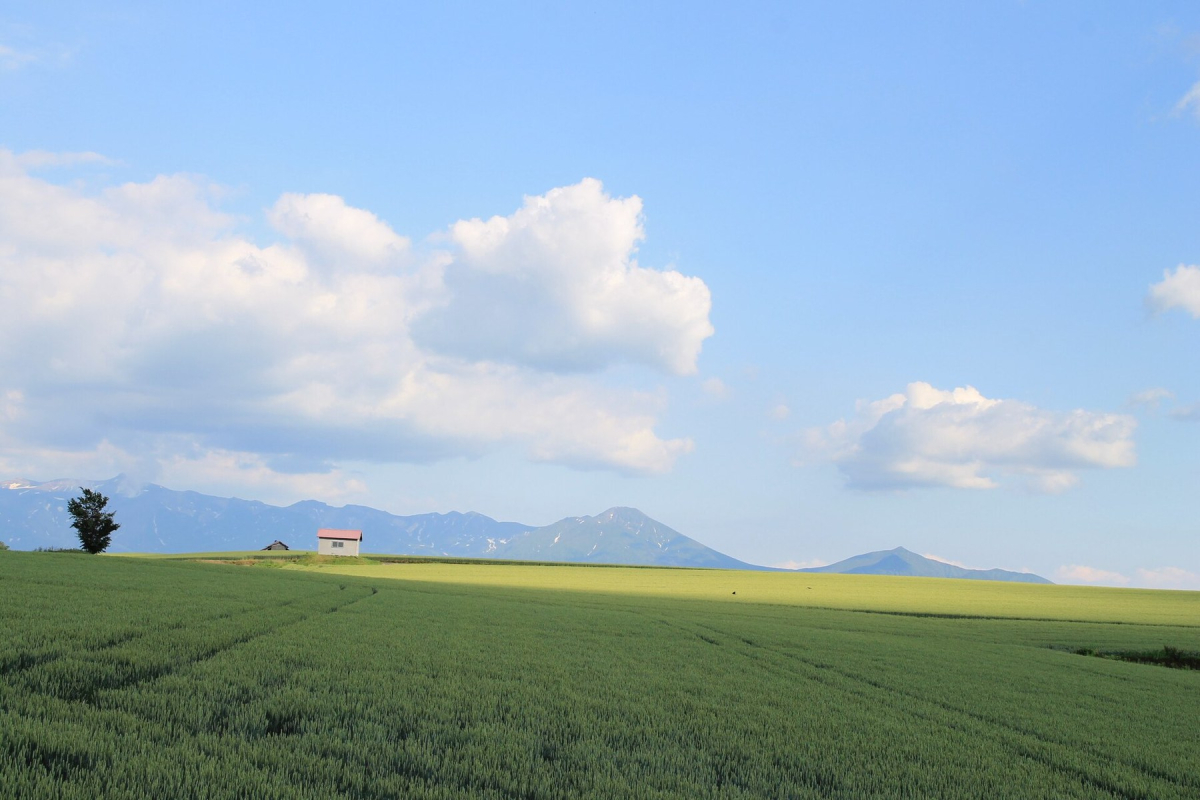

Spring blossom trips and autumn foliage trips need flexibility. The season moves across the country and changes with elevation, while an attractive photograph from a previous year does not predict your travel week. Book a trip you would still enjoy if the flowers were early or late. Gardens, neighbourhood walks, museums and regional food help make that possible.
Summer city sightseeing can be hot and humid, while mountain and northern routes have different conditions. Higher ground still needs suitable clothing and a route-specific forecast. Winter brings snow in northern and mountain areas, but the Pacific side of Honshu can offer clear days for city visits. Neither a beach holiday nor a snow holiday should be planned from a national average.
Typhoons and heavy rain can disrupt transport, particularly when an island flight or boat is involved. Check forecasts and operators close to departure rather than assuming a seasonal description is a live forecast. The Best Time to Visit guide compares regional seasons and the booking consequences.
Choose a base and the right kind of room
In large cities, choose the useful station and exit before the hotel. A room near Tokyo Station, Shinjuku or Ueno serves different airport and day-trip plans. In Kyoto, the station area is convenient for transfers, Shijo–Karasuma balances transport and dining, and Higashiyama puts historic streets nearby but may involve more walking and luggage complications.
A ryokan stay is often most rewarding when treated as part of the itinerary rather than simply a substitute for a city hotel. Arrival time, an included dinner, bathing arrangements and sleeping on futons can shape the entire evening. Check whether a quoted price is per person or per room, and whether children's meals or bedding cost extra.
Families should confirm the actual room occupancy and beds. Travellers with mobility needs should ask about step-free access from the station, room-door width, bathroom layout and the specific room category. The Where to Stay comparison covers bases and trade-offs; Hotels compares named properties.
Transport and money: prepare the essentials
Use an IC transport card or compatible mobile option for many local journeys, and reserve long-distance tickets separately when required. A local tap-in card is not an unlimited national ticket. Private railways, subways and buses also mean that a rail pass does not cover every useful journey. Compare point-to-point fares with regional and national passes for the trips you will actually take.
Pay attention to the difference between the station serving a city centre and its Shinkansen station. Shin-Osaka is separate from Osaka Station; Shin-Yokohama is separate from Yokohama Station. Those distinctions affect hotel convenience and connections. Allow time for station navigation, lifts and finding your platform, particularly with children or luggage.
Carry a modest cash reserve alongside cards. Smaller restaurants, rural buses or ticket machines may require a different payment method from your hotel. Build your budget in yen and distinguish shared room costs from spending per person. Our Getting Around and Travel Costs & Money guides explain the practical decisions without assuming a pass or payment method works everywhere.
Make room for everyday experiences
A memorable Japan itinerary does not need a major monument in every time slot. Leave time for a department-store food floor, a local shopping street, a quiet garden and a meal in a neighbourhood you are already visiting. Regional food is a useful reason to slow down: Osaka's casual dining, Kyoto's tofu and tea traditions, Hiroshima-style okonomiyaki and Kyushu's ramen cultures are different experiences.
Choose a small number of organised activities where the host or specialist access adds value. A cooking class, a craft session or a guided walk can help explain things that are difficult to understand from signs alone. Check the language, meeting place, group size and what is included. A sightseeing transfer marketed as a tour may give limited time at each stop.
For outdoor days, the last return bus and current trail status are essential parts of the plan. In sacred and residential areas, follow photography signs and keep routes clear. The Things to Do guide covers experiences, national parks and events, while Food, Drink & Nightlife and Photos & Photo Spots develop those interests separately.
A practical order for booking
Start with the dates, arrival airport and departure airport, then identify the most restrictive part of the trip. That might be a mountain hut, a special exhibition, an island flight or a ryokan with dinner. Book accommodation and important transport around those constraints, keeping enough flexibility to react to weather.
Check your entry requirements through Japan's Ministry of Foreign Affairs for your own passport, residence and purpose of travel. Visit Japan Web supports arrival procedures; it is not a visa. Medication rules also require their own check. Keep the first accommodation address, insurance assistance number and travel documents available offline.
Finally, review the Visa & Entry, Travel Essentials and Health & Safety pages. Rules and transport information were checked on 24 October 2026 where stated; live availability, warnings and individual admission decisions remain matters for the relevant provider or authority. The guide is designed to help you make a workable plan, with sources beside decisions that require official confirmation.
Japan-specific experiences: baths, snow and pop culture
For bathing and an inn stay, compare Onsen & Ryokan formats before choosing the town and room. For a snow-focused visit, use Skiing & Winter to compare resorts, lessons and final transfers. Anime & Pop Culture separates flexible fan-district visits from museums and parks requiring specific admission.
Before buying transport products, compare Rail Passes & IC Cards: a pass and a stored-value payment card serve different purposes. These specialist guides help build a practical route without duplicating the accommodation, seasonal or Shopping coverage.
Japan Travel Guide FAQs
Is two weeks enough for a first Japan trip?
Two weeks can support Tokyo, Kyoto and a third base such as Hiroshima or Kanazawa. Choose the third place for your interests and account for arrival, departure and transfer time.
Do I need a car in Japan?
A car is usually unnecessary for the Tokyo–Kyoto–Osaka corridor. It can be useful for selected rural areas, but licence eligibility, parking, tolls and winter conditions need a separate check.
Should I book a Japan Rail Pass first?
Choose your route first, then compare the eligible journeys with the pass price, service restrictions and regional alternatives. A pass is a ticket product, rather than a complete transport plan.