
ASIA · JAPAN GUIDE
About Japan: History, Culture & Regional Identity
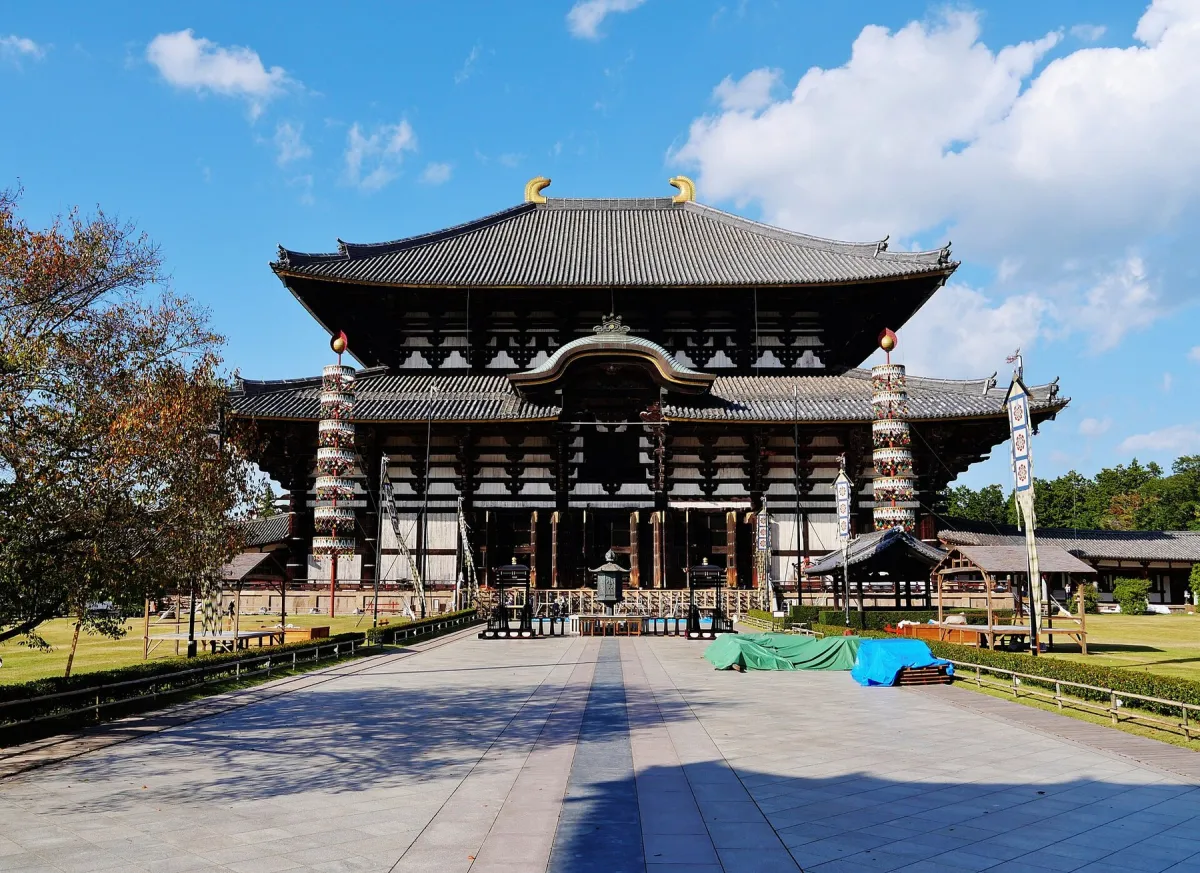

Japan's culture is easier to understand when you connect it to actual places. Kyoto's courtly traditions, Nara's early temples, Tokyo's development from Edo and Okinawa's Ryukyuan heritage belong to different histories. They are connected, but none is a complete substitute for the others. This page provides context for what you encounter, rather than another list of sights.
Use that context to make choices. A castle visit becomes more interesting when you understand the difference between an original timber keep and a modern reconstruction. A shrine visit makes more sense when you recognise that a torii marks a sacred precinct rather than a decorative entrance. Local museums, interpretation panels and guided activities can add detail without turning every day into a history lesson.
Nara and Kyoto: understanding the early capitals
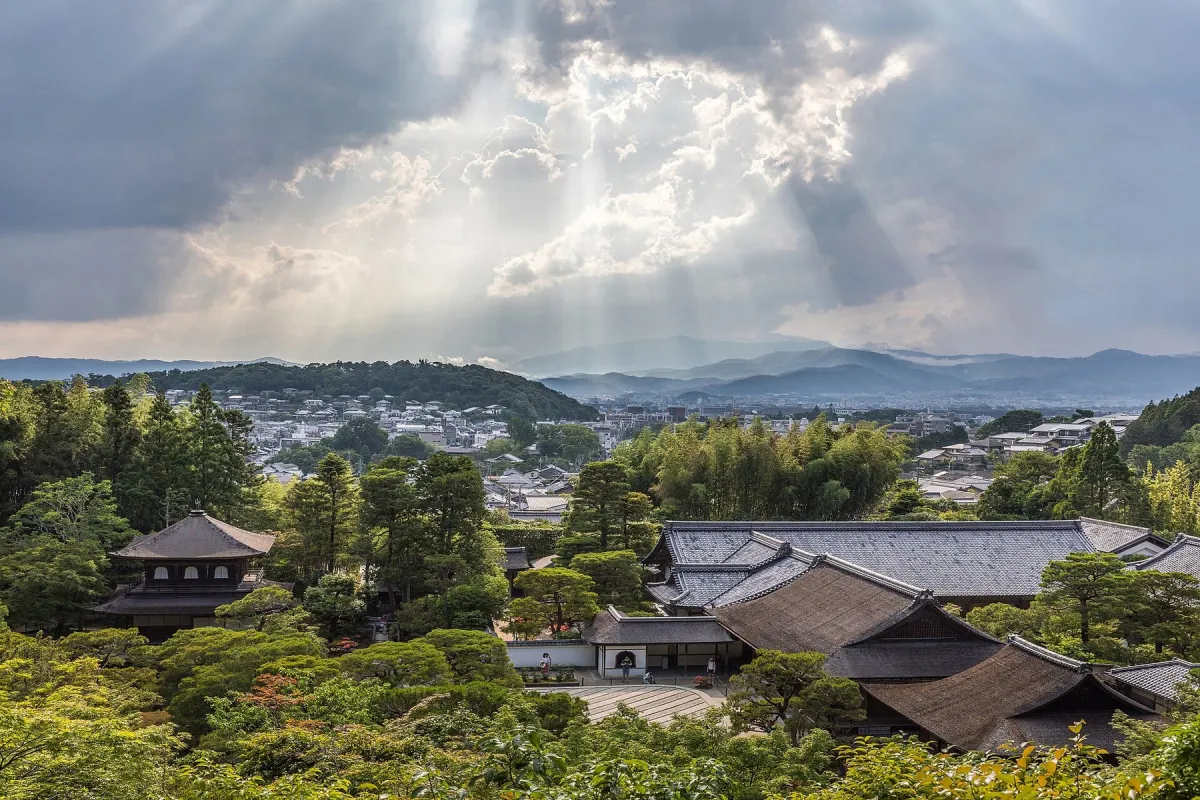
Nara became an imperial capital in the eighth century, and Kyoto's long period as the capital began later in that century. Their religious complexes and planned urban landscapes express the importance of court patronage, Buddhism and links with the wider East Asian world. When comparing them, look beyond the fact that both contain famous temples: Nara often offers spacious precincts around monumental buildings, while Kyoto presents many different neighbourhoods, gardens and institutions spread across the city.
Todai-ji in Nara makes scale and state-supported Buddhism tangible. Kyoto's temple gardens ask for a slower kind of attention: the relationship between a viewing platform, a pond, a framed landscape or a path is part of the experience. Some buildings or rooms are opened only on particular occasions. A paid garden entry and access to an interior should not be assumed to be the same ticket.
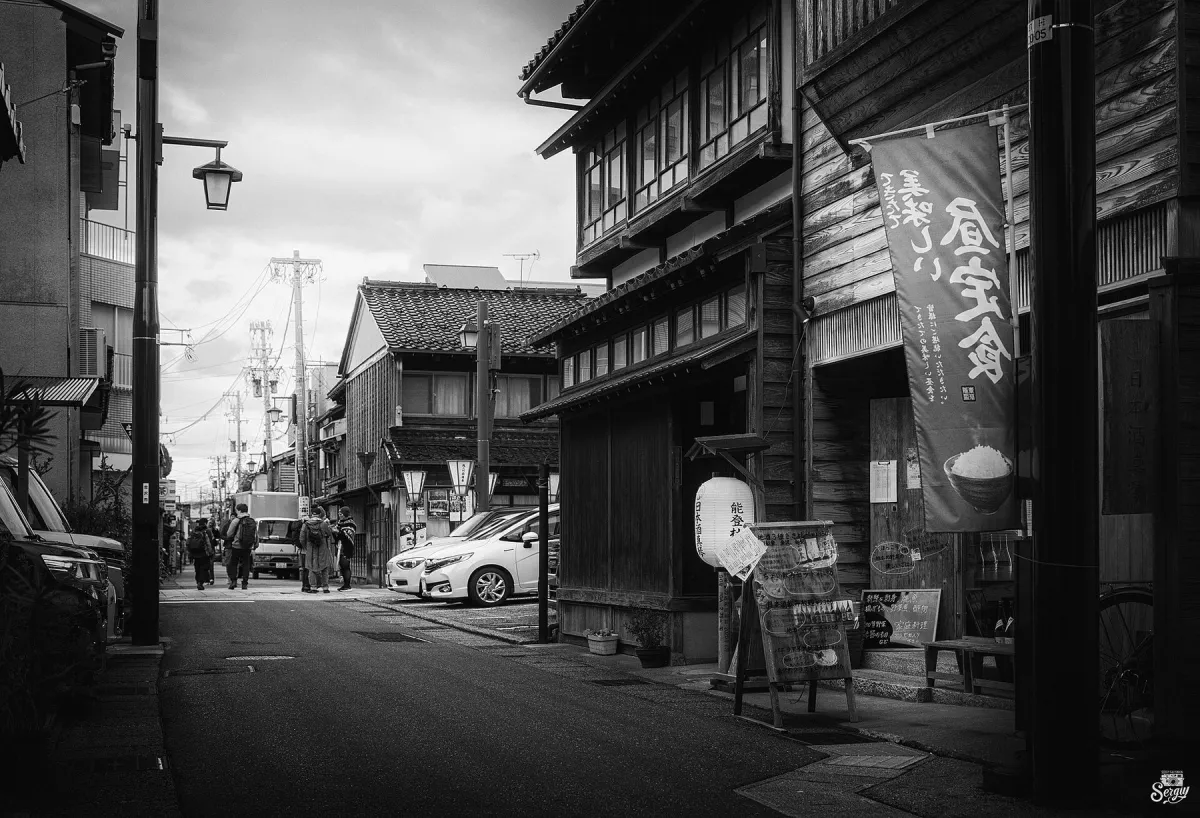
Kyoto is also a living city. People commute, attend school and use religious sites for purposes unrelated to sightseeing. Treat historic streets as working neighbourhoods. A traditional façade may be a private home, a restaurant requiring reservations or a business with no public interior. The most useful cultural habit is to establish what kind of place you are entering before you raise a camera.

Castles, domain towns and the Edo period
From the late twelfth century onward, warrior governments shaped much of Japan's political history. During the Tokugawa period, beginning in the early seventeenth century, Edo developed into a major political and urban centre. The imperial court remained in Kyoto. This helps explain why the country's political and cultural landmarks are not concentrated in a single historical capital.
Castle towns reveal how defence, status and administration affected urban form. Himeji's surviving castle buildings are different from the reconstructed towers found in many cities. A reconstruction can still support a valuable museum and an informative visit, but its modern interior should not be described as untouched medieval fabric. Read the institution's account of rebuilding, restoration and wartime damage.
Kanazawa and Hagi offer other ways to explore the legacy of domain capitals: gardens, merchant quarters, craft traditions and former residential streets. Avoid reducing every historical quarter to a samurai district. The work, wealth and architecture of merchants, artisans and religious communities are equally relevant to what survives. A local museum can help you distinguish these layers before a walk.
Modernisation, war and remembrance
The Meiji era, beginning in 1868, brought extensive political, industrial and social change. Railway development, new institutions, international exchange and new forms of architecture transformed cities. In Tokyo, surviving older neighbourhoods sit alongside repeated rebuilding, transport infrastructure and recent development. The city is a good place to examine how continuity and change coexist without expecting every district to look historic.
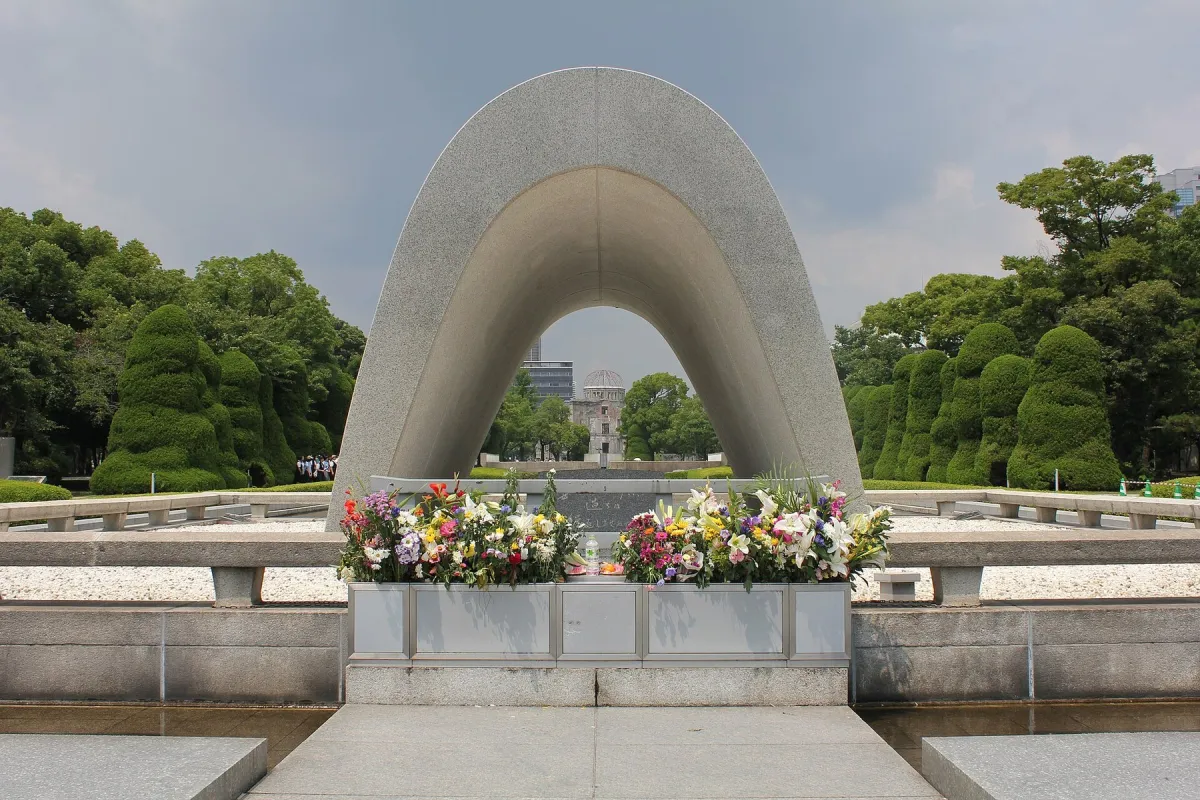
Hiroshima and Nagasaki require particular care. Their museums and memorial sites address the atomic bombings, human suffering and the continuing work of remembrance. Give these visits time and approach testimony, photographs and objects respectfully. They are not simply dramatic backdrops for travel images. Families may want to review exhibition content before visiting and plan a quiet activity afterwards.
Postwar reconstruction and subsequent economic growth shaped the dense rail-centred urban life that visitors experience today. Yet a skyline alone cannot represent the whole country. Rural depopulation, conservation, craft succession and local transport sustainability are visible in smaller communities. Spending a night outside the main corridor can reveal different contemporary realities as well as scenic variety.

Shrines, temples and everyday practice
Shinto shrines and Buddhist temples are distinct institutions, even though elements of both traditions can appear in an individual's life. A torii usually signals a shrine; a Buddhist temple may have a substantial gate, images, incense and a cemetery. Architecture is not a complete identification system, so look for the site's name and explanation rather than relying on a single visual clue.
Visitors are often welcome in public precincts, but access is conditional. Remove shoes when asked, keep voices low during ceremonies, and obey photography restrictions inside halls. Ritual participation is optional. You can observe respectfully without copying a practice you do not understand. Staff guidance is more useful than a universal internet checklist when local arrangements differ.
Seasonal visits, family ceremonies, festivals and memorial observances make these places active institutions. A special occasion may bring crowds, altered access or additional offerings. Sacred gates, statues and offerings should not be climbed, rearranged or used as props. Our Responsible Travel guide explains how these choices affect residents and religious communities.
Regional identities beyond a single national image
Hokkaido includes important Ainu history and contemporary culture. Seek interpretation by relevant cultural institutions rather than presenting Ainu heritage as a vanished past or a decorative theme. Northern landscapes and settlement histories differ from those of central Honshu, and local museums can make that difference meaningful.
Okinawa's history includes the Ryukyu Kingdom and a distinct cultural and linguistic heritage. Its food, music, architecture and wartime experience deserve attention alongside the beaches. Travelling between Okinawan islands also reveals local differences; a resort stay on the main island is not a complete account of the archipelago.
Regional food, dialects, festivals and crafts offer accessible starting points throughout Japan. Choose a workshop, exhibition or shop where the origin and maker are explained. A mass-produced souvenir with a traditional motif is different from work made by a local artisan, and both can be sold in the same district. Ask about the process and intended use before assuming an object is antique, handmade or regionally produced.

Build cultural context into an ordinary travel day
Combine one major institution with time to notice its surroundings. In Kyoto, a garden visit followed by a neighbourhood meal can reveal more than a day spent moving between distant gates. In Tokyo, a museum and a walk through an older shopping street create a useful contrast with a modern station district. In a castle town, compare the official history with the street pattern outside the main attraction.
For performances, distinguish public ticketed shows from private entertainment. Geiko and maiko commuting through Kyoto are not a public performance. A legitimate show explains its venue, dates, booking arrangements and photography policy. The same care applies to martial arts: a training hall is not a drop-in demonstration unless it explicitly welcomes visitors.
Use the JNTO regional directory to find destination institutions and the Kyoto responsible travel guidance for local conduct. These are starting points for further reading; opening hours and special exhibitions should be checked with the institution itself.
About Japan FAQs
Are shrines and temples the same thing?
No. Shrines are associated with Shinto and temples with Buddhism. Their histories and practices can overlap in daily life, but visitors should follow the guidance of the particular institution.
Is every Japanese castle original?
No. Surviving historic buildings, reconstructed keeps, ruins and museum complexes offer different experiences. Check what survives at the castle you intend to visit.
Where should I go for cultural context beyond Tokyo and Kyoto?
Nara, Kanazawa, Hiroshima, Nagasaki, Hagi, Hokkaido and Okinawa offer different historical and contemporary perspectives. Choose a region that fits your route and interests.