
ASIA · JAPAN GUIDE
Japan Useful Contacts: Emergencies, Travel Help and Lost Property
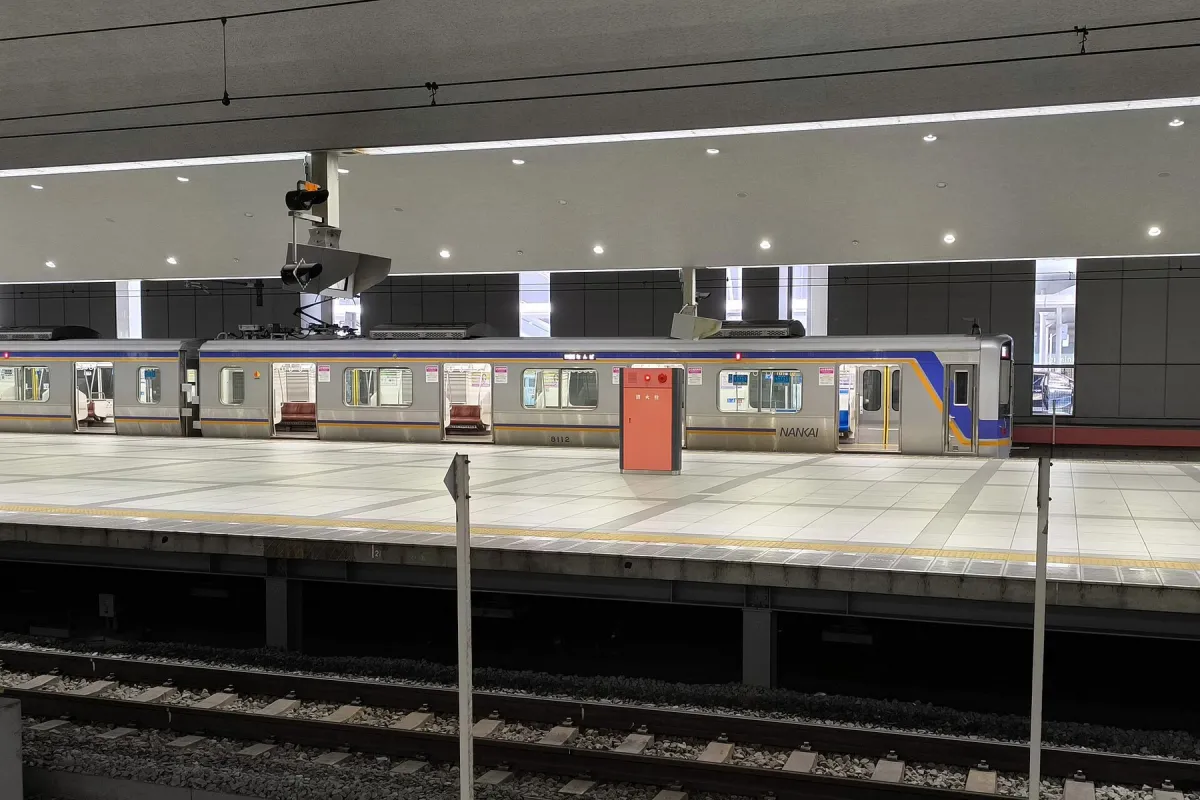

The most useful contact is the organisation responsible for the problem. A tourism hotline can help you navigate an unfamiliar situation, but it does not replace an ambulance, issue a passport or amend a private booking. Save a small, relevant contact list before departure and keep enough detail to explain where you are and what you need.
The numbers and official links below were checked on 24 October 2026. Phone services have not been test-called. Language availability, office hours and the scope of assistance can vary, so read the linked service information for non-urgent matters. Keep your own insurer, airline and accommodation contacts alongside the public services.
Urgent help: use the appropriate service
On smaller screens, swipe or scroll horizontally to read the full table.
| Need | Contact | Information to prepare |
|---|---|---|
| Police emergency | 110 | Location, incident and whether anyone is in danger |
| Ambulance or fire | 119 | Exact location, what happened and who needs help |
| Visitor assistance | Japan Visitor Hotline: 050-3816-2787; +81-50-3816-2787 from abroad | Language, location and the kind of support required |
| Medical insurance assistance | Your insurer’s emergency contact | Policy number, condition, location and callback details |
| Lost or stolen passport | Your own embassy or consulate | Identity information and any police reference |
| Visa question before travel | Japanese mission responsible for your residence | Nationality, residence, purpose and proposed dates |
The JNTO emergency information page confirms the emergency numbers and visitor hotline. The visitor service operates around the clock, but its assistance should not be interpreted as a promise to book services or provide every form of interpretation. Use emergency dispatch directly when the situation is urgent.
If you do not know the address, look for a building name, a station sign or a nearby business and ask someone to help identify the location. A screenshot of a map is useful only if you can explain the pin accurately. Do not assume an internet call or data-only travel SIM supports all local emergency calling functions.
When you need medical support
For a serious or rapidly worsening condition, call the appropriate emergency number. For a non-emergency medical question, contact your insurer and use JNTO's medical-assistance resources to identify a suitable institution. Confirm the required specialty, opening time and language arrangements where the situation permits.
Prepare the patient's name, age, current location, symptoms, relevant medical history, medication and any known allergy information. Keep the explanation concise and accurate. A translated note prepared before travel can help when a condition is complex, but do not rely on an app to make a diagnosis or decide that urgent care is unnecessary.
For questions about importing medication before the trip, use the authority identified in the Japanese embassy medication guidance. An airline, hotel receptionist or travel forum cannot grant import permission. The responsible office can depend on the medicine and airport of arrival, so follow the current official instructions.
Transport disruption and lost property
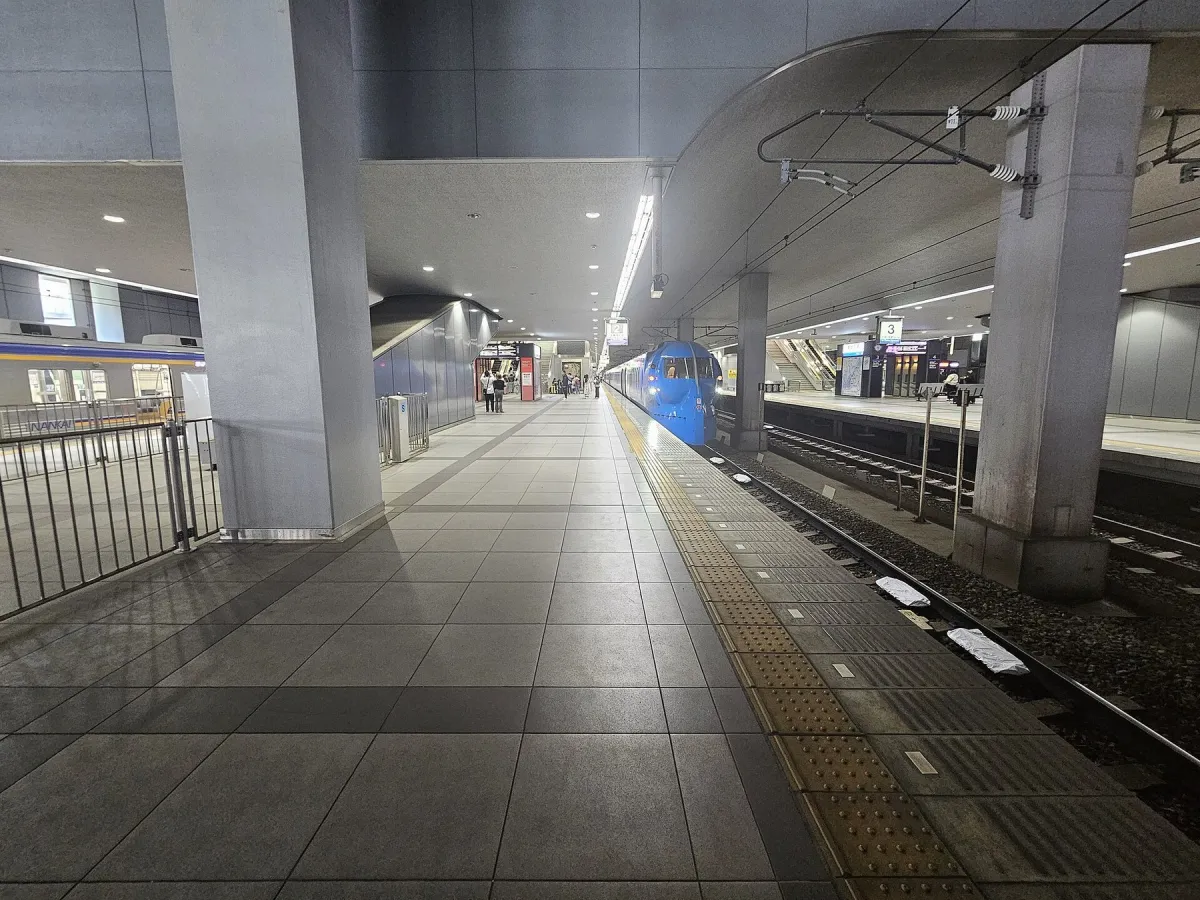

For a cancelled train, contact the operator that issued or operates the service. For a flight change, contact the airline or booking agent according to the reservation's terms. A hotel or tourism desk can help you understand options, but it may not be able to change a ticket purchased elsewhere.
Keep the booking reference, passenger name and proposed alternatives available. If several separate tickets are affected, contact each provider rather than assuming one company will rearrange the entire trip. Ask about refund and rebooking conditions before buying a replacement, and keep receipts and written notices for any insurance claim.
For lost property, identify where the item was most likely left. A train carriage, a station concourse, a shop and a taxi have different custodians. Record the line, direction, service time, carriage or seat if known, and a clear description of the item. Avoid posting passport or payment-card details publicly while trying to recover it.
Airport contacts and arrival problems
Use the Narita Airport access directory or Kansai Airport official site to find the relevant terminal and transport information. Airports usually distinguish airline baggage issues from property lost in terminal public areas. A missing checked bag should be reported through the airline's baggage process before leaving the appropriate area.
When a late arrival affects your hotel, contact the property directly and explain the expected arrival time. A booking platform message may be useful, but check whether you receive confirmation. For an essential check-in issue, a direct phone call or the property's own stated emergency procedure may be more appropriate than waiting for a general support queue.
If you need to transfer between airports, ask the airline about baggage, immigration and ticket protection. Ground transfer advice from an airport does not establish that a separate flight connection is protected. Keep the distinction clear when deciding whether to rebook or stay overnight.
Passports, consular assistance and entry questions
Your country's embassy or consulate in Japan deals with its citizens' consular needs, including the procedures for a lost passport. Japan's Ministry of Foreign Affairs maintains a directory of foreign missions in Japan. Confirm the current contact through your own government's official site before travelling to an office.
An emergency travel document can have conditions and processing requirements. It may also affect your airline routing or permission to transit another country. Ask the issuing mission and airline what is required; do not assume it is interchangeable with the passport you lost. Keep a secure copy of the original passport separately from the physical document.
Before travel, a question about a Japanese visa should go to the Japanese mission responsible for your place of residence. Once in Japan, questions about permitted stay or changes of status belong with the relevant Japanese immigration authority. Consular help from your own country does not override Japan's entry or immigration rules.
Accommodation, tours and booking disagreements

Start a booking query with the provider that holds the reservation. State the property or activity name, date, booking reference and the specific change or problem. Keep the request factual. A message saying that you need help is less useful than one explaining that a flight delay will put you beyond the stated check-in window.
For a tour meeting point, use the operator's current instructions rather than a generic map pin. Similar activity names can be sold by different companies, and a landmark may have several entrances. Save the operator's name and contact details from the confirmation, not only the marketplace's general support page.
For a dispute, preserve the terms, receipt and correspondence. Contact the booking platform where applicable and your insurer if the issue falls within its cover. Neither a tourism hotline nor an embassy can guarantee a refund from a private business. If there is an immediate safety problem, address that first and pursue the financial issue separately.
Prepare a short offline contact sheet
Include the emergency numbers, insurer, first hotel, airline, any essential activity operator and your own country's consular service. Add the Japanese address of each overnight property. For a regional trip, also save the transport operator serving the least frequent connection, such as a mountain bus or island ferry.
Make sure another traveller can access the information without using your phone. A printed card or a shared offline document can help if a device is lost or its battery fails. Keep sensitive identity details secure and avoid adding more personal information than is necessary for routine assistance.
Review this list when the itinerary changes. A cancelled hotel, a different arrival terminal or a replacement domestic flight can make an earlier contact sheet misleading. The aim is a useful set of current contacts, rather than a large directory that is difficult to search under pressure.
Useful Contacts FAQs
Can the visitor hotline send an ambulance?
Use 119 for an ambulance or fire emergency. The visitor hotline provides assistance and information and should not replace urgent dispatch.
Who handles a lost passport?
Contact your own embassy or consulate and follow its current procedure. Police reporting and airline or transit requirements may also be relevant.
Who should I contact for an item lost on a train?
Start with the relevant train operator or station and provide the line, direction, time, carriage or seat if known, and an accurate item description.