
ASIA · JAPAN GUIDE
Japan Travel Essentials: Language, Connectivity & Daily Basics
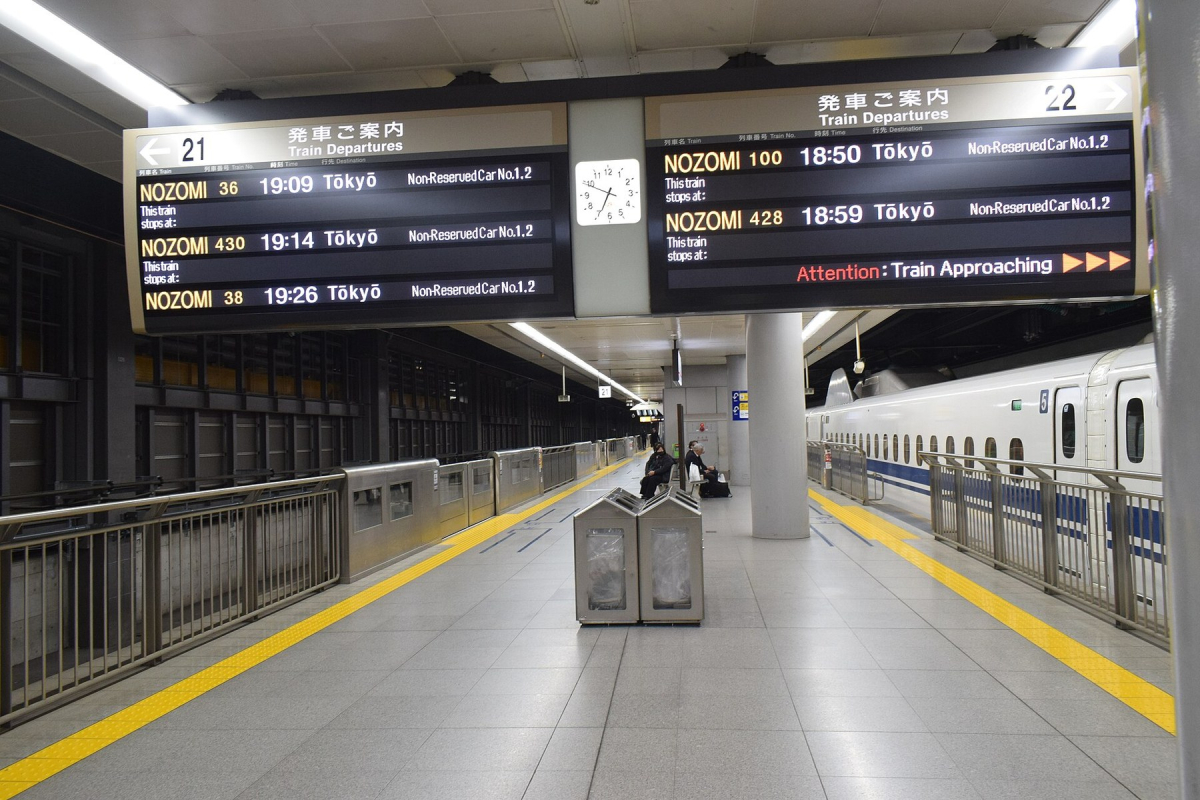

Japan's daily travel routines become manageable once you separate what needs preparation from what can be arranged on arrival. You need the correct documents, a way to reach the first hotel, access to money and essential medication information before departure. A detailed restaurant schedule for every day is less urgent. This page focuses on the practical habits that support a holiday, with links to the guides that handle entry, transport and health in greater depth.
Keep the first accommodation name and address in Japanese as well as English. A screenshot can help a taxi driver or station employee even when your mobile connection fails. Save your important bookings offline and make sure each traveller can access the shared plan independently.
Useful facts for planning
On smaller screens, swipe or scroll horizontally to read the full table.
| Topic | What to know | Planning implication |
|---|---|---|
| Capital | Tokyo | Airport and central-station choices still need to be specific |
| Currency | Japanese yen, JPY, written ¥ | Build budgets in yen; check your own card fees |
| Time | Japan Standard Time, UTC+9 | Japan does not use seasonal daylight-saving clock changes |
| Language | Japanese | Save addresses and dietary information in a usable local-language format |
| Electricity | 100 volts; commonly Type A sockets | Check both plug fit and your device input voltage |
| International dialling code | +81 | The domestic initial zero is normally omitted after +81 |
| Police / ambulance and fire | 110 / 119 | An internet-only eSIM may not provide ordinary voice calling |
Time differences can change when your home country changes its clocks, even though Japan's local time remains the same. Check the time shown on bookings and use local time when arranging airport transport or a call with a provider. An overnight international flight can make the calendar date of arrival different from the date of departure.
Do not carry a population, island count or economic ranking into a practical plan merely because it appeared in an older guide. Such figures require dated definitions and offer little help with a transfer or a room choice. The facts above are selected because they affect things you will actually do.
Language and getting useful help
Major transport hubs commonly provide English signage, but small businesses, rural stops and personal conversations vary. Learn a few polite phrases and be ready to communicate with short sentences, a map or a written address. Speaking more loudly does not make an unfamiliar language easier to understand. Give the other person time to read a translation.
Translation apps are useful for menus and labels, but their output is not reliable enough to guarantee a food-allergy assessment or interpret a legal document. For essential dietary or medical communication, prepare accurate written information and confirm understanding with the provider. A photograph of a dish cannot establish its ingredients.
Japanese addresses may not resemble the street-number system you use at home. The correct building name, floor and entrance can be more helpful than an approximate location pin. Save the hotel's own access instructions and a nearby landmark. In a large station, include the exit name rather than simply saying that the hotel is near the station.

Mobile data, Wi-Fi and a charged phone
Compare an eSIM, physical SIM and pocket Wi-Fi according to the phones and people in your group. Check whether the phone is unlocked, supports the product and needs a physical SIM slot. Data allowance, tethering, activation timing and coverage matter more than a headline daily price. A data-only product is different from a plan that includes ordinary calls.
Pocket Wi-Fi can be convenient for a group that stays together, but the person carrying it becomes a moving connection point. Separate sightseeing or a lost device can leave other travellers offline. Plan how to contact one another and carry the return instructions if the device must be posted or handed back before departure.
Public Wi-Fi is helpful as a supplement, rather than the sole plan for finding a rural bus stop or presenting a booking. Carry a charged power bank within the airline's current rules, download maps for likely areas and keep the first hotel details on paper. If your transport card is stored on a phone, consider what happens when the battery runs low.
Electricity, plugs and personal equipment
Japan uses 100-volt electricity. A plug adapter changes the physical connection; it does not convert voltage. Read the input label on chargers, hair appliances, medical devices and other equipment. Many modern chargers accept a range such as 100–240V, but a device designed for only one supply should not be assumed to work because the plug fits.
Type A two-flat-pin sockets are common. Grounded equipment, bulky adapters and limited sockets may need additional planning. Check with the property if a medical device requires a particular connection or safe overnight placement. An extension arrangement should not create a trip hazard in a small room.
Eastern and western Japan use different supply frequencies, which can matter for some specialist equipment. Follow the device manufacturer's instructions rather than a general travel rule. Hotels may lend adapters, but availability is not guaranteed; pack the specific item you need if the equipment is important to the trip.
Luggage, laundry and moving between bases
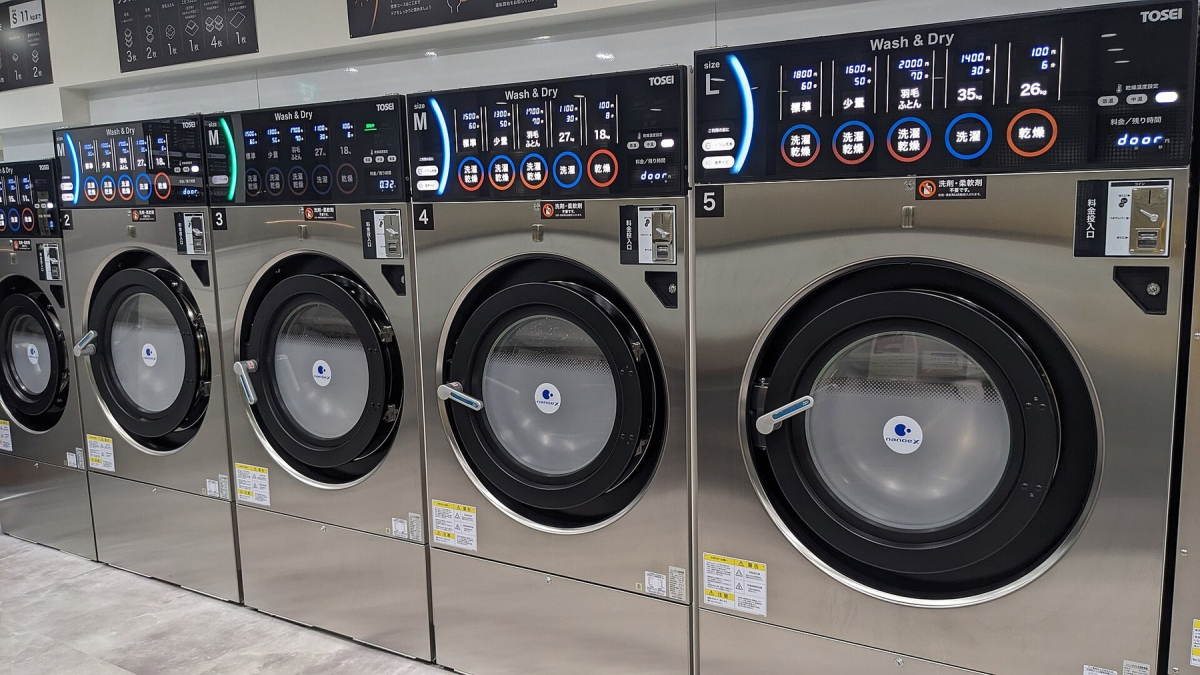

Pack for the walking and station changes in your actual route. A large case can be awkward in a compact room, on a crowded city bus or during a transfer involving stairs. Laundry is often a better solution than carrying a fresh outfit for every day. Check whether the property has guest machines, a paid laundry service or a nearby coin laundry; these are different facilities.
Luggage forwarding can help when you spend a night in a small inn or make a side trip. Ask the sending and receiving properties whether they support the service, the expected delivery date, payment and storage arrangements. Delivery is not automatically same-day, especially across long distances or to islands. Keep medication, travel documents and enough clothing with you.
Station lockers can be full or too small for your case. A locker location inside a paid area may also be inconvenient after you leave the gates. Look for an authorised luggage-storage option as a backup and check closing time before leaving anything. For long-distance trains, use the transport guide to check the relevant baggage reservation rules.
Meals, shops and local routines
Some restaurants specialise in a narrow range of dishes and work with limited seating. A queue may be for a ticket machine, a sign-up sheet or a particular entry time. Watch the process or ask staff before joining. At a small counter, ordering food and occupying a seat are part of the business's service; do not treat it as a free waiting area.
Cash, cards and mobile payments are not universally interchangeable. A shop accepting cards may still have a ticket machine that needs cash, and a rural service may accept neither your preferred app nor a foreign card. Carry a modest reserve and keep small denominations for practical purchases.
Shopping rules are changing soon after this guide's check date. Japan Customs states that purchases made from 1 November 2026 move to a tax-refund method following export confirmation. See the money and shopping guidance for the dated source. Ask the shop which procedure applies to your purchase date and keep the goods and documentation available for departure checks.
Accessibility and travelling with children
Ask about the entire route, rather than a single accessible symbol. A station may have lifts but only at particular exits. A temple may offer a step-free garden route while its historic interior remains inaccessible. A hotel may have accessible public areas but only a small number of suitable guest rooms. Describe the actual requirements, including mobility aids and transfer needs.
Families should check child ticket ages, room occupancy, bedding and meal arrangements with each provider. A child sharing a bed may still require a breakfast charge or count toward the maximum occupancy. Strollers are useful in cities, but stairs, gravel and crowded precincts can make a carrier or a simpler route more practical for some outings.
The JNTO accessible tourism directory points to specialist resources. Pair those with the property or operator’s current details. The Useful Contacts guide explains who to approach for different kinds of assistance.
Travel Essentials FAQs
Can I use English throughout Japan?
English information is common at major visitor and transport facilities, but availability varies. Save addresses in Japanese, use simple written communication and prepare essential dietary or medical information carefully.
Will my usual power plug work?
Check the plug type and device input label. Japan uses 100V, and a plug adapter does not convert voltage.
Should I rely entirely on a phone?
Keep important addresses and bookings offline and carry a small paper backup. Battery failure, a lost device or lack of coverage can interrupt both navigation and communication.