
SPAIN TRAVEL GUIDE
Spain Nightlife
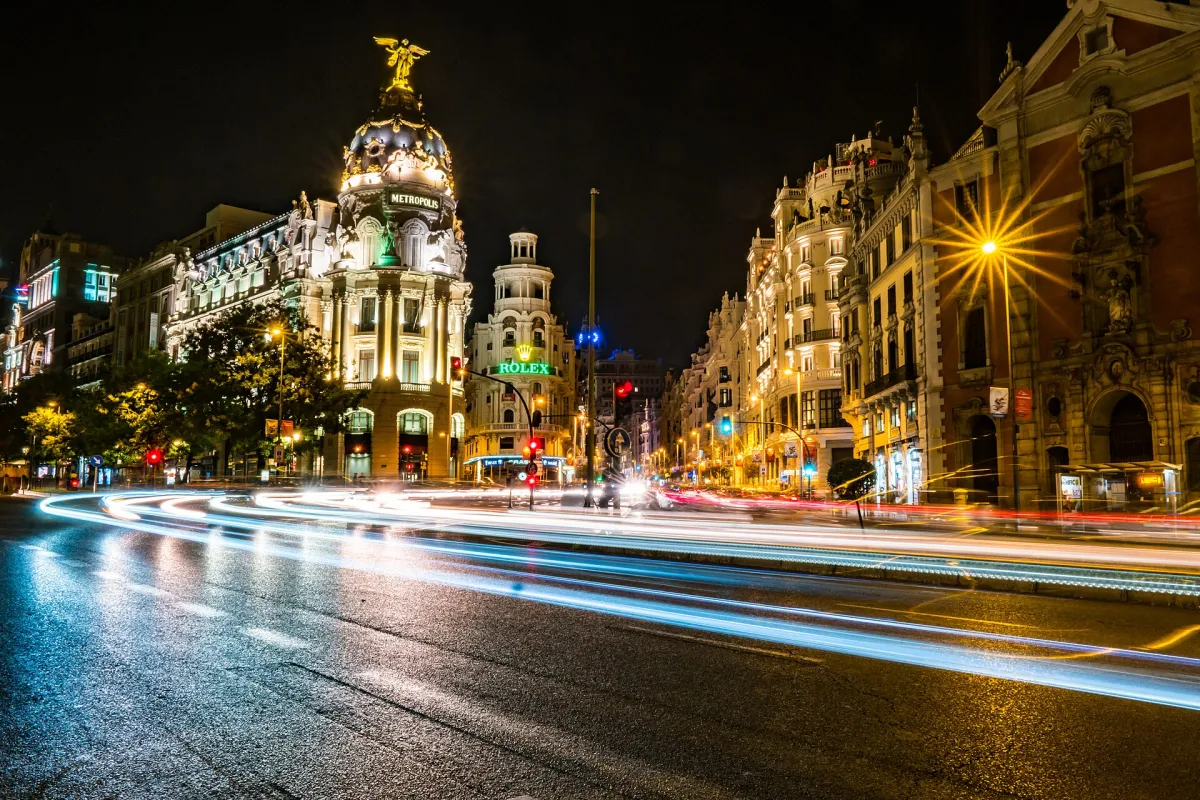
Spain is world-famous for its nightlife. From tapas-filled evenings in vibrant plazas to rooftop cocktails, beachfront clubs, flamenco shows and electronic music venues, the country offers an enormous variety of ways to enjoy the night. Whether you're exploring Madrid’s lively bar districts, Barcelona’s coastal clubs, Seville’s flamenco venues, Valencia’s artsy nightlife or the iconic party islands of Ibiza and Mallorca, Spain delivers varied nights for every type of traveler.
Unlike many countries, Spain begins its evenings late: dinner often starts around 21:00, drinks around 23:00 and nightlife peaks between midnight and 03:00. The culture is social rather than rushed, with an emphasis on conversation, shared food, outdoor terraces and relaxed movement between bars.
This guide explains Spain’s nightlife styles, the best cities, neighborhood-level tips, safety insights, ways to plan an evening budget and planning advice. It works together with our other Spain travel pages:
What Nightlife Means in Spain
Spain’s nightlife is not only about clubs. It is a mix of many styles and atmospheres:
- Tapas bars filled with locals spilling into the street
- Wine bars serving Rioja, Ribera and local wines
- Rooftop bars with city skyline sunsets
- Beachfront clubs with DJs and cocktails
- Traditional taverns with lively conversation
- Electronic music venues in Barcelona, Madrid and Ibiza
- Live music & concerts
- Flamenco shows in Andalusia
- Pubs & craft beer spots
Locals move between places throughout the night, enjoying drinks, food, music and long conversations. Spain’s warm climate means many nights are spent outdoors, especially in spring, summer and early autumn.
The Best Cities for Nightlife in Spain
Madrid
Madrid is one of Europe’s greatest nightlife capitals. The city stays awake until dawn, with bars, clubs and restaurants packed late into the evening.
Best Nightlife Districts in Madrid
- Malasaña: Indie bars, craft beer, young crowd, alternative music.
- La Latina: Tapas streets, outdoor terraces and Sunday nightlife.
- Chueca: LGBTQ+ friendly, energetic, stylish bars.
- Salamanca: Upscale cocktail lounges and premium clubs.
- Lavapiés: Bohemian bars, multicultural restaurants and live music.
Madrid’s clubs open late—most people arrive after 01:00. Popular genres include electronic, reggaeton, international pop and indie music.
Barcelona
Barcelona offers a mix of coastal nightlife, artsy bars, electronic clubs and open-air terraces. Many nightlife areas blend dining, cocktails and music into one long evening experience.
Best Nightlife Districts in Barcelona
- El Born: Trendy wine bars, cool tapas spots, live DJs.
- Gràcia: Bohemian plazas with locals drinking on terraces until late.
- Barceloneta: Beach bars and coastal clubs.
- Eixample: Cocktail bars, creative mixology, upscale nightlife.
- Poblenou: Techno clubs and industrial-style venues.
Barcelona has a strong electronic music scene and a popular beachfront club district where nights blend into mornings.
Valencia
Home of paella and excellent nightlife. Valencia’s evening scene is relaxed, creative and filled with young locals.
Top Nightlife Areas in Valencia
- Ruzafa (Russafa): Trendy bars, artsy cafés, international restaurants.
- El Carmen: Lively, historic and full of small bars.
- Marina / Beach Zone: Dance clubs and beach bars during summer.
Seville
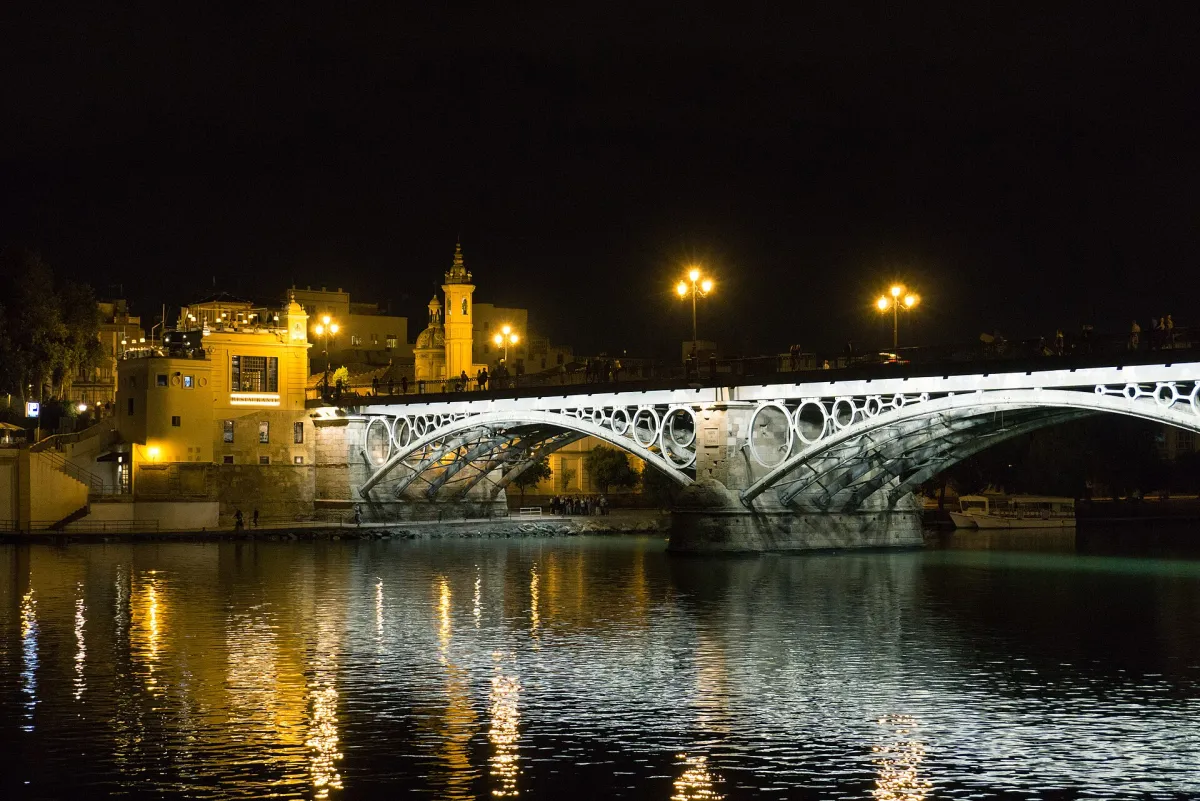
Andalusia’s nightlife capital. Warm evenings, flamenco bars and riverside terraces create a magical atmosphere after dark.
Where to Go Out in Seville
- Triana: Flamenco, tapas bars and local nightlife.
- Alameda de Hércules: Hip bars, craft beer, live music.
- Santa Cruz: More traditional, atmospheric evening dining.
San Sebastián
Known for pintxos, wine bars and elegant evenings rather than traditional clubbing. Nights revolve around food, conversation and seaside cocktails.
Málaga & Costa del Sol
From beachfront clubs in Marbella to relaxed bars in Málaga’s historic center, the Costa del Sol is vibrant and summery.
Key Areas
- Málaga Centro: Rooftops, wine bars, tapas spreads.
- Marbella: Upscale beach clubs and luxury nightlife.
Ibiza
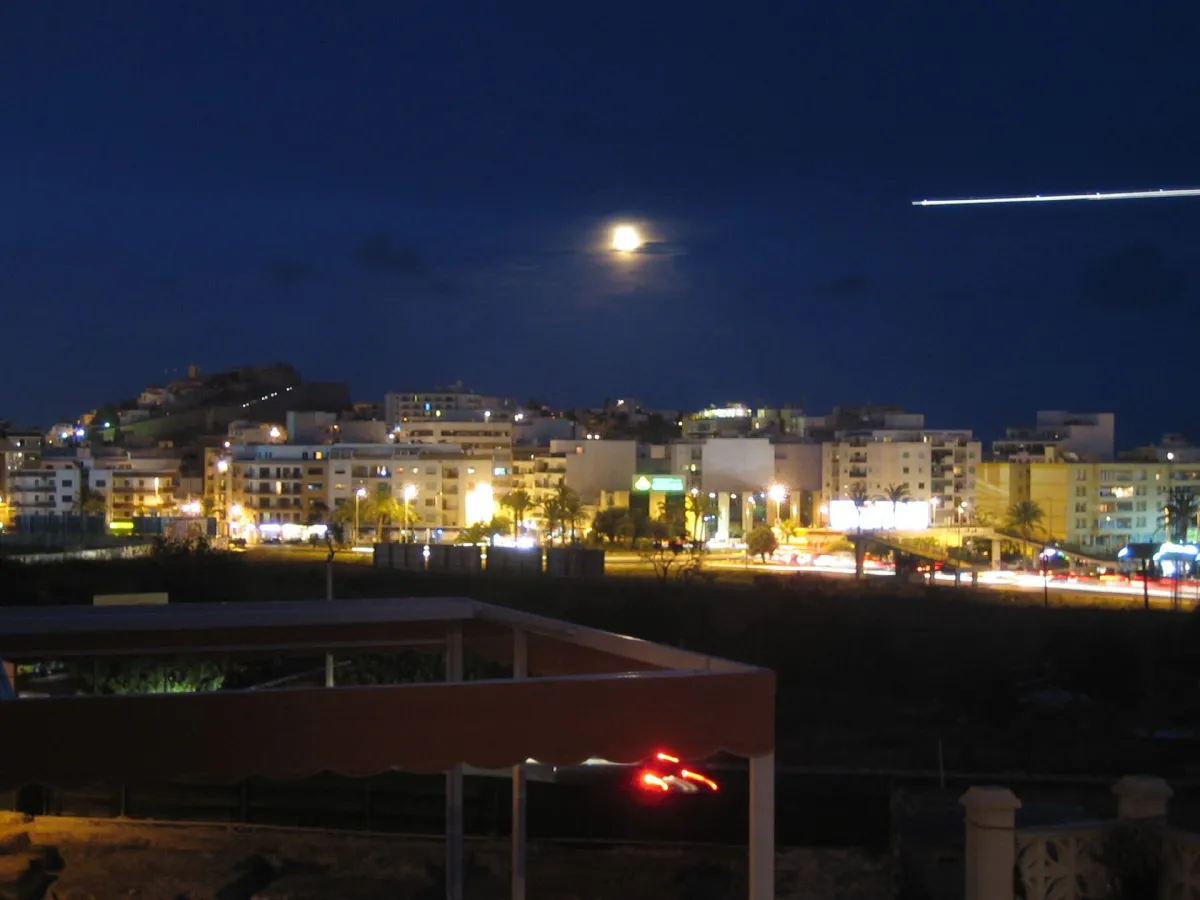
One of the world’s most iconic nightlife destinations. Ibiza blends legendary clubs, beachfront parties, sunset bars and electronic music events featuring world-famous DJs.
- San Antonio: Sunset bars and beach parties.
- Playa d’en Bossa: Biggest electronic music clubs.
- Ibiza Town: Stylish bars, restaurants and boutique clubs.
Mallorca
Mallorca has varied evening options, from Palma’s bars and performances to resort venues. Choose the actual area and programme rather than treating the whole island as one nightlife style.
Canary Islands
Tenerife, Gran Canaria, Lanzarote and Fuerteventura offer relaxed nightlife with coastal bars, music venues and open-air clubs. Climate allows nighttime beach life throughout the year.
Types of Nightlife Experiences in Spain
Tapas Nights
A classic Spanish evening starts with tapas. People move from bar to bar, having small plates and drinks. It is social, unpretentious and deeply rooted in Spanish culture.
Wine Bars
Wine is central to Spanish nightlife. Many bars offer local wines by the glass—Rioja, Ribera del Duero, Priorat, Albariño, Verdejo and more. Tasting flights are common in regions like Catalonia and Basque Country.
Cocktail Bars
Barcelona and Madrid have excellent mixology scenes, with creative cocktails, premium spirits and stylish bar designs.
Beach Clubs
Found mainly in Ibiza, Costa del Sol, Barcelona and the Balearics. Day parties turn into sunset dance sessions.
Flamenco Shows
Particularly in Seville, Granada and Cádiz. Authentic tablao venues offer powerful performances with live guitar and emotional singing.
Electronic Music Venues
Techno and house are popular in Barcelona, Madrid and Ibiza. Festivals like Sónar attract international artists and visitors.
Live Music Bars
Jazz, indie rock, blues and Spanish pop can be found in intimate venues in nearly every major city.
Nightlife Prices in Spain
Compare actual venue menus, current event tickets and the cost of the return journey for your dates.
Nightlife Etiquette & Safety Tips
- Dinner first: Most Spaniards eat before drinking.
- Arrive late: Bars fill up around 22:00–23:00.
- Belongings: Keep valuables secure and use the official visitor guidance for current safety advice.
- Water: Ask the venue what drinking water is available rather than assuming every bar has the same practice.
- Dress codes: Upscale clubs require smart casual.
For more safety advice and practical travel tips, visit Travel Essentials.
Build an Evening That Fits Your Group
Choose the type of evening before choosing the district. A seated flamenco performance, an early tapas meal, a concert and a club night require different timing and budgets. With children or an early departure, start with a performance's minimum age and finishing time. If someone needs a seat or step-free access, confirm the actual venue's arrangements instead of assuming the whole neighbourhood will be convenient.
For a first evening in Madrid, one neighbourhood can be enough. Combine a meal with a bar or live event within a manageable walk, and leave the option to finish early. In Barcelona, compare the journey back from a beachfront venue with a venue closer to your accommodation. In Seville, a booked performance gives the evening a fixed appointment, while a terrace meal remains more flexible.
Island nightlife needs a more specific plan than the name Ibiza or Mallorca. Events, venues and transport can be seasonal. Check the current programme and the property location before buying tickets, especially if the accommodation is outside the town where you will spend the evening. A daytime bus timetable does not establish that you can return after a late event.
Compare Tickets, Reservations and the Complete Bill
Read what a ticket actually includes. Entry, a reserved seat, a drink, dinner and a transfer are separate possibilities. Check the date, starting time, venue address, minimum age and any ID or clothing requirements. A promotional event listing does not establish that your preferred performer appears on every date. Use the organiser's current programme and keep the booking confirmation.
For dinner and drinks, compare the actual menu and any reservation conditions rather than relying on a national average. A terrace, a premium cocktail venue and a large electronic-music event can have very different costs. Ask about any minimum spend before taking a reserved table, and check cancellation or no-show charges before committing a group. Choose an evening that stays within your budget even if you need a taxi home.
Plan the Return and Look After Each Other
Save the accommodation address and a return route offline. Check the last train or useful night-bus service, including the final walk. Use licensed transport and the designated pickup area. If travelling with friends, agree where to meet if separated and make sure nobody depends on a phone with an empty battery. Keep bags closed and drinks attended; ask venue staff for help if something feels wrong.
For an immediate emergency, call 112. For everyday theft prevention and reporting options, use Spain's official visitor safety guidance. Respect residents near your venue and property: a lively entertainment district is also a place where people sleep and work. Keep late-night conversation quiet outside windows and arrange pickups without blocking entrances.
Flamenco and Live Music
The official flamenco guide can help you choose an area, then the actual venue should confirm its programme. A performance-focused evening can work without drinking or clubbing. Check photography rules before taking a camera; permission to enter a show does not establish permission to record it. For an option in Seville and other cultural ideas, see Things to Do.


