Is Greece Safe for Tourists?
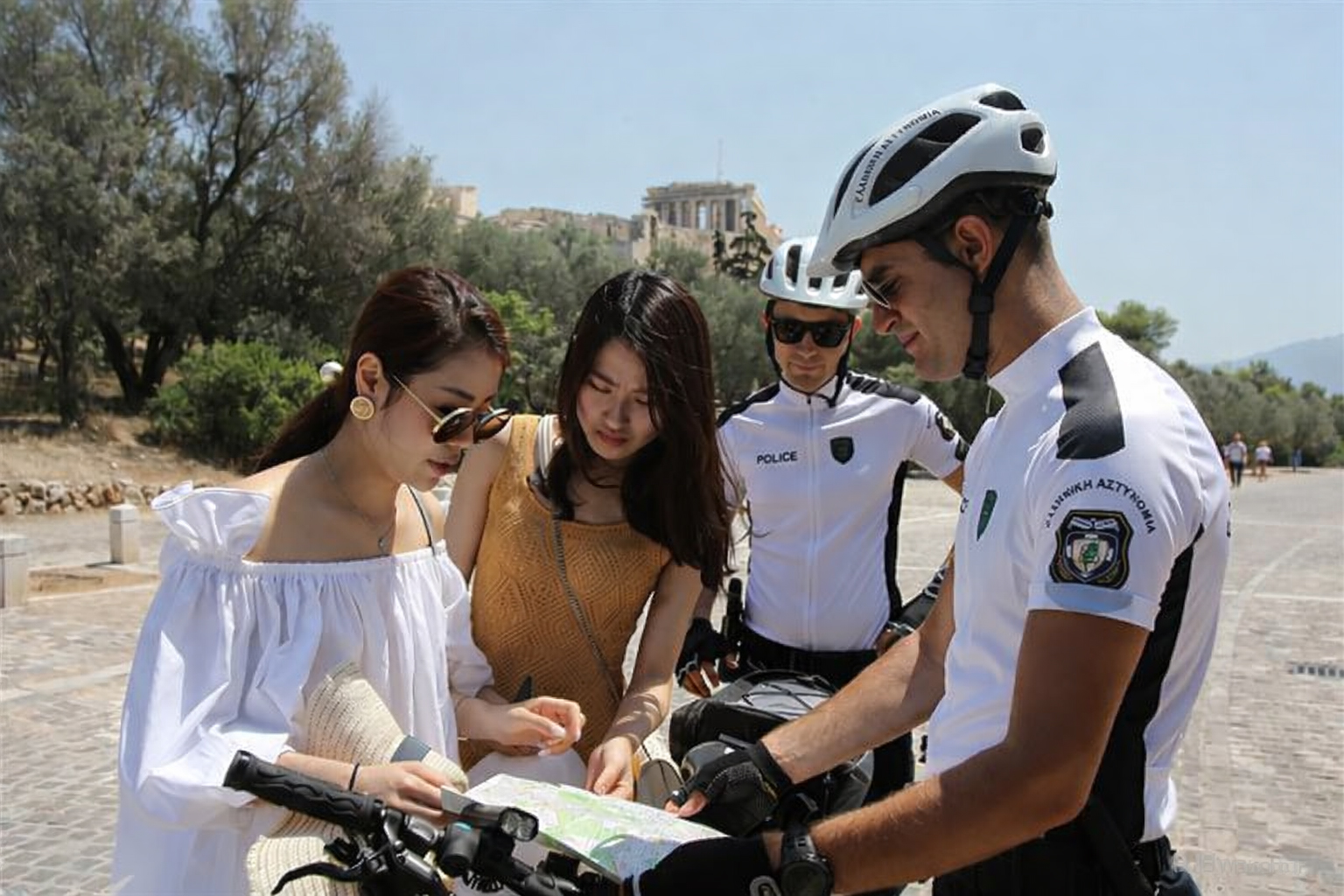
Greece is widely considered one of Europe’s safer travel destinations for visitors. Most trips are trouble-free, and serious incidents involving tourists are uncommon. Like anywhere, the key is knowing what to watch for—especially in crowded city areas, during extreme summer weather, and on the roads.
This guide focuses on practical, calm, “what you actually need to know” safety advice for Athens, Thessaloniki, and the Greek islands. For everyday trip planning tips (money, etiquette, drinking water, and seasonal travel), you can also read our Travel Tips for Greece.
The Big Picture: Overall Safety in Greece
- Low-risk for tourists: Violent crime affecting visitors is not common, and most travelers report feeling comfortable walking in tourist areas.
- Solo travel friendly: Greece is a popular choice for solo travelers, including women. Standard city precautions (especially around valuables and late-night transport) are usually enough.
- What matters most: Petty theft in busy places, summer heat, wildfire alerts, and road safety—particularly scooters/ATVs on islands.
Urban Safety in Athens & Thessaloniki
Big cities in Greece are generally safe, but the most common issue for tourists is pickpocketing in crowded transport and high-footfall areas.
Pickpocketing Hotspots & How to Avoid It
- Public transport: Be extra alert on metro and bus routes that serve tourist flows (including airport connections), and at busy stations.
- Crowded squares & markets: Places like central squares, shopping streets, and popular neighborhoods can attract opportunistic thieves.
- What works: Keep your phone and wallet out of back pockets, zip bags closed, wear backpacks in front on packed trains, and avoid placing valuables on café tables.
Areas to Be Cautious Late at Night
In Athens, it’s sensible to use extra caution in less-polished streets around major transit areas late at night (for example, the back streets around Omonia). In neighborhoods that sometimes see political demonstrations (such as parts of Exarcheia), avoid lingering if tensions are visible and follow local guidance.
Common Tourist Scams
- “Free” bracelets or gifts: Street sellers may try to place an item on your wrist and demand payment.
- Overpriced orders: In very touristy areas, always ask to see a menu with prices before ordering.
- ATM traps: Prefer bank ATMs and decline “dynamic currency conversion” when offered.
Natural & Environmental Safety
In Greece, the bigger risks for many travelers come from nature and weather rather than crime—especially during summer.
Heatwaves
- Plan sightseeing early or late, take shaded breaks midday, and drink water regularly.
- If you’re sensitive to heat, prioritize indoor museums during peak hours and use sunscreen, hats, and light clothing.
Wildfires
Summer wildfire risk can affect travel plans in forested areas and on some islands. Monitor official alerts, follow instructions immediately, and avoid hiking near active fire zones. Greece uses the 112 alert system, and official updates are often shared via @112Greece. If you are in immediate danger, call 112.
Sea Safety
- Sea urchins: On rocky beaches, wear water shoes to avoid painful injuries.
- Currents and winds: Pay attention to local flags and advice from lifeguards, especially on windy days.
- Ferry days: In rough seas, high-speed ferries may feel bumpy; pack motion-sickness medication if needed and keep an eye on schedule changes.
Earthquakes
Greece is in a seismically active region. Most quakes are minor, but it’s smart to know basic hotel safety: note emergency exits, keep shoes and a flashlight accessible, and follow local instructions if an event occurs.
Road Safety and Getting Around
Many visitors find that the highest day-to-day risk comes from traffic—especially if you plan to drive on unfamiliar roads, in busy city traffic, or on narrow island routes.
Driving Habits & Road Conditions
- Greek driving can feel fast-paced, and lane discipline may be different from what you’re used to.
- Mountain and island roads can be narrow, winding, and poorly lit at night—drive slower than you think you need to.
- If you are renting a car, review insurance and off-road restrictions carefully. For detailed advice, see our Car Rentals in Greece guide.
Scooter & Quad Bike Safety (Islands)
- Wear a helmet every time—accidents happen quickly on sandy, uneven, or narrow roads.
- Only rent scooters/ATVs if you have the correct license category and genuine experience. On some islands, license checks can be strict and fines can be significant.
- Avoid driving scooters at night on unlit roads and be cautious on steep descents.
If you’re planning inter-island travel, ports, ferries, and strike disruptions are covered in our Greece Transportation Guide.
Nightlife Safety
- Drink awareness: Drink spiking is rare but possible in crowded nightlife zones. Don’t leave drinks unattended and prefer sealed bottles or bartender-poured drinks.
- Getting home: Use licensed taxis or reputable apps, travel with friends when possible, and avoid isolated streets late at night.
- Respectful behavior: Excessive public intoxication and disruptive behavior—especially near religious or family areas—can lead to problems.
Health, Emergencies, and Helpful Services
Greece has good medical care in cities and a strong pharmacy network. For many minor issues (sunburn, stomach upset, simple first aid), a local pharmacist can be extremely helpful.
Emergency Numbers (Save These)
| Service | Number |
|---|---|
| European emergency line | 112 |
| Police | 100 |
| Ambulance (EKAB) | 166 |
| Fire service | 199 |
| Tourist Police (help for visitors) | 171 |
Tourist Police can be especially useful for travelers who need guidance or help with tourist-related incidents.
Tap Water
Tap water is generally safe in Athens and many mainland areas. On some islands, bottled water is the better option—especially in smaller villages. If you want to plan around heat and conditions, see our Greece Weather page.
Frequently Asked Questions
Is Greece safe for solo female travelers?
Greece is commonly seen as a comfortable destination for solo travelers. The biggest practical concern is petty theft in crowded areas, so keep valuables secure and choose well-lit routes at night.
Is Athens safe at night?
Tourist areas in central Athens are usually lively and fine at night, but use extra caution in less-polished streets around major transit zones. Take licensed taxis or reputable apps late at night.
Is it safe to rent a scooter or ATV on Greek islands?
It can be safe if you are experienced, wear a helmet, and have the correct license category. Many accidents involve inexperienced riders on narrow or steep roads, especially after dark.
Do I need a visa to visit Greece?
Greece is part of the Schengen Area, and visa requirements depend on your nationality and trip length. Check our Visa & Entry Requirements for Greece guide for a clear overview.