Beaches in Greece
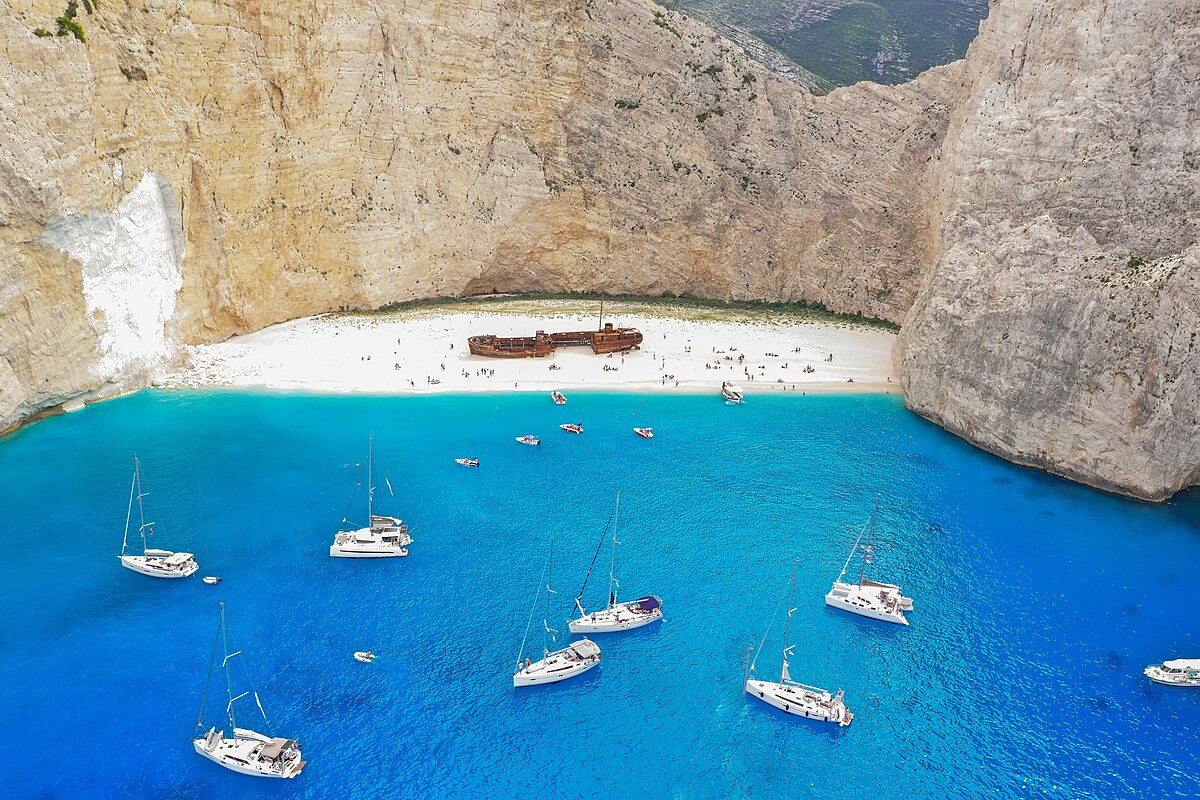
Greece is famous for beaches that feel remarkably different from one region to the next—iconic island shorelines, quiet coves, scenic pebbled bays, and long stretches of sand on the mainland. Whether your ideal day is swimming in crystal-clear water, exploring coastal towns, or simply slowing down by the sea, Greece offers beach experiences that fit almost every travel style.
This page helps you understand what makes Greek beaches so special, what types of beaches you can expect, and how to choose the right beach destinations for your trip. If you want to build a complete itinerary beyond the coast, continue with our Things to Do in Greece and the broader Greece Travel Guide.
Why Greece Is Famous for Its Beaches
Greece’s beach appeal comes from variety. The country has an extensive coastline and countless islands, creating a mix of seaside landscapes—from wide sandy shores to dramatic volcanic beaches and sheltered coves. Many popular beach areas also combine easy access with beautiful settings, so you can pair beach time with sightseeing, food experiences, and scenic drives.
Another reason Greece stands out is how different the beach “feel” can be depending on where you travel. Some areas are lively and social, while others are quiet and nature-focused. You can choose organized beaches with facilities and easy logistics, or aim for more secluded spots where the landscape is the main attraction.
Types of Beaches in Greece
Not every Greek beach looks the same. Knowing the most common beach types helps you choose destinations that match your comfort level, travel pace, and expectations.
- Sandy beaches – Ideal for long, relaxed beach days, easy swimming, and families. Sandy shores are common in many popular coastal areas and larger islands.
- Pebble and rocky beaches – Often paired with very clear water and scenic views. These beaches can be comfortable with appropriate footwear and tend to be popular for swimming.
- Organized beaches – Easy, convenient beach days with nearby services. These are a good choice if you prefer predictable logistics and comfort.
- Secluded and natural beaches – Quieter beaches that feel more remote. They can be incredibly rewarding, but may require planning around access and supplies.
- Family-friendly beaches – Often with calmer waters and easier access. These are great for travelers who want relaxed swimming and straightforward beach days.
Beach Destinations in Greece
Greece offers beaches across both the mainland and the islands. If you are choosing where to base your trip, consider what type of beach experience you want—lively beach scenes, scenic bays, quiet nature, or beaches that are easy to pair with city travel and sightseeing.
- Athens Riviera – A practical option if you want beach time without leaving the capital region. It can work well for short trips or as a beach break between cultural sightseeing days.
- Santorini – Known for dramatic scenery and distinctive coastal landscapes. Beach time here often comes with iconic views and a slower pace focused on atmosphere.
- Crete – One of the best choices for variety. Crete offers long beaches, smaller coves, and a mix of coastal areas that can suit both relaxed travelers and active explorers.
- Mykonos – A popular destination for lively beach scenes and social beach culture. If nightlife and beach energy matter to you, it’s a strong option.
- Rhodes – A good match for travelers who want beaches alongside historic areas and family-friendly travel. It often appeals to those seeking a balanced trip.
Detailed city and island guides are added gradually as new destinations are covered. For a broader overview of where to go and how different regions compare, continue with: Top Destinations in Greece.
Best Time for a Beach Holiday in Greece
Greece is strongly seasonal for beach travel. Summer is the peak period for island life and classic beach days, while late spring and early autumn can feel more comfortable for travelers who want good weather with fewer crowds. If you are planning a trip around swimming, sunbathing, and boat days, choosing your timing carefully can improve the overall experience.
For planning your ideal season, you may find these guides helpful: Best Time to Visit Greece and Greece Weather.
Beach Activities & Experiences
A beach trip in Greece is not only about relaxing by the water. Many travelers build their beach days around experiences that help them explore the coastline in a more active way. Depending on where you travel, you can mix calm swimming days with boat trips, scenic walks, and local coastal culture.
- Swimming and easy beach days – Many Greek beaches are ideal for simple, relaxing routines: morning swims, long lunches, and slow afternoons by the sea.
- Boat trips and coastal viewpoints – Coastal travel often feels best when you include time on the water, whether you prefer short boat rides or full-day trips.
- Snorkeling and exploring clear-water bays – Pebble beaches and sheltered coves can be great for calm swimming and underwater visibility.
- Coastal walks – Many regions offer scenic walking routes along cliffs, bays, and seaside towns, creating a more varied beach itinerary.
Practical Tips for Visiting Beaches in Greece
A little planning goes a long way for beach travel in Greece. Beaches range from highly convenient and organized to remote and nature-focused, so it helps to match your expectations to the reality of access and services.
- Choose the beach style that fits your trip – If you want an easy beach day, prioritize areas that are straightforward to reach. If you want quieter natural beaches, plan supplies and timing in advance.
- Pack for comfort – Footwear can be useful for pebble and rocky beaches. Sun protection is essential, especially on full-day beach itineraries.
- Plan around crowds – Popular beaches can be busiest in the middle of the day. Visiting earlier can lead to a calmer, more enjoyable experience.
- Use flexible transport planning – If your trip involves multiple regions or islands, allow extra time and avoid overly tight schedules so beach days stay relaxing.
- Keep safety basics in mind – Follow local guidance, avoid risky conditions, and treat the sea with respect, especially in windy weather or unfamiliar coastal areas.
For general planning guidance, you may also find these pages useful: Is Greece Safe? and Getting there.
Continue Planning Your Greece Beach Trip
This page is part of our broader Greece Travel Guide. To keep planning, explore the country’s best highlights and experiences with: Top Destinations in Greece and Things to Do in Greece.