
TÜRKİYE · COUNTRY GUIDE
Turkish Food & Drink: Regional Dishes and Dining Choices
Turkish cuisine is far more regional and varied than the short list of dishes most visitors know before arriving. Olive-oil vegetables, seafood, grilled meats, breads, dumplings, soups, pastries, sweets and fermented foods all appear in different combinations across the country.
Turkish Breakfast
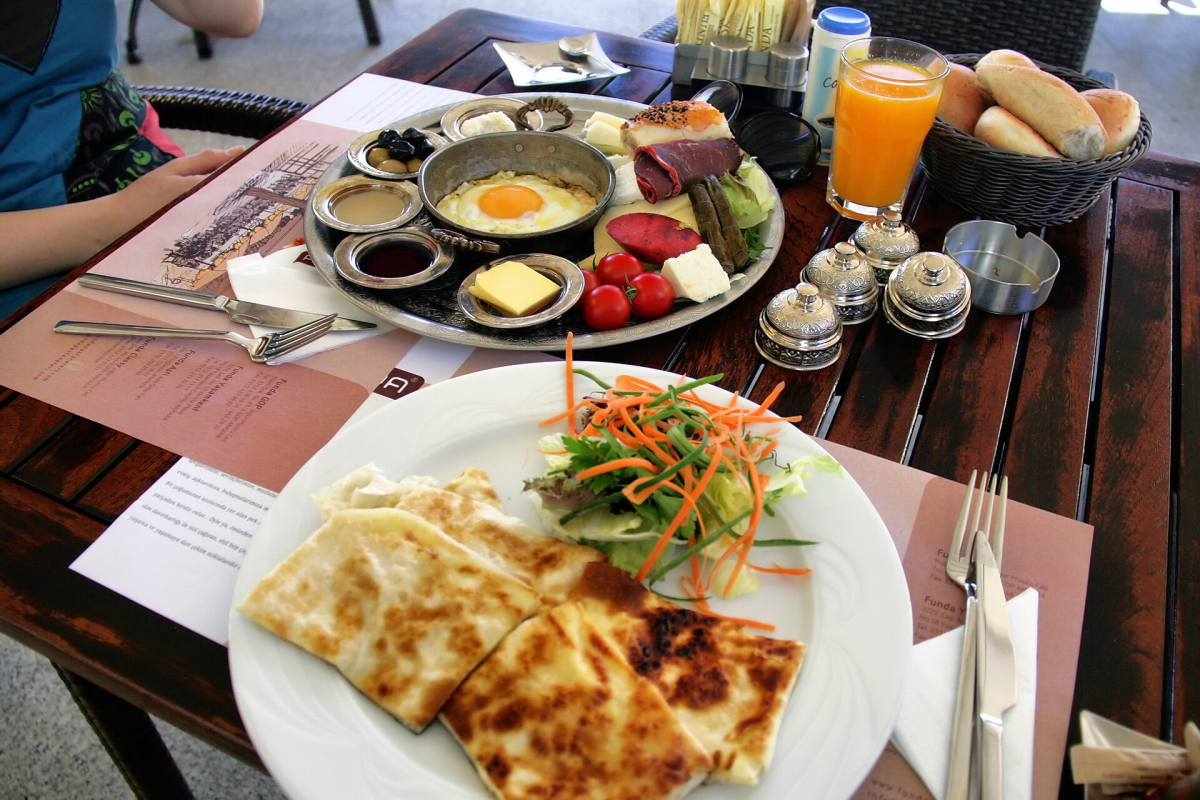
A traditional breakfast may include cheese, olives, tomatoes, cucumbers, eggs, bread, jams, honey, butter and tea. Larger spreads can add pastries, sausage, menemen and regional specialties. Breakfast is often a social meal rather than a quick start to the day.
Meze
Meze are small dishes served as starters or as the center of a shared meal. Common examples include yogurt-based dishes, eggplant preparations, beans, seafood, herbs and vegetables in olive oil.
Kebabs and Grilled Meat
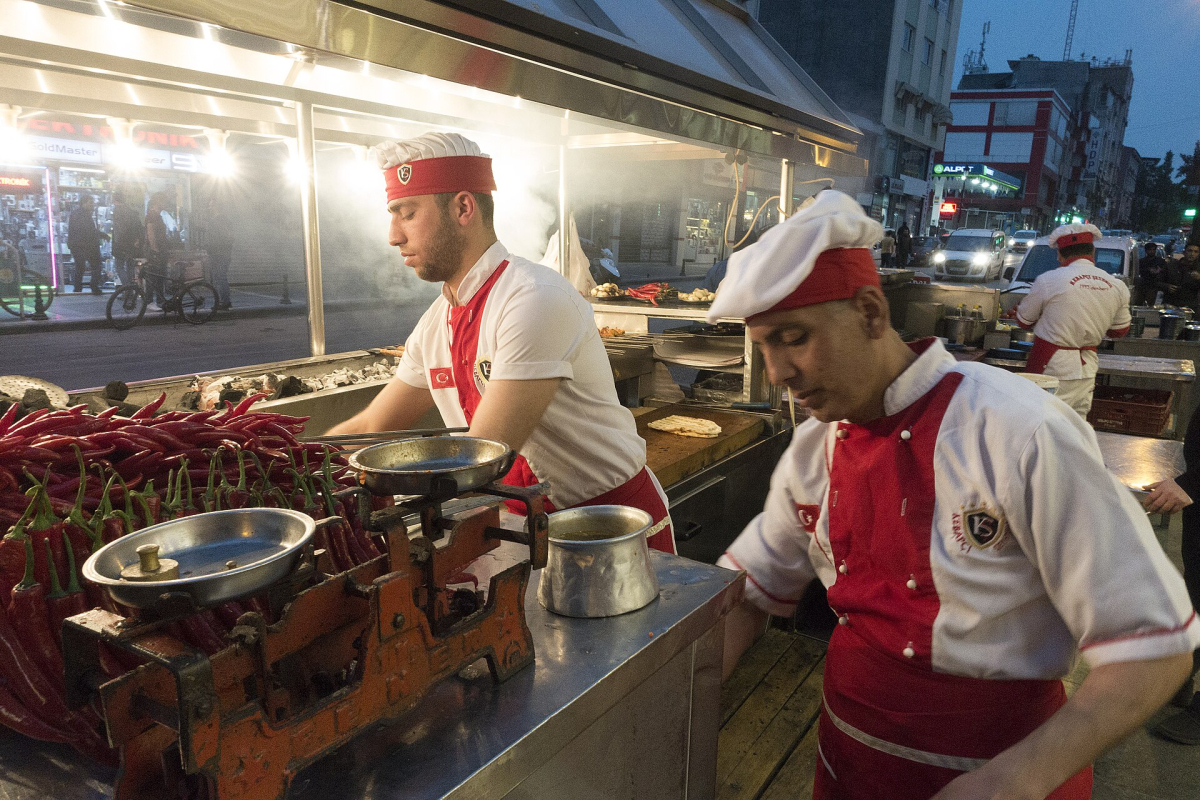
Kebab is a broad category rather than a single dish. Styles differ by region, particularly in southeastern Turkey. Adana and Urfa kebabs are among the best known, while döner, köfte and grilled lamb appear throughout the country.
Pide and Lahmacun
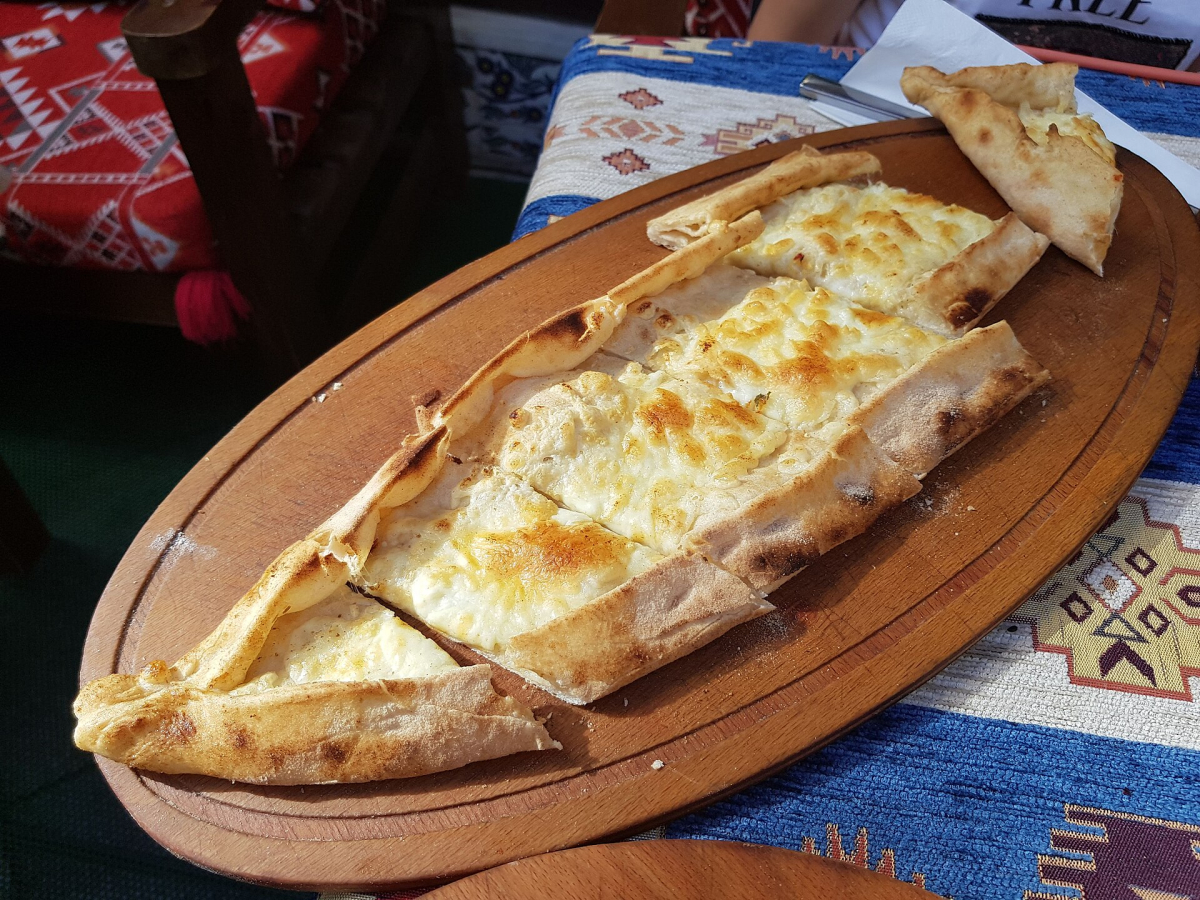
Pide is a baked flatbread with toppings such as cheese, meat or vegetables. Lahmacun is thinner and usually topped with a seasoned minced-meat mixture. Both are common casual meals.
Mantı
Mantı are small dumplings typically served with yogurt and seasoned butter or sauce. Kayseri is especially associated with the dish.
Seafood
Coastal cities and Istanbul have strong seafood traditions. Freshness, season and local fishing patterns matter, so ask what is currently available rather than ordering only from a fixed checklist.
Aegean Cuisine
The Aegean region is strongly associated with olive oil, herbs and vegetable dishes. Markets around Izmir and the western coast are especially good places to see seasonal produce and local greens.
Southeastern Flavors
Gaziantep, Şanlıurfa and neighboring areas are known for intense flavors, grilled meats, spices, pistachios and regional sweets. Food-focused travelers often treat this part of Turkey as a destination in its own right.
Desserts
Baklava is the most internationally famous, but Turkish desserts also include künefe, lokma, sütlaç and many regional specialties. Turkish delight, or lokum, ranges from simple traditional versions to elaborate nut-filled varieties.
Turkish Tea
Tea is part of daily social life and is commonly served in small tulip-shaped glasses. It appears in cafes, homes, shops and business conversations.
Turkish Coffee
Turkish coffee is prepared unfiltered and served in a small cup. Let the grounds settle before drinking. It is less about volume and more about ritual and conversation.
Ayran
Ayran is a cold yogurt-based drink, commonly served with grilled foods and casual meals.
Alcohol
Alcohol is available in many restaurants, bars and hotels, although availability varies by area and venue. Rakı, an anise-flavored spirit traditionally served with water and food, is closely associated with long shared meals and meze.
Street Food
Popular choices include simit, roasted chestnuts, corn, fish sandwiches, döner, stuffed mussels and local snacks. Choose busy vendors with good food turnover and sensible hygiene practices.
Vegetarian and Vegan Travel
Vegetarians can find many vegetable, lentil, bean, eggplant and olive-oil dishes, particularly in meze restaurants. Vegans should ask about yogurt, butter and meat stock, which may be used even when a dish appears vegetable-based.
Soups
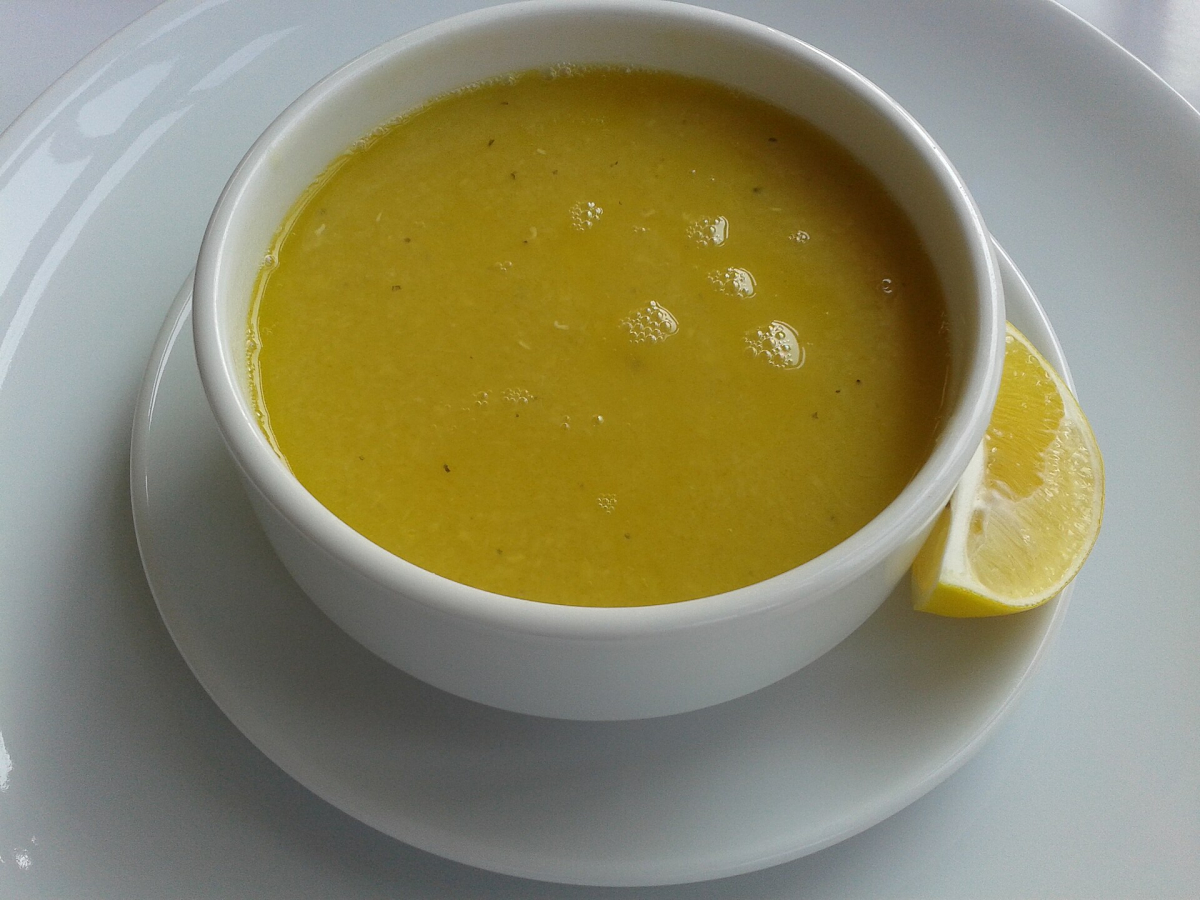
Soup is a significant part of Turkish everyday eating. Lentil soup is widely available, while regional soups may use yogurt, grains, legumes, tripe or meat. A simple soup with bread can be an inexpensive and satisfying meal.
Vegetable Dishes
Vegetables are central to many home-style meals. Look for stuffed peppers and vine leaves, eggplant dishes, beans, zucchini, greens and olive-oil preparations. Small lokanta-style restaurants can be excellent places to sample several dishes at once.
Regional Cheese and Dairy
Cheeses vary considerably across the country and are an important part of breakfast. Yogurt is used both as a side and as an ingredient in sauces, soups and drinks.
How to Order
In casual restaurants, pointing to prepared dishes is often perfectly normal. In seafood restaurants, ask about pricing if fish is sold by weight. In meze restaurants, clarify whether dishes are ordered individually or selected from a display.
Food Allergies
Travelers with serious allergies should learn the Turkish name for the relevant ingredient and carry a written explanation. Nuts, dairy, sesame and gluten can appear in dishes that are not obvious from an English menu.
Food as Part of Your Trip
Combine markets and restaurants with the experiences in Things to Do in Turkey. For edible souvenirs and market shopping, see Shopping in Turkey.
Choose the Kind of Meal before the Dish
A useful food day in Türkiye includes different settings rather than a succession of famous dishes. Start with a simple bakery or café breakfast if a large spread would slow the morning. Use a lokanta for prepared home-style dishes, a specialist pide restaurant for a casual lunch, or a meyhane when a shared table and a longer evening are the aim. A fish restaurant requires another decision: how the fish is priced and what else is added to the bill.
| Setting | Useful choice | Check |
|---|---|---|
| Breakfast café | Individual items or a shared spread | Number of diners covered, extra eggs and refill charges |
| Lokanta | Prepared vegetable, pulse or meat dishes | Ingredients, stock and portion size |
| Pide specialist | A named topping and fresh-baked bread | Whether the topping includes meat, egg or dairy |
| Meyhane | Meze and a slower shared meal | À la carte or set menu; drinks and service |
| Seafood restaurant | A seasonal selection you can identify | Per fish, portion or weight; cooking charge |
Regional Eating without Turning the Trip into a List
In the Aegean, look beyond grilled meat to olive-oil vegetables, greens and market produce. Around the Black Sea, local seafood and corn-based dishes point toward a different environment and agricultural tradition. In central Anatolia, a dish such as mantı can be a useful reason to choose a specialist kitchen. In the southeast, pistachio sweets and regional grills deserve attention, but a food destination still needs a suitable route and a current regional travel-advice check.
Istanbul brings together food from many parts of the country. That makes it useful for a first introduction, but the presence of a regional dish on a tourist menu does not establish that every version tastes or is prepared the same way. Ask the venue what it specialises in. A short menu and clear explanation can be more informative than a long list of internationally familiar choices.
Ordering a Shared Table
Ask how many people a breakfast or meze selection is designed to serve. Start with a few dishes and add more if necessary. Check whether bread, water and service are charged separately; this is easier before ordering than after the bill arrives. In a prepared-food restaurant, pointing to a dish is often useful, but still establish its name, ingredients and price. For seafood sold by weight, clarify the portion and total before it is cooked.
For Turkish coffee, the grounds remain in the cup; let them settle and stop before reaching them. Ask about sweetness when ordering if the venue prepares it during brewing. Tea is often offered as a social gesture, but you can decline politely. Do not infer that a drink is complimentary simply because it arrived without an explicit request. Ask when unsure.
Vegetarian, Vegan and Allergy Needs
A vegetable-based appearance does not settle the ingredients. Butter, yogurt, egg, meat stock or a meat filling can occur in a dish that otherwise looks suitable. Explain your requirements clearly and ask about the exact preparation. For vegan travel, distinguish a dish made with olive oil from a version finished with dairy. Cheese and yogurt are significant parts of ordinary meals, so a simple “no meat” request is not enough.
For a serious allergy, carry a professionally checked written explanation and follow your clinician's advice about emergency medication. Ask about shared preparation and cross-contact as well as the named ingredients. Nuts, sesame, dairy and wheat can occur in breads, sauces and desserts. If staff cannot give a reliable answer, choose another meal rather than relying on a photograph or an automatic translation of a menu.
Street Food and Markets
Choose vendors with sensible handling and storage, and be cautious with food that has been exposed to heat or left unrefrigerated. A busy stall may have good turnover, but popularity alone is not a hygiene certification. Wash or clean your hands before eating and use safe drinking water. If you become unwell, seek appropriate medical advice rather than treating a food recommendation as health guidance.
At a market, ask the unit price and decide what you can carry safely for the rest of the day. A warm sightseeing afternoon is not the best setting for a large purchase of perishable dairy. For food gifts, keep labelled packaging and check your home country's customs rules. Shopping covers purchase and export decisions; this guide focuses on what and how to eat.
When to Book a Food Experience
A cooking class can help explain techniques that a restaurant meal cannot show. Read which dishes are included, whether the class is hands-on and whether dietary substitutions are possible. A guided food walk can be useful for navigating a neighbourhood, provided the route, language and inclusions are stated. Neither replaces ordinary meals. Leave time to revisit a place or simply sit with tea instead of turning each stop into another booking.

.jpg)


