TÜRKİYE · COUNTRY GUIDE
Turkey Health & Safety: Regional Advice and Practical Preparation
Official advisory check: 14 October 2026. This is a general planning guide. Recheck the linked official advice before booking and departure, as conditions and affected areas can change.
Check Your Route Against Regional Warnings
The UK Foreign, Commonwealth & Development Office advises against all travel within 10 km of the Syrian border. The U.S. Department of State advises increased caution nationally and says not to travel within 10 km of the borders with Syria or Iraq. These are different national advisories; read the full guidance that applies to you rather than treating one country-wide label as a description of every destination.
Canadian visitors can consult Canada’s Türkiye travel advice. Check your insurer’s conditions for the exact route and activities you plan, especially where official advice discourages travel.
Millions of travelers visit Turkey for city breaks, cultural trips and beach holidays, but safety conditions are not identical across the country. Most tourism itineraries focus on major cities, established archaeological areas and coastal resorts, while some border regions and areas affected by local security concerns may require different precautions.
Travelers should combine ordinary personal-safety habits with current official travel advice from their own government.
General Tourist Safety
In major tourism areas, the most common problems are usually the same ones encountered in other busy destinations: pickpocketing, overcharging, taxi disputes, aggressive selling and occasional scams. Keep valuables secure in crowded areas and avoid carrying large amounts of cash.
Scams and Overcharging
Be cautious with unsolicited invitations, unclear restaurant pricing, unofficial guides and offers that seem designed to move you quickly into a purchase. Ask to see prices before ordering and use reputable businesses for tours and transfers.
Taxi Safety
Use official taxis and established transport services. Confirm that the meter is used where required and check the route on a map for longer journeys. Airport transfers should be booked through reputable providers.
Road Safety
Driving conditions vary. Large cities can have dense, assertive traffic, while rural roads may be narrow or poorly lit. If you rent a car, avoid unnecessary night driving in unfamiliar mountain or rural areas.
See Car Rentals in Turkey for road-trip advice.
Earthquakes and Natural Hazards
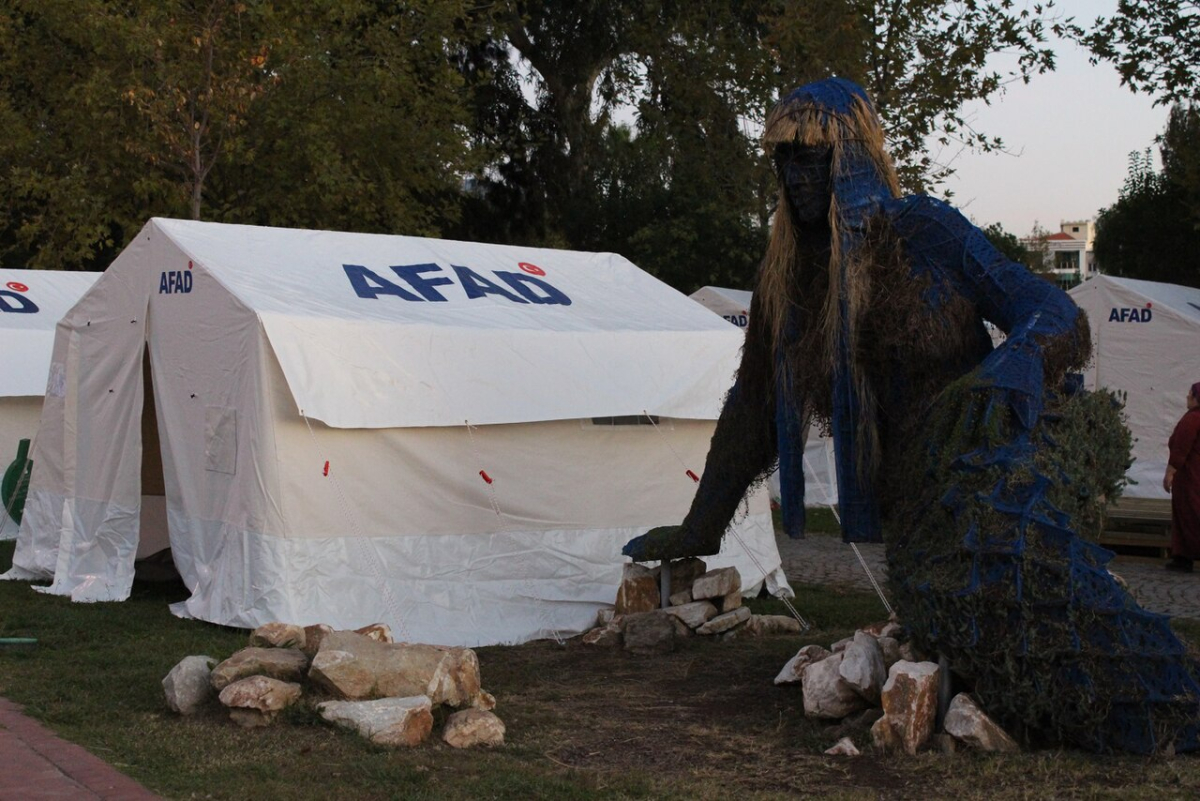
Turkey is seismically active. Check emergency guidance from AFAD, Türkiye’s disaster and emergency authority, know your accommodation’s emergency procedures and follow local authority instructions.
Wildfires can also affect Mediterranean and Aegean areas during hot, dry periods, while winter weather can disrupt mountain and inland travel.
Solo Travelers
Solo travel is common in major destinations. Standard precautions apply: keep someone informed of your plans, use reputable accommodation and transport, and avoid isolated areas late at night when unfamiliar with the surroundings.
Women Travelers
Women travel independently throughout Turkey, but unwanted attention or persistent approaches can occur. Choosing well-reviewed accommodation, using trusted transport at night and setting clear boundaries are sensible precautions.
LGBTQ+ Travelers
Social attitudes vary by location, and public acceptance may differ from that in some Western European cities. Read the FCDO safety and security guidance, including its LGBT+ travel section, and advice from your own government before departure.
Nightlife Safety
Keep control of your drink, use trusted transport and avoid displaying large amounts of cash. If a bill seems unusually high, ask for an itemized explanation before paying.
Health and Medical Assistance
Travel insurance is strongly advisable, especially if your trip includes adventure activities, driving or remote areas. Know what your policy covers and keep the insurer’s emergency number accessible.
Emergency Number
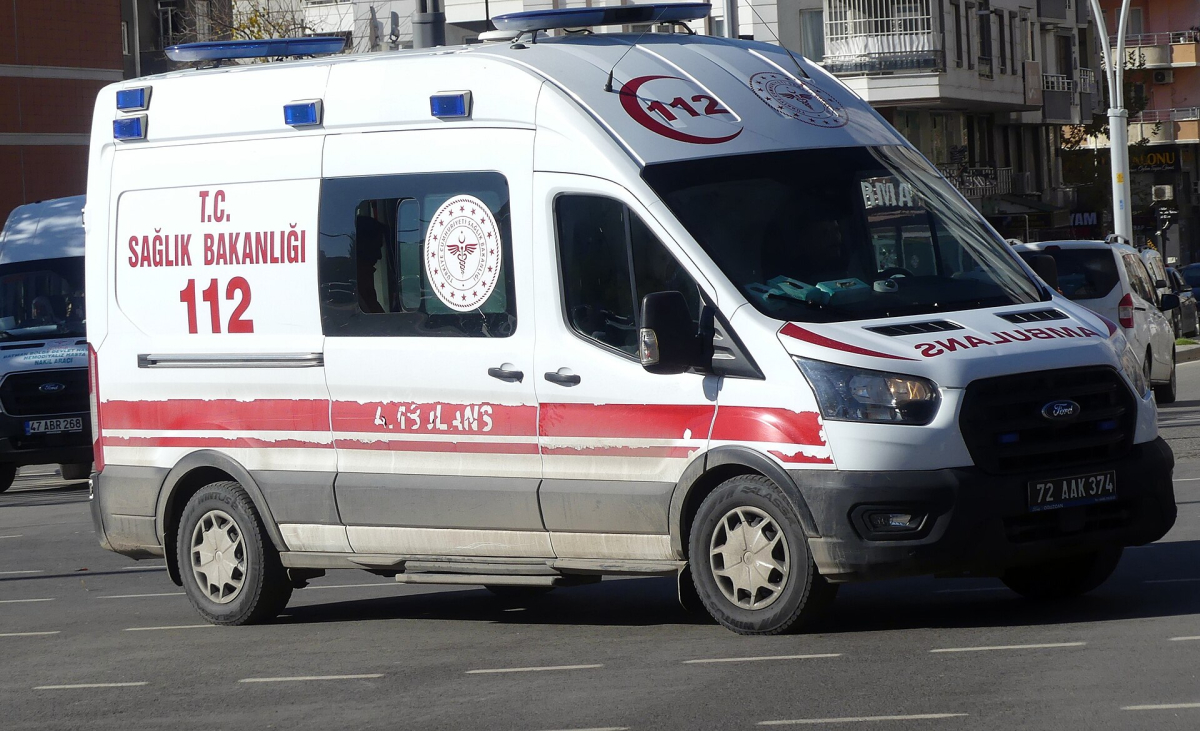
The integrated emergency number is 112. In an emergency, follow instructions from local authorities and your accommodation provider.
Official Travel Advice
Security conditions can change faster than general travel guides. Before departure, check the official travel advisory published by your own government, especially if your itinerary includes remote border areas or regions outside the main tourism circuit.
Crowded Places
Markets, transport hubs and major attractions are the places where ordinary theft risk is most likely to increase. Keep bags closed, avoid placing phones loosely on café tables beside busy streets and use hotel safes for documents you do not need during the day.
Demonstrations and Large Gatherings
Public demonstrations can occur in major cities. Travelers should avoid crowds that are becoming tense, follow local police instructions and allow extra time if transport routes are diverted.
Adventure Activities
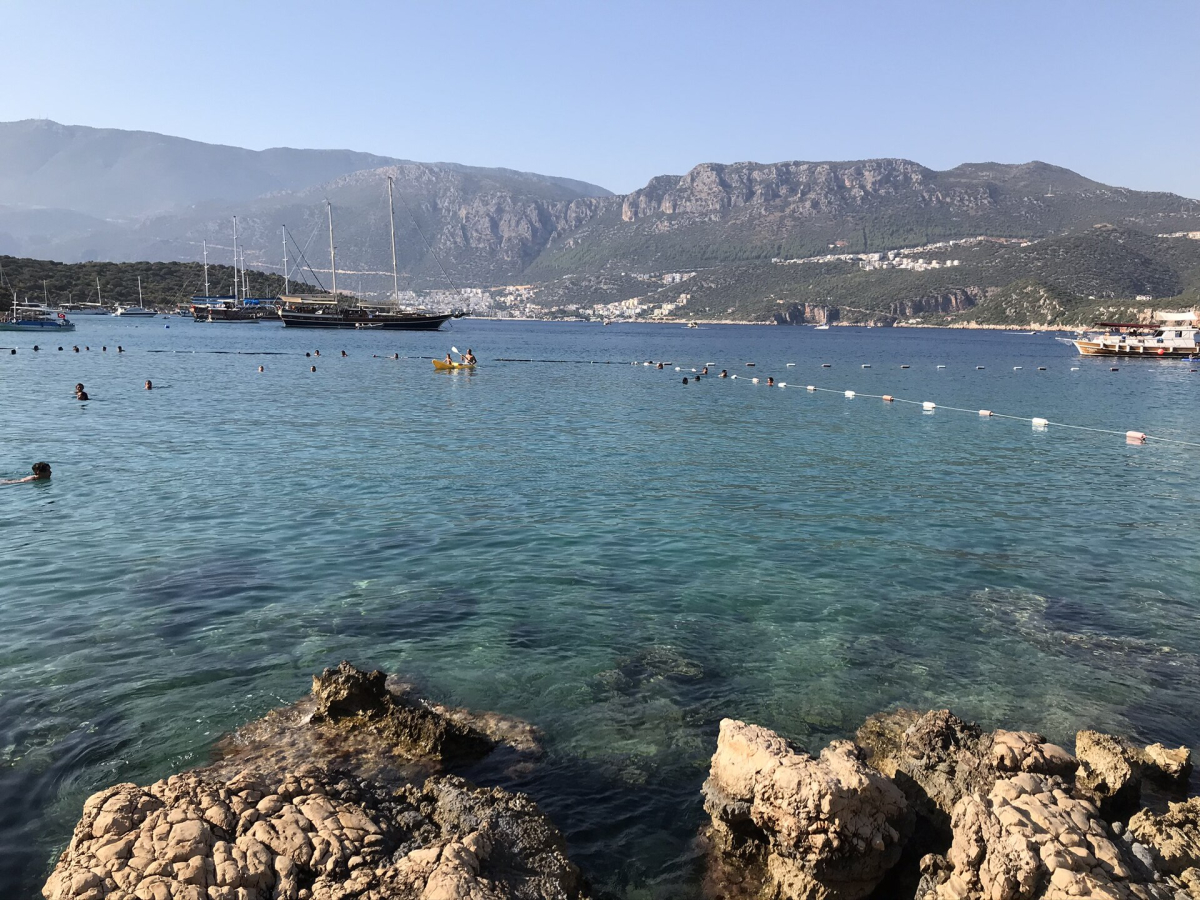
Paragliding, diving, hiking and ballooning are popular, but provider standards matter. Choose established operators, follow safety briefings and make sure your travel insurance covers the activity.
Heat and Sun
Summer heat can cause serious problems, especially at archaeological sites with little shade. Carry water, use sun protection and move strenuous sightseeing to morning or late afternoon.
Winter and Mountain Travel
Snow, ice and reduced visibility can affect inland and mountain routes. Check local weather and road information before long drives and avoid taking navigation shortcuts onto minor roads in poor conditions.
Travel Smart
For money, SIM cards, common scams and everyday practical advice, read Turkey Travel Tips. For transport planning, use the Turkey Transportation Guide.
Build an Action Plan for Your Actual Route
| Situation | Before leaving | If plans change |
|---|---|---|
| City crowds | Keep essential belongings secure and choose an agreed meeting point | Leave a tense gathering and follow local instructions |
| Coastal activities | Check operator safety arrangements and insurance coverage | Respect closures, flags and weather cancellations |
| Mountain travel | Carry navigation, water and a confirmed return plan | Turn back when weather or access deteriorates |
| Medical problem | Save insurance assistance details and relevant medical information | Call 112 for an emergency; contact the insurer when practical |
| Natural hazard | Know the accommodation's evacuation instructions | Use official alerts and instructions rather than rumours |
Medical Preparation without Guessing Treatment
Discuss medicines, vaccinations and personal health needs with a qualified clinician before departure. Carry essential medication in its original packaging and check entry rules for controlled items. Keep a written list of active ingredients, because brand names can differ. A pharmacy can assist with ordinary questions, but an online travel guide cannot diagnose illness or establish that a particular medicine is safe for you.
For urgent care, contact 112 and follow the instructions you receive. Tell the dispatcher your location, the problem and a reachable number. For non-emergency care, ask the insurer which provider and authorization process apply. Keep receipts and clinical documentation where available. Check the policy's activity exclusions before a balloon flight, dive, paraglide or remote trek; paying for a tour does not establish that your insurance covers it.
Earthquake and Fire Readiness
On arrival, identify the accommodation's evacuation route and ask how guests receive emergency information. Follow current guidance from AFAD and local authorities. Keep shoes, a light and essential medication accessible, and agree how your party will communicate if separated. Avoid turning a generic emergency checklist into a claim that a particular building has been certified safe.
In coastal forests, check seasonal restrictions before walking or camping. Do not light a fire or discard cigarettes. If an area is closed, choose another activity rather than looking for an unofficial access path. During severe rain, local roads and river crossings can become unsafe even when the route appeared straightforward the day before. Keep a flexible overnight alternative for mountain journeys.
Protect Documents and Know Who Can Help
Carry the identification required under local rules and keep copies separately. A copy is useful after loss, but it is not automatically a replacement for the original. Contact your own embassy or consulate for a lost passport and the police where a report is needed. The airline, hotel and insurer have separate roles; record the reference numbers for each case.
Use our Useful Contacts section to choose the relevant service. Check the FCDO regional advice and the U.S. advisory again before departure. A travel guide cannot guarantee personal safety or future local conditions.