Best Time to Visit Portugal: Weather, Seasons and Regional Choices
The best time to visit Portugal depends on the trip you want: a Lisbon and Porto city route, an Algarve beach stay, walking in the northern mountains, Madeira trails or an Azores island holiday. A national average cannot answer all of those questions. Coastal wind, inland heat, elevation, daylight and seasonal transport matter alongside the calendar. Start with your region and main activity, then compare the conditions that could make it difficult. This page brings the former Portugal Weather and Best Time to Visit material together in one planning guide. The suggestions below are editorial seasonal comparisons, not weather promises. For forecasts and warnings, use Portugal’s official meteorological service, IPMA, close to departure and during the trip.
The quickest choice: match the season to your activity
For a first mainland trip focused on walking through Lisbon, Porto and historic towns, compare spring and autumn before assuming the busiest summer weeks are best. These periods can offer a useful balance of daylight and outdoor comfort, although rain remains possible. For a holiday built around swimming and beach services, the summer season is more relevant, but the specific shore still matters. For mountain walking, choose the actual elevation and trail rather than applying a city forecast. For Madeira or the Azores, make an island-specific plan. A sunny mainland forecast does not establish conditions across an Atlantic archipelago.
March to May: mainland cities and changing landscapes
Spring suits a route where culture, food and ordinary town life matter as much as beach time. Longer daylight gives you more flexibility than a winter itinerary, while gardens and rural landscapes can add variety between city days. Prepare for mixed conditions: a light waterproof layer and suitable footwear are more useful than packing only for warm afternoons. In Lisbon, reserve a flexible day for Sintra rather than locking every outdoor plan to one morning. In the north, protect an indoor alternative. Easter and other holiday periods can raise demand even when the wider season seems quieter; compare your exact dates.
June to August: beach demand, heat and earlier starts
Summer makes sense when beach time is the main purpose of the trip, but it changes how you should plan sightseeing. In inland Alentejo and other exposed areas, move the most demanding walking to a suitable cooler part of the day and leave time for shade and rest. An attractive square or castle approach can feel very different under strong sun. Coastal wind can make an Atlantic beach cooler than a nearby town, without removing the need for sun protection. Reserve accommodation for actual dates and check room cooling, noise and cancellation conditions. A seasonal average is not a reason to ignore an IPMA heat or fire warning.
September to October: coastal stays and wine-country routes
Early autumn can work well for a mixed mainland itinerary, combining city visits with a coastal base or a Douro stay. It is still necessary to check the daily forecast and the operating season of the service you want. A beach restaurant, boat departure or remote bus route may not keep the same schedule as in August. Wine-country scenery can be appealing, but harvest activities and winery visits require a specific appointment; being in the Douro does not guarantee access to a working vineyard. Build the route around the confirmed experience, and leave a simpler outdoor alternative if weather makes the original plan unsuitable.
November to February: culture, shorter days and regional differences
A winter city trip can focus on museums, meals and shorter neighbourhood walks, with more room for weather changes. Rain and wind may affect a northern or Atlantic coastal route, and daylight limits ambitious outdoor days. Inland and elevated areas can be colder than a seaside city; mountain snow is a separate planning condition rather than an attraction you can assume will be available. Check heating in the accommodation and the return journey after an evening event. The Algarve can support a quieter town-based stay, but do not book a winter beach holiday on the assumption that all summer facilities or swimming conditions will continue.
Porto and the North: allow for rain and varied terrain
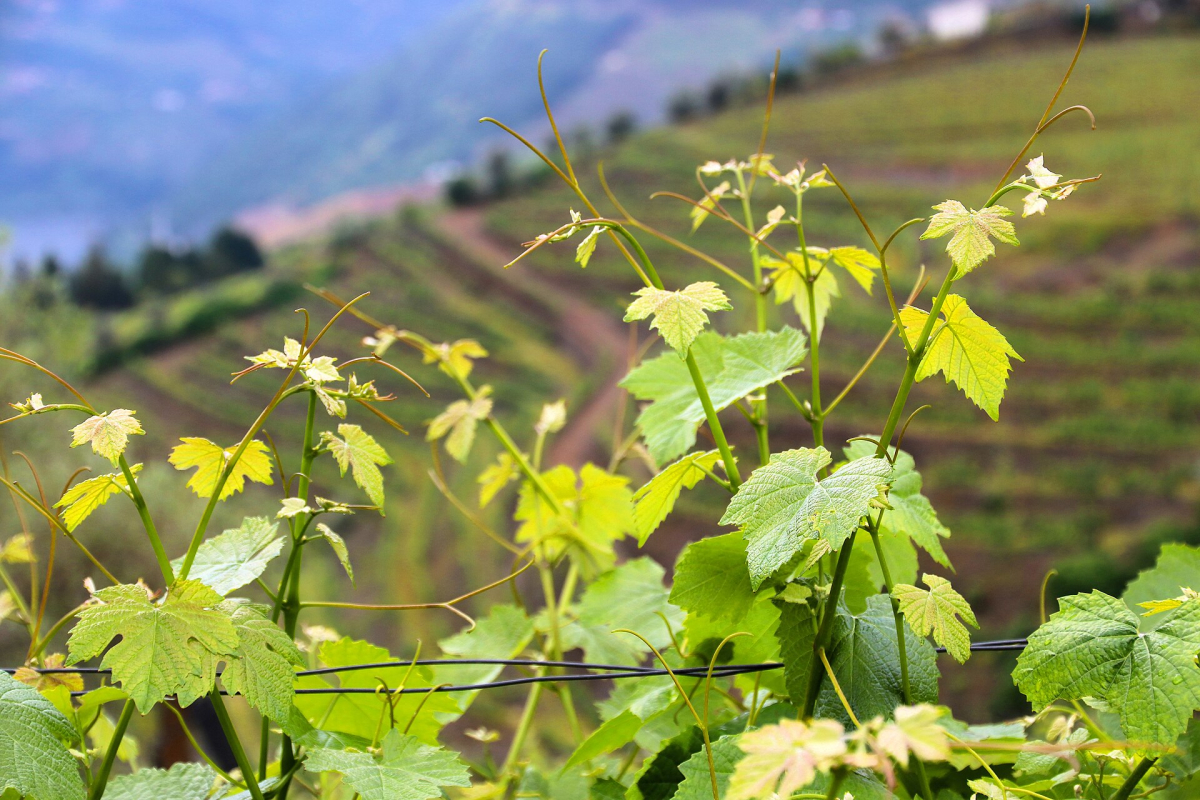
Porto, the Douro and Peneda-Gerês do not share one useful forecast. A waterfront city walk, a vineyard slope and a mountain trail involve different exposure and access. For a northern trip, make an indoor cultural option part of the plan from the start. A Douro journey should include the dated train, road or tour connection, since poor weather can turn the last part of the day into a transport problem. For nature visits, follow current local access information and avoid interpreting an attractive photograph as evidence that the route is safe or open. Choose accommodation that supports the specific area you intend to explore.
Lisbon, Centro and Alentejo: coast, interior and elevation
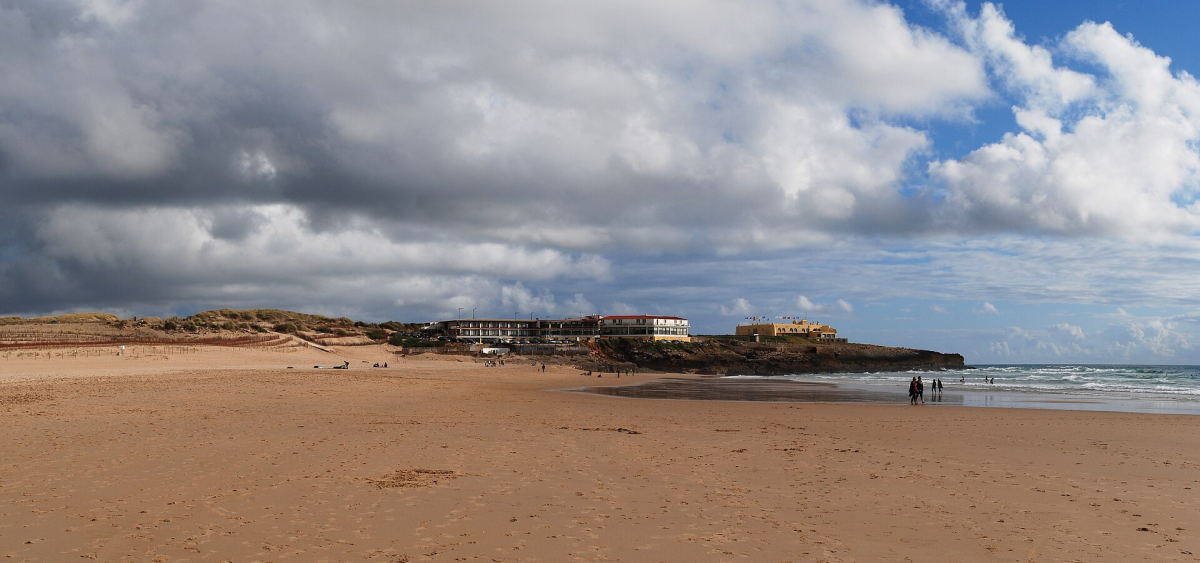
Lisbon-area coastal outings can have wind and sea conditions different from the city centre. Centro includes coastal towns, inland places and Serra da Estrela, so a single temperature range is particularly unhelpful. Alentejo adds broad inland landscapes where exposed walking and rural travel deserve a realistic summer plan. Decide which of these environments is central to your trip before choosing dates. A route through several of them needs adaptable clothing rather than an outfit based on the warmest forecast. Compare the complete day: morning departure, walking conditions, lunch options, the journey back and the comfort of the room at night.
Algarve: choose dates for the actual shore and services
A western Algarve stay around Lagos or Sagres creates different coast and wind questions from an eastern Algarve base around Tavira. The relevant issue is the beach you will use, including its approach and any boat or ferry connection. A warm afternoon does not guarantee calm swimming water, and a photo of an uncrowded cove does not establish safe access. For a shoulder-season holiday, confirm the accommodation’s operating facilities and the transport you need. If you want to avoid driving, compare towns with useful daily services. Keep one alternative town or cultural day available when the sea or weather changes your beach plan.
Madeira: coastal comfort does not predict trail conditions
Madeira can support an island visit in different seasons, but altitude and exposure are crucial. A comfortable morning in Funchal does not tell you whether a mountain path is suitable later that day. Cloud, wind, rain, restrictions and trail maintenance can all change the plan. The official Visit Madeira hiking service lists access conditions, and classified PR routes require the current reservation arrangements. Check the particular trail page before committing to a walk; a booking confirmation does not override a closure. Give an outdoor-focused itinerary enough flexibility to swap days, and do not use a levada photograph as a substitute for a current route assessment.
Azores: build flexibility around islands and weather
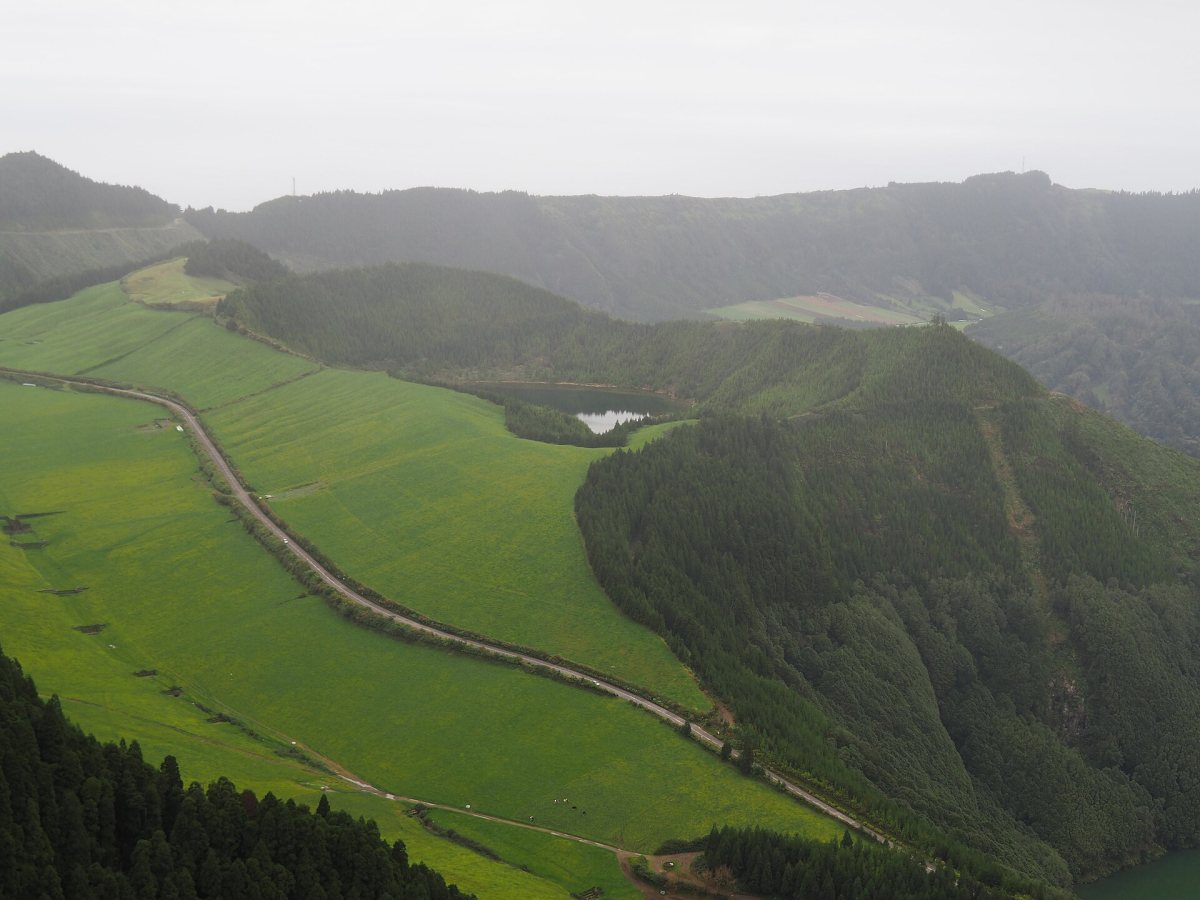
The Azores are spread across nine inhabited islands, and weather can alter a landscape day or an inter-island connection. A viewpoint above Sete Cidades is more dependent on visibility than a town meal or museum visit. Choose a main island and protect time for changing the order of outings rather than assigning every famous viewpoint to a fixed hour. If the itinerary includes more than one island, verify the flight or seasonal ferry and leave a practical margin before the final international departure. Use official trail alerts when walking. A short-looking distance in an island inset is not evidence that a connection will operate year-round.
How to use forecasts, warnings and booking conditions
Use IPMA for the places you will actually visit, and read warnings as well as the forecast icons. Recheck before a mountain, coast or boat day. Weather suitability is different from legal access: a pleasant forecast does not reopen a restricted trail or remove a local fire precaution. For a paid outing, read the operator’s change and cancellation conditions before purchasing. Ask how the activity is handled if weather affects the route, and what is included in the alternative. Keep flexibility where it matters most: a movable outdoor day, a realistic return connection and accommodation that remains useful if one activity cannot take place.
Packing and choosing your final dates
Pack for the range of environments in the itinerary. City and coast combinations benefit from layers, a waterproof outer layer and shoes that cope with uneven surfaces; walking routes require their own appropriate equipment. If carrying less luggage matters, simplify the route rather than expecting one set of summer clothes to work for an island mountain and an inland city. Compare accommodation and transport for two or three realistic date windows, including holidays and events. Then choose the dates that serve your main activity and budget. The cheapest room is less useful if the service that motivated the journey will not be running during that stay.
Connect the season to your plans
Use Itineraries to give weather-sensitive outings room to move. Compare the actual coast through Beaches, and use Walking & National Parks for the route and official access source appropriate to your region.
Compare your choices
| Trip priority | Season to compare | What can change the plan |
|---|---|---|
| Mainland culture and city walking | Spring or autumn; winter for indoor emphasis | Rain, holiday demand and daylight |
| Beach-focused Algarve stay | Summer and the relevant shoulder weeks | Sea conditions, wind and seasonal services |
| Northern or highland walking | Dates suited to the exact route | Warnings, elevation and local restrictions |
| Madeira or Azores nature | Island-specific dates with spare outdoor days | Trail status, visibility and island connections |
Official information and sources
Linked practical information reviewed on 13 October 2026. Recheck current timetables, entry requirements, event programmes and access conditions before committing to bookings.