
Portugal Attractions: Historic Places and Natural Landmarks

Portugal's most useful attraction choices depend on where you will sleep and how much time you can give each place. A historic monument in Belém, a northern castle and a volcanic lake in the Azores cannot be treated as interchangeable stops on one mainland driving route. This selection compares seven different settings, with practical advice on fitting each into a trip. It is a country-level shortlist, not a claim that every worthwhile place is listed. Things to Do covers activities; this page helps decide which places deserve your time. Use Map & Regions to locate them, then check the responsible venue or tourism authority for current access. Photographs identify the actual places and provide context, while opening arrangements and tickets require current verification.
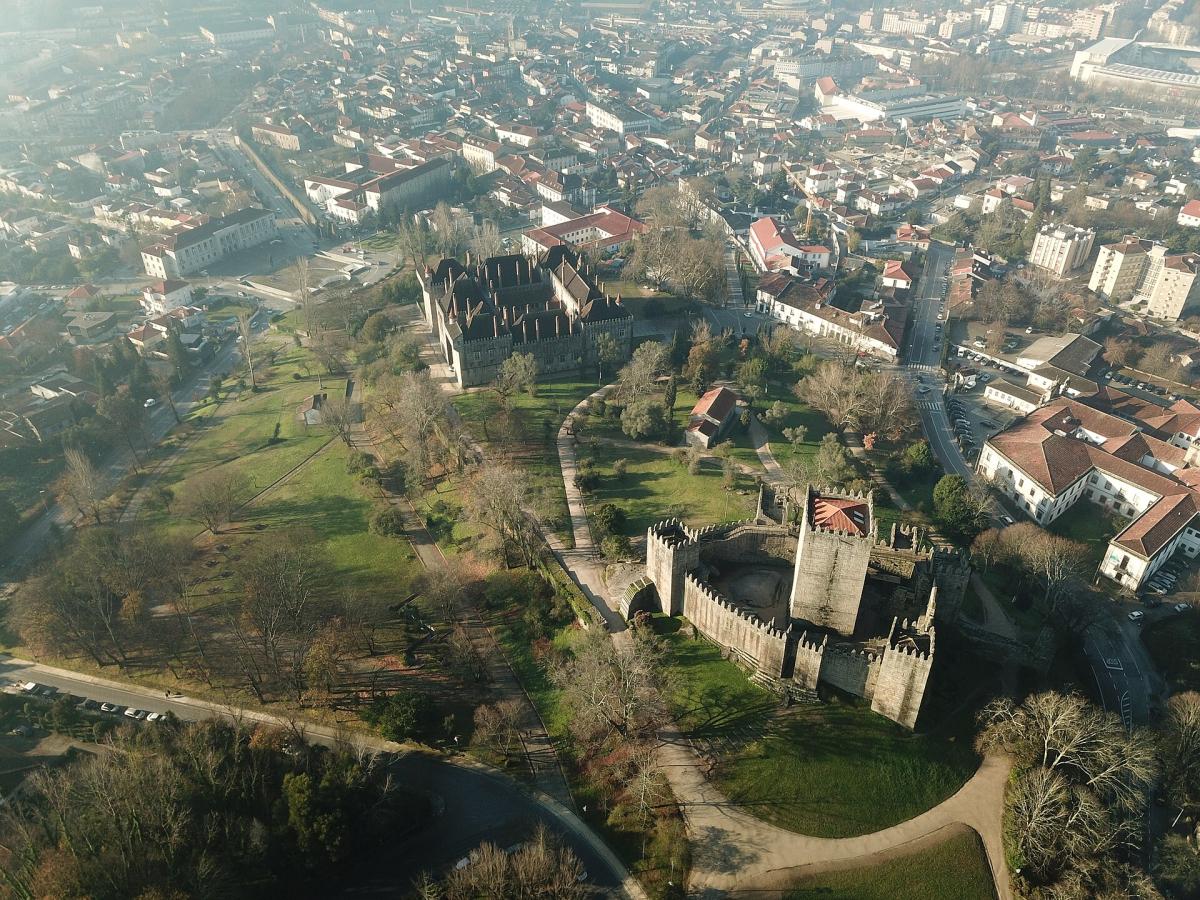
Guimarães Castle and the historic town
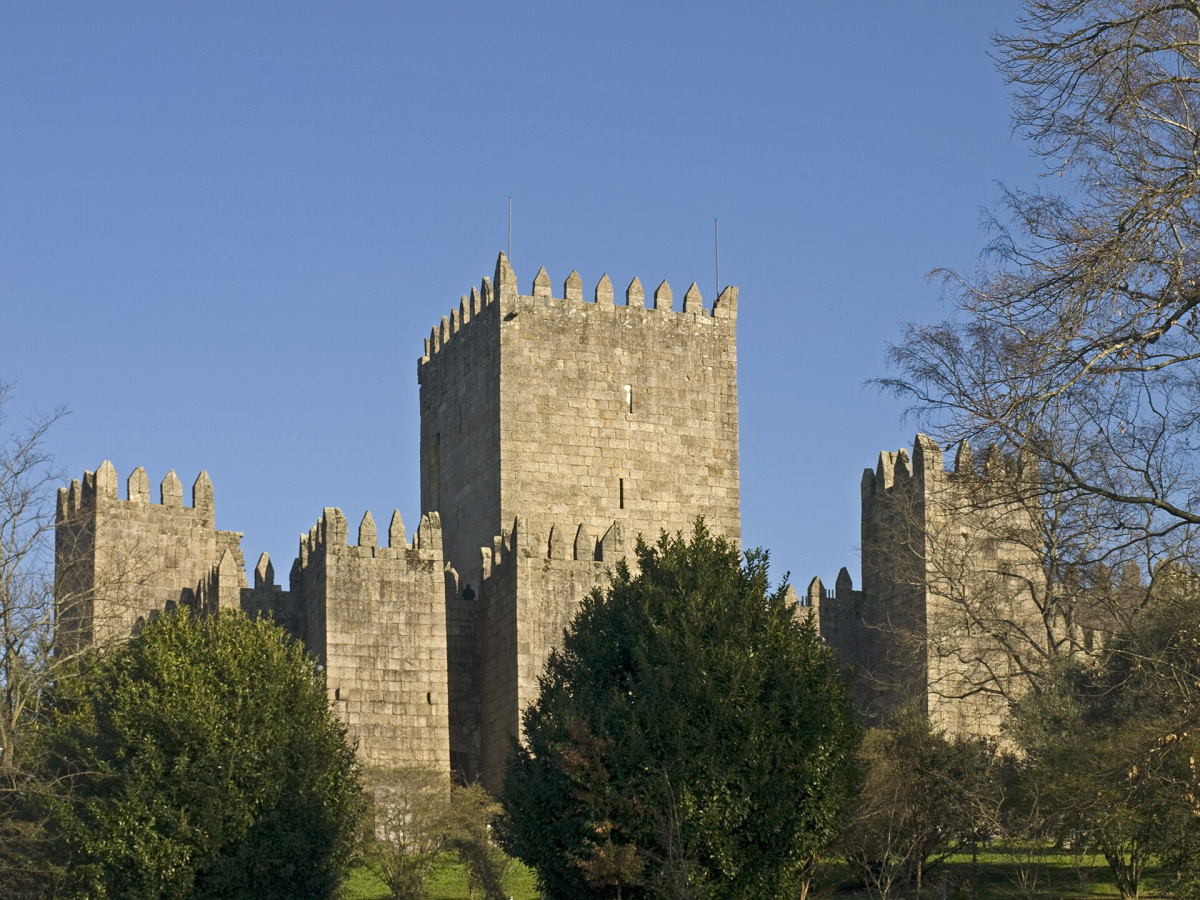

Guimarães combines a castle visit with a town that deserves time beyond its best-known monument. The stone towers and walls make a strong landmark, while the surrounding historic streets give a different pace to the day. Decide whether the castle is your main interest or one part of a broader town visit before booking transport. Check the responsible visitor information for current admission and access; a photograph of an open courtyard does not establish today's route through a historic building.
A day from Porto can suit travellers who want a northern historic destination without changing accommodation. Allow for the journey to the town, the walk or local connection to the castle and a return that does not depend on racing out of a late visit. If staying in Guimarães, use the quieter periods for the town and reserve the monument visit for its operating hours. Historic surfaces and steps can matter to anyone with mobility needs; ask about the actual visitor route rather than relying on a general accessibility label.
Jerónimos Monastery in Belém, Lisbon
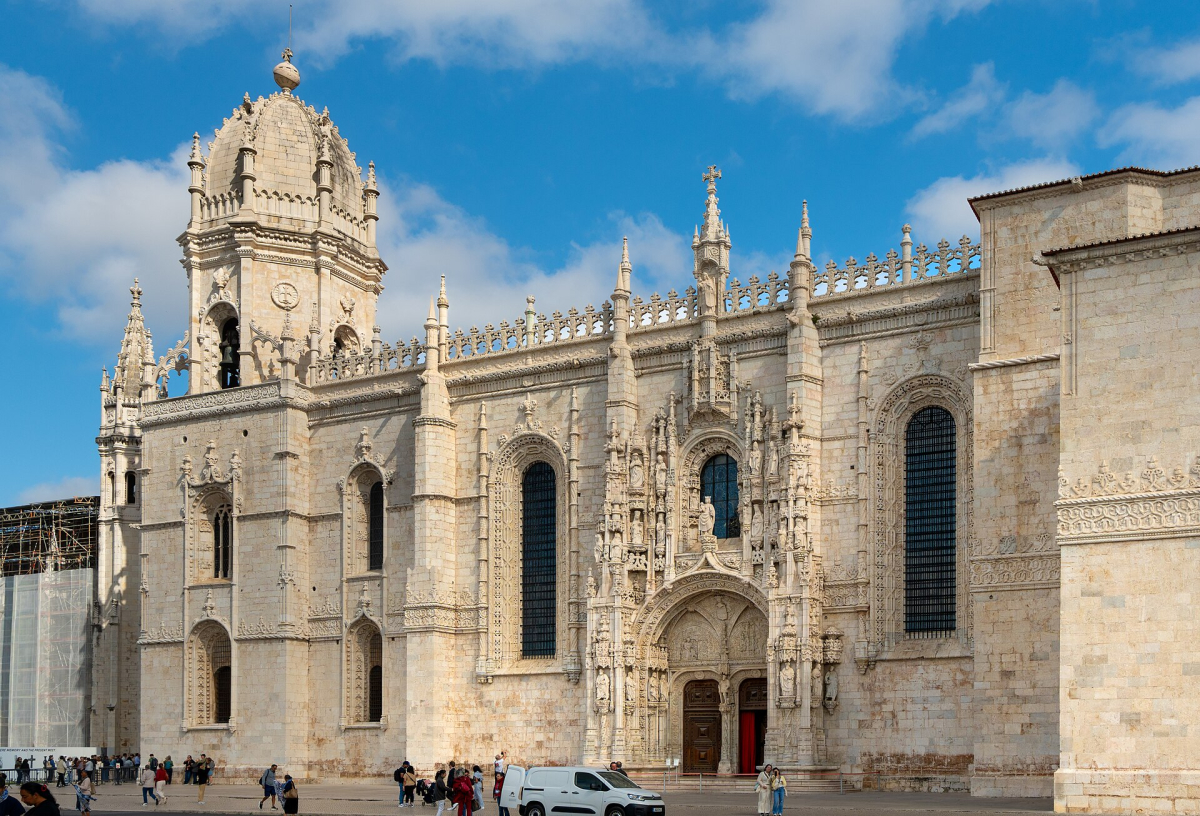

Jerónimos is a major architectural choice for a Lisbon trip, with its Manueline façade providing a reason to visit Belém even before entering. The exterior, church and paid visitor areas can have different arrangements. Check the official monument information for the current visitor route, ticketing and any access changes. Treat admission details for this building separately from nearby museums or another Belém landmark. A city pass should be checked against its current conditions rather than assumed to include every queue or reservation.
Belém is a separate outing from Lisbon's hilltop old quarters. Put related sights and a meal together there instead of repeatedly crossing the city between fixed appointments. Leave time for the journey back, and keep the exterior visit worthwhile if the interior does not fit your schedule. The photograph shows the actual monastery façade; it does not imply an empty or unrestricted interior. People with access requirements should ask about the particular entrance and spaces they intend to see.
São Jorge Castle and Lisbon's viewpoints
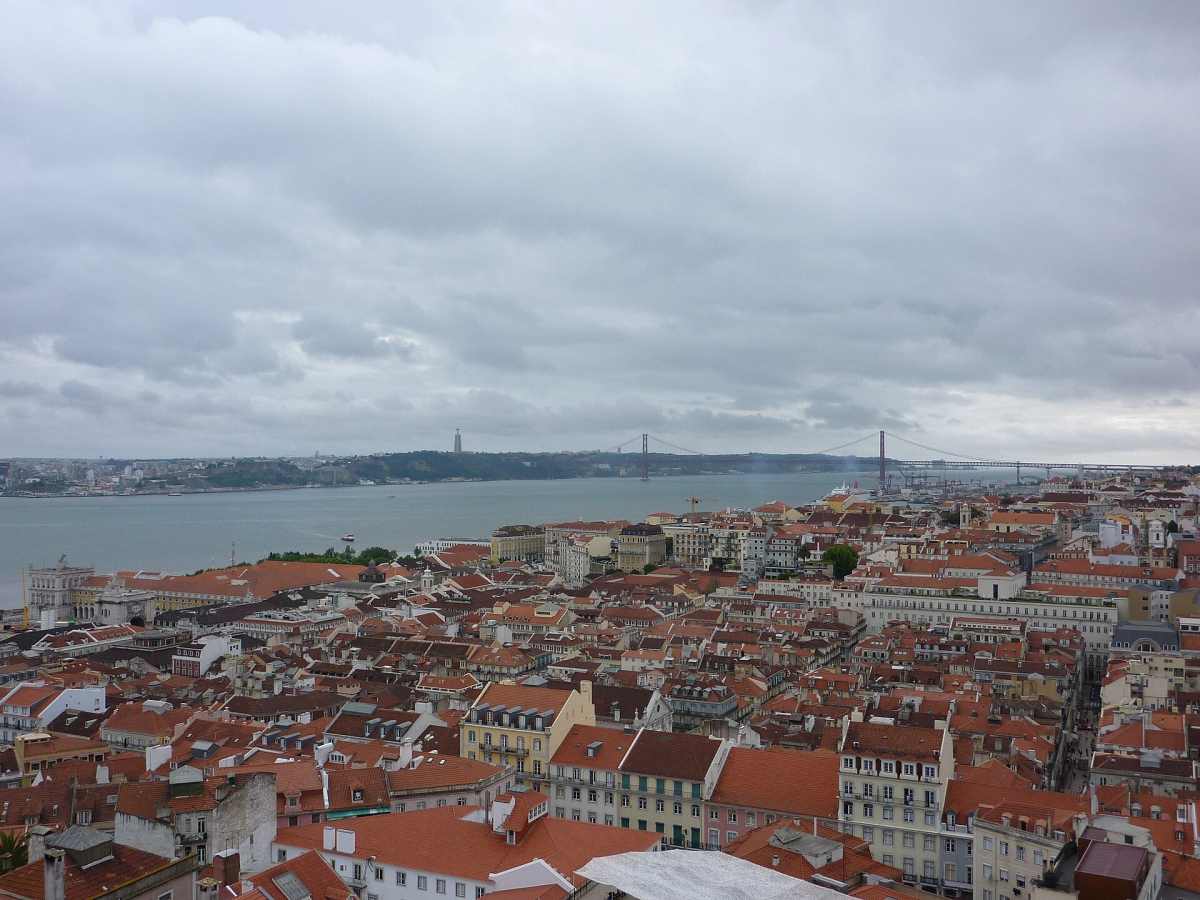

São Jorge Castle provides a high vantage point over Lisbon's rooftops and the Tagus. Choose it when you want the castle setting and time at the top of the city, rather than adding it only for a quick photograph between transport connections. Confirm admission and the current route through the grounds with the venue. The approach involves the geography of Lisbon's old quarters, so plan the last part of the journey as carefully as the ticket.
Allow a slower pace for steep streets, uneven paving and exposed sunny areas. A map's short distance can conceal the effort of climbing with luggage or a pushchair. Keep viewpoints and residential lanes respectful: a narrow street may be someone's doorstep as well as a photographic scene. If views are the main purpose, make weather and visibility part of the decision. A cloudy afternoon can still suit the city's architecture, but it should not be sold as a guaranteed panoramic sunset. Combine the visit with nearby neighbourhood time instead of a distant second attraction.
Sagres Fortress and the western Algarve coast
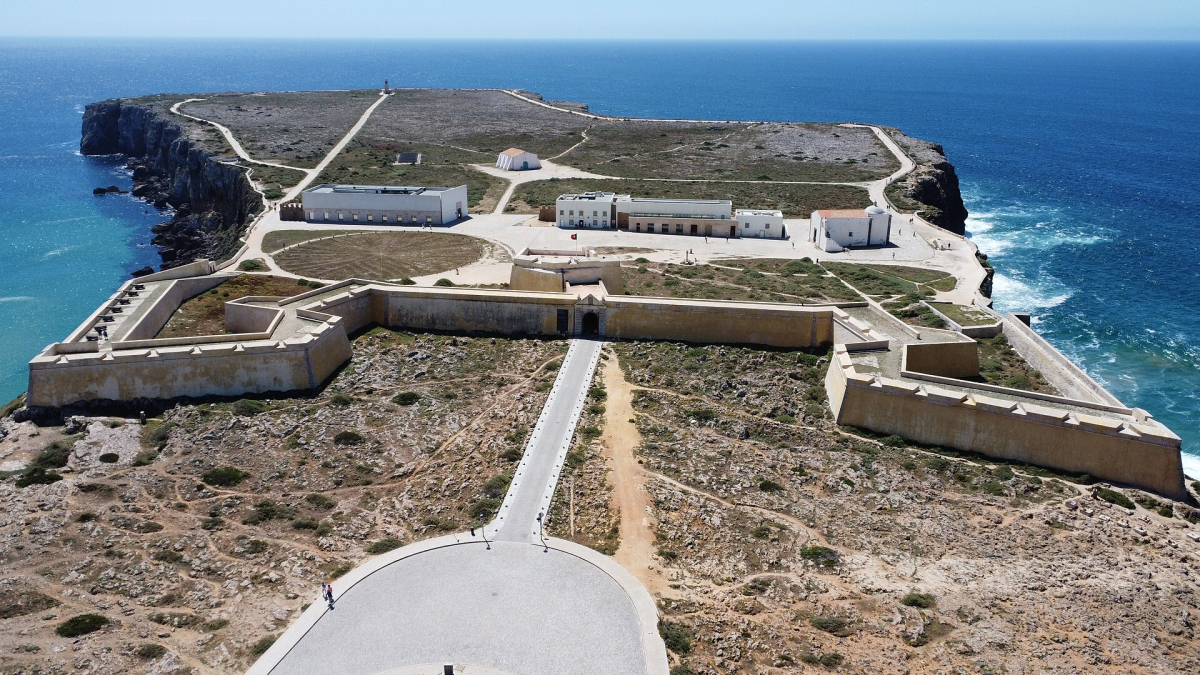

Sagres Fortress has an open headland setting that gives it a different character from a compact urban castle. The surrounding Atlantic landscape is part of the visit, with wind and exposure affecting comfort. Check the venue's current information and use the designated visitor areas. Do not approach an edge or cross a boundary to recreate an aerial photograph; the image here explains the headland's shape, not a visitor walking route.
Sagres suits a western Algarve base or a deliberately planned coastal day. Travellers based far to the east should account for the full return journey, not just a distance across the map. Arrange the visit around a realistic meal and transfer plan, and keep a weather alternative if exposed sightseeing becomes unsuitable. Coastal paths and beaches nearby have their own access conditions; an attraction ticket does not make every cliff walk safe or permitted. Where a car is useful, include parking and driving time in the outing rather than treating them as invisible extras.
Tavira and the Gilão riverside
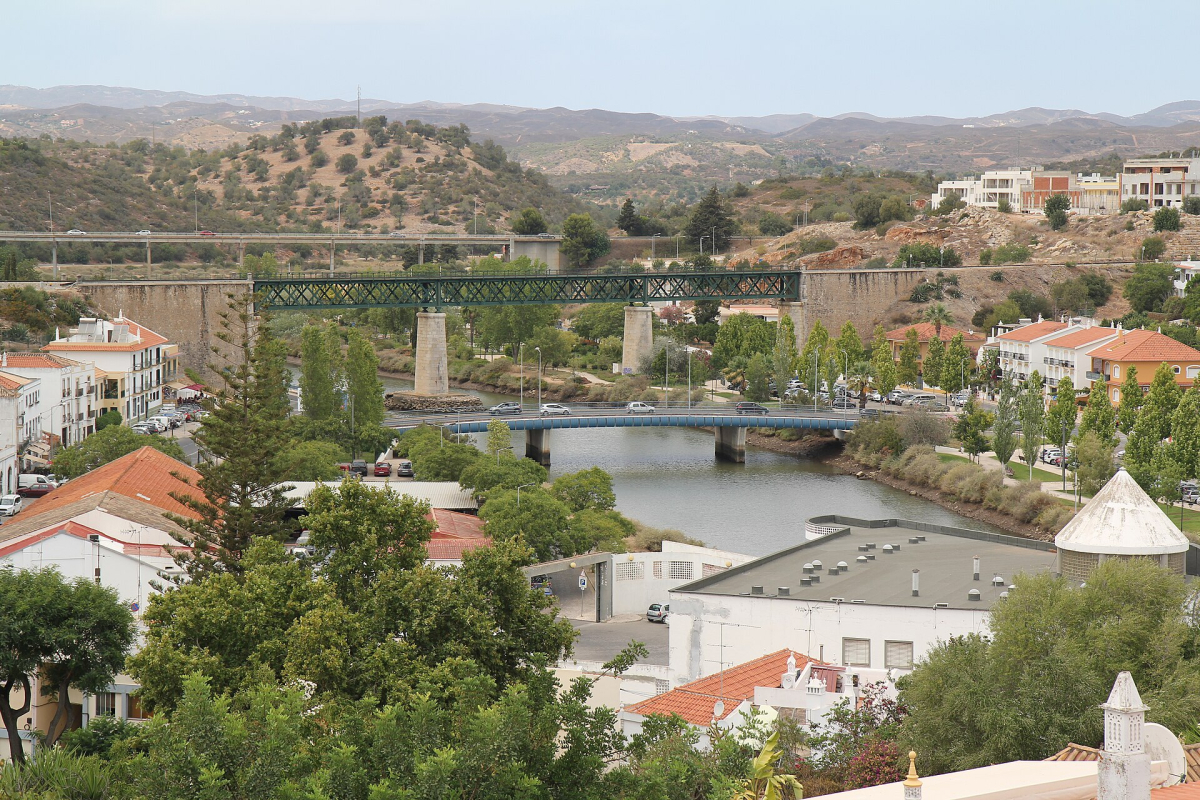

Tavira offers a historic town setting rather than one attraction with a single admission gate. The riverside, bridges and lanes work well for an unhurried visit, with time for a meal and the changing light along the water. Choose it when the town's scale suits your interests; visitors looking mainly for large nightlife areas or direct hotel-to-sand access may prefer a different Algarve base. Identify the exact accommodation position before assuming a property described as “Tavira” lies in the old centre.
A town visit and an Ilha de Tavira beach day can complement each other, but the beach requires its own transfer arrangements. Check the actual departure point and return services for your date. Keep belongings and footwear appropriate to both parts of the day rather than arriving at a restaurant straight from an improvised crossing. For photography, leave room on bridges and waterfront paths for residents and other visitors. The Where to Stay and Beaches pages explain the practical distinction between a mainland town base and an island beach outing.
Sete Cidades on São Miguel, Azores
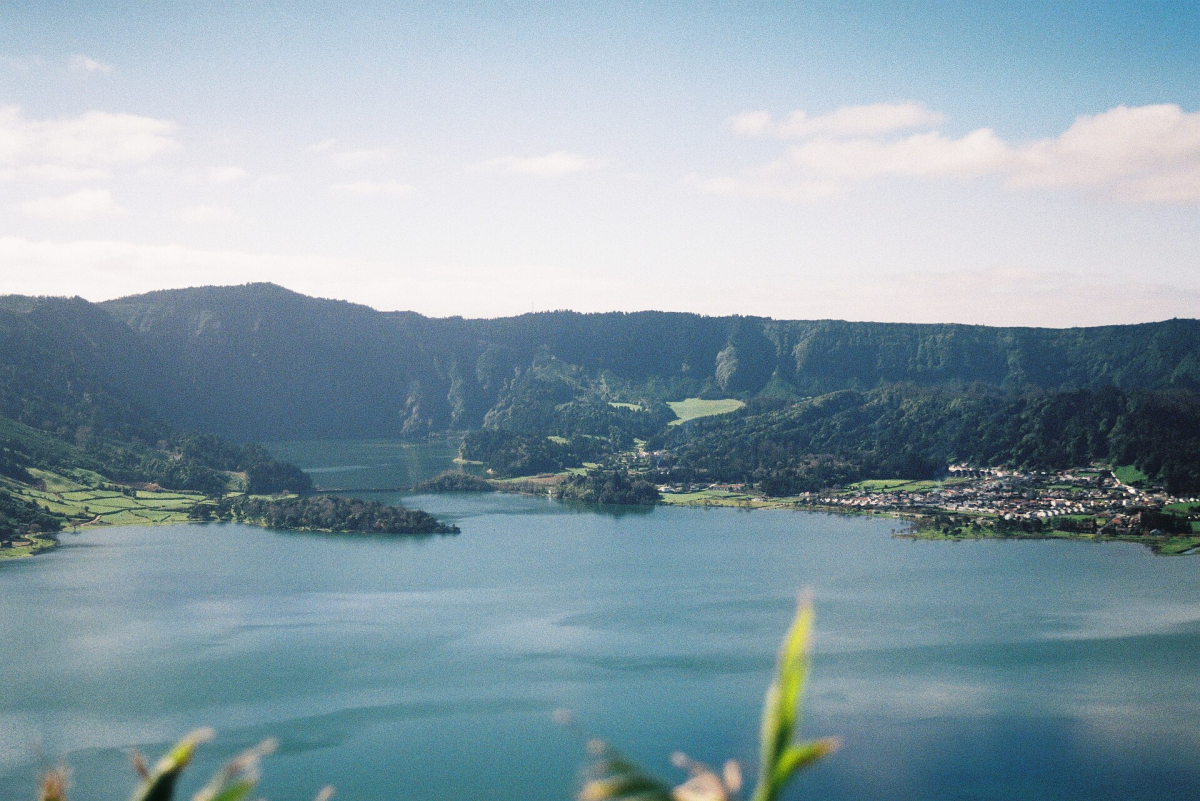

Sete Cidades is a volcanic lake landscape on São Miguel, one of the Azores' nine islands. It requires an island itinerary; it is not a mainland day trip. Choose viewpoints, a village visit or a suitable officially described walk according to the forecast and your transport. Cloud can hide the view at higher points while conditions differ closer to the lake. Allow a flexible day instead of making one viewpoint the only reason for an otherwise expensive flight connection.
Stay on permitted routes and check the Azores trail service for current alerts if you intend to walk. A panorama cannot establish that a path is open or appropriate for your group. A self-drive visit needs a realistic route and parking plan; a guided outing needs clearly identified stops and return arrangements. Treat the lake as a landscape within a working and inhabited island. Protect vegetation, keep litter with you and avoid blocking narrow roads while seeking a photographic angle. The island's distance from mainland Portugal makes a few well-used days more rewarding than a rushed overnight addition.
Praia da Marinha and the Algarve's limestone coast
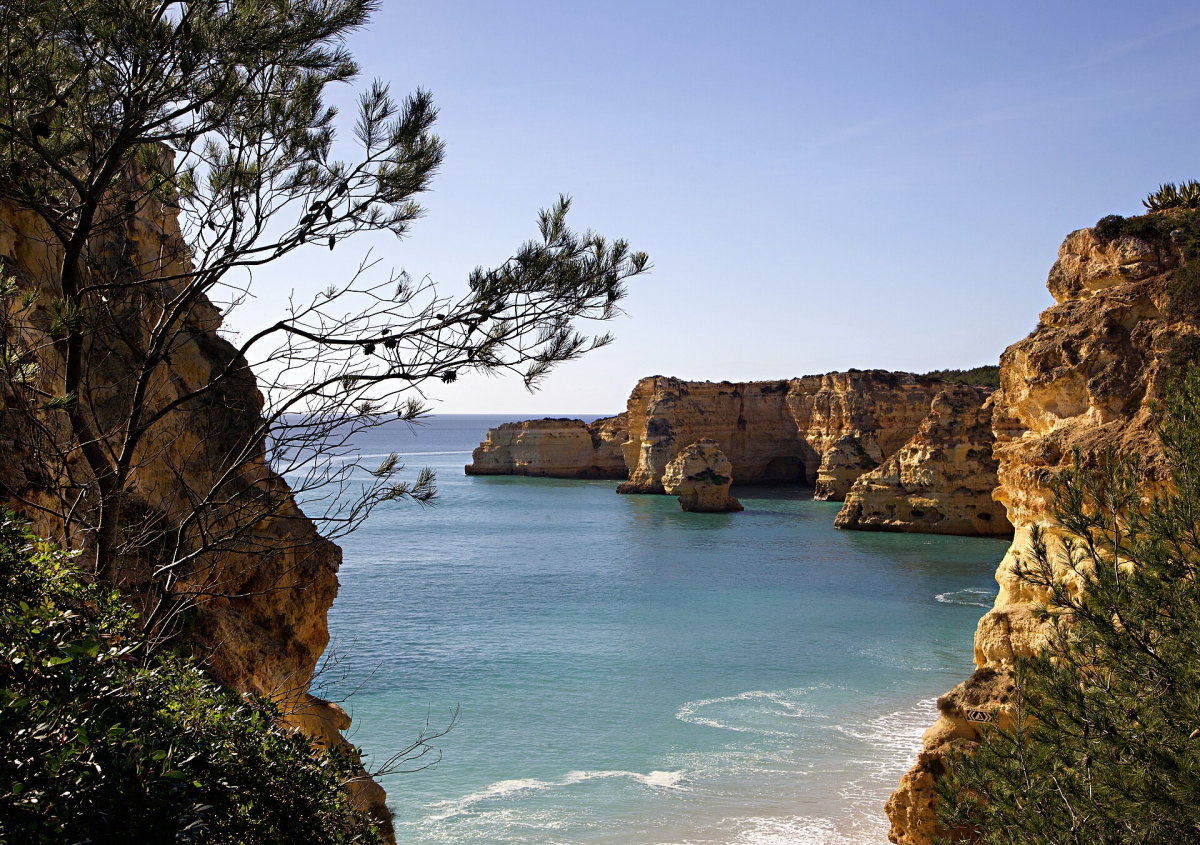

Praia da Marinha is a landmark coastal setting as well as a beach. The cliffs, coves and rock formations make it relevant to a scenic visit even when entering the water is not the purpose. Follow current local access instructions and keep clear of unstable or restricted cliff areas. A photograph showing people on the sand cannot establish the condition of the sea or the safety of the route on the day you visit.
Decide whether you want a beach stay, a short viewpoint stop or a permitted coastal walk. These plans need different time, footwear and conditions. Parking availability and busy-season access can affect the outing, so a tight sequence of several distant beaches may disappoint. Check flags and lifeguard instructions for bathing. Do not stand beneath a cliff or seek an isolated cove without understanding access and the return. The Beaches page helps compare Marinha with exposed western shores and the eastern Algarve's island beaches.
Turn the shortlist into a sensible route
For a first mainland trip, combine Lisbon attractions with a northern base or an Algarve base before adding another region. Guimarães pairs naturally with time in the north; Sagres and Marinha call for Algarve planning; Sete Cidades belongs to an Azores stay. Geography can save more time than an extra early start. The Itineraries page offers route structures rather than suggesting that all seven choices belong in a single week.
Book the places with constrained admission only after checking that transport and accommodation are workable. Leave an alternative for weather-dependent viewpoints and coastline. Keep opening hours, accessibility and ticket terms tied to the responsible attraction's current information. A country guide is most useful when it helps you make a shortlist and asks the right practical questions, while the venue gives the final details for the particular visit.
Official information and sources
Linked practical information reviewed on 13 October 2026. Recheck current timetables, entry requirements, event programmes and access conditions before committing to bookings.