Portugal Food & Drink: Regional Dishes and Better Meal Planning
Food is one of the clearest ways to give a Portugal itinerary local character. Porto's francesinha, the many preparations of bacalhau, coastal fish, inland dishes and regional wine traditions offer different starting points. This page helps choose meals and experiences rather than publishing an unverified ranking of restaurants. A dish's reputation does not tell you its current price, ingredients or suitability for an allergy; use the actual menu and speak to the establishment. Plan a mixture of simple stops and one or two deliberate meals, with enough time to enjoy them. When a special restaurant or tasting is central to the trip, check its current opening and reservation conditions before arranging transport around it.
Use the region to shape the meal
Choose food that connects with the place where you are staying instead of ordering the same familiar dish throughout the country. Visit Portugal's gastronomy information offers regional starting points, while local menus show what an establishment actually serves. A city with many visitors can include both regional cooking and international options; the location beside a landmark does not establish a restaurant's quality.
Put a meal in the right part of the day. A substantial lunch before a demanding walk, or a long dinner before an early airport transfer, may not suit your plans. Give a special meal its own time rather than treating it as a gap between two distant attractions. Keep a simple alternative available if a reservation or transport change makes the original choice impractical.
Bacalhau: read the preparation, not just the name
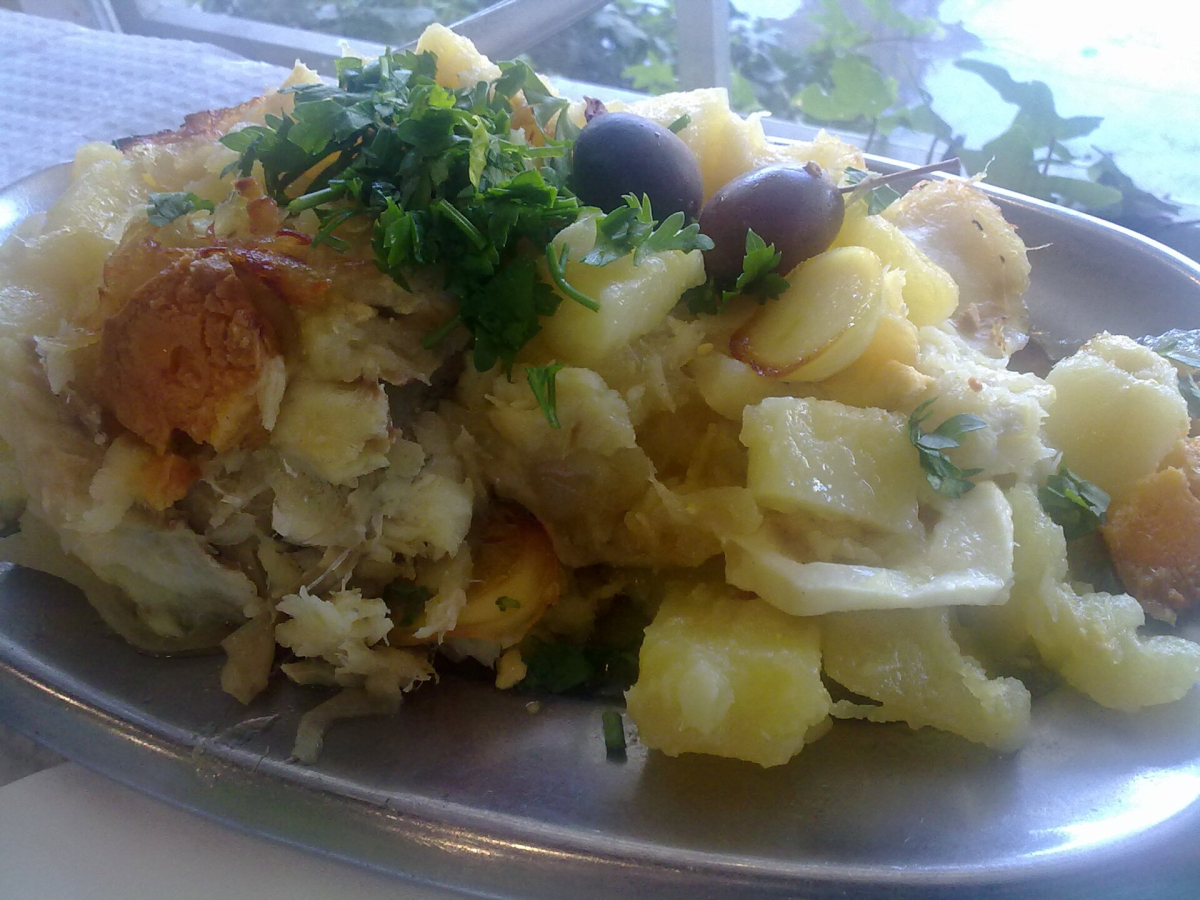
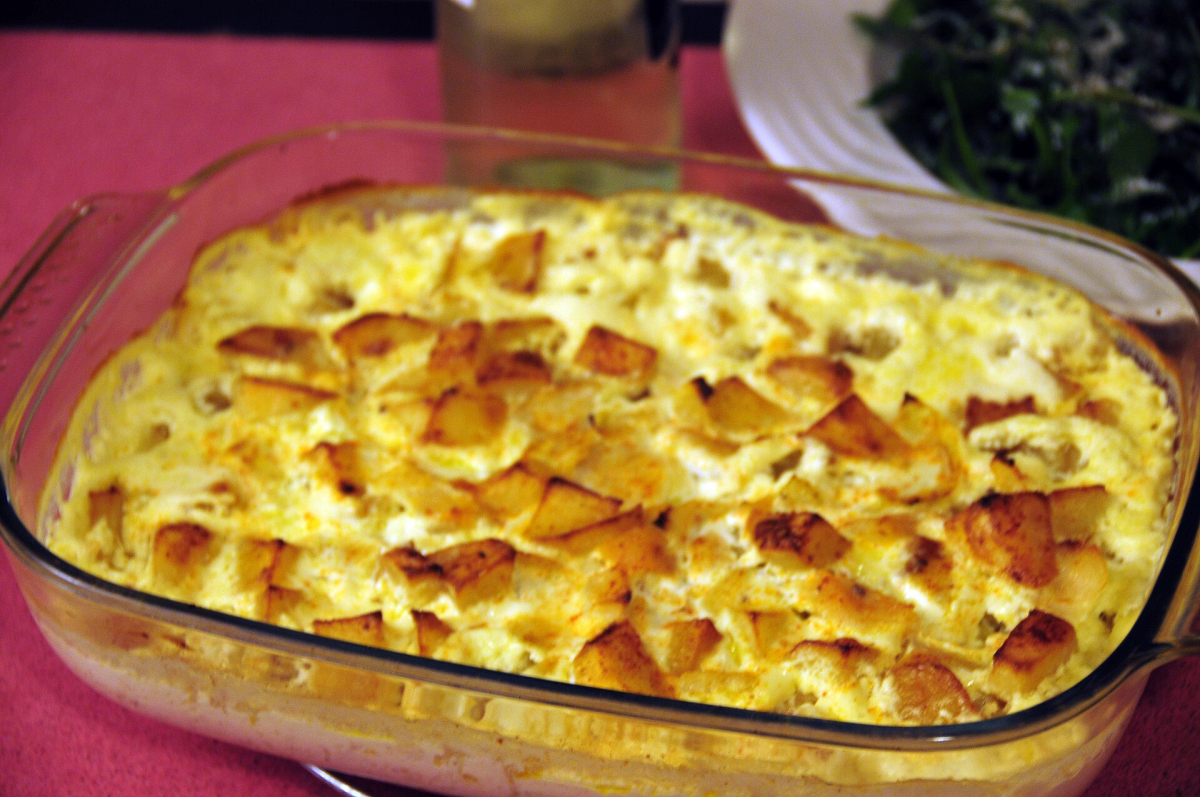
Bacalhau appears in many preparations, so it is useful to understand the dish named on the menu. Bacalhau com natas and bacalhau à Gomes de Sá are different ways of presenting cod with other ingredients. The photographs here identify those specific dishes; they do not promise the preparation at a particular restaurant. Ask about ingredients and portion sizes when those details matter.
A familiar fish name does not make a dish suitable for every dietary requirement. Dairy, eggs or other ingredients may be involved in particular versions, and kitchens can prepare them differently. Tell the restaurant clearly about an allergy or restriction and ask for the information relevant to that meal. A country guide can offer vocabulary and context, but the establishment must confirm the actual preparation.
Fish and seafood on the coast
A coastal visit creates a natural opportunity to explore fish and seafood, but read how the item is priced. A dish, a portion for two and a price by weight are different offers. Ask for the expected portion and total before ordering if the menu is unclear. Choose the meal based on your appetite and budget rather than assuming a large display represents a fixed low-cost serving.
For a beach day, consider the practical return and the restaurant's current operating hours. Seasonal facilities may not operate throughout the year. A waterside setting can be part of the experience, while the actual menu, service and suitability for your group determine whether it is the right choice. Keep any booking confirmation and ask about access if steps or uneven surfaces affect the outing.
Inland meals and a slower table
Inland towns and rural areas can offer a different pace from the busiest coastal visitor strips. Use regional tourism information and the actual menu to explore local ingredients, cheeses and dishes. Do not assume every small establishment operates continuously or accepts a late walk-in group. Check opening and reserve where a meal is important to a limited itinerary.
A long lunch can fit a slow day around a town or countryside base, but it needs to be reconciled with a timed attraction or a distant drive. If sampling wine, arrange an appropriate transport choice. Ask about the size and structure of a menu before committing. A meal becomes a better memory when the timing and the practical journey support it, rather than when it is selected solely for a famous dish name.
Porto and the francesinha
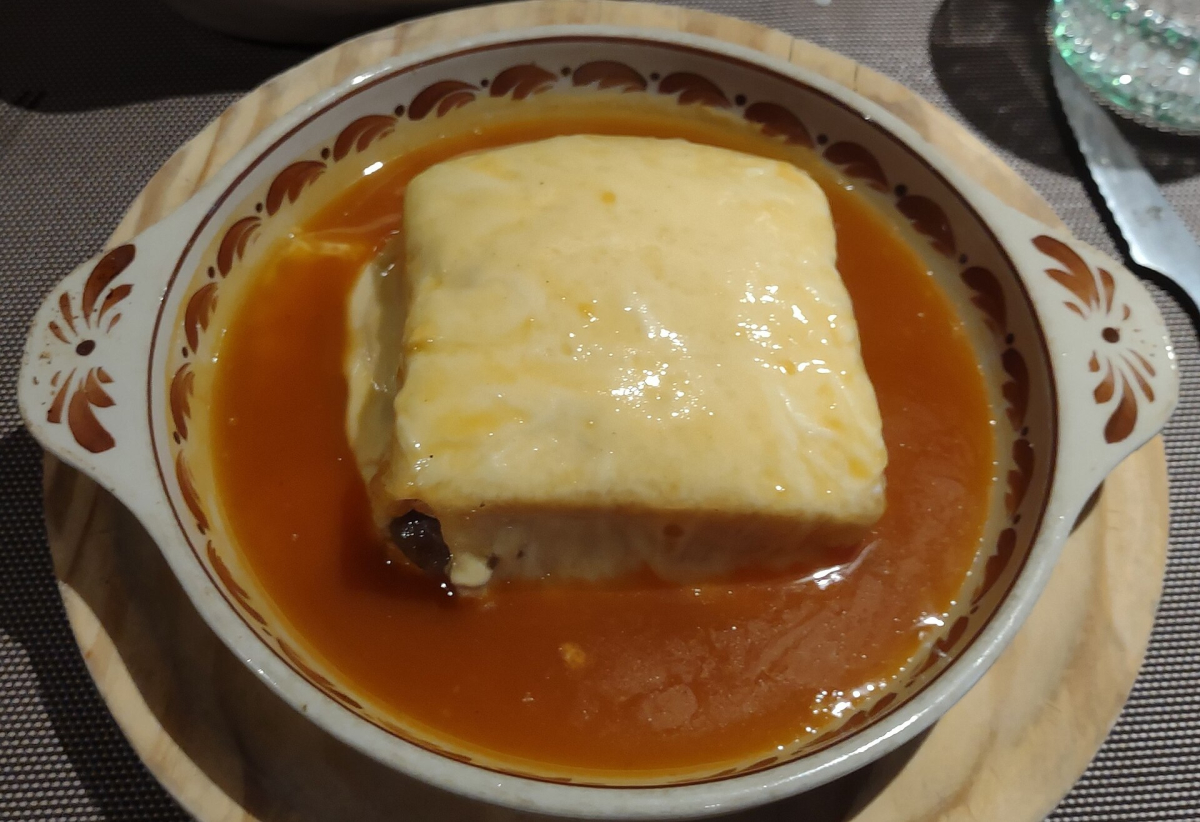
A francesinha is a well-known Porto choice, with versions that differ in bread, fillings, sauce and extras. Read the menu and check the portion rather than assuming every photograph shows the same product. It can be a substantial meal, so consider the rest of the day's plans and whether one serving per person matches your appetite. The Porto photographs in this guide are distinct images, not recommendations for the restaurant where each was taken.
Compare establishments using current information relevant to you: opening, waiting or booking arrangements, location and ingredients. A busy waterfront table can suit a scenic evening; another neighbourhood can suit a quieter meal. Neither automatically guarantees a better price or experience. Keep the total bill visible, including drinks and any extras you deliberately choose.
Lisbon café stops and planned dinners
Lisbon's café and restaurant choices can be fitted around the city's different neighbourhoods. A café stop during an old-quarter walk provides a useful break, while a deliberate dinner can anchor an evening near your accommodation or a planned performance. Avoid crossing the city repeatedly just to collect food names from a checklist. The route back matters after a late meal.
For a dinner linked to a fado performance, check the actual format, start time, minimum spend or meal conditions and the venue's current programme. A restaurant serving food and playing background music is not necessarily a live performance experience. Nightlife explains how to plan the evening, while this page focuses on the meal and ordering decisions. Book the product you actually want and keep the timing realistic.
Wine regions and tastings
The Douro provides a distinctive vineyard landscape, while other Portuguese regions offer their own wine contexts. Choose a tasting for its actual programme, location and transport rather than assuming every wine stop is interchangeable. Check appointment requirements, language, duration and what is included. A bottle shop, a cellar visit and a guided vineyard outing serve different interests.
If travelling independently, arrange transport that does not require driving after drinking. Confirm the route between a station and a hillside property instead of treating the train's destination as the winery entrance. Things to Do includes a verified Douro tour option with clearly described selection questions. A tasting should fit your interests and the day, with room for a meal and a safe return.
Vegetarian choices, allergies and family needs
Look at current menus before choosing an establishment and explain requirements clearly. A dish described broadly as vegetable-based can still include an ingredient you need to avoid. Ask the kitchen about the actual preparation and cross-contact where relevant. Use an appropriate translated explanation if a precise requirement is difficult to communicate, and seek professional advice for individual health questions.
For families, check the atmosphere, portion options and timing that suit the children travelling. Do not assume every restaurant has the equipment or menu arrangement you need. A simple early meal near the base can be more practical than a long transfer to a famous venue. Keep an alternative that the whole group can use if a restaurant cannot confirm the requirements essential to the meal.
Ordering, extras and the final bill
Read the menu and ask about items or charges you do not understand before ordering. Bread, olives or other items brought to the table should not automatically be treated as included. State clearly what you want and check the bill against the order. When sharing dishes, agree quantities rather than allowing a vague request to determine the whole meal's cost.
A tip is a personal decision distinct from any stated charge. Check your payment method and keep a small workable cash reserve without carrying the whole trip budget. Travel Costs & Money explains how to account for meals across the itinerary. Good meal planning makes room for a special dinner while keeping everyday spending visible, rather than discovering the total only after several unplanned extras.
Make a useful food itinerary
Choose one regional food priority for each base and leave the rest flexible. In Porto that could be a francesinha meal and an appropriately planned wine visit; in Lisbon a café break and a deliberate dinner; on the coast a seafood meal with clear portion and pricing information. Islands deserve their own local choices rather than a mainland menu copied into a new setting.
Use official regional information for ideas and the establishment's current menu and booking channel for the final decision. Avoid relying on old opening hours or an award that has not been checked. A food itinerary should help you enjoy the place with enough time and a practical return, not require a rigid series of meals that crowds out the rest of the trip.
Official information and sources
Linked practical information reviewed on 13 October 2026. Recheck current timetables, entry requirements, event programmes and access conditions before committing to bookings.