


Sign in
For Photos4Travel editors and team members.
Brazil · Map & Regions
Brazil Map & Regions: Choose Your Travel Route
A Brazil map becomes useful when you add two things: the place you will actually sleep and the way you will reach it. An airport beside a city label may still be a long transfer from a lodge, island or walking base. Begin with the five official regions, then zoom in far enough to see where the road or river journey starts.
On this page · 6 sections ShowHide
Read the country before drawing a route

Brazil sits on South America's Atlantic side, with a long eastern coastline and a vast interior. The IBGE's five-region division groups states into North, Northeast, Central-West, Southeast and South. These are useful orientation labels, rather than five compact touring areas.
São Paulo and Rio belong to the Southeast. Foz do Iguaçu is in Paraná, in the South. Salvador is in Bahia, in the Northeast. Manaus is in Amazonas, in the North. Cuiabá and Campo Grande are Central-West gateways. A route joining all five is a sequence of substantial journeys, even if the destinations look close together on a country-sized image.
Use the map to choose a main corridor, then check the airports and transport options. The shortest line is not always the easiest journey: the available flight may connect through another region, and a coastal road may be much slower than its distance suggests.
Brazil's five regions and what they mean for travellers
North: river gateways and the Amazon
The North includes Amazonas, Pará, Acre, Amapá, Rondônia, Roraima and Tocantins. For a first forest trip, Manaus is a practical starting point to investigate lodge packages and river outings. Belém offers another Amazonian perspective, with a strong relationship to the estuary and its food culture. Neither city represents the whole region.
The important planning unit is the specific river area or lodge, not simply “the Amazon.” Ask whether the transfer uses a road, boat or both; whether departures run at fixed times; and how water conditions affect the programme. A city arrival late at night may require a gateway hotel before the real nature stay begins.
The Manaus tourism authority describes both urban sights and nearby nature experiences. Give these distinct space: a theatre or market visit in the city does not deliver the same experience as several nights on a forest itinerary.
Northeast: several coasts, historic cities and an inland landscape
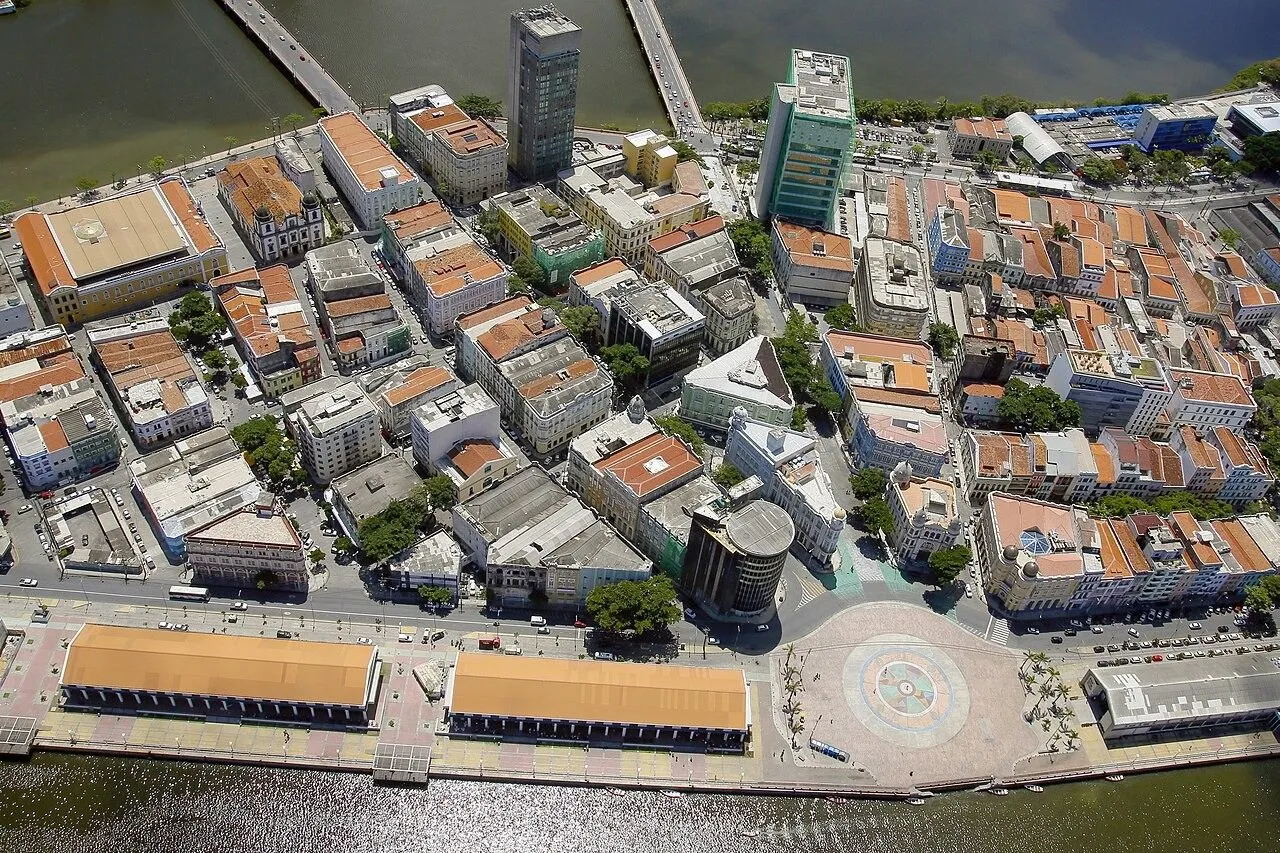
The Northeast stretches across nine states, from Maranhão to Bahia, with a great deal between them. Salvador, Recife and Fortaleza are separate urban gateways. São Luís is useful for investigating access towards Lençóis Maranhenses. A hotel “in the Northeast” tells you almost nothing about the trip you will have.
Choose the coastline that suits your dates and interests, then look at the nearest airport and final transfer. Salvador and a nearby Bahia beach stay can make a coherent holiday. Adding dune lagoons in Maranhão means another sizeable travel block, not a casual day excursion from Bahia. The region's interior also deserves attention: Chapada Diamantina is a walking destination with a different rhythm from a beach resort.
Compare coastal choices alongside regional seasons. A general “Brazil summer” label is too blunt for decisions involving ocean conditions, inland hikes and seasonal lagoons.
Central-West: the capital, Cerrado and Pantanal gateways
Goiás, Mato Grosso, Mato Grosso do Sul and the Federal District form the Central-West. Brasília rewards an interest in architecture and urban planning. Cuiabá and Campo Grande are different starting points for investigating Pantanal trips; which makes sense depends on the exact lodge and activities you choose.
The tourism ministry's Pantanal overview identifies several wetland access areas, including Poconé, Miranda and Aquidauana. Ask an operator to put the pickup location and transfer duration on your itinerary. A low flight fare to the wrong gateway can be poor value once the onward journey is included.
Do not use “Pantanal National Park” as a label for every wetland lodge. The biome, private properties and individual protected areas have different boundaries and access arrangements. The broader region offers tourism outside the national park; its name alone does not establish where an excursion goes.
Southeast: large cities, mountain towns and the Atlantic coast
São Paulo, Rio de Janeiro, Minas Gerais and Espírito Santo make up the Southeast. It is a useful region for mixing a large city with a smaller historic or coastal base. Rio and São Paulo have very different travel roles; Belo Horizonte provides a starting point for investigating Minas Gerais, including historic towns such as Ouro Preto.
A coastal journey through Paraty can connect city stays by road, but it still deserves dedicated transfer days. An inland history route through Minas Gerais requires another plan. Avoid making both detours simply because they sit inside the same region.
For a Rio stay, follow the city guide for neighbourhoods and local logistics. At country scale, the useful question is how many nights to allocate there before travelling elsewhere.
South: Iguaçu, Curitiba and the southern coast
The South comprises Paraná, Santa Catarina and Rio Grande do Sul. Foz do Iguaçu is a base for the falls; Curitiba offers an urban stay and access to the Serra do Mar; Florianópolis can anchor a coastal trip. Porto Alegre is another major city, rather than an interchangeable arrival point for all southern destinations.
These places work as alternatives or as a deliberate regional journey. They do not fit automatically into one quick “southern Brazil” stop. Choose a principal interest and check each connection. If a scenic railway is the reason for visiting Curitiba, confirm the operator's actual destination and return arrangements before adding another distant base.
For example, Curitiba's official tourism page describes the tourist train to Morretes. An old caption calling it the Paranaguá train should not replace the current service information.
Regions, states and biomes are different maps
A region groups states. A biome describes broad ecological characteristics. The IBGE recognises six Brazilian biomes: Amazon, Atlantic Forest, Cerrado, Caatinga, Pantanal and Pampa. Their boundaries do not simply match the five-region map.
This matters when choosing a nature trip. Atlantic Forest experiences can be planned around parts of the coast and southeastern or southern cities without travelling to the Amazon. Pantanal wetland outings require their own gateway and operator. A city hotel advertised as “near nature” needs a more precise description before you can compare it with a forest lodge.
Choose a gateway and an actual overnight base
Swipe to compare, or focus the table and use the arrow keys.
| Trip interest | Gateway to investigate | Decision before booking |
|---|---|---|
| Amazon forest stay | Manaus | Exact lodge location, transfer window and gateway hotel nights. |
| Pantanal wildlife | Cuiabá or Campo Grande | Which wetland area and property the package actually visits. |
| Lençóis Maranhenses | São Luís | Final access base and road transfer, not just the airport arrival. |
| Iguaçu Falls | Foz do Iguaçu | Brazil-only visit or an additional international border day. |
| Minas Gerais history | Belo Horizonte | City accommodation versus nights in a smaller historic town. |
| Bahia culture and coast | Salvador | City district first, then the transfer to a separate beach base. |
These are geographic starting points, not a claim that a direct flight operates between every pair. Once the bases are chosen, compare where to stay and the country itinerary examples.
History helps explain the landscape
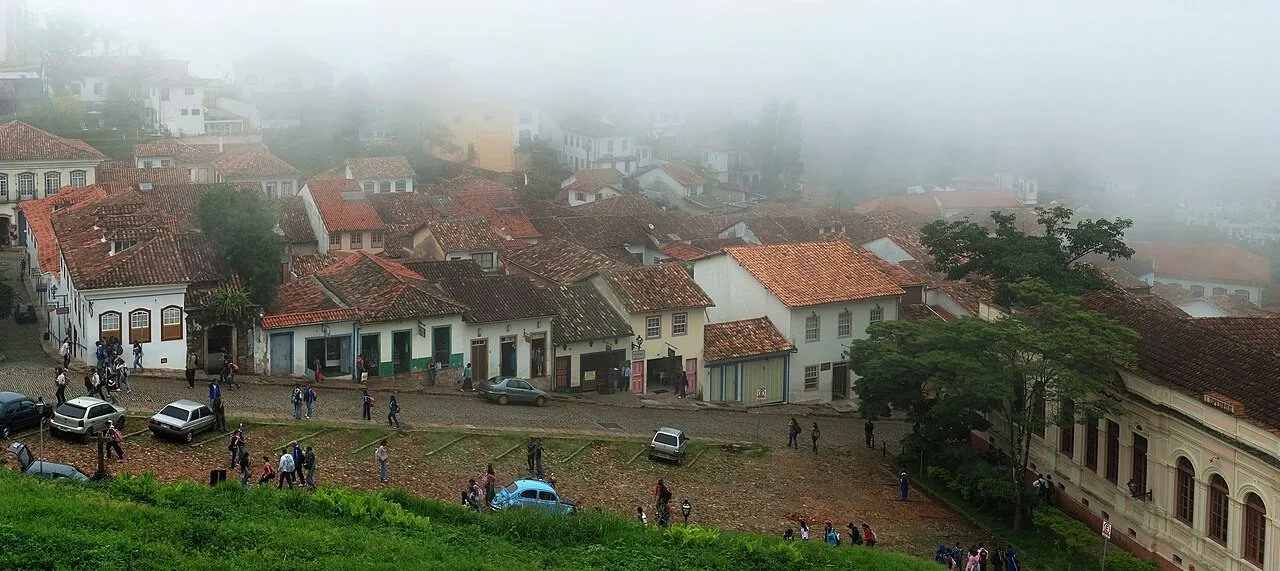
Brazil's built heritage makes more sense when the people behind it stay in view. Indigenous communities belong to the country's present as well as its past. Colonial ports, plantation economies and mining towns were shaped by forced labour and the Atlantic slave trade. Architecture is one way into these histories, rather than the whole story.
Salvador was Brazil's first capital, from 1549 to 1763. In Minas Gerais, Ouro Preto's historic fabric reflects the gold-mining economy. A guided visit can connect churches and civic buildings to labour, faith and resistance, instead of treating them simply as attractive façades.
Brasília's modernist plan tells a different story about building a capital in the interior. The city rewards looking at its overall design as well as individual buildings. Across the country, seek locally led interpretation, ask before photographing ceremonies, and allow time for food, language and contemporary culture alongside monuments.
Brazil geography FAQ
How many regions does Brazil have?
There are five official macroregions: North, Northeast, Central-West, Southeast and South. They group states; they are different from Brazil's six biome categories.
Is the Pantanal part of the Amazon?
They are distinct biomes. A Pantanal wetland trip and an Amazon forest trip require different gateway and activity decisions. Compare the actual location of a lodge rather than the broad “Brazil wildlife” label.
Are Rio and São Paulo in the same region?
Yes, both are in the Southeast. That does not make the journey between them a local transfer, especially if you add a coastal stop. Check transport and allocate the travel day.
Which region contains Iguaçu Falls?
The Brazilian falls are in Paraná, in the South, with Foz do Iguaçu as the usual Brazilian gateway. Visiting the Argentine side means an international crossing with separate requirements.
Can I use one city as a base for the whole country?
A single city can anchor a regional trip. A wider journey involving the Amazon, Pantanal, Northeast and southern falls needs overnight stays in several places; repeated long-distance day trips would leave little time at the destinations.
Tours, Tickets & Experiences
Brazil Travel Tips & Inspiration