
NORWAY · OSLO GUIDE
Oslo Best Time to Visit: Weather, Seasons & Daylight
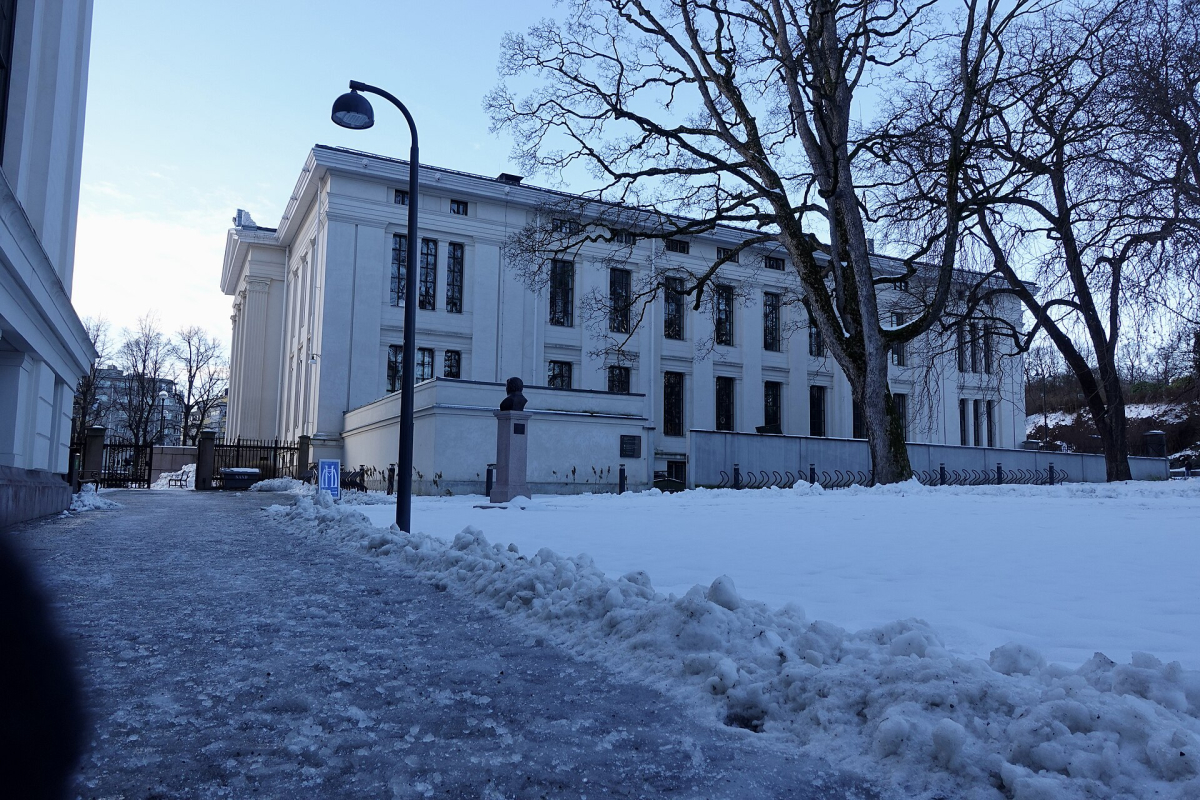
For a first Oslo trip combining the waterfront, parks and museums, June to August is the easiest starting point: the days are long and outdoor activities fit around indoor visits. Choose late May or early September if you prefer a cooler city break with a flexible outdoor plan. Winter suits travellers who enjoy museums, performances and a short daylight outing, with snow activities added only when conditions allow. These are editorial recommendations; your dates, interests and accommodation quote matter more than a single “best month”.
Oslo changes substantially through the year. Use the monthly climate and daylight table to choose your season, then check the forecast and operating dates before booking weather-dependent activities. Climate data, daylight examples and hotel statistics below were checked on 18 October 2026.
Choose Your Season
| Season | Best fit | Main trade-off |
|---|---|---|
| Spring · Mar–May | City walks, gardens and 17 May celebrations | March can still feel wintry; holiday dates need advance planning |
| Summer · Jun–Aug | Islands, waterfront evenings, parks and outdoor events | Popular departures and events can be busy; rain remains possible |
| Autumn · Sep–Nov | Urban walks, park colours, cafés and cultural programmes | Daylight contracts quickly; “shoulder season” does not guarantee cheap rooms |
| Winter · Dec–Feb | Museums, performances and conditional snow outings | Short days, slippery surfaces and extra clothing; no reliable city-centre snow guarantee |
Jump to monthly temperatures and daylight, spring, summer, autumn, winter or crowds and hotel prices.
Oslo by Month: Temperature and Daylight
The temperature column is the 1991–2020 normal monthly mean at Oslo–Blindern, the weather station at 94 metres shown in JMA’s ClimatView. It averages days and nights: it is neither an expected afternoon high nor a night-time minimum. Actual days can be considerably warmer or colder. JMA explains the 1991–2020 reference period; these long-term normals are not a forecast for your visit.
Daylight is a dated example for the 15th of each month in 2026, calculated as sunset minus sunrise for central Oslo, 59.91° N / 10.75° E, from MET Norway Sunrise 3.0. It is not a monthly average or a measure of clear-sky sunshine. Buildings, hills, cloud and your exact location affect the light you experience.
| Month | Mean °C | Daylight · 15th, 2026 |
|---|---|---|
| January | −2.3 | 6h 45m |
| February | −2.0 | 9h 14m |
| March | 1.3 | 11h 45m |
| April | 6.1 | 14h 33m |
| May | 11.4 | 17h 08m |
| June | 15.2 | 18h 47m |
| July | 17.6 | 18h 02m |
| August | 16.4 | 15h 38m |
| September | 12.0 | 12h 54m |
| October | 6.5 | 10h 13m |
| November | 2.1 | 7h 34m |
| December | −1.4 | 5h 57m |
Monthly temperature data: Japan Meteorological Agency, ClimatView, Oslo–Blindern. Daylight calculation: MET Norway Sunrise 3.0, used with attribution under its open-data licence. The local CET/CEST offset for each example date was applied.
Rain, Snow and Local Differences
There is no dependable rain-free Oslo season. In the same ClimatView normals, March has about 44 mm of monthly precipitation, July about 86 mm and August about 104 mm. Those totals include precipitation over the whole month; they do not say how many hours your particular weekend will be wet. A short heavy shower and several damp days can produce similar totals. Pack a rain layer even for a July visit.
Use Blindern as a city climate reference. An exposed fjord crossing, a sheltered courtyard and the higher forest areas are different settings; the table is not a temperature reading for Gardermoen or a ski trail. Winter precipitation can fall as snow, sleet or rain, and thaw followed by freezing can affect footing. Check the Oslo forecast on Yr close to departure, including wind and precipitation, then look at your actual outdoor destination.
Spring: March to May
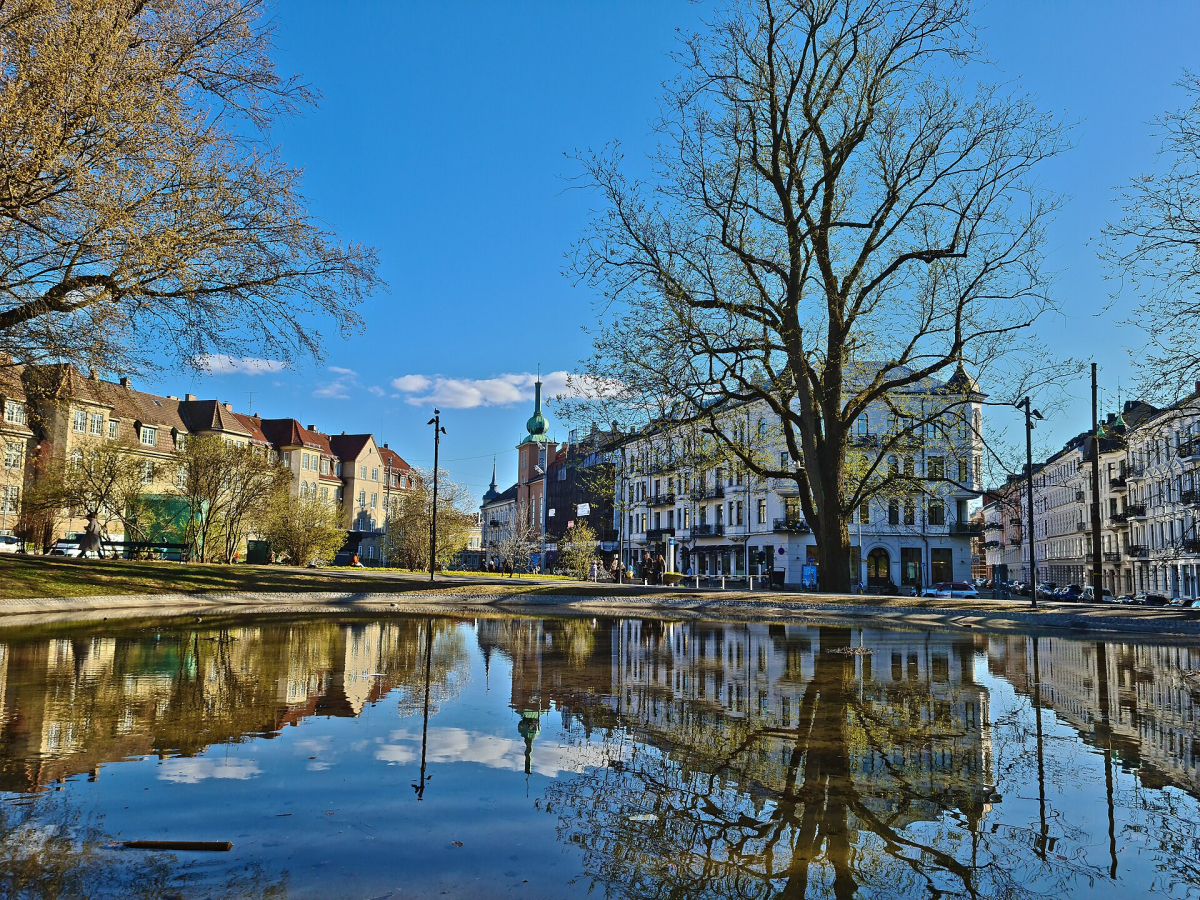
Spring is a transition rather than a single weather pattern. The normal monthly mean rises from 1.3°C in March to 11.4°C in May, while the daylight examples expand from 11h 45m to 17h 08m. March can still involve icy paths and winter clothing; by later spring, a park walk and an outdoor café stop are more realistic parts of a city day. A sunny sheltered seat can feel very different from the waterfront after dusk.
For a flexible April or May itinerary, pair St. Hanshaugen or the Botanical Garden with a nearby indoor visit, then decide the length of the walk on the day. VisitOSLO describes cherry blossom around late April and early May, but flowering varies with the year: choose a garden visit for the whole setting rather than booking a trip around one guaranteed bloom date. VisitOSLO’s spring guide also flags Easter opening changes and the importance of advance restaurant reservations for 17 May.
Choose spring if you want longer walking days without making swimming the centre of the trip. Around Easter, confirm the museum, restaurant and shop hours you need; quiet streets do not mean everything is open. For Constitution Day, book accommodation and meals early and allow space for crowds and transport changes. The 17 May planning section keeps the celebration details separate from a normal sightseeing day.
Summer: June to August
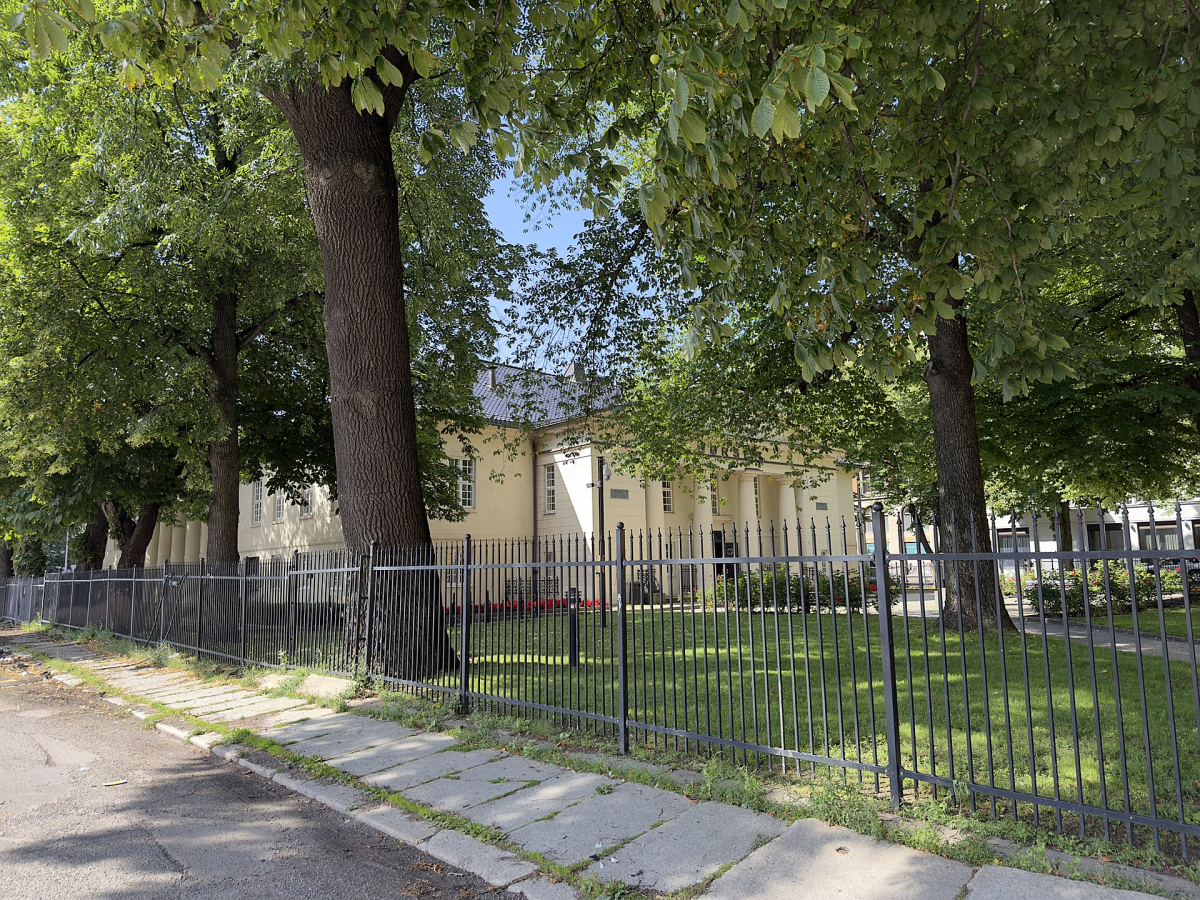
Summer offers the broadest outdoor choice. June has the longest daylight of the monthly examples, while July has the highest normal monthly mean, 17.6°C. That figure includes cooler nights; it is not an afternoon ceiling. Schedule a museum in the middle of a day and use an evening for the harbour promenade, rather than putting every outdoor activity into the same weather-sensitive afternoon.
For islands and beaches, start with the date-specific ferry timetable and the return departure. On a warm weekend, allow extra time at popular boarding points and have a mainland alternative. Swimming depends on water temperature, water quality and conditions on the day; the summer air average cannot answer those questions. The Oslo beaches guide covers the water-specific checks, and Getting Around explains regular ferries and local tickets.
VisitOSLO’s summer guide highlights fjord activities, parks and outdoor events. That variety makes June–August a useful first-visit choice, but festivals and large concerts can concentrate demand on particular dates. Compare your options with the festival calendar before committing to a non-refundable room. For families, keep one indoor alternative and a warm layer for the boat even when the city feels hot.
Autumn: September to November
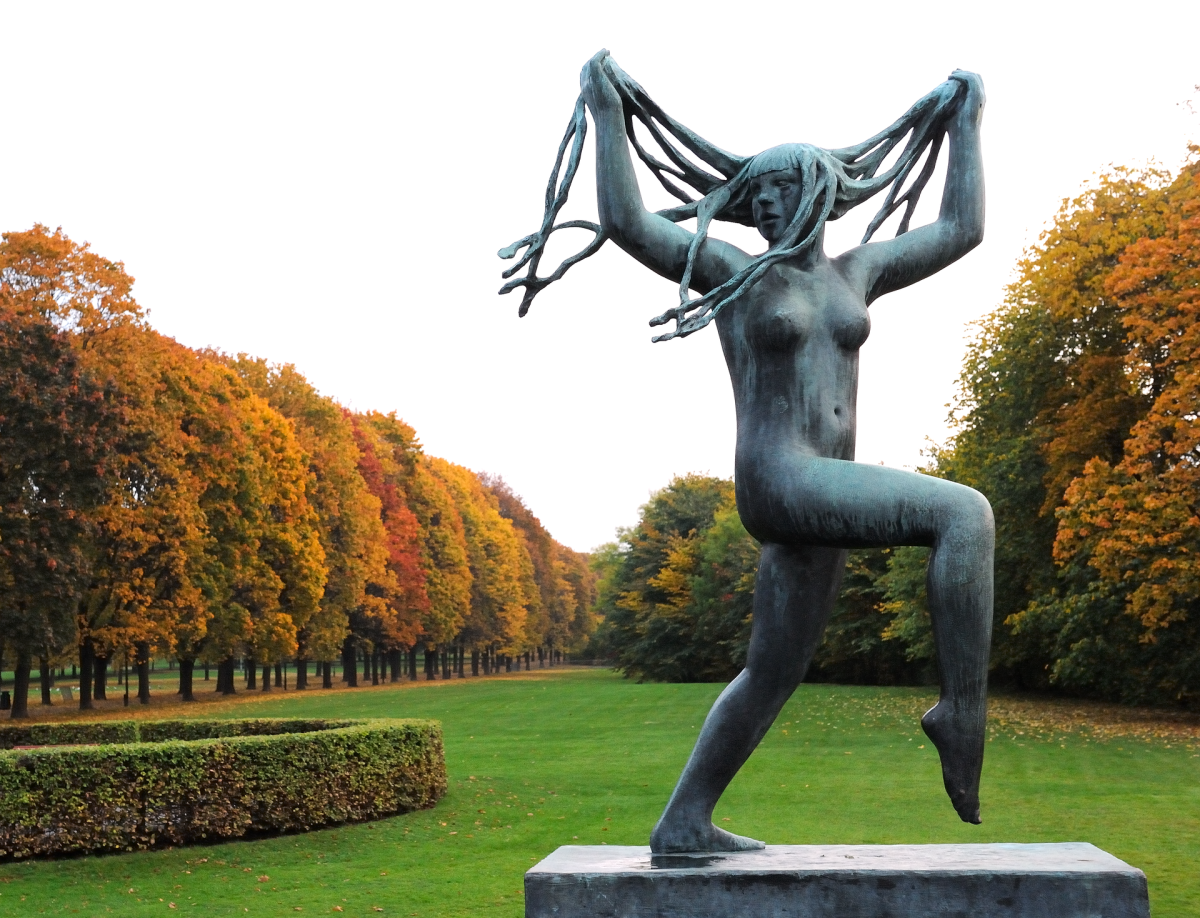
Early September can be a useful compromise for walking and culture: its normal mean is 12.0°C and the mid-month daylight example is 12h 54m. By November, the comparable figures are 2.1°C and 7h 34m. Treat September and November as different trips when deciding how much outdoor ground to cover. Park colours also depend on species, weather and the year; the photograph illustrates an October scene rather than a fixed annual peak.
A practical autumn day combines Frogner Park with a museum or café stop, or a shorter Akerselva walk with indoor time in the same district. Wet leaves, steps and early darkness can slow you down. Make a shorter loop if the surface is poor, and keep viewpoints to daylight when the return route is unfamiliar. See VisitOSLO’s autumn suggestions for seasonal inspiration.
Choose autumn if you enjoy changing park scenery and a cultural city break, and can adapt the outdoor portion each day. It can be easier to find a quieter walk away from headline attractions, but a major concert, festival or conference can still fill rooms. Do not use the label “off-season” as a substitute for comparing the actual dates.
Winter: December to February
Winter works best when the city itself is the main plan. Use the limited daylight for one substantial outdoor stop and leave cafés, collections and performances for later. December’s normal mean is −1.4°C, January’s −2.3°C and February’s −2.0°C; cold spells can be much colder. The snowy university photograph at the top was taken in February 2022 and does not promise that snow will be present on your dates.
A central museum day with a short harbour or park walk is a more flexible starting point than an itinerary requiring continuous snow. If skiing is a priority, check the actual resort or trail report, operating arrangements and return transport before travelling out. City streets and the forest can have different conditions. Ice on a lake is a separate safety question; cold weather, snow cover or other people on the surface do not establish that it is safe.
VisitOSLO’s winter guide covers seasonal activities. Christmas markets add an evening option, but market dates, holiday closures and restaurant hours need checking in the Christmas market guide. November or December decorations do not mean winter sports are operating. Choose a central base near the activities you intend to use, and allow extra time for walking on snow or ice.
Make Daylight Work for Your Trip
Oslo has neither midnight sun nor polar night. In the June example the sun still sets; in December it still rises. Summer twilight can feel very long, so an eye mask may help if you are sensitive to light. In winter, daylight is a limited planning resource: a late hotel breakfast can consume a noticeable share of the outdoor window.
For photography, decide whether you need daylight, low-angle light or illuminated buildings; those are different goals. Use the date-specific photo light guide and check access before setting out. Oslo should not be booked as a reliable northern-lights destination: a normal city break needs activities that remain worthwhile without an aurora sighting.
Crowds and Prices: Compare Dates, Not Just Seasons
Summer waterfronts, warm-weather island sailings and major celebrations can be busy. Quieter weather or fewer people in a park does not necessarily produce a cheaper hotel quote. The following historical Oslo county hotel statistics illustrate the difference. They are selected monthly examples, not a complete season ranking or a prediction for your next booking.
| Observed month | Price per room · NOK | Room occupancy |
|---|---|---|
| Jan 2025 | 1,330 | 58% |
| Apr 2025 | 1,398 | 62% |
| Jul 2025 | 1,550 | 75% |
| Oct 2025 | 1,607 | 74% |
| Aug 2026 | 1,873 | 86% |
Source: Statistics Norway, table 14168, region 03 Oslo–Oslove, checked 18 October 2026; latest available month was August 2026. SSB’s statistical room-revenue measure excludes VAT, breakfast and other extras under its accommodation definitions. These are aggregate observed figures, not consumer room offers, per-person prices or a promise of availability.
In this 2025 selection, October’s room figure was higher than July’s even though room occupancy was slightly lower. This shows why “autumn is always cheaper” is a poor booking rule; the table does not identify the cause. Compare the same room type, guest count, breakfast, cancellation conditions and total payable amount for your actual dates. Moving a stay by a few days or comparing weekday and weekend options is a useful search method, not a guaranteed discount.
For a value-focused trip, first shortlist dates without an event you are unwilling to pay extra to attend. Then compare the full trip cost: accommodation, arrival, transport and your planned activities. A cheaper room farther out may add travel time, especially in short daylight. The hotel guide, neighbourhood comparison and costs and money guide support those decisions.
What to Pack and How to Adapt
- Every season: comfortable footwear with grip, a waterproof layer, a charged phone and an indoor alternative close to the day’s outdoor stop.
- Spring and autumn: removable warm layers and shoes suitable for damp paths; allow for a much cooler evening than the sheltered midday stop.
- Summer: sun protection, drinking water and an extra layer for exposed ferries or late walks. Bring swimwear only if swimming is part of your plan.
- Winter: insulated layers, hat, gloves and appropriate footwear; check whether your chosen route has steps or untreated surfaces before adding more walking.
When the forecast is poor, choose one area rather than repeatedly crossing the city: Bjørvika combines indoor culture with a short waterfront walk, while a west-side day can link indoor collections with a weather-dependent park visit. Use Attractions to check the places you actually want to enter and adapt the one-, two- and three-day itineraries to the daylight available. Opening hours and the live forecast should make the final decision, whatever the calendar says.



_Tollbugata_Street_NORWAY_built_1829,_1911_B%C3%98RSHAGEN_Park_facing_north_east_Smijernsgjerde_(wrought_iron_fence_Trees_Sunny_summer_etc_2023-07-29_IMG_9708.jpg)
