NORWAY · OSLO GUIDE
Oslo Health & Safety: Emergencies, Hospitals & Pharmacies

Knowing which service to use makes a difficult moment easier to manage. In Oslo, call 113 for a medical emergency, use 116 117 for urgent medical advice when help cannot wait, and look for an apotek for pharmacy services. This guide brings together the main contacts, two hospital campuses, round-the-clock pharmacies and practical precautions for the city, waterfront and forests.
Information checked: 18 October 2026. Save the contacts and your accommodation address before going out. Opening arrangements and transport works can change; the official links below provide the current service information.
Emergency Numbers: Save These First
| When you need help | Number to call in Norway |
|---|---|
| Medical emergency — serious illness or injury, or a situation that may threaten life | Call 113 |
| Fire and rescue — a fire or another emergency requiring the fire service | Call 110 |
| Police emergency — immediate police assistance | Call 112 |
| Urgent medical advice — help cannot wait, but there is no immediate danger to life | 116 117 |
| Suspected poisoning — medicines, chemicals, mushrooms or another possible poison. +47 22 59 13 00 | Call |
| Non-emergency police — matters that do not require an immediate emergency response | 02800 |
The emergency services use three national numbers: DSB confirms 110, 112 and 113. Dial the short emergency number directly while in Norway. The police contact page explains 112 and the non-emergency switchboard, including calling from abroad. Do not use the emergency line for a routine lost-property enquiry.
What to tell the operator
Give your location first: street and building number, hotel name, station entrance, island or trail location. Explain what happened, how many people need assistance and your callback number; ask to continue in English if needed. Follow the operator’s instructions. A hotel address saved on your phone is useful, but it is not your location if the incident happens at a beach or in Nordmarka. Let a companion meet responders at the entrance when instructed.
The Norwegian Poisons Information Centre answers around the clock and can provide advice in English. Contact it promptly for suspected poisoning rather than waiting for symptoms. For serious or life-threatening symptoms, call 113.
Legevakten: Oslo’s 24-Hour Urgent Care
Address: Trondheimsveien 233, Aker sykehus. Oslo Legevakten is part of the public health service and is open 24 hours a day, including public holidays. Use this current address rather than an old listing for Storgata. For illness when your regular doctor is unavailable, or when you are visiting Oslo and treatment cannot wait, call 116 117 for an assessment before travelling. Oslo also lists +47 23 48 72 00 as its alternative number.
For injuries such as suspected fractures, sprains or wounds, the city says you may attend the injury service directly. A nurse assesses arrivals and prioritises according to urgency; arrival order does not determine treatment order. Serious or potentially life-threatening illness or injury belongs with 113. See the City of Oslo’s English urgent-care guidance.
For a journey you are well enough to make independently, plan to Aker sykehus in Trondheimsveien, the nearest bus stop listed by the city’s arrival directions. Use the Ruter journey planner for the actual departure time and access route. Do not choose a bus or taxi instead of calling for an ambulance in an emergency.
Hospitals: Know the Campus and Entrance
Oslo University Hospital has several locations. A hospital name alone is not enough for a taxi destination or an appointment: confirm the campus, building and department on your referral or discharge papers. For urgent illness, start with 116 117; in an emergency, call 113 and let the medical service direct the response.
Ullevål Hospital — Kirkeveien 166
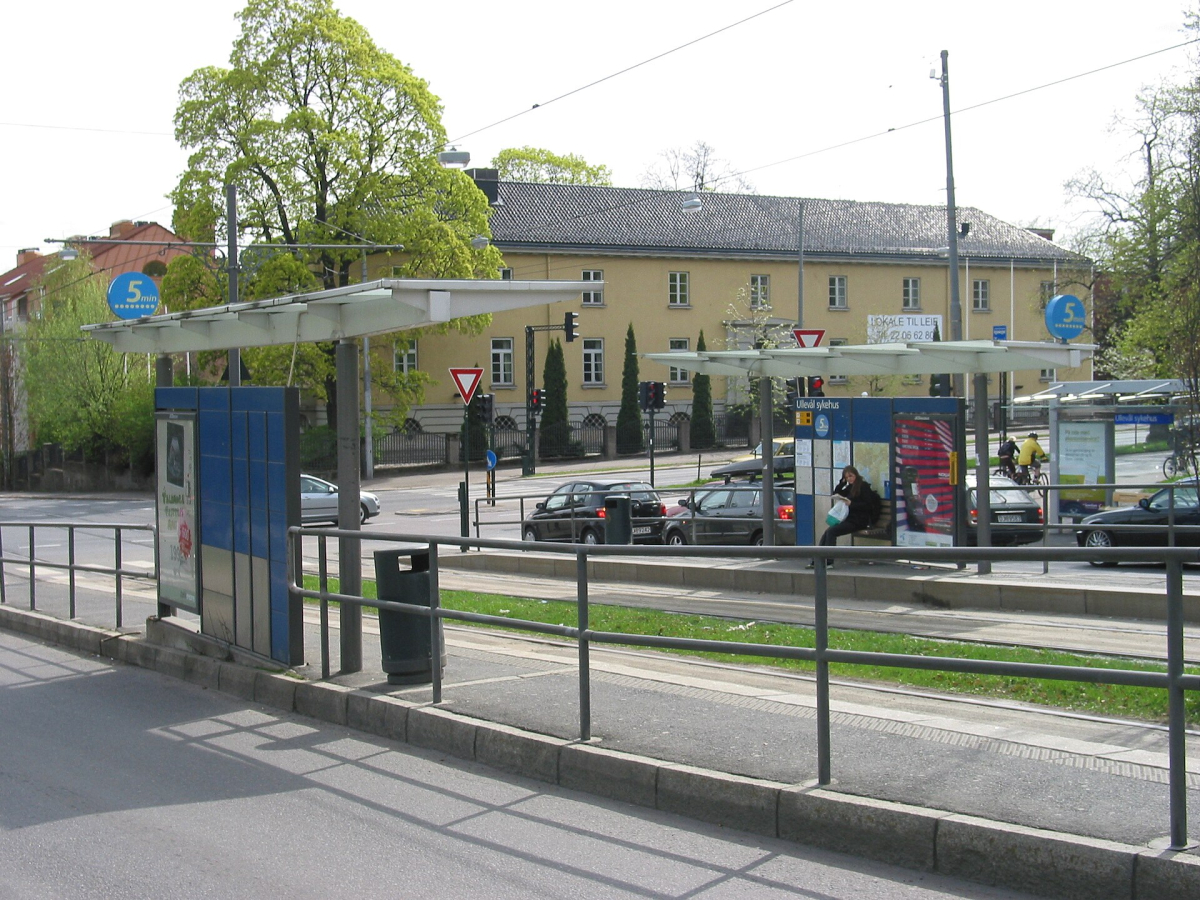
Ullevål sykehus, Kirkeveien 166, 0450 Oslo. The hospital lists its main entrance in building 4, behind the tower building. This is a large campus; use the department’s instructions and the official Ullevål directions and campus information to identify the correct destination. Bus and tram stops serve the main entrance. Check the current Ruter route rather than using a historical transport photograph as service information.
If you are visiting a patient, confirm visiting arrangements with the ward. For an appointment, allow time to find the building after arriving at the campus. Keep the name of the department in Norwegian on your phone so that reception staff or a driver can identify it accurately.
Rikshospitalet — Sognsvannsveien 20
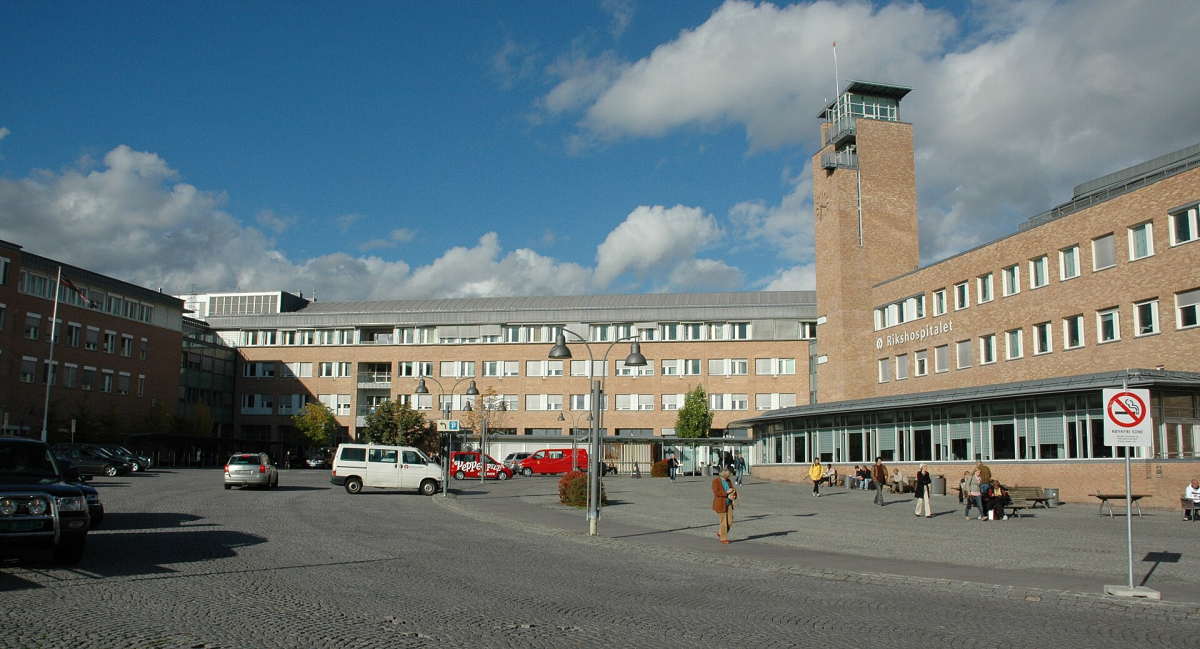
Rikshospitalet, Sognsvannsveien 20, 0372 Oslo. The main entrance is in building B2. At the check date, the hospital says the Rikshospitalet tram stop is closed because of construction; trams turn at Gaustadalléen, approximately 100 metres from the main entrance. Follow the hospital’s current arrival guidance and your department’s instructions.
Dated transport warning: both hospital pages flag an almost network-wide Oslo metro closure on 19–22 November 2026. If your visit falls on those dates, check replacement transport and allow additional time. This is a scheduled disruption, not a permanent description of access.
Pharmacies, Including Two 24-Hour Options
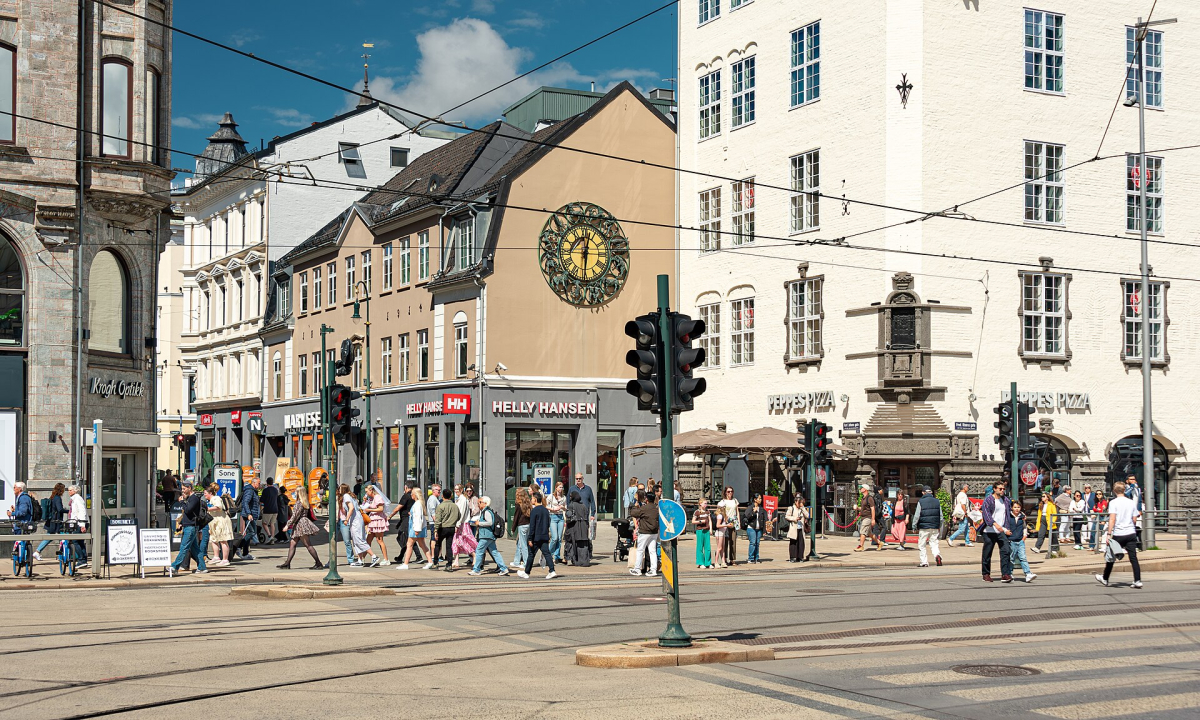
Vitusapotek Jernbanetorget — opposite Oslo S
Jernbanetorget 4 B, 0154 Oslo. This pharmacy is outside Oslo Central Station and lists 24-hour opening every day. Its night entrance faces Europarådets plass; do not assume that an entrance inside the station will remain open. Telephone: +47 23 35 81 00. Check the pharmacy’s own listing for access and service updates.
Sykehusapoteket Oslo, Aker — at Legevakten
Trondheimsveien 233, building 40, 0586 Oslo. The pharmacy is in the Legevakten building and confirms that it opens 24 hours a day, 365 days a year. It is a practical option after treatment at urgent care. Telephone: +47 23 01 38 80. See Sykehusapoteket’s Aker page.
For routine needs, ask a pharmacist about the appropriate product and how to use it, especially for children, pregnancy, allergies or interactions with existing medication. Call ahead about a particular medicine: opening around the clock does not mean every product is in stock. If you need clinical assessment, a pharmacy purchase is not a substitute for medical care.
Healthcare Costs, Health Cards and Insurance
| Your situation | What to prepare |
|---|---|
| Eligible EU/EEA, Swiss or UK visitor | Bring your physical EHIC or accepted UK GHIC, plus identification. Eligibility and the type of provider matter; public patient fees may still apply. |
| Visitor without cover under these arrangements | Check your own entitlement and insurance. You may need to pay treatment costs; specific reciprocal arrangements can apply. |
| Anyone needing urgent medical care | Seek help promptly. Keep insurance and identity details ready, but do not postpone an emergency call while checking reimbursement. |
Helsenorge explains EHIC/GHIC eligibility, including exceptions based on residence and citizenship. A valid physical card can cover medically necessary public healthcare during a temporary stay on Norwegian terms. It does not cover every fee, ordinary private treatment or repatriation. If entitled but missing your card, ask your home authority about a Provisional Replacement Certificate. Keep original invoices, receipts, prescriptions and referrals for claims.
Helsenorge’s other visitor guidance confirms that everyone staying in Norway is entitled to urgently necessary care. Reimbursement is a separate question: most visitors outside the relevant arrangements need their own cover, while qualifying Australian residents have a specific agreement. Check travel insurance for medical care, activities and getting home.
There is no single consultation price that accurately describes every visitor’s bill. Oslo Legevakten distinguishes between services, and charges depend on treatment and entitlement. Ask the provider about fees for non-emergency care and whether it has a public reimbursement agreement. Before booking a private appointment, check payment and insurance arrangements with the clinic and your insurer.
Regular Medicines and Ongoing Health Needs
Carry essential medicines in their original packaging, with a readable prescription or clinician’s letter where appropriate. Keep a list of generic medicine names, strengths, allergies and your usual schedule; a brand name used at home may be unfamiliar locally. Discuss storage, cold-chain requirements and a delayed return journey with your own clinician before departure.
Do not assume a foreign electronic prescription will work at a Norwegian pharmacy. Ask the pharmacist what documentation is acceptable and whether a local consultation is needed. The Norwegian Medical Products Agency’s travel rules apply when bringing medicines into Norway; controlled medicines require particular attention. The Travel Essentials customs section covers arrival preparation.
For dialysis, oxygen or other care that must continue during a trip, arrange treatment well before travelling. Helsenorge specifically advises advance arrangements for oxygen and dialysis within the public system where entitlement applies. Tell accommodation staff about practical access needs without relying on them to arrange specialist care on arrival.
Everyday City Safety: Bags, Payments and Nights Out
The UK government’s Norway advice identifies petty theft as a risk around airports and railway stations in and around Oslo. Keep luggage within sight while reading departure boards or buying tickets, close your bag on crowded vehicles, and avoid leaving a phone on a café table beside a busy pavement.
- Separate backups: keep a spare payment card and copies of important documents away from your everyday wallet.
- Verify unexpected requests: contact your bank through its own app or a saved number before sharing information or making a pressured payment.
- Plan the return: check your actual last departure, not only the outward journey. Use an identifiable taxi operator and confirm the fare basis before travelling.
- Look after companions: agree where to meet if separated, watch your own drink and ask venue staff for help if you feel threatened or unwell.
- Follow local instructions: move away from disorder and respect barriers, closures and police directions.
For theft without immediate danger, contact police through 02800 or the official reporting guidance. Block missing cards with the issuer. For a missing passport, contact your embassy or consulate about replacement documents and ask whether a police report is required. A lost bag on a bus belongs first with the relevant operator’s lost-property service; record the line, direction, time and vehicle details if available.
Winter Footing, Roads and the Waterfront
Wear footwear suited to slippery pavements and take shorter steps where surfaces are icy. Leave extra time for hills, stairs and the walk from a stop to your destination. Keep removable traction aids for outdoor use and remove them where required indoors. Respect closures on the Opera House roof and waterfront paths rather than stepping around barriers for a photograph.
Cross at designated points and check for trams, bicycles and turning vehicles even near pedestrian areas. Keep your attention on the crossing rather than a navigation screen. For children, choose a meeting point on the safe side of a busy junction and hold hands near platform and quay edges.
At a beach or sauna, identify a safe entry and exit before entering the water. Follow the operator’s rules, avoid swimming alone, and never dive into unknown depth. Stay clear of ferry manoeuvring areas. A frozen lake is not automatically safe to walk on: the city’s winter activity guidance makes natural-ice activities conditional on safe ice. Do not judge safety from a photograph or from other people standing on it.
Islands and Forest Trips: Prepare for the Return
For Nordmarka, Østmarka or an island walk, choose a route within your ability and the daylight available. Check weather and local warnings before leaving, carry a charged phone and offline route information, and tell a companion your plan. Take a warm layer, water and enough supplies for a delay, even when your outward trip begins on ordinary public transport.
Save the return ferry or transport options before leaving the centre. A marked path, beach or island is not necessarily staffed. Turn back while you still have a comfortable margin of time and energy. Follow local fire restrictions and closures; the right of access does not remove these duties. Leave unfamiliar mushrooms and berries alone rather than relying on an image match to identify something edible.
Children, Accessibility and Clear Communication
When seeking help, explain the person’s age, symptoms, relevant conditions and medicines, and describe any communication or mobility needs. Ask staff to confirm instructions you do not understand. For a child, keep the accompanying adult’s contact details accessible and avoid giving medication based only on an adult product or a familiar-looking package.
Confirm the full route to care, including the building entrance and the walk from the transport stop. If you need an accessible vehicle or assistance at an appointment, arrange it with the provider rather than assuming every entrance is suitable. See accessibility planning, Getting Around and Useful Contacts for the relevant organisations and journey checks.