


Sign in
For Photos4Travel editors and team members.
USA · MIAMI GUIDE
Miami Travel Essentials and Fast Facts
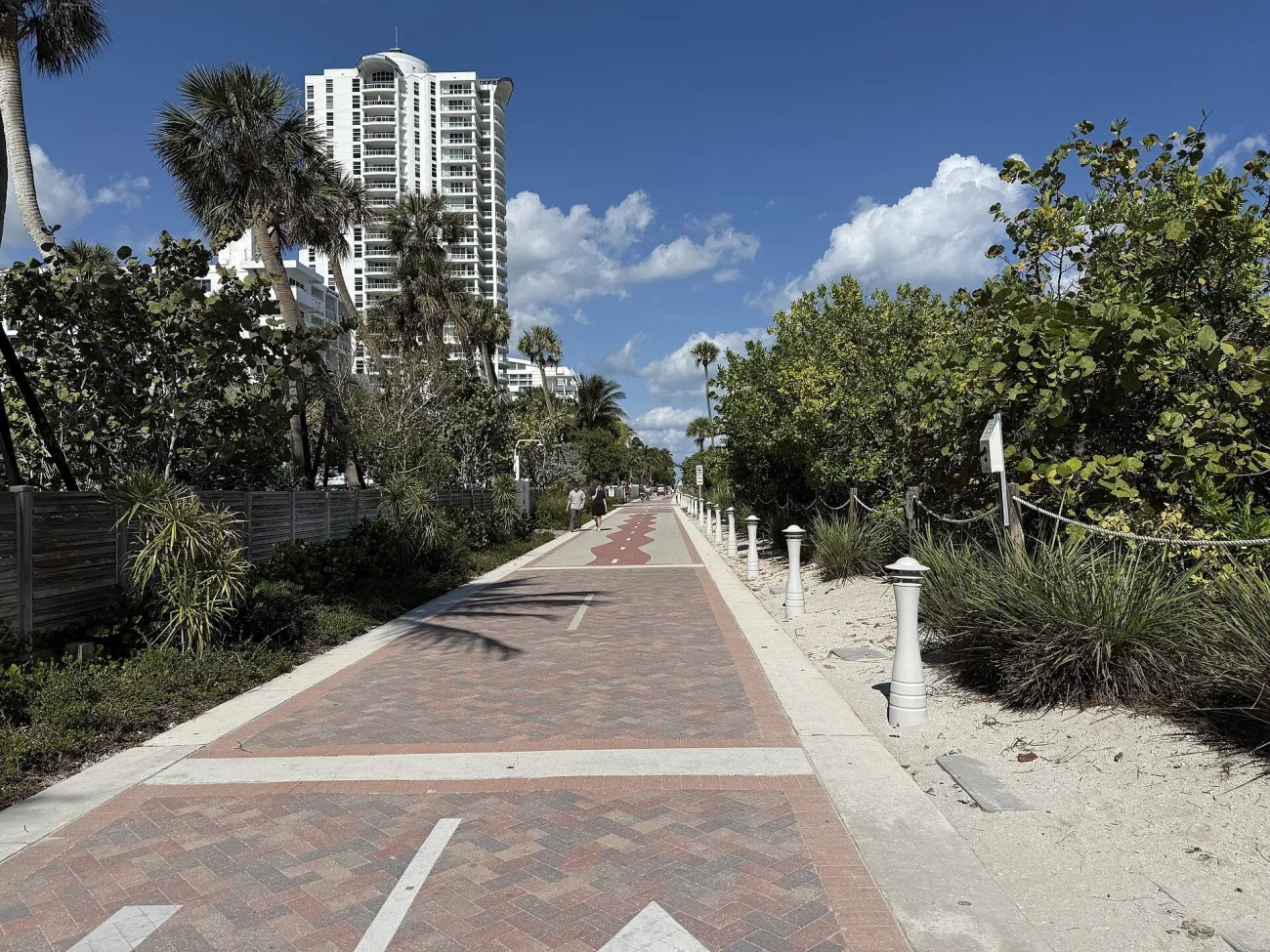
The most useful Miami fact is also an easy one to miss: Miami and Miami Beach are separate cities. A hotel described as being in Miami may put you beside the Atlantic, near a Downtown station, around the airport or in another municipality altogether. The exact address matters more than the broad destination label.
Use these practical essentials before choosing the room and filling the itinerary. Detailed entry rules belong in the USA visa and entry guide, while local emergency and visitor services are gathered in Miami health, safety and useful contacts.
Miami fast facts that help you plan
On a small screen, scroll the table sideways to read each planning point.
| Fact | What it means for your visit |
|---|---|
| Location | Greater Miami is in Miami-Dade County in southeast Florida, USA. |
| Miami and Miami Beach | Separate cities on different sides of Biscayne Bay; check the municipality and full address. |
| Time | Eastern Time; UTC−5 during standard time and UTC−4 during daylight time. Check the date when arranging an international call. |
| Main airport | Miami International Airport, MIA. Fort Lauderdale-Hollywood International, FLL, can also serve a Miami trip but requires a different transfer. |
| Language | English and Spanish are common in everyday visitor settings; Haitian Creole and other languages are also part of the area. |
| Currency | U.S. dollars, USD. Use the actual booking currency and final amount when comparing quotes. |
| Season planning | Use the Miami weather guide for local conditions and dates; the Atlantic hurricane season officially runs 1 June–30 November. |
Save the details you need for the first evening
Keep the hotel's complete address, check-in instructions and a usable phone number available offline. Check whether the booking is for a particular building, tower or privately managed unit. A property name and a neighbourhood label may not be enough to find the correct entrance after a long flight.
Plan the first meal and the transfer before adding sightseeing. A late arrival needs a route that is operating at the time you will actually leave the terminal, including baggage and entry formalities. Check whether the room can receive you after a delayed flight and what happens if the original arrival day changes.
If you are boarding a cruise, save the cruise line's terminal and check-in information separately from the general PortMiami address. A hotel transfer and embarkation are distinct arrangements. Confirm where luggage goes if you want to spend time in the city between them.
Check the complete connection across the bay
Downtown's Metromover, the Miami Beach trolley and Metrorail solve different journeys. A free service in one area does not establish a free or direct route from your room to every attraction. Plot the last walk as well as the rail or bus segment, especially with suitcases or beach equipment.
Keep a direct-ride alternative for a journey that becomes awkward after dinner, during heavy rain or when a service changes. Choose an identifiable pickup location and allow time to reach it. The getting around guide explains local choices; airports and transfers covers arrival and departure.
Pack for the trip between the beach and the city
A light beach bag, a refillable bottle and footwear suitable for the actual walk are useful beyond the room. Bring a way to separate wet swimming clothes from electronics, and keep a dry layer available for time indoors. Pack around the activities you booked rather than assuming a coastal holiday means spending every hour on the sand.
For photography, use a bag you can close and carry comfortably on ordinary transport. A large tripod or elaborate setup may have different venue restrictions from a handheld camera, so check the place where you intend to use it. The photo spots guide distinguishes subjects and practical access.
Check your device's electrical input label and the adapter required for U.S. sockets before departure. Countrywide electrical and general preparation information belongs in USA travel essentials; carrying a plug adapter does not by itself establish voltage compatibility.
Use the national entry rules for a Miami arrival
Miami does not have a separate visitor visa system. Your U.S. travel documents depend on nationality, passport, travel history, purpose and other eligibility conditions. A flight or hotel booking does not establish permission to enter. Use the official government links in the USA visa and entry guide to check the appropriate route.
For a trip involving a cruise, a flight connection or travel onward to another country, check the document requirements for every part. A port call or a brief transit should not be treated as proof that no immigration requirements apply. Keep the confirmed itinerary and accommodation details accessible on arrival.
Check accessibility from the room to the actual destination
Begin with the journeys you expect to repeat. Ask the hotel about the booked room's specific bathroom arrangement, bed access, step-free entrance and route to any pool or beach service you need. A broad accessible label does not answer every individual's requirements.
For public transport, consult the operator's current accessibility and service notices, then check the final pavement, crossings and entrance. A lift at a station is only one part of a journey. If an unavailable lift would prevent the trip, identify a workable alternative before setting out.
At the coast, distinguish a paved promenade, a beach access mat and assistance or equipment for reaching the water. Confirm the exact service, location and availability with the responsible city or park. Museum and attraction pages should likewise be checked for the entrance, seating, toilets and any advance assistance arrangement relevant to you.
Give Miami's neighbourhoods and coast room to function
In Little Havana, Little Haiti and other residential districts, keep entrances and pavements clear while taking pictures. Ask before close portraits and treat a conversation as a conversation, rather than an invitation to photograph someone's work or home. A local guide or a purchase from an independent business can add more to an outing than another quick stop for a social-media image.
On the coast and in parks, use the designated access and follow current signs about protected areas, wildlife and activities. Take litter with you and keep distance from animals. Check the rules for the particular place before flying a drone or organising a larger photo session; an aerial photograph online is not permission for your own flight.
Choose a pace that reduces repeated transfers. One longer neighbourhood visit usually creates more time for a local meal, a museum or a small shop than a series of brief arrivals by car. Use the Miami itineraries to group outings sensibly.
Sources and useful official information
- Miami-Dade municipalities
- Miami International Airport
- Miami-Dade public transport
- Miami Beach trolley
- National Hurricane Center seasonal information
- Accessible travel in Greater Miami
Miami travel essentials FAQ
Are Miami and Miami Beach the same city?
No. They are separate municipalities, on different sides of Biscayne Bay. Use the full address and the actual route when choosing accommodation and transport.
Which airport should I use for Miami?
MIA is Miami International Airport. FLL can also be an option, but compare its full transfer to your accommodation with the flight saving and arrival time.
Do I need to speak Spanish in Miami?
Spanish is common and a few courteous phrases can be useful, but many visitor services also operate in English. Ask the particular provider if you need assistance in a specific language.
Does a hotel or station marked accessible cover my whole journey?
No single label establishes every detail. Check the room, entrance, transport connection, final route and the particular facilities or assistance you need.
Tours, Tickets & Experiences
Miami Travel Tips & Inspiration