
Three habits matter most: be at the archaeological sites when the gates open, shoot colonial towns in the last hour of light, and treat people with the same respect as you would at home.
The Best Photo Spots
Sunrise and sunset advice is based on which way each place faces.
If the columns do not fit your screen, scroll sideways to see the full table.
| Spot | Where | Best light | Why go |
|---|---|---|---|
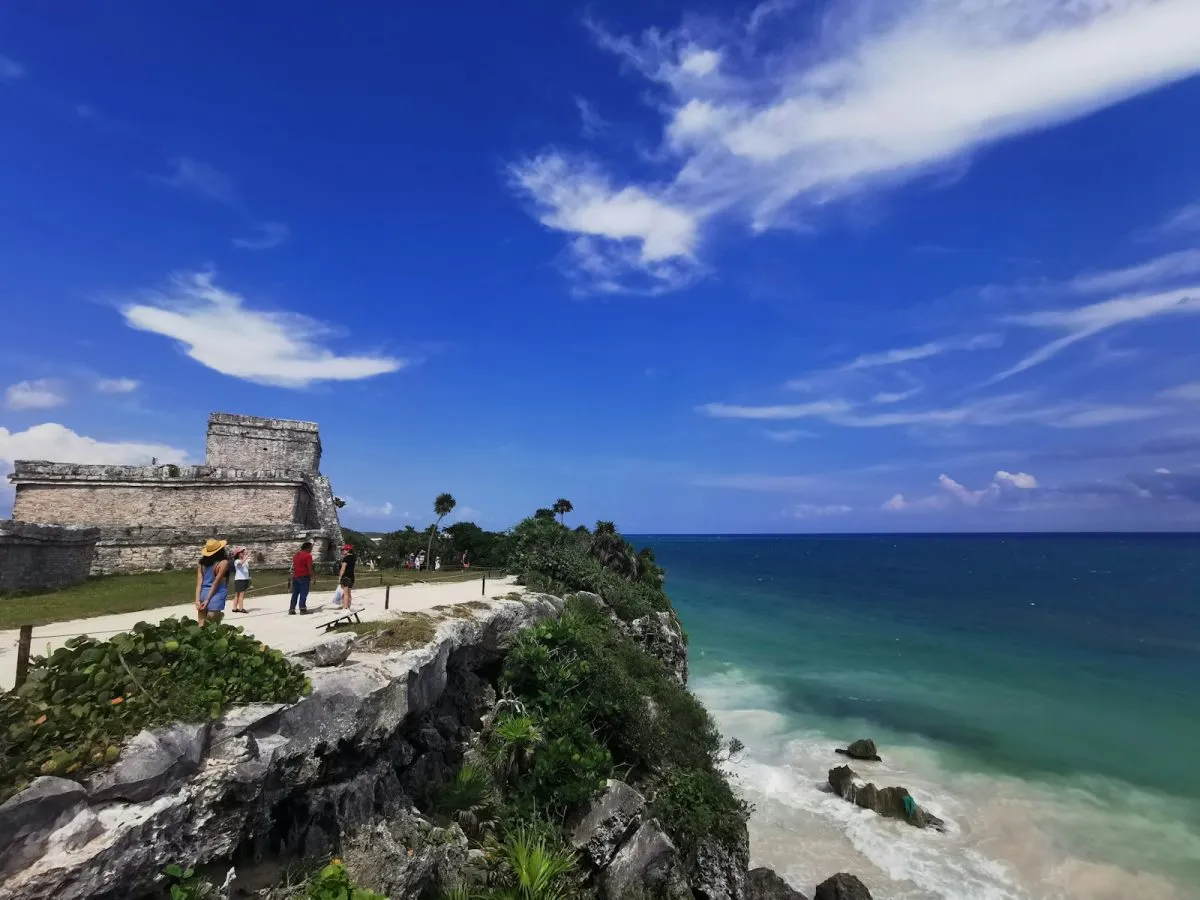
| Tulum ruins | Quintana Roo | Early morning; the sea lies to the east | Temple above the Caribbean |
| El Castillo, Chichén Itzá | Yucatán | At opening | Clean lines before the crowds |
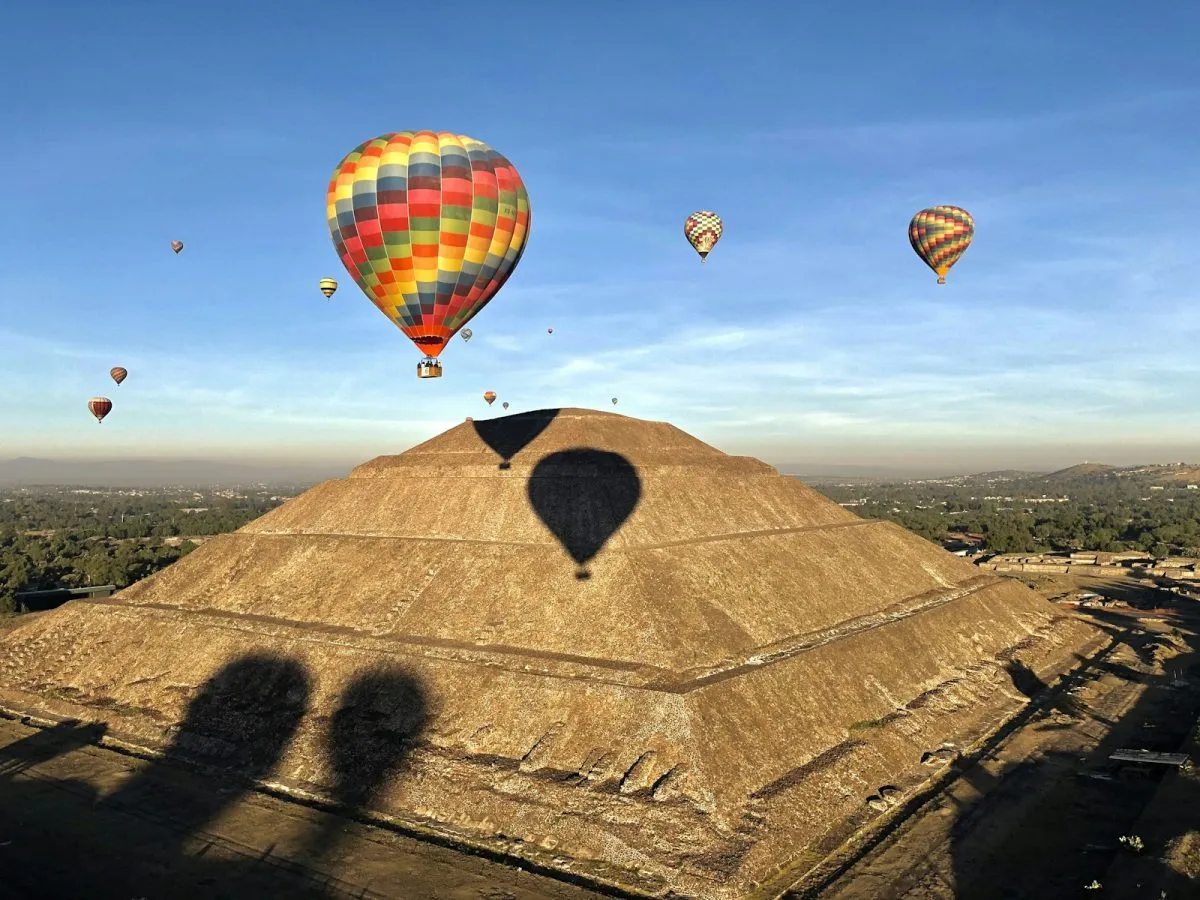
| Pyramid of the Sun | Teotihuacán | Early morning, or from a balloon | The scale of the Avenue of the Dead |
| Monte Albán | Oaxaca | Late afternoon | Terraces with mountains behind |
| Hierve el Agua | Oaxaca | Early or late | Mineral pools and huge views |
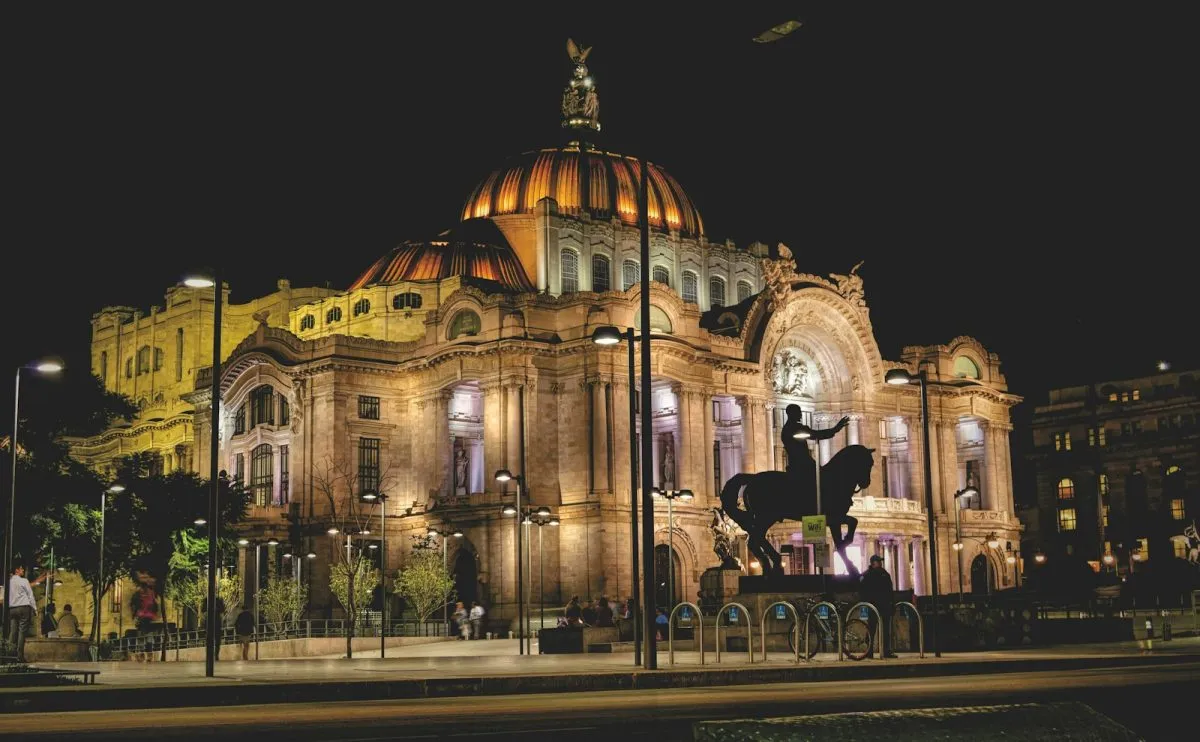
| Palacio de Bellas Artes | Mexico City | Blue hour | Marble, domes and traffic light |
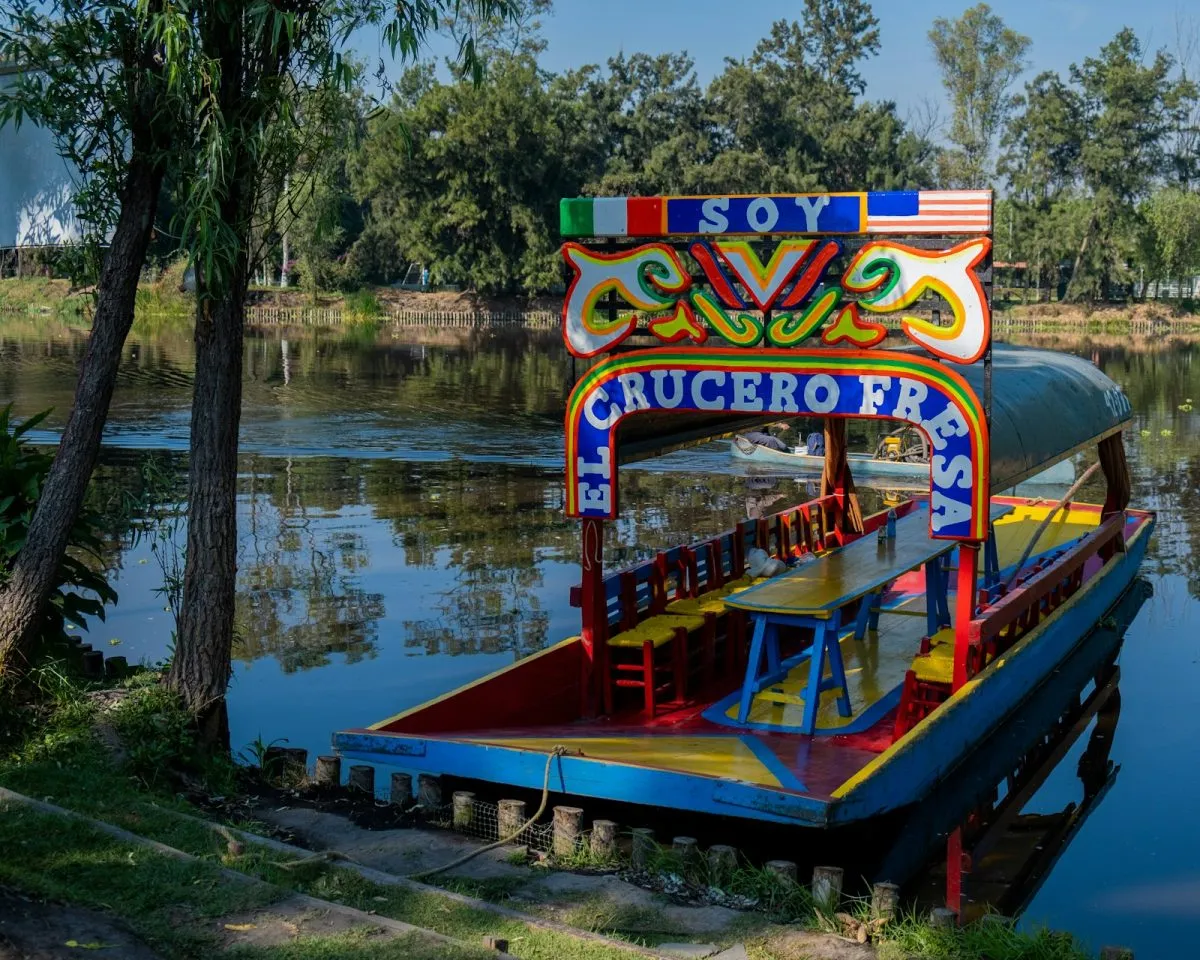
| Xochimilco | Mexico City | Morning | The colours of the trajineras |
| Parroquia | San Miguel de Allende | Golden hour | Pink stone and a famous skyline |
| Guanajuato viewpoints | Guanajuato | Sunset | Rows of painted houses |
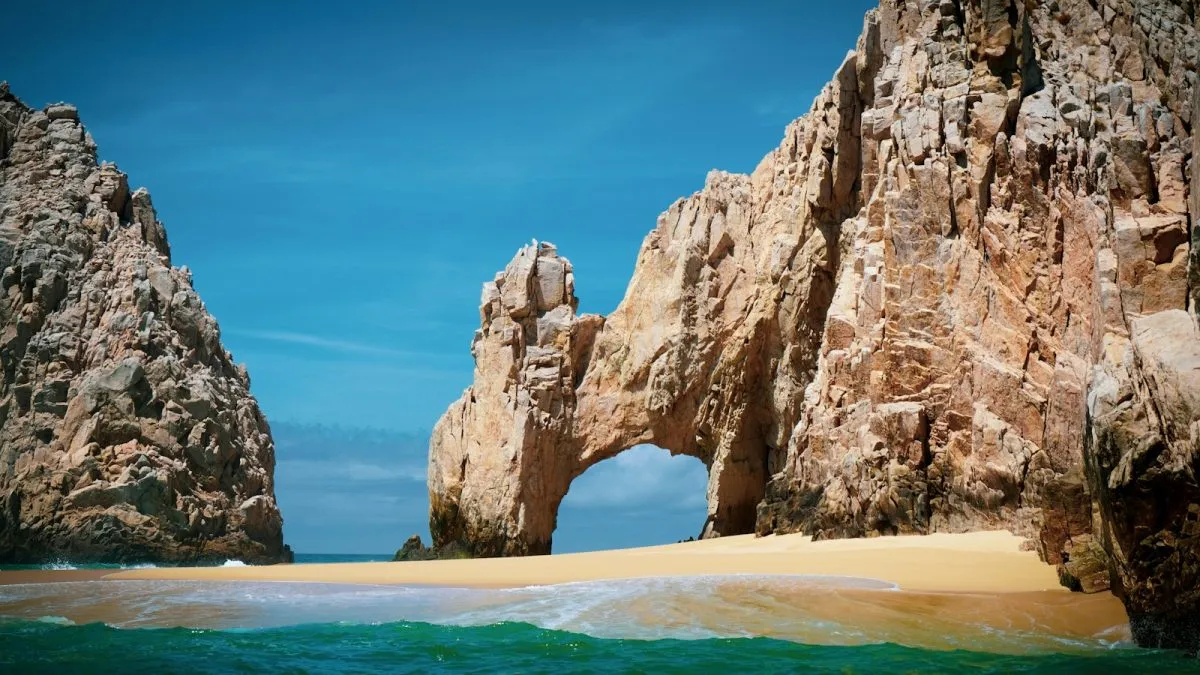
| El Arco | Cabo San Lucas | From a boat, in the morning | The arch at Land's End |
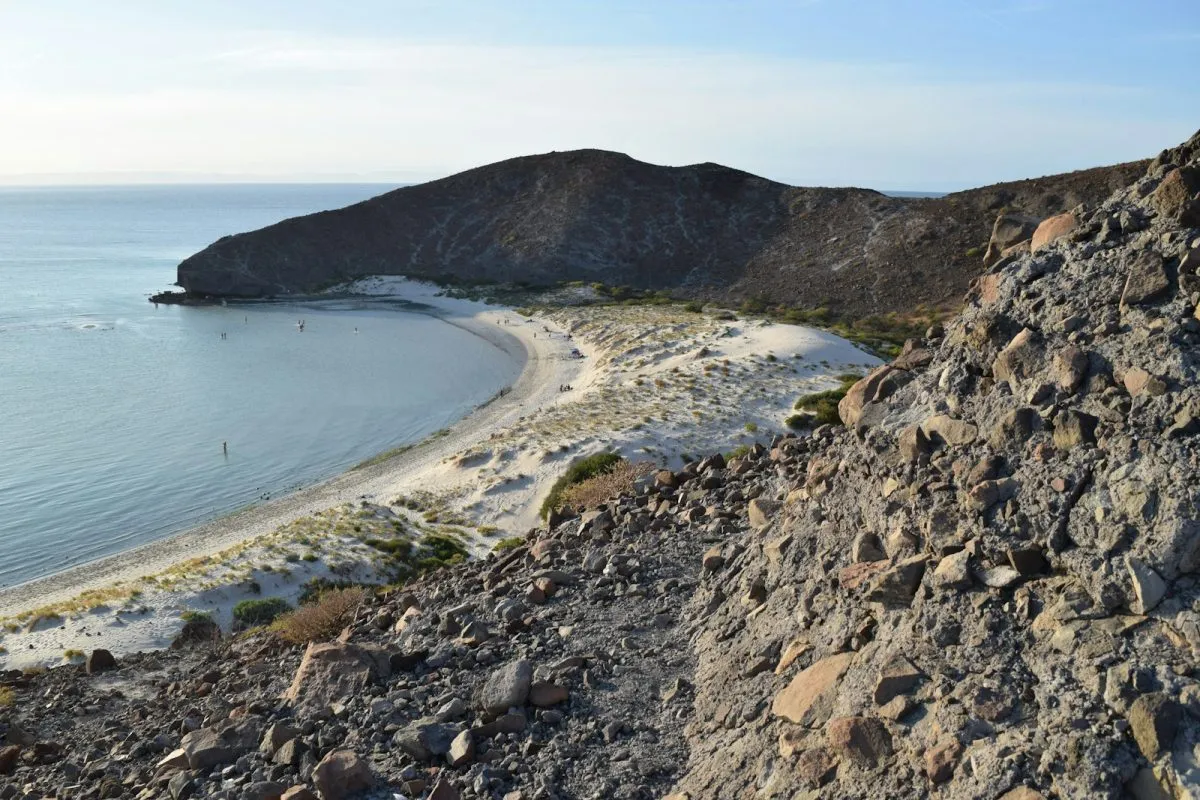
| Balandra | Near La Paz | Morning | A shallow bay and the mushroom rock |
Light and Timing
The dry season from November to April gives the most reliable light, particularly in the highlands. From June to September, Mexico City and Oaxaca often have clear mornings and dramatic storm clouds in the afternoon, which can be better for pictures than an empty blue sky. See the month-by-month weather guide.
Some links in this guide are affiliate links. We may earn a commission if you book through them.
Festivals are where most of the best people pictures are made, and also where you should be most careful. Our festival calendar has the main dates, and a guided Day of the Dead tour can help you understand where it is appropriate to take photographs.
For the most dramatic aerial view you can take without a drone, consider a balloon flight over Teotihuacán.
Rules and Etiquette
If the columns do not fit your screen, scroll sideways to see the full table.
| Topic | Advice |
|---|---|
| People | Ask first, especially in Indigenous communities. Some people do not want to be photographed |
| Churches and ceremonies | No flash, and be discreet during services |
| Cemeteries on Day of the Dead | You are at a family occasion; ask before photographing a grave |
| Tripods and professional kit | Rules vary by site. Ask in advance, and expect restrictions at archaeological sites |
| Drones | Assume you need permission. We could not confirm the current rules for tourists |
| Your gear | Keep cameras out of sight when not in use, particularly after dark |
Getting the Shot, Place by Place
Tulum faces east, so the sea is lit from early morning. It is also a small site, and the main viewpoint above the beach fills up soon after opening. Be near the front of the queue. Longer lenses help you remove other visitors from the frame.
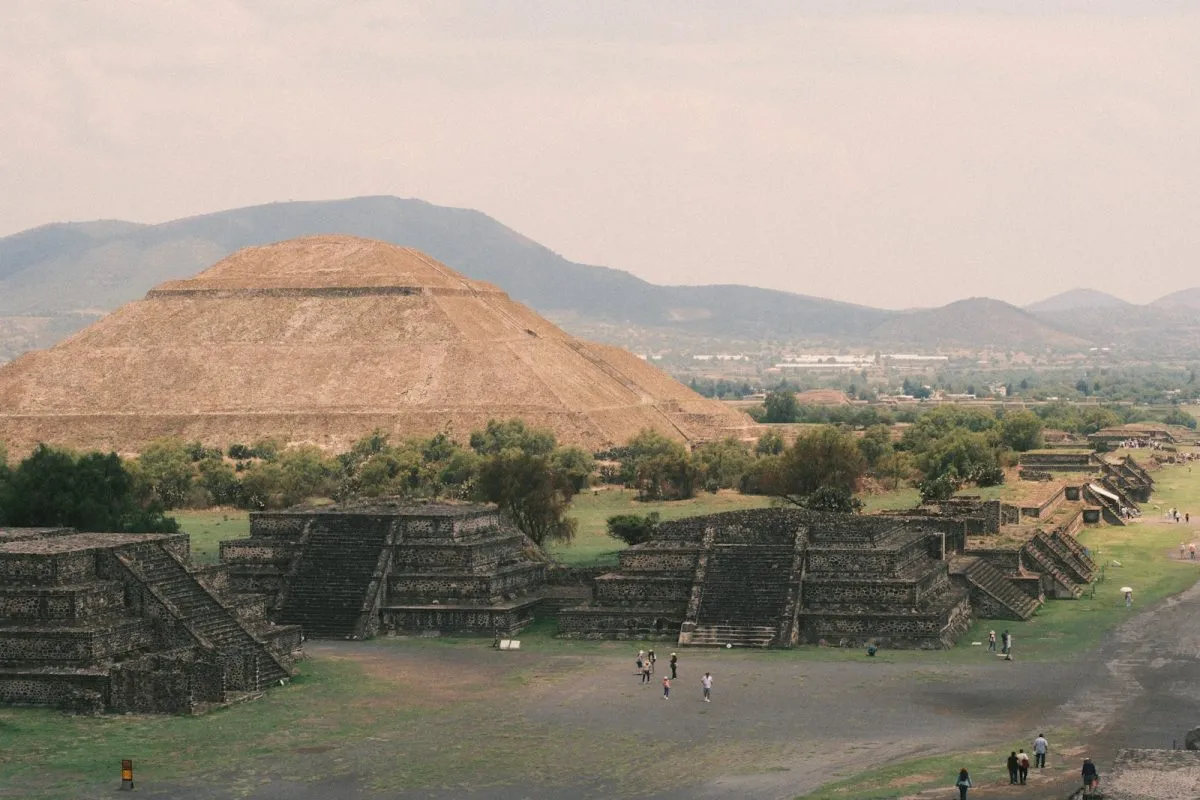
Teotihuacán is about scale, so place a person on the Avenue of the Dead to give the pyramids size. Morning haze can flatten the view across the valley, which is one reason a balloon flight is so appealing.
El Castillo at Chichén Itzá photographs cleanly from a distance now that it is roped off, and the barriers give you an uninterrupted foreground. Around the equinoxes in March and September, a serpent-shaped shadow forms on the staircase in the late afternoon. Expect heavy crowds and a very limited view.
Xochimilco is about colour, and the brightest pictures come from boat level, looking along the line of painted arches. Weekday mornings are calmer than weekend afternoons, when groups and music take over.
In San Miguel de Allende, the pink stone of the Parroquia glows in the last hour of sun. In Mexico City, wait for blue hour at the Palacio de Bellas Artes, when the dome lights and traffic trails balance the darkening sky.
Balandra and Land's End at Cabo are all about water colour, which is richest with a high sun. That makes them unusual: midday can be the right time. A polarising filter makes a real difference to the shallows.
A Photographer's Calendar
When each subject is at its best.
If the columns do not fit your screen, scroll sideways to see the full table.
| When | Subject | Where |
|---|---|---|
| October to March | Monarch butterflies | Michoacán and State of Mexico |
| November | Altars, marigolds, cemeteries | Oaxaca, Pátzcuaro, Mexico City |
| February to April | Clear Caribbean water | Isla Mujeres and the Riviera Maya |
| March and September | Equinox shadow | Chichén Itzá |
| June to September | Storm clouds over the highlands | Mexico City and Oaxaca |
| July | Guelaguetza costumes and dance | Oaxaca |
Gear and Conditions
Practical points.
If the columns do not fit your screen, scroll sideways to see the full table.
| Issue | What to do |
|---|---|
| Lens fog | Coming out of air conditioning into coastal humidity fogs glass. Give the camera time to adjust |
| Sand and salt | Keep a blower and cloth with you, and change lenses away from the beach |
| Cenotes | Light is low and spray is constant. Bring a fast lens or a waterproof case |
| Theft | Use a plain bag, and keep expensive kit out of sight after dark |
| Altitude and sun | The light is strong at height, and shadows are harsh by mid-morning |
Drones, Tripods and Commercial Shoots
Treat archaeological zones as no-fly areas. Reports consistently say that INAH, which runs the sites, prohibits drones without prior authorisation. Outside those sites the picture is confused: published guides disagree about whether foreign visitors can register a drone with the aviation authority at all, so get written confirmation from AFAC before you pack one.
Handheld photography for personal use is normally fine at the ruins. Tripods and specialist equipment are a different matter, with permits reported to be needed in advance. Commercial use of images taken at a site without a permit can lead to sanctions, which matters if you sell prints or work with brands.
Mexico Photography FAQ
Where are the best photo spots in Mexico?
Tulum, Hierve el Agua, Teotihuacán, Guanajuato and the Palacio de Bellas Artes are among the best.
Can I fly a drone in Mexico?
Only with the right permission. Rules vary, and archaeological sites and protected areas are likely to restrict drones. Check with the authorities first.
Can I use a tripod at Mexican ruins?
Restrictions are common, so ask at the site or confirm with INAH.
What is the best time of year for photography in Mexico?
November to April offers the most reliable weather; the summer storms can give dramatic skies.
Can I use a professional camera at Mexican ruins?
Handheld cameras for personal use are generally fine. Tripods, drones and commercial shoots may need a permit from INAH.
When is the equinox at Chichén Itzá?
Around 20 to 21 March and 22 to 23 September, with the shadow appearing in the late afternoon.
How We Chose These Spots
Facts were checked on 8 November 2026. Light recommendations are editorial, based on orientation and the time of day. We could not confirm current INAH rules on tripods or Mexican drone rules for tourists on official pages. Some links on this page are affiliate links; we may earn a commission if you book through them, at no extra cost to you. Drone and tripod information comes from Tulum Times, Yucatán Magazine and other reports, not official notices.
