
ASIA · MALDIVES GUIDE
Maldives Health & Safety: Swimming, Medical Care and Practical Precautions
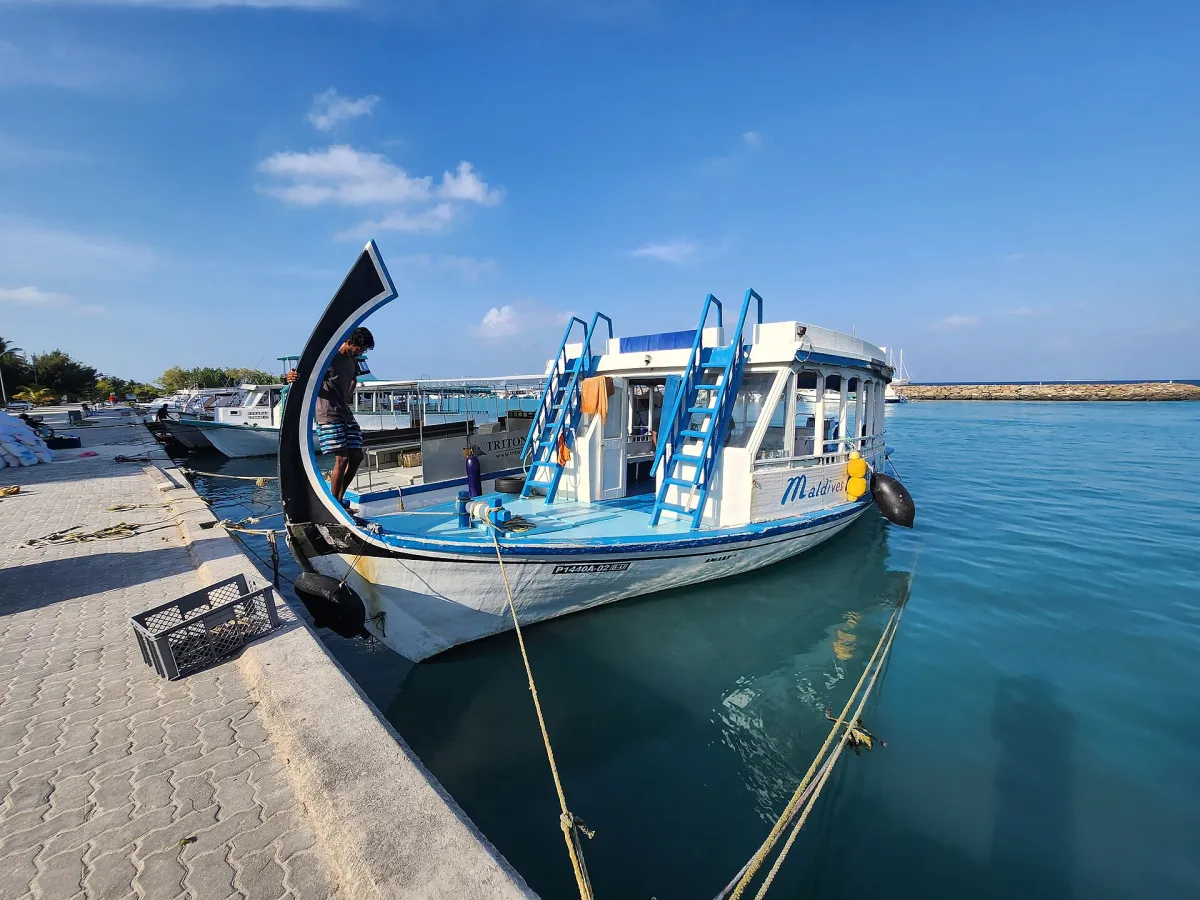
In the Maldives, safety planning begins with the water and the distance from medical care. A calm-looking lagoon, an attractive excursion photograph or a well-appointed room does not tell you whether an activity suits your ability or how quickly help could arrive. Ask specific questions before booking and again when conditions are known locally.
This guide brings together practical precautions for swimming, boats, diving and everyday health, based on official and specialist guidance checked on 28 October 2026. Use it to prepare questions for your clinician, insurer and accommodation. It cannot assess your individual fitness for an activity. Keep the Maldives useful contacts available offline and learn the property’s own emergency procedure on arrival.
Know where help comes from on your chosen island
Ask the accommodation what medical support is available, when it is staffed and how a serious case reaches a hospital. A room labelled close to a clinic is not enough information for someone with an important health condition. Discuss the actual capability, transfer method and expected limitations with the relevant provider. Tell your clinician about the island and activities rather than simply saying you are going to the Maldives.
The FCDO health guidance warns that remote islands can be hours from emergency treatment. Choose insurance that covers your complete itinerary, any existing conditions you must declare, medical evacuation and the water activities you plan. Keep the assistance number and policy details available to another traveller. Ask how urgent treatment and payment are handled; do not assume showing an insurance card automatically removes the need for a deposit or authorisation.
Ask a few specific safety questions before booking
| Activity or need | Question | What a useful answer includes |
|---|---|---|
| Swimming | Where is appropriate for my ability today? | Current conditions, entry/exit points and supervision |
| Boat excursion | What safety equipment and boarding help are provided? | Suitable life jackets and an understandable briefing |
| Diving | How would a diving emergency be managed? | Emergency communication and an evacuation plan |
| Existing health need | Can the necessary support be provided here? | A specific response from the appropriate medical provider |
| Disruption | What happens when conditions become unsuitable? | A cancellation process rather than pressure to continue |
Scroll the table sideways to compare all columns.
An operator should be able to explain the practical arrangements in language you understand. If the answer is only that thousands of people have done the activity before, ask again or choose a more suitable alternative.
Treat swimming conditions as a local daily decision
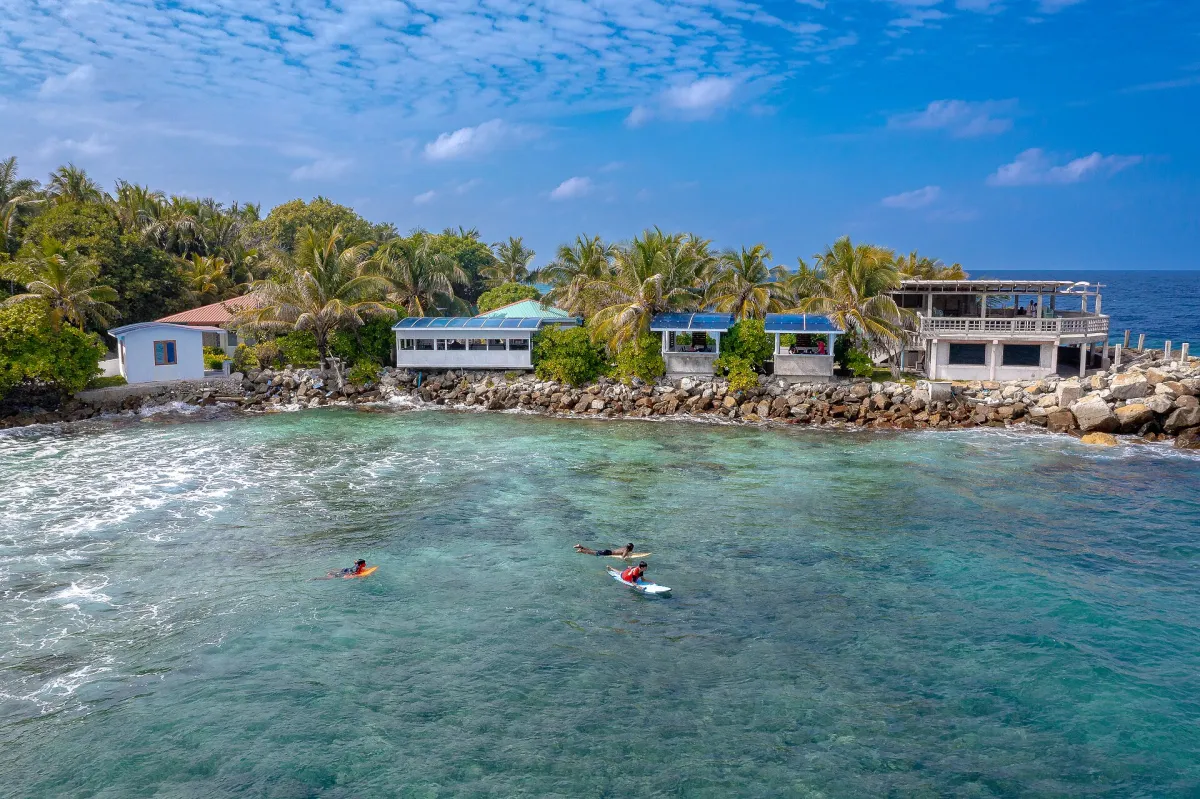
Official safety guidance highlights strong currents, drowning risk and fatal propeller incidents near whale-shark sites in South Ari. Get current advice before entering the sea, use appropriate supervised or designated areas, and keep clear of boats. A familiar beach or a shallow-looking patch of water is not proof that conditions are safe.
Be honest about swimming confidence and stamina. Start with an appropriate guided introduction if you need one, and tell the guide about limitations before boarding. Agree where to enter, how to exit and how to ask for assistance. Do not follow another group into a channel or beyond the area you were advised to use. Children need close active supervision even when wearing an aid. Stop if you feel uncomfortable rather than letting the desire for one more photograph determine your route.
Choose diving and boat activities within your limits
Ask a dive operator about qualifications, recent experience, check dives, equipment fit and the sites it proposes for your ability. Discuss medical questions with an appropriate clinician and complete the operator’s required forms honestly. Confirm that your insurance covers the kind of diving you intend to do. Keep the operator’s emergency arrangements, including access to appropriate treatment, separate from marketing descriptions of the reef.
Plan flying after diving with the operator and relevant medical guidance. Divers Alert Network publishes minimum surface-interval guidance according to dive profile; no single interval makes every case risk-free. Discuss every flight, including an island connection. On boats, listen to the briefing, use the appropriate life jacket and secure bags as instructed. Do not enter the water until the crew clearly authorises it, and do not pressure a crew to operate after a safety cancellation.
Prepare routine health protection before departure
Review the CDC Maldives traveller guidance with a healthcare professional in good time. Routine vaccination, personal medical history, planned activities and the full transit route all matter. Entry certificates and recommended protection are different issues. For any route-dependent yellow-fever documentation, use the detailed checks in Visa & Entry rather than assuming every visitor has the same requirement.
Mosquito precautions remain useful during an island holiday. Use an appropriate repellent according to its instructions, suitable clothing and screened or air-conditioned sleeping arrangements. Discuss products for young children, pregnancy or sensitive skin with the appropriate professional. Do not assume a high-end resort eliminates exposure. If you become ill, particularly with fever, seek medical advice and describe your travel history. After returning home, tell a clinician where you travelled instead of dismissing symptoms as a routine holiday cold.
Plan medicines and deal with injuries promptly
Bring the medicines you need in original packaging with appropriate documentation, and check controlled prescriptions before departure. Keep them accessible during travel and follow storage instructions in a hot climate. For drinking water, ask which supply is intended and treated for consumption rather than assuming any tap is suitable. Communicate allergies clearly to the property and activity organisers; a last-minute request on an excursion boat is harder to manage than an agreed plan.
Avoid touching unfamiliar animals. If bitten or scratched, CDC advice is to wash the wound immediately with soap and running water and seek medical care promptly, even if it looks minor. Prior vaccination does not remove the need for assessment after a possible exposure. Keep a record of treatment if care continues elsewhere. For a reef cut or another wound, ask a healthcare professional for suitable assessment rather than leaving a worsening injury untreated because a holiday is short.
Keep personal security and local law in view
Use the same practical care with belongings that you would on another holiday: secure passports, keep valuables supervised and avoid carrying every payment method together. In urban areas, stay aware of your surroundings and avoid demonstrations or confrontations. Follow current official travel advice for your nationality, particularly when wider regional disruption could affect your flights. A resort-focused itinerary still includes airports, transfers and sometimes time in a city.
Respect local requirements concerning dress and public behaviour outside resorts. Same-sex relations are illegal in the Maldives, a material consideration for LGBT+ travellers reviewing current official advice. Do not assume private holiday surroundings change national law. Check restrictions on medicines, alcohol and vaping before packing. Keep contact with travel companions during excursions, and agree a simple meeting and help plan for anyone who could become separated. Practical preparation should support the holiday without replacing sensible decisions in the conditions you encounter.
Frequently asked questions
Is every Maldives lagoon safe for a beginner swimmer?
No. Ask for local advice about the exact area and current conditions, choose suitable supervision and stay within your ability. A shallow appearance or calm photograph does not establish safety, and flotation equipment does not replace appropriate supervision.
Do I need medical evacuation cover?
Assess this with your insurer for the actual island, activities and health circumstances. Distance from suitable treatment can be significant, and a standard policy may have exclusions. Get clear confirmation rather than assuming a general travel-insurance label covers every transfer or activity.
What should I do after an animal bite or scratch?
Wash the wound promptly with soap and running water and obtain medical assessment without waiting for symptoms or the flight home. Explain the animal and circumstances. Even a small wound or previous vaccination does not remove the need for professional advice.
Can I dive on the morning of my return flight?
Do not plan that without the appropriate surface interval and operator guidance. The necessary advice depends on your dive profile and flights, and includes island flight connections. Leave the final part of the itinerary flexible and seek urgent specialist help if symptoms occur after diving.


