
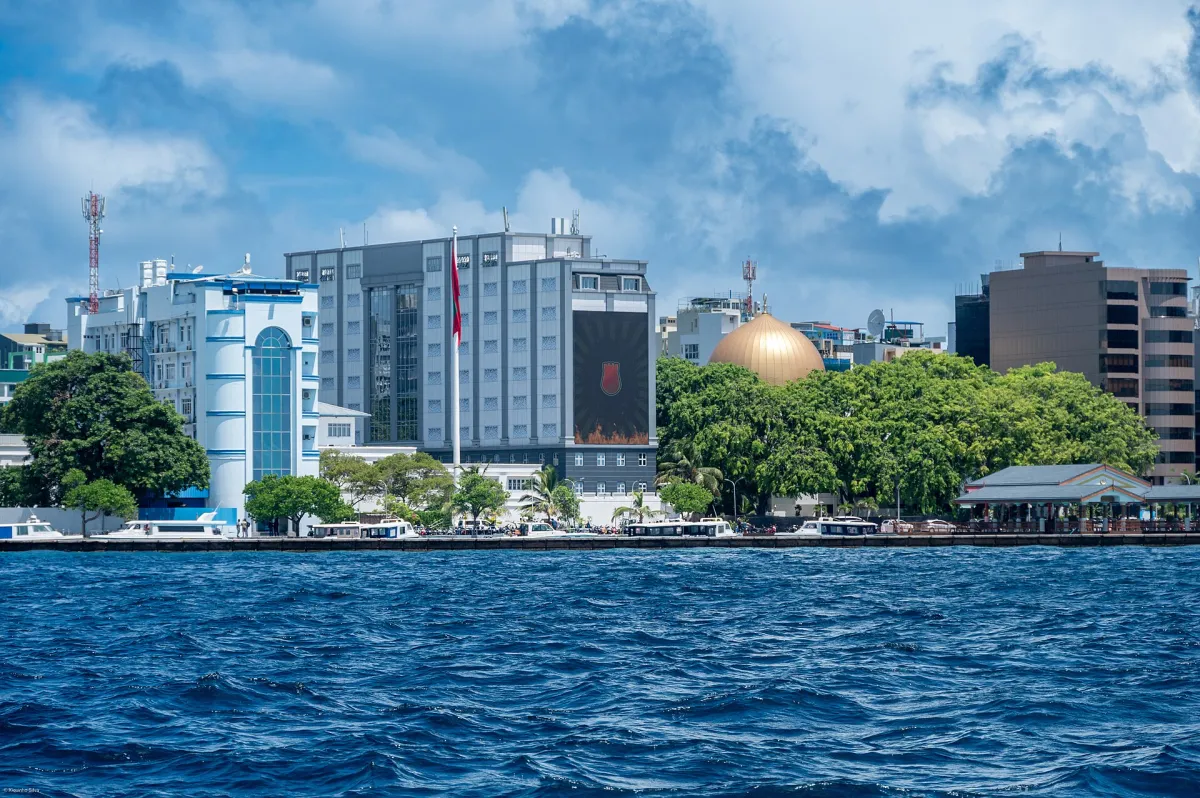
The Maldives has attractions beyond the familiar resort beach, but they are spread across a long island chain. A historic mosque in Malé, a protected feeding bay in Baa and a palace in the far north do not belong on one quick sightseeing circuit. Choose places that add something meaningful to the region where you will stay. This guide profiles five named attractions and explains how to judge whether each belongs in your trip. It separates what makes a place significant from access arrangements that can change. For a choice of experiences such as snorkelling or food walks, see things to do in the Maldives. Use the Maldives map before planning a cross-atoll journey.
1. Hukuru Miskiy, Malé’s historic Friday Mosque
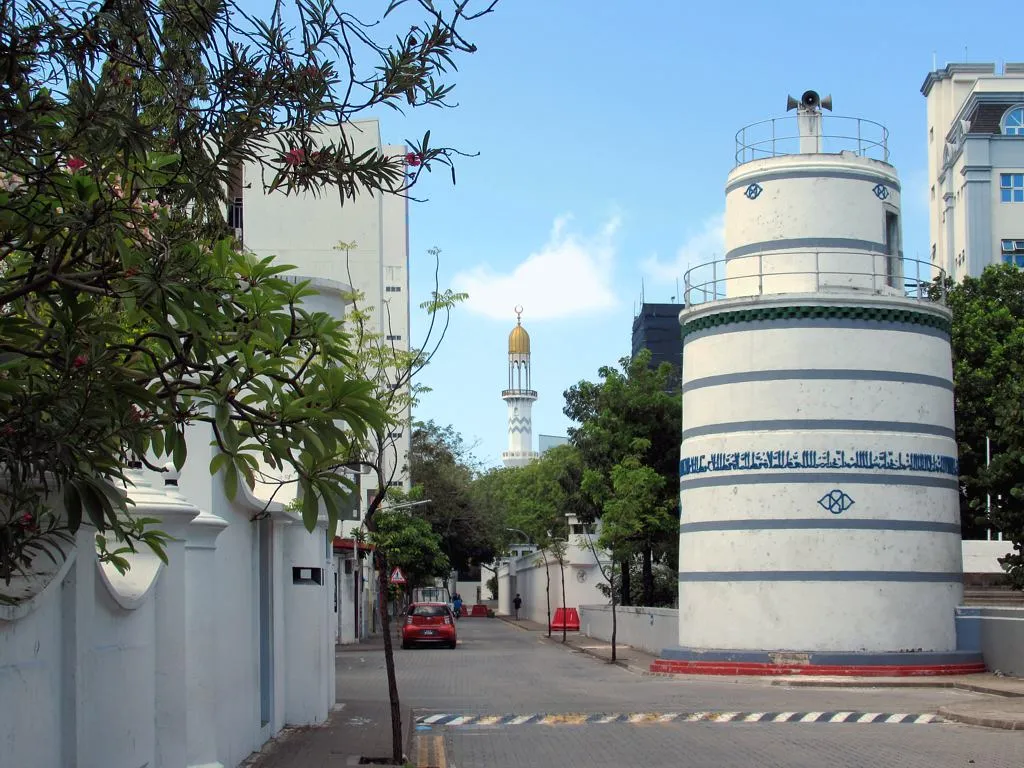
Hukuru Miskiy rewards attention to materials and craftsmanship. Its historic coral-stone construction and carved details show a building tradition shaped by the islands’ available resources and connections across the Indian Ocean. The mosque remains part of a living religious environment; treat the surroundings as a place of worship and heritage rather than a photo set.
UNESCO’s Coral Stone Mosques of Maldives record includes the Malé mosque in a Tentative List submission. Tentative listing is not World Heritage inscription. That distinction matters because some tourism descriptions blur the two. The wider history and culture guide explains the context and includes the National Museum.
Ask locally about visitor access, appropriate clothing, photography and any restrictions on entering the building or grounds. An exterior visit can still be worthwhile when entry is unavailable. Combine it with a compact central Malé walk and a shaded break rather than arriving with a rigid minute-by-minute plan. Do not confuse the old Malé mosque with the modern Friday Mosque on Hulhumalé.
2. Malé Fish Market and the harbour waterfront
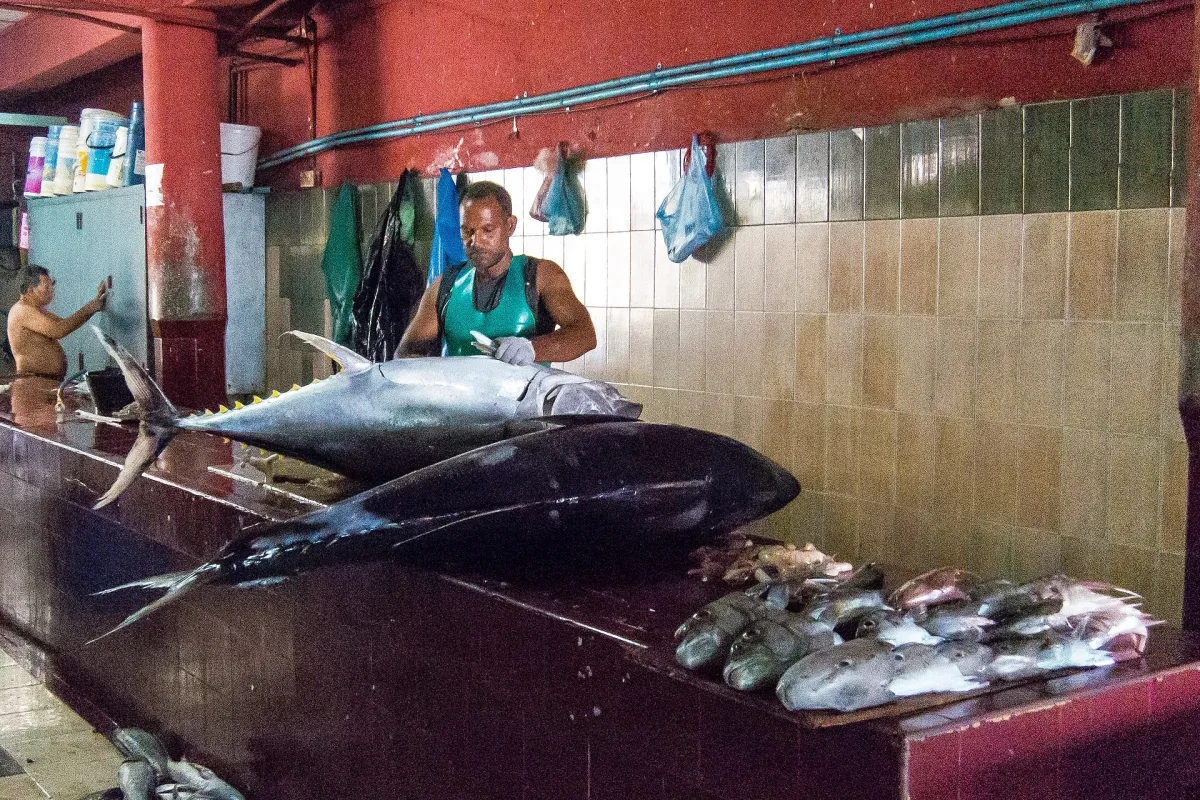
The fish market is a working place where the country’s relationship with the sea is immediately visible. Boats, heavy tuna, cutters and buyers give the waterfront a practical purpose that differs from a resort excursion. The interest is in watching skilled work and understanding how food reaches island kitchens, not in treating every worker as a performer.
The Bay of Bengal Programme’s fish-market profile places it west of Republic Square, opposite the harbour, and describes catches arriving from boats. Building works, stall locations, trading patterns and opening arrangements can change. Ask your host or guide about the current place and a suitable visiting time rather than relying on an old printed schedule.
Wear footwear with grip, leave room for people carrying fish and ask before taking close photographs. Wet floors and knives make this a place for attentive supervision of children. A short visit can lead naturally into a café stop or the produce-market area; it need not become a long tour. Read Maldivian food and drink for the ingredients’ culinary context.
3. Hanifaru Bay in Baa Atoll
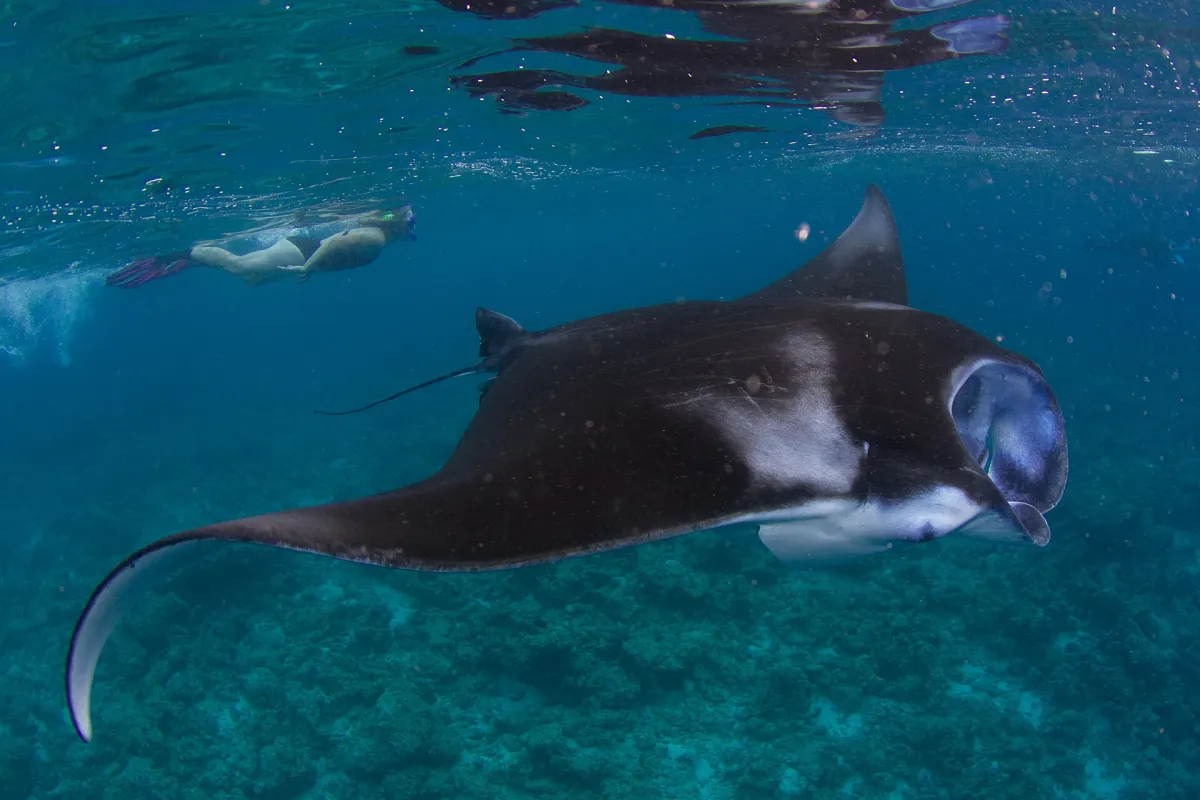
Hanifaru Bay is significant because of a particular marine process, not simply because the water is beautiful. Seasonal plankton concentrations can attract feeding manta rays, making the protected bay an important wildlife place. The experience depends on natural conditions and managed access; the existence of a seasonal aggregation does not mean visitors will see one on a chosen date.
The official Hanifaru protected-area listing describes its conservation setting. Plan a visit through an operator who explains current ranger requirements, admission, permitted activity and conditions before departure. Snorkelling in the managed core is different from a scuba dive elsewhere in Baa; do not buy a trip on the assumption that every activity is allowed.
This attraction makes most sense from a suitable Baa base with time to respond to conditions. A long journey solely to tick it off adds cost without improving the chance of a natural encounter. If marine wildlife is the trip’s main purpose, compare the seasonal fit and accommodation location first. Our marine activity guide covers ability and operator selection.
4. Addu Nature Park, Hithadhoo
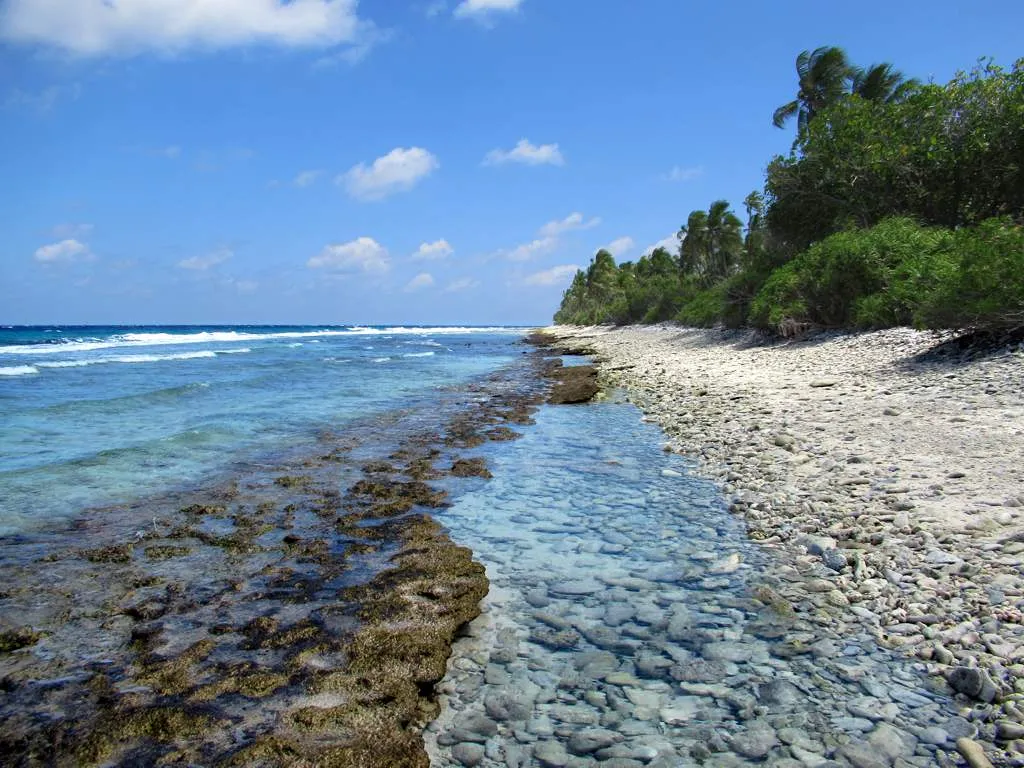
Addu Nature Park offers a different Maldives landscape: wetlands, mangroves and routes where land-based nature observation can matter as much as the reef. It is an appealing contrast for travellers who enjoy birds, walking at a measured pace and learning about habitats beyond a sandy beach. Conditions, access and available services determine which parts are suitable on the day.
The government inventory for Eadhigali Kilhi and Koattey identifies the protected area on Hithadhoo and distinguishes its wetland and coastal environments. Ask the park or your host about the current entrance, guided options, routes and any restrictions. A place appearing on a map does not guarantee an open trail or a suitable swimming entry.
Treat Addu as a southern destination worth staying in, rather than a casual side trip from an unrelated resort in the central atolls. Build time for the journey and a weather alternative. Bring water, sun and insect protection, and avoid approaching roosting or nesting birds. The parks and outdoor guide explains how to choose a suitable nature outing.
5. Utheemu Ganduvaru in Haa Alif
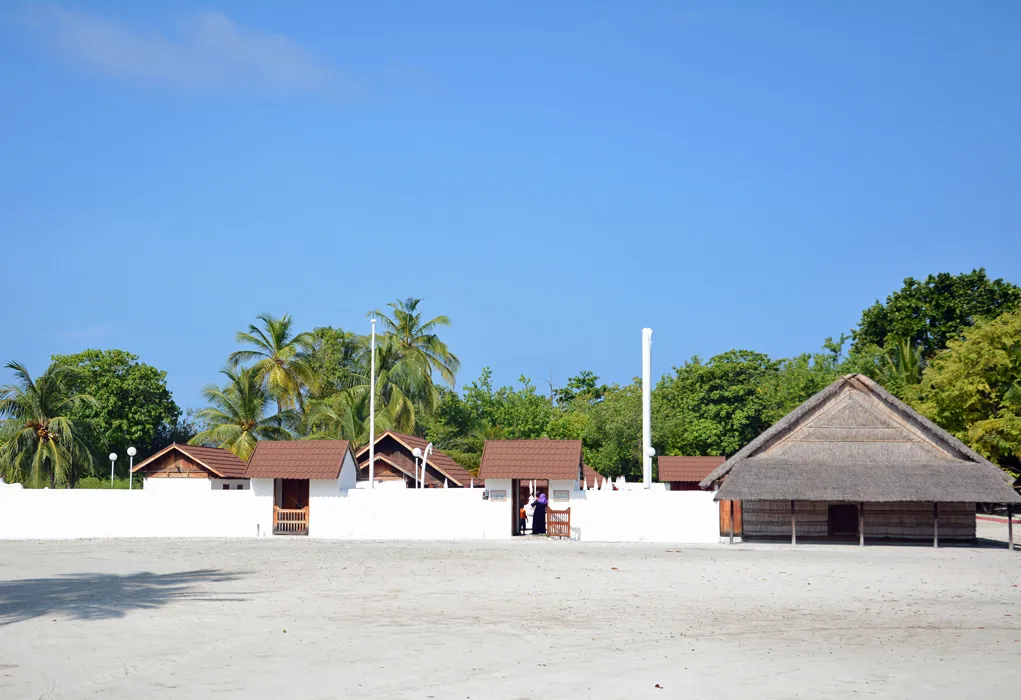
Utheemu Ganduvaru brings the country’s history into focus through a specific place. The palace is associated with Mohamed Thakurufaanu, a central figure in Maldivian historical memory. Its appeal is strongest for travellers interested in heritage and the far northern islands, especially when they can explore with someone able to explain the setting and its significance.
The official tourism-board profile locates it on Utheemu in Haa Alif and identifies it as his birthplace and home. A national heritage story is not a substitute for current visitor information: arrange opening, admission, guide and transport details before setting out. Avoid assuming that an island transfer necessarily delivers you to an open site.
Give the journey a reason beyond a single photograph. Ask about local etiquette and whether other community or craft encounters can form part of a respectful visit. The far north requires a coherent regional plan; it should not be added to a short central-atoll holiday because a nationwide list makes distances appear small. Keep a flexible return and an accommodation contact who can help if plans change.
Which attractions belong in your route?
The table compares geographic fit and the kind of interest each place serves. It is not a suggested five-stop itinerary. First locate your accommodation and arrival airport, then check realistic access. A place nearby on a small map may require a charter, a scheduled connection or an overnight stay. Start with where to stay if you have not chosen a base.
| Attraction | Main appeal | Best planning approach |
|---|---|---|
| Hukuru Miskiy | Historic craftsmanship and living heritage | A central Malé visit with access confirmed locally |
| Malé Fish Market | Working harbour and food economy | A flexible city walk respecting trading activity |
| Hanifaru Bay | Protected seasonal marine gathering | A Baa stay with responsible operator and spare days |
| Addu Nature Park | Wetlands, mangroves and birds | Time based in Addu, with current park advice |
| Utheemu Ganduvaru | Northern heritage and national history | A northern itinerary with an arranged visit |
Scroll the table sideways to compare all columns.
Make access and respect part of the visit
Contact the site, your accommodation or an accountable local operator before travelling. Clarify who arranges the return, what happens if the attraction is closed and whether a protected-area fee or guide is additional. For religious sites, ask about clothing and visitor areas; for wildlife places, ask how entry is managed and how the operator responds to animal behaviour.
Take only the equipment you can carry comfortably through the actual visit. A tripod or large camera bag can obstruct a working market or narrow entrance, while wet boarding may be unsuitable for delicate equipment without protection. Avoid drones unless the relevant permissions and local operating conditions have been established. Aerial photographs online do not imply permission to fly.
An attraction can be worthwhile even if you spend little time there. The measure is what it adds to your understanding of the Maldives and whether the journey fits the holiday. Keep distant places for a future visit when that produces a calmer, more coherent trip. For excursion feasibility and transfer buffers, see Maldives day trips.
Frequently asked questions
Are these five places close together?
No. They span Malé, Baa, Addu and the far north. They are options for different regional trips, not a single sightseeing circuit. Start with your base and the real transfer arrangement.
Is Hukuru Miskiy a UNESCO World Heritage site?
The Coral Stone Mosques of Maldives appear on UNESCO’s Tentative List. That status is different from inscription on the World Heritage List. Use UNESCO’s record for the current designation.
Can I visit Hanifaru Bay independently?
Access is managed as a protected area. Arrange a suitable operator and confirm current ranger rules, admission and conditions. Do not assume an ordinary boat hire gives unrestricted permission to enter or dive.
Should I visit an attraction during an airport connection?
Only when immigration, luggage, transport, check-in and a generous return margin leave enough time. A delayed boat or traffic can erase a short connection. An overnight Malé-area stay gives more flexibility.


