
Five Layers to Look For
| Layer | Look for | A useful question |
|---|---|---|
| Roman Vindobona | Roman remains around the old centre and the Römermuseum | What survives beneath today’s streets? |
| Habsburg court | Hofburg complexes and Schönbrunn | Which spaces expressed government, ceremony or private life? |
| Ringstrasse city | Museums, Parliament and civic buildings around the former fortifications | Who was the expanding capital designed to impress? |
| Vienna around 1900 | Secession, applied arts and modern architecture | How did artists challenge established taste? |
| Republic and social Vienna | Housing, memory sites and contemporary urban life | Whose histories are included in the public city? |
Court Vienna and the City Outside It
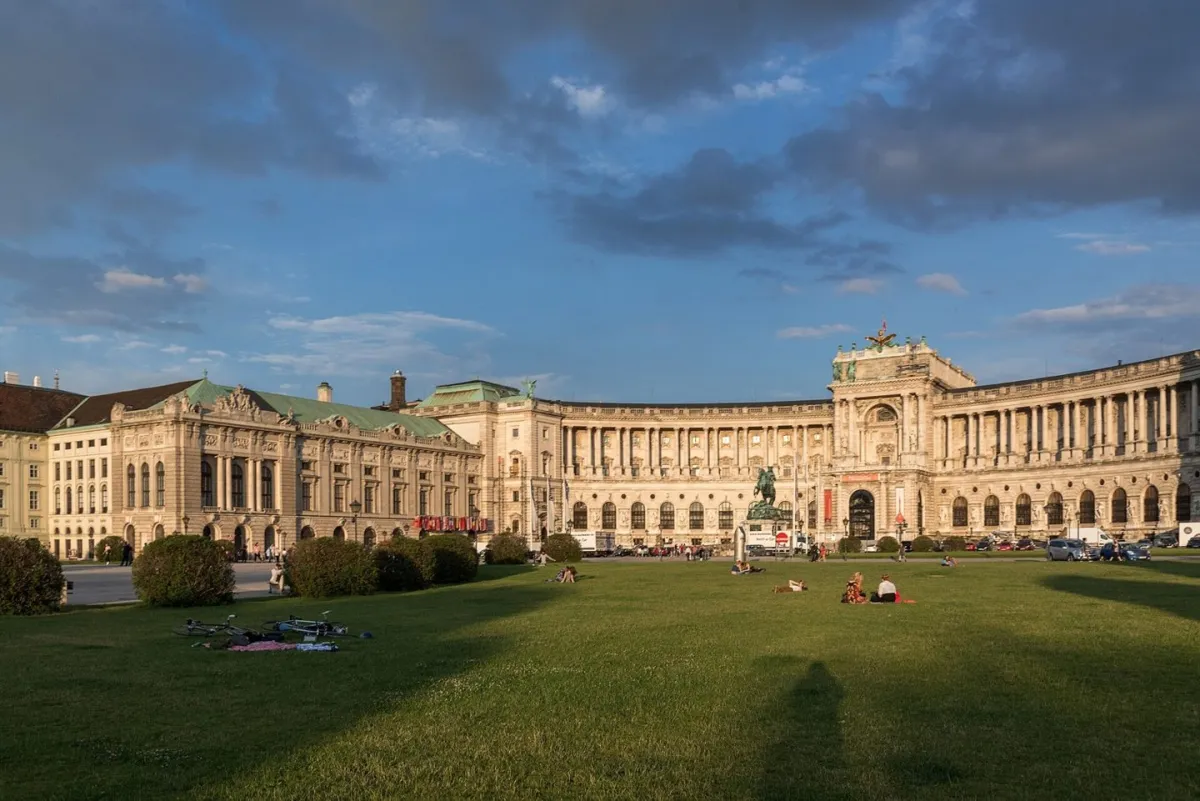
The Hofburg grew over centuries; it is a collection of connected buildings and institutions rather than one museum. That distinction matters when buying a ticket. An imperial-apartment visit, a treasury visit and a library visit have different collections and conditions. Choose the part that answers your question about court life, religion, state power or collecting.
Schönbrunn provides another setting: palace rooms in a large garden landscape west of the old city. Its scale is part of the experience. A visit that includes the hill or zoo asks for more time and walking than a short room tour. Compare the actual visit options through Schönbrunn’s visitor information and the attractions guide.
Modernism Beyond Gold and Ornament
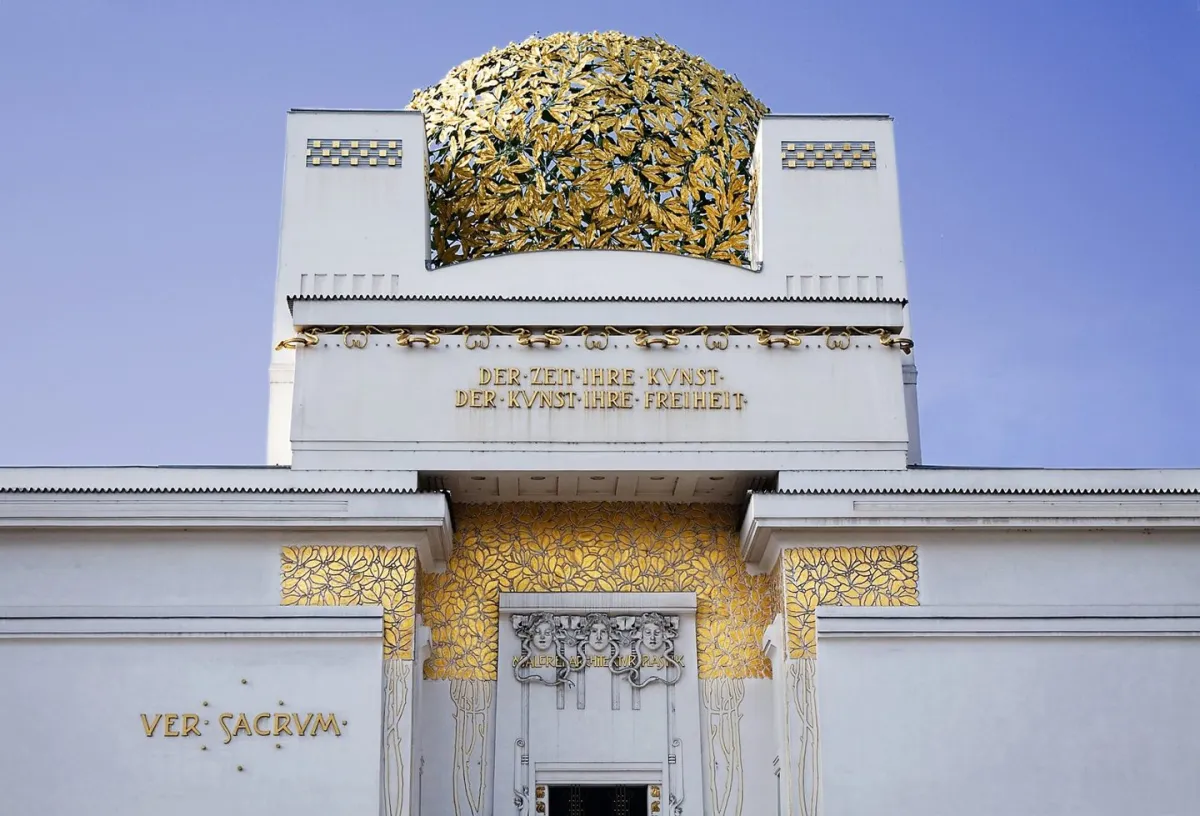
The Secession building is an effective starting point for Vienna around 1900, but modernism was more than a decorative style. Applied arts, furniture, architecture and the design of ordinary objects formed part of the same debate about modern life. Pair a building exterior with a collection that interests you; there is no need to cover every institution in a single afternoon.
The Secession and the MAK explain their current programmes. Check exhibition dates before treating a particular work or room as a permanent feature. If you prefer painting, the Belvedere and Leopold Museum offer different collection contexts; the museum comparison helps you choose.
Social History and Difficult Histories
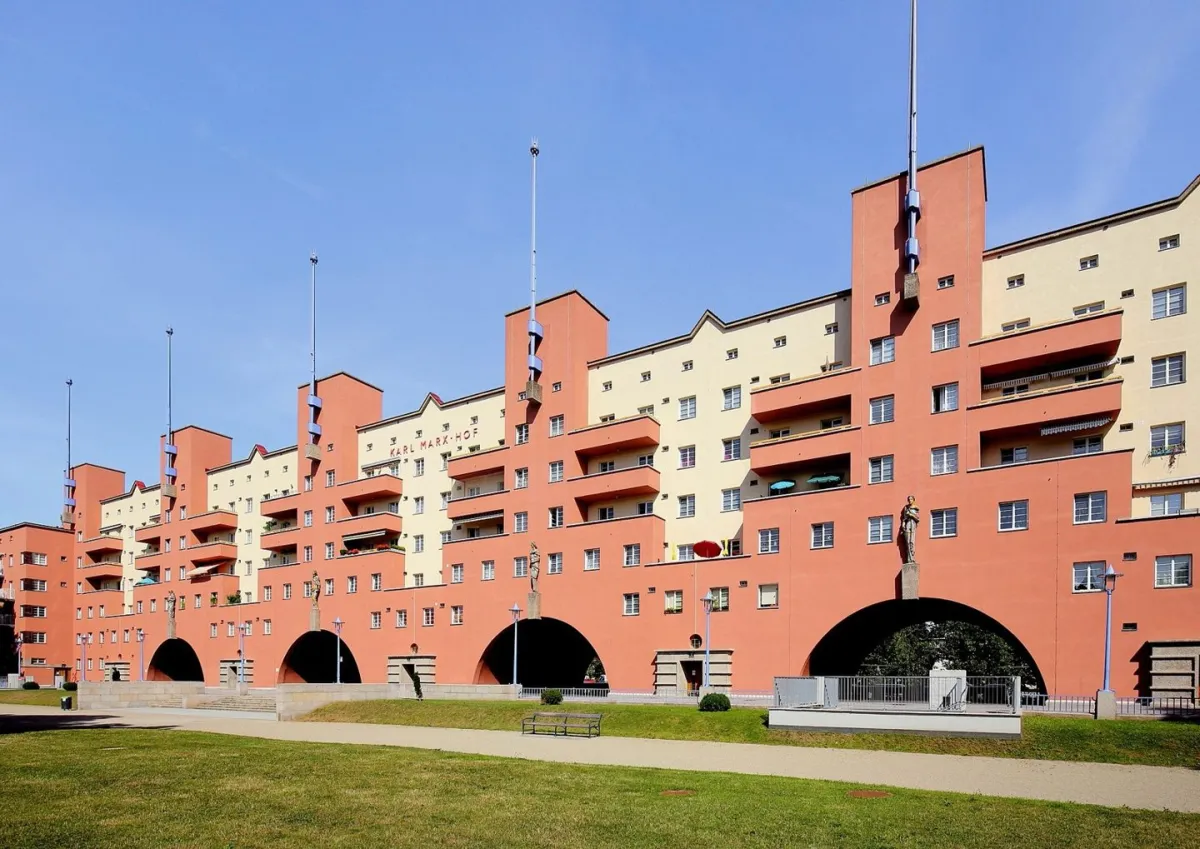
Vienna’s public identity also includes municipal housing, migration, political conflict and the persecution and murder of Jewish residents under National Socialism. A balanced cultural visit makes room for these histories rather than presenting the city solely as a sequence of palaces. Memorials and former residential streets ask for a different pace and behaviour from a scenic viewpoint.
Start at the Wien Museum for the city’s broader history. Its permanent exhibition is free; temporary exhibitions can have separate admission conditions. Use the Jewish Museum’s own programme when planning a focused visit, and do not treat a memorial as a decorative photography prop. Private homes remain private, even when their architecture is famous.
A History Walk with a Purpose
For a half-day introduction, choose the old centre and Michaelerplatz, then continue toward Heldenplatz and the Ringstrasse. This sequence lets you compare the dense street pattern with larger ceremonial and civic spaces. Allow roughly two to three hours with pauses; this is an editorial estimate and excludes substantial interiors.
For a second half-day, focus on Karlsplatz and the Secession side, with a museum selected for its content. The map and neighbourhood guide shows how these areas relate. For a longer stay, add a housing-history visit or a specialist museum rather than repeating a central landmark circuit.
Frequently Asked Questions
Did Vienna join the EU in 1995?
Austria joined the European Union in 1995. Vienna is the Austrian capital; describing the city itself as a separate joining state is misleading.
Is the whole Hofburg one attraction?
No. It contains several institutions and collections with separate entrances and ticket arrangements. Choose the specific visit you want.


