
RUSSIA · COUNTRY GUIDE
Russia Weather & Best Time to Visit
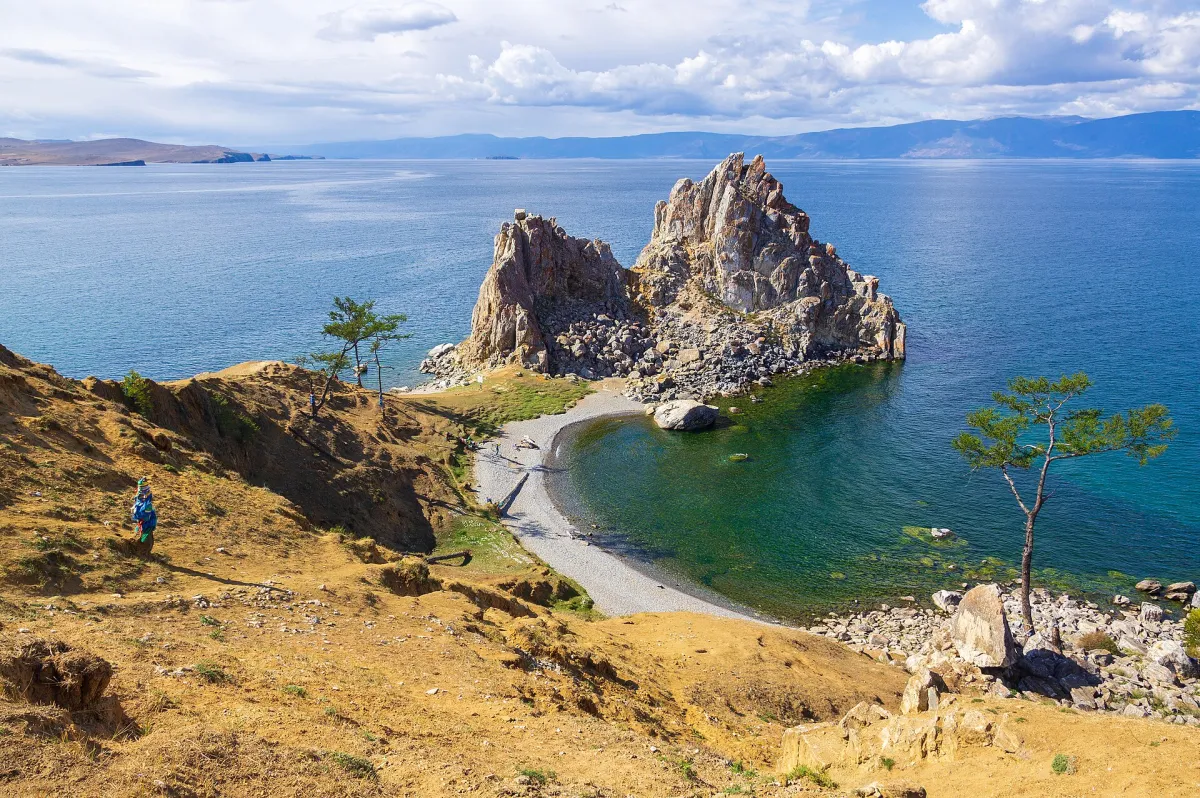

There is no single Russian travel season. Saint Petersburg's long summer evenings, Moscow's continental winter, the Baltic coast and Lake Baikal follow different patterns. Choose a season for a particular region and activity, then check the forecast and access arrangements. A month described as summer does not make a northern lake warm or a mountain route snow-free.
Travel feasibility comes before weather. The current Russia travel advice, checked on 22 October 2026, advises against all travel for British nationals; the US advisory is Level 4, Do Not Travel. Good weather does not reduce detention risks, insurance exclusions or short-notice transport disruption. Check those matters before deciding when to go.
Compare the regions first
On small screens, scroll the table horizontally to read both columns.
| Region | Seasonal decision and limitation |
|---|---|
| Moscow and the western interior | Late spring and early autumn can suit city walking; summer may bring heat and thunderstorms. Winter requires practical clothing and an ice-aware walking plan. |
| Saint Petersburg | Late spring and summer offer long evenings. Wind, rain and cool waterfront conditions remain possible. Winter daylight is limited and pavements can be slippery. |
| Baltic coast | A coastal break depends on wind, sea conditions and current bathing advice as much as air temperature. Shoulder-season visits may suit walks rather than swimming. |
| Kazan and the Volga | Continental contrasts make warm-season walks and cold-season indoor visits different trips. Check heat, ice and riverfront exposure. |
| Irkutsk and Baikal | Summer shore visits and specialist winter ice travel require entirely different access and safety arrangements. Freeze-up and thaw are not sightseeing opportunities. |
| Arctic and Far East | Daylight, storm exposure and long approaches can determine the itinerary. There is no guaranteed aurora, clear viewpoint or operating excursion. |
This comparison is a planning framework rather than a forecast or temperature guarantee. Russia's scale makes a national monthly average especially unhelpful: it can combine places with very different daylight, precipitation and ground conditions. Read forecasts for the actual city, shore or trail, and use Map & Regions to understand the distances involved.
Spring: thaw, changing surfaces and flexible days
In the western cities, spring is a transition rather than a fixed opening date for outdoor travel. Melting snow can leave wet pavements, puddles and muddy park paths. A dry main street does not establish that a riverside route or rural footpath is equally usable. Waterproof footwear and a shorter alternative can be more valuable than adding another landmark.
Saint Petersburg's canals, gardens and suburban estates do not all move to a summer programme at once. Check the institution or operator responsible for the exact activity. A palace building may be open when a garden feature, boat route or fountain programme is unavailable. Do not infer the operation of one attraction from photographs taken in another month.
For a city-focused visit, organise each day around one indoor anchor with a nearby outdoor option. If rain or wind develops, change the walking portion rather than crossing the city to rescue a rigid list. Leave time to dry clothing and charge devices. Travellers with mobility limitations should ask about the surface of the final approach, including temporary ramps and snow clearance.
Summer: daylight, crowds and different kinds of heat
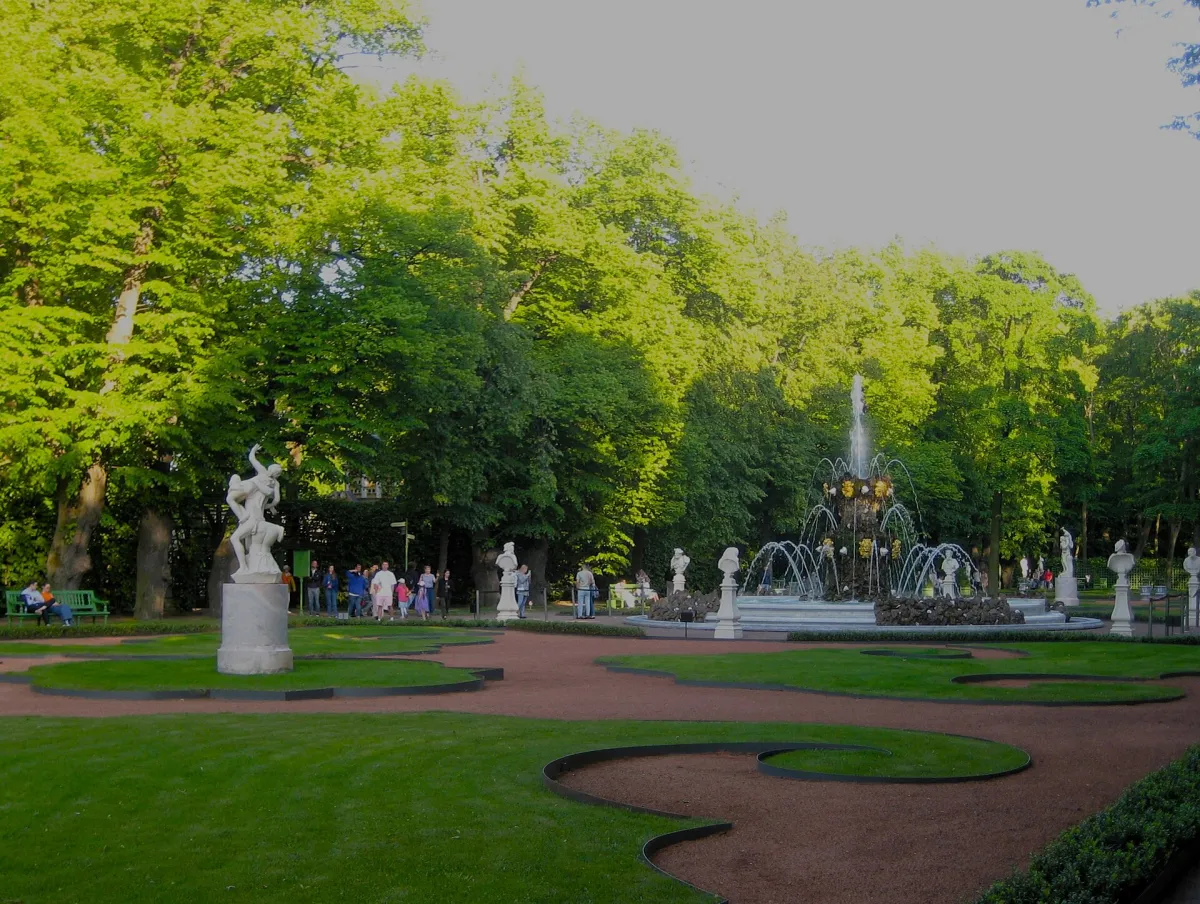

Saint Petersburg's White Nights describe a period of unusually light nights around the summer solstice. They do not mean that every night has an all-night public programme or that all transport operates continuously. Check an event's actual venue, date and entry arrangements. Late light can make it easy to underestimate fatigue or the time needed to return to the hotel.
Moscow and Kazan can experience hot days, while a breezy northern waterfront can still feel cool after sunset. Carry water, allow indoor breaks and ask whether the booked room has effective cooling. A property described as historic may have different room layouts and equipment across categories. Families should avoid treating every long daylight hour as usable sightseeing time.
Summer does not make Baikal a conventional warm-water beach destination. Cold water, exposed shores and changing wind require care. Boat services and island transfers should be checked with the relevant operator for the day. Keep an alternative that stays near your base if a crossing or outdoor activity cannot proceed, and do not join a long shore transfer directly to a critical flight.
Autumn: shorter days and an early change of plan
Autumn can suit architecture and museum travel when the itinerary remains flexible. In the western cities, cooler conditions can make walking more comfortable than a hot spell, but rain and early darkness reduce the useful outdoor window. Plan photographs and longer walks earlier, with a nearby indoor visit later in the day.
Leaf colour is variable and should not be promised for a particular week. A landscape image from one year does not predict the timing in another. If photography is the main purpose, allow several possible days and choose locations that remain worthwhile without peak colour. Check access and transport rather than selecting a remote view solely from a photograph.
At Baikal and in northern regions, the seasonal shift can be more consequential than in Moscow. Some summer arrangements may end before winter access is established. Do not fill that gap with assumptions about boats, roads or safe ice. Ask the local operator what is actually running and retain a city-based alternative if necessary.
Winter: shorter visits, indoor breaks and ground conditions
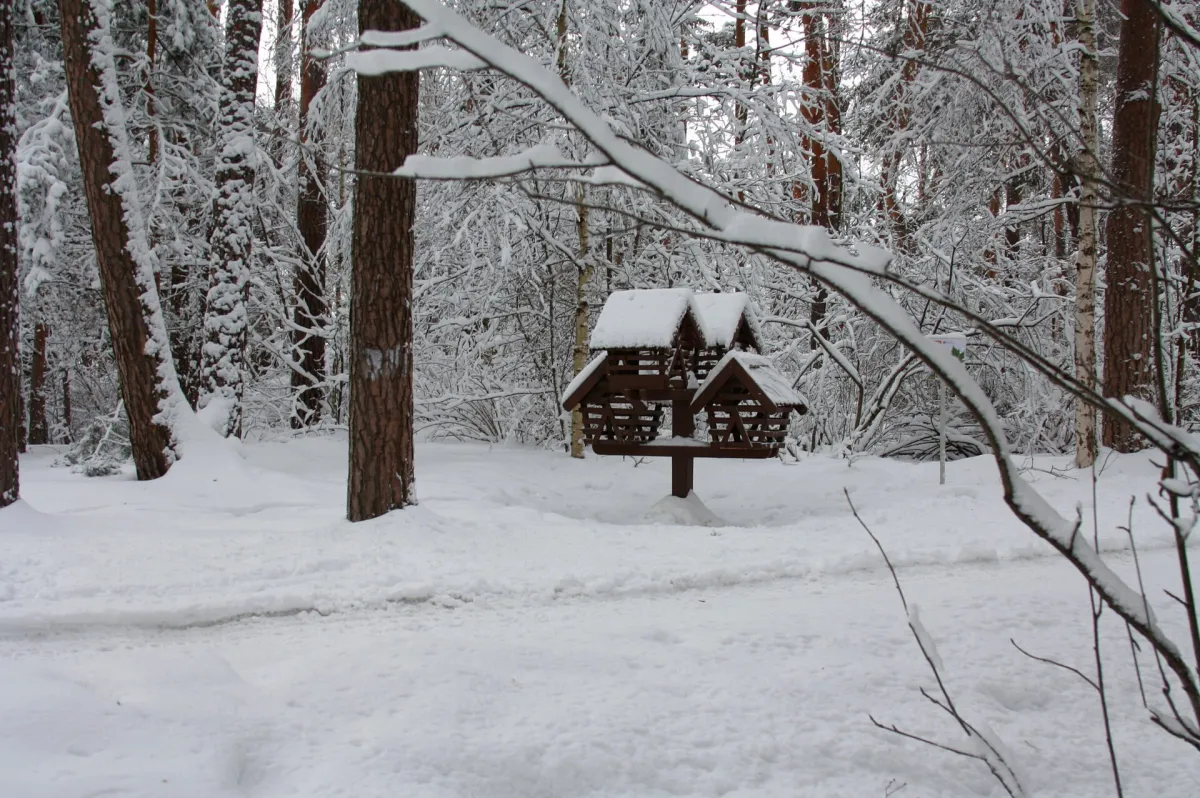

Winter in Russia is not one uniform temperature. A coastal city, an inland city and a Siberian shore can have very different conditions. Check the forecast for the exact destination and the duration of exposure. Layers, suitable footwear, gloves and a warm place to stop are practical requirements; a photographic description of a snowy scene is not a packing guide.
In Moscow or Saint Petersburg, combine a short outdoor section with a museum, café or other indoor break. Plan the entrance you will actually use: an impressive front façade may not be the accessible entrance or the route to the cloakroom. Slush and refrozen surfaces can make even a short connection tiring. Allow more time for clothing, security and transport.
Do not walk or drive onto a frozen lake because other people or vehicles are visible. Baikal ice travel requires current local authorisation, assessed conditions and competent arrangements. Freeze-up and breakup are particularly dangerous, and a cold air forecast does not establish ice strength. This guide does not publish an ice-access calendar or designate a safe crossing.
Match timing to the activity
On small screens, scroll the table horizontally to read both columns.
| Activity | A useful approach to timing |
|---|---|
| Major art museums | Begin with the actual opening and ticket calendar. Indoor access can suit poor weather, but queues and the outdoor approach still matter. |
| Historic-city walking | Select a compact area, check daylight and surfaces, and keep an indoor stop close to the route. |
| Canal or river outing | Verify the operator, navigation season, weather cancellation policy and return landing. A waterfront photograph does not prove a service is running. |
| Beaches | Check water conditions, local bathing restrictions and return transport. Air temperature alone is insufficient. |
| National parks | Check the park's own access, permits, fire restrictions and trail conditions; do not use the city forecast for exposed terrain. |
| Northern lights | Allow uncertainty and several possible evenings if travel is otherwise justified. Darkness is only one requirement; cloud and solar activity can prevent a sighting. |
What to book first, and what to leave flexible
If the journey remains necessary after checking advice and insurance, establish the permitted entry and reliable arrival route before choosing a seasonal activity. Next confirm accommodation and a payment method. Reserve essential timed admissions only when the transport plan supports them. Keep weather-sensitive outings movable rather than making every day non-refundable.
For an event-led trip, check the organiser's dated programme and the effect on hotel demand and road access. A recurring festival name is not confirmation of the next edition. The Nightlife & Events page explains how to distinguish seasonal traditions from announced dates. Do not pay for an assumed performance simply because it happened in a previous summer.
Before leaving the accommodation
Look at the destination forecast, any official transport notices and the conditions at the actual site. Pack for the return journey, not only the warmest hour of the afternoon. Save a route and a contact offline, and agree a meeting point if travelling with others. For an exposed shore or park, know when to turn back.
If the weather changes, a shorter day can be the better plan. Use Things to Do for activity choices, Beaches for water-specific cautions and Getting Around for the journey home. Rechecking a provider's current information is more useful than relying on a general statement that a season is ideal.