
EGYPT · CAIRO GUIDE
Cairo Health & Safety: Streets, Sightseeing & Useful Contacts
Plan Cairo’s everyday risks into the itinerary
Cairo safety planning starts with the journeys between places: crossing busy roads, identifying your booked vehicle, keeping a return option after dark and allowing for heat or fatigue. A route can be short on a map and uncomfortable on foot. Choose an itinerary that lets you make decisions without rushing into traffic or accepting an unclear service.
This page concentrates on the city visit. Wider regional advisories, travel-health preparation and national restrictions are maintained in Egypt Health & Safety. Review your own government’s current advice before travel and again if your itinerary changes; a familiar attraction name does not replace a current risk assessment.
Swipe horizontally if needed to compare all columns.
| Situation | Useful preparation | If the plan becomes unclear |
|---|---|---|
| Busy road crossing | Find a suitable crossing or assisted route; allow extra walking time | Step back to a safe position and ask your accommodation or venue about another approach |
| Car pickup | Check plate, driver and destination against your booking | Stay in a public staffed place while clarifying the mismatch |
| Unsolicited help at a site | Keep your own ticket and know the official entrance | Ask uniformed/identified venue staff before paying or following |
| Tiredness after outdoor sightseeing | Build in a shaded or indoor break and a simple return | Shorten the route rather than forcing another distant stop |
| Lost belongings or urgent assistance | Save location/address and emergency contacts offline | Use the appropriate emergency service or police reporting process |
Road crossings, pickups and night returns
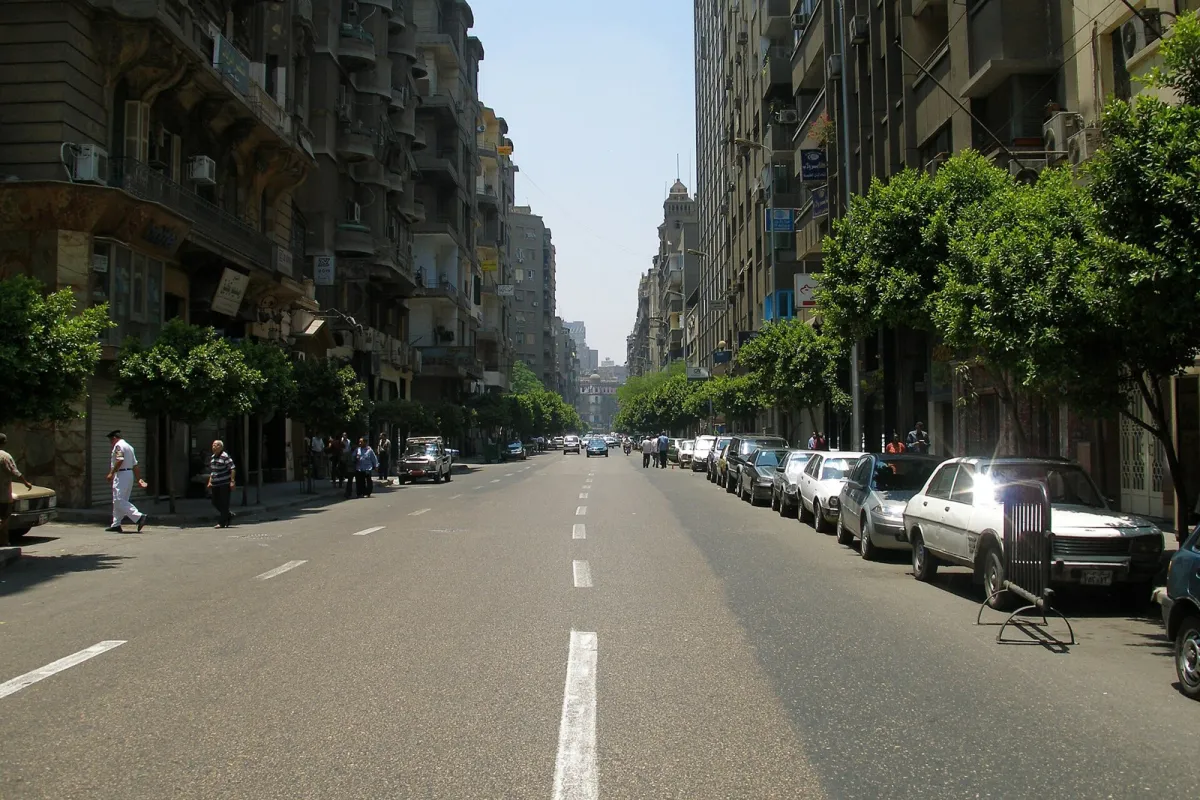

Treat major roads such as the Corniche as traffic corridors, even when the riverside view makes them look like an easy promenade. Use appropriate crossings and do not assume drivers will yield because a pedestrian has started crossing. With children or limited mobility, confirm a practical drop-off rather than choosing the cheapest ride to a vaguely nearby point.
For an arranged car, confirm the registration and driver before entering. Keep luggage and companions together while loading, and share the journey details with someone you trust when useful. After a performance or dinner, wait at an agreed, well-lit pickup point; avoid making a hurried vehicle decision in a crowd. The FCDO safety guidance discusses road risks, tourist-site touts and precautions for solo travellers.
Keep ticket and service decisions clear
At Giza, bazaars or a museum entrance, distinguish official admission from an optional guide, photograph or ride. Keep your ticket under your control. Before agreeing to any extra service, establish its full price, duration and endpoint. A friendly offer to show the way does not establish official status, and an attractive headline price may exclude the return.
Keep small everyday purchases separate from a larger reserve and avoid displaying all your cash at once. If you feel pressured, stop the conversation and move to a staffed venue or your established provider. Do not enter an argument merely to prove that a price is wrong; clarity before accepting the service is more useful.
Build a day you can comfortably finish
Put exposed archaeology and long street walks into a manageable time block and plan a rest before the next district. Carry drinking water appropriate to the venue and check the weather before leaving. Dust, wind and visibility can change the experience; switching to a museum or shortening an outing is a reasonable plan adjustment.
If you have an existing condition affected by heat, exertion or air quality, arrange your own clinical advice and medication planning before travel. This city itinerary does not replace medical advice. For travel-health recommendations and official health resources, use the country guide. Bring the information needed to explain your own needs rather than relying on a guide or driver to interpret them.
Get help with a clear location
For a medical emergency call 123; for police call 122; tourist police is 126. These numbers appear in the Orange Egypt emergency directory; the police and ambulance numbers are also listed by the Qatar Embassy in Cairo. Keep your exact address and a nearby landmark ready. A data-only connection may not support an ordinary voice call, so check your calling arrangements.
For non-emergency care, contact your insurer for an appropriate provider and payment instructions. Ask your accommodation for local assistance while keeping the medical decision with qualified professionals. If reporting a crime, obtain the appropriate police documentation before departure where possible; keep relevant booking records and receipts.
Crowds, worship and photography
Follow site security and avoid demonstrations or unexpected gatherings. Keep exits and your return route in mind at busy markets. At religious sites, follow staff instructions and allow worship to continue without interruption.
Photograph architecture with attention to the people around it. Ask before close portraits and never assume a camera ticket grants permission to photograph security facilities or every gallery. If an official asks you to stop, put the camera away and clarify the rule calmly. Respectful boundaries make both the visit and the photograph easier.
Frequently Asked Questions
What is the most useful everyday safety preparation in Cairo?
Know the exact pickup point and accommodation address, use practical crossings and leave time for the return. Rushing between distant districts makes ordinary decisions harder.
Which numbers should I save for Cairo?
Ambulance 123, police 122 and tourist police 126. Keep your address ready and check that your phone arrangement supports voice calls.
Should I accept someone’s help with a ticket at the entrance?
Clarify whether they are official venue staff and whether any service has a fee before handing over money or following them. Keep your admission ticket under your control.
Where should I check wider travel-health and security advice?
Use the Egypt Health & Safety guide and its official resources, alongside your own government’s current travel advice and your clinician’s advice for individual medical needs.