
Sign in
For Photos4Travel editors and team members.
Virgin Islands · Health and Safety
Virgin Islands Health and Safety: Beaches, Roads and Useful Contacts
The most useful safety decision often happens before leaving the accommodation: choosing a beach for today's conditions, arranging a return driver or carrying enough water for the walk back uphill. A bay can look inviting while the exposed side of a nearby island is rough. Treat the weather, route and transport as part of the activity itself.
On this page · 9 sections ShowHide
This guide brings together checks for both the U.S. and British Virgin Islands, with the jurisdiction named when the advice differs. It is a planning guide, not a live beach report. Check current National Park Service advice for St. John, the relevant local authority and your operator before a weather-sensitive outing.
Choose the swimming conditions before choosing the photograph
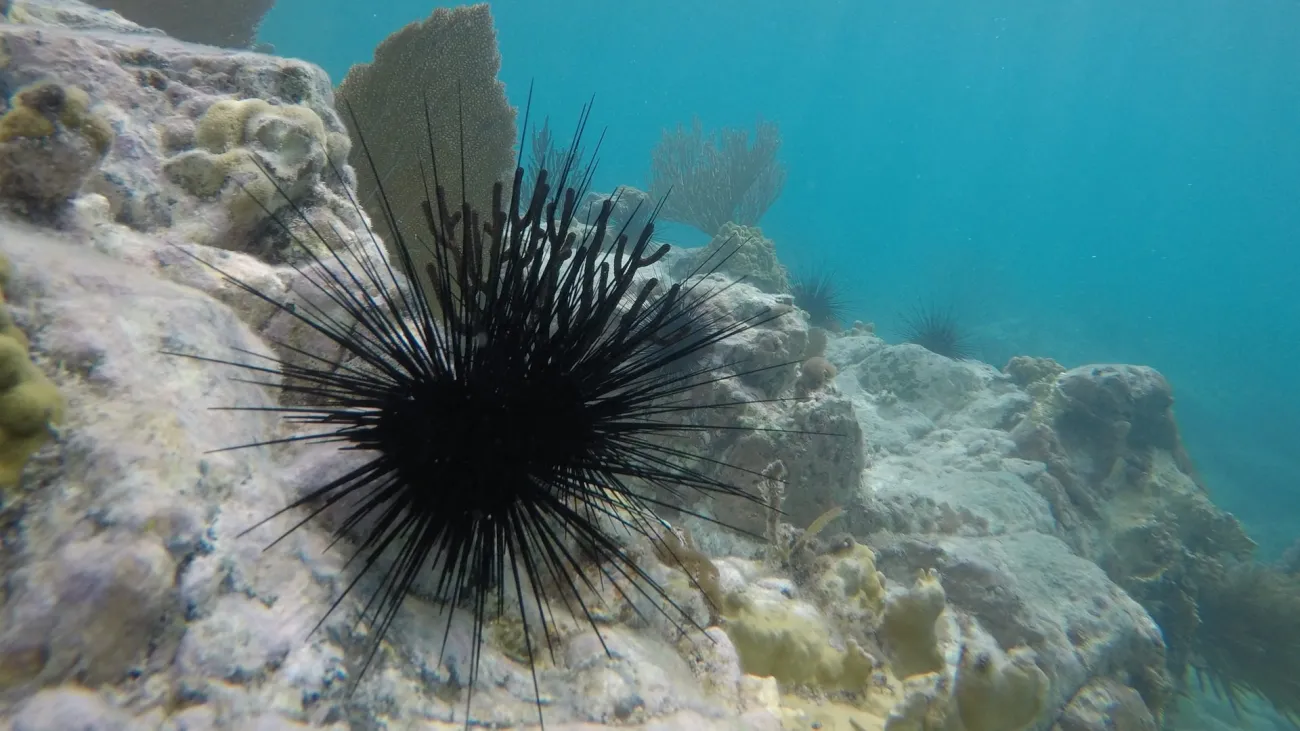
Photo: NPS · Public domain (U.S. Government work). Resized. No claim to original U.S. Government works.
A familiar name such as Trunk Bay, Magens Bay or The Baths does not establish that the water is suitable for you that morning. Look for posted warnings and ask locally about surf, current, boat traffic and entry conditions. NPS lists no lifeguards at Trunk Bay; do not design supervision around a rescue service being beside the water.
Choose an easy exit as well as an easy entrance. Waves can make a ladder, rocks or a small shoreline landing difficult on the return. At The Baths, follow National Parks Trust restrictions and the marked route; the boulder passages and sea access are separate issues. A paid ticket does not override a closure or make a swim-in arrival suitable for every visitor.
For children or less confident swimmers, keep the plan within actual ability, use appropriate flotation with proper supervision and be willing to stay on shore. If conditions deteriorate, change the activity. Agree with the operator that beach stops can change when conditions require a safer alternative.
Match snorkeling and boat trips to ability
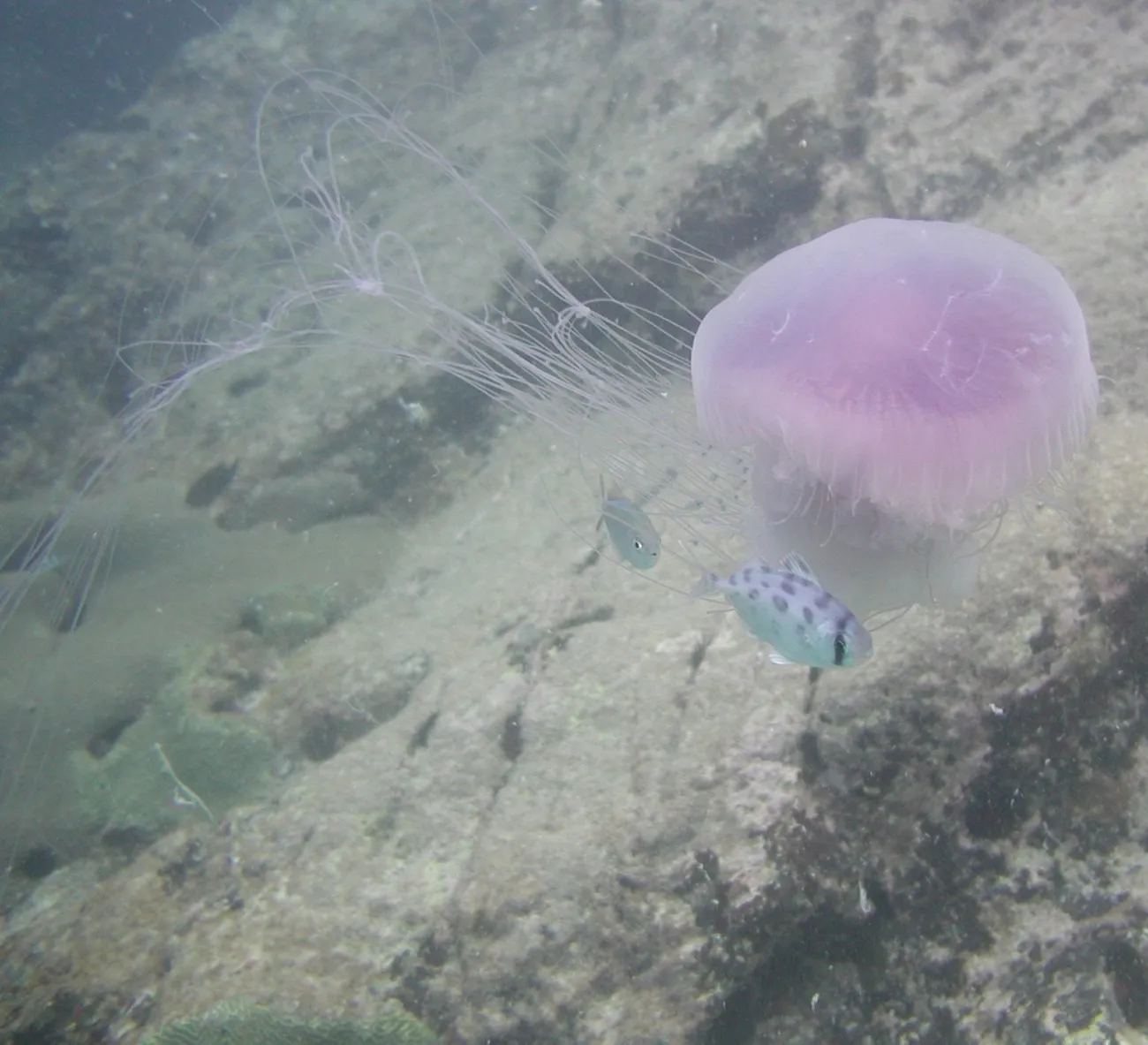
Photo: NPS · Public domain (U.S. Government work). Resized. No claim to original U.S. Government works.
Ask a snorkeling operator about the actual site, time in the water, group supervision, flotation and how to get back aboard. “Beginner friendly” should describe the day and support offered, not simply appear in a product title. Explain mobility limitations, seasickness concerns or discomfort in open water before paying, while there is still an opportunity to choose a different outing.
Stay clear of coral and wildlife, and do not use the reef as a place to stand. NPS specifically warns of strong currents on the north side of Waterlemon Cay; a calm view from Leinster Bay does not make circling the cay a routine beginner swim. See the park's snorkeling guidance for site-specific cautions.
For a private or shared boat, understand the boarding location, return time and cancellation terms. Identify the skipper's safety briefing and lifejacket arrangements. Keep enough daylight and transport flexibility for the return. An international charter also needs the correct border clearance; do not let an informal invitation to visit another island substitute for checking your documents.
Allow for heat, climbs and weak reception
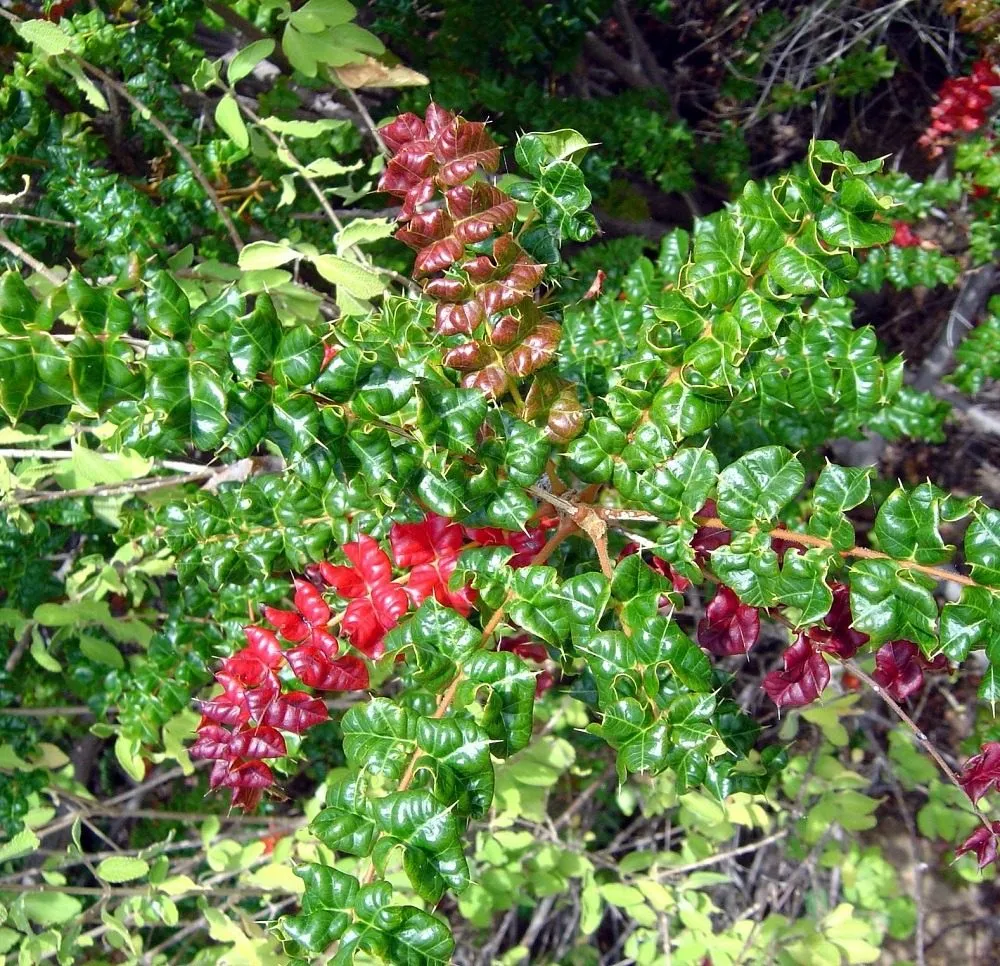
Photo: NPS · Public domain (U.S. Government work). Resized. No claim to original U.S. Government works.
Short distances can hide strenuous return legs. Reef Bay's descent does not tell you how much effort remains at the bottom, and the exposed Ram Head coast provides little relief from the sun. Carry drinking water, wear footwear with grip and choose a start time that leaves daylight for the whole route. If someone in the group is struggling early, turn back while that remains straightforward.
Tell a person where you are going and when you expect to return. Save a map offline, but do not treat a phone battery and patchy signal as a rescue plan. The NPS hiking page warns about limited reception and narrow road shoulders. Arrange the trailhead pickup separately from the walk itself.
Read plant warnings and keep to maintained routes. Avoid unfamiliar fruits and touching plants you cannot identify. Do not climb historic masonry, touch petroglyphs or step beyond a barrier for a better angle. The separate walking and parks guide distinguishes a short beach approach from the full hike and its return.
Plan the ride home while it is still easy
Both the USVI and BVI drive on the left. Steep roads, bends, limited shoulders and unfamiliar vehicle controls deserve attention even on a small island. Keep the first drive simple after a tiring flight. Learn the route to the accommodation in daylight, and pull over safely before checking directions.
If dinner or music involves alcohol, arrange a driver or a short suitable walking route in advance. A coastal road that looks close on a map may lack lighting or a pedestrian space. Ask the accommodation for a realistic return option and confirm the price, meeting point and contact number. The last public ferry is a firm constraint on an evening across the water.
Beach bars on Jost Van Dyke, Cruz Bay's waterfront and Christiansted evenings can all be enjoyable, but they require different transport plans. In particular, a daytime excursion to the BVI does not provide a late-night return simply because a bar remains open. Staying locally can be a better choice than improvising an unfamiliar sea transfer after dark.
Keep valuables and personal plans low key
Use the accommodation's appropriate secure storage and take only what you need for the day. Keep cards and backup funds separate, avoid displaying large amounts of cash and do not leave a bag visible in a parked car. At the beach, decide who is watching belongings before everyone enters the water. A waterproof pouch protects an item from splashes; it does not prevent loss or theft.
The FCDO's BVI advice recommends avoiding isolated places after dark and records that serious crime does occur. Plan routes and late transport with that advice in mind. Report incidents through the local authority and contact your insurer when relevant.
For LGBTQ+ travelers, check the rules and social context of each jurisdiction. FCDO's BVI guidance says same-sex sexual activity is legal, while noting that attitudes outside tourist settings can be conservative and that BVI marriage provisions differ. This is a narrow BVI summary; it should not be applied to the USVI or used to predict the behavior of every community.
Arrange health cover for the islands you will visit
Choose insurance that covers the destinations and activities actually planned, including snorkeling, diving or sailing where relevant. Ask about medical evacuation and how the insurer authorizes it. A small-island clinic is not a substitute for every hospital service, and an inter-island transfer can take time. Carry the assistance contact and policy number offline, with a way to make a call.
FCDO notes that complex medical problems in the BVI may require referral elsewhere. U.S. admission arrangements can matter for a medical evacuation, so travelers who are not U.S. citizens should discuss their route and circumstances with the insurer. Do not assume that ordinary entry permission for one holiday leg automatically covers every possible emergency charter.
Seek individual travel-health advice before departure when needed, particularly for a medical condition, pregnancy or a remote stay. Protect against biting insects, check current destination health advice and keep regular medicines accessible. Tell a clinician about island travel if you become unwell. This page does not prescribe treatment or establish whether a symptom is safe to ignore.
Use forecasts and local instructions during rough weather
The Atlantic hurricane season runs from June through November, according to the National Hurricane Center. That is a season for planning flexibility, not a prediction that any particular holiday will be disrupted. Outside that season, swell and strong winds can still affect swimming and small-boat services.
Read the airline, ferry and accommodation disruption terms before committing to a tightly linked itinerary. Keep a margin before the flight home and know how your host communicates urgent instructions. If authorities or an operator suspend access, follow that decision. Do not travel toward an exposed coast to investigate a warning or to use a prepaid excursion at all costs.
Useful contacts and where to get help
Swipe or scroll sideways to compare the full table.
| Place or service | Contact | Use |
|---|---|---|
| USVI emergencies | 911 | Tell the dispatcher the island and precise location |
| BVI emergencies | 911 | Police, fire or medical emergency |
| BVI police, non-emergency | 311 | Non-urgent police contact |
| BVI sea rescue, VISAR | 767 | Marine emergency; follow the skipper's radio procedure as applicable |
These are emergency service numbers, not booking contacts. Store them with the accommodation's address, island, nearby landmark and location coordinates when useful. Confirm how your phone connects while roaming. In a boat incident, inform the skipper immediately rather than waiting to search online.
For healthcare planning, Schneider Regional Medical Center serves St. Thomas and St. John, while BVI Health Services Authority explains ambulance access and its island services. On St. Croix, consult Gov. Juan F. Luis Hospital and Medical Center before travel if you need to discuss a continuing healthcare requirement. Its published main number, +1 (340) 778-6311, is a general planning contact; call 911 for an emergency. Confirm the particular service you need directly. Use the official BVI help page to recheck the BVI numbers before departure.
Frequently asked questions
Is a calm-looking beach always safe for snorkeling?
No. Check surf, current, boat traffic, local warnings and your ability on the day. A photograph cannot establish present swimming conditions.
Are lifeguards always present at Trunk Bay?
NPS lists no lifeguards at Trunk Bay. Supervise children and plan water activities accordingly; check current park advice before visiting.
What emergency number should I save?
Save 911 for emergencies in both jurisdictions. Also save the accommodation's precise island and address, plus any relevant marine operator instructions.
Do I need medical evacuation cover?
Discuss coverage with your insurer, especially for remote islands, boating or activities requiring specialist care. BVI facilities may refer complex cases elsewhere; understand the authorization and entry arrangements.
Can I walk back from a beach bar at night?
Check the actual route. A short road can have no pavement or lighting. Arrange a driver or an appropriate nearby stay when a safe pedestrian route is unavailable.