Jamaica Beaches
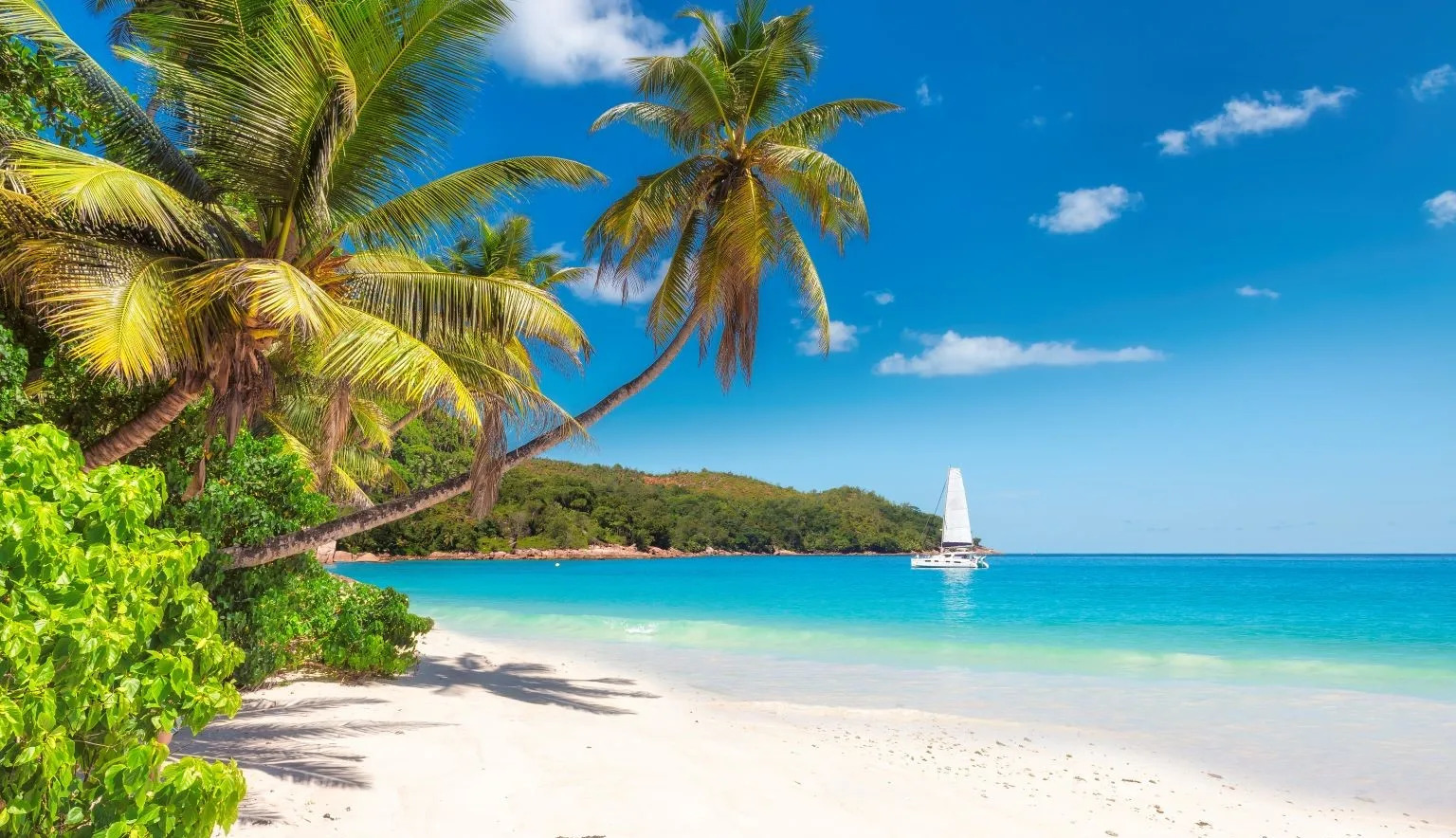
Jamaica is widely associated with beautiful beaches, but the island’s coastline is more diverse than many travelers expect. Beaches in Jamaica differ in sand texture, water conditions, accessibility and overall atmosphere. This guide explains what Jamaica beaches are like, how they vary by area and how to choose beaches that match your travel style, rather than listing specific beach names. For a general introduction to the island, start with the Jamaica Travel Guide.
What Jamaica Beaches Are Really Like
Jamaica’s beaches range from long, open sandy stretches to smaller coves and town-adjacent shores. Some beaches feel quiet and natural, while others are closely connected to resorts or local communities. Water conditions also vary, with some areas offering calm swimming and others influenced by wind or currents.
Understanding this variety is important because not every beach suits every traveler. Choosing beaches based on expectations—rather than reputation alone—leads to a more enjoyable experience. Orientation is easier when reviewing the Map of Jamaica before planning beach days.
Types of Beaches You Will Find in Jamaica
Calm-Water Beaches
Many Jamaican beaches are protected by reefs or natural formations that keep the water relatively calm. These beaches are popular for relaxed swimming, floating and cooling off during hot days. They are often chosen by travelers who prefer comfort and easy water access.
Family-Friendly Beaches
Some beaches are especially suitable for families thanks to gentle water entry, nearby facilities and a predictable environment. These areas tend to be well-maintained and are often close to accommodation zones or towns.
Resort-Adjacent Beaches
Beaches near large resorts are typically well-organized, with sunbeds, shade and easy access to food and drinks. While they offer convenience, access rules may vary depending on location and management.
Public and Community Beaches
Jamaica has many beaches that are open to the public and used by local communities. These beaches often feel more authentic and social, especially on weekends and holidays. Facilities may be simpler, but the atmosphere can be lively and welcoming.
Quiet and Natural Beaches
Away from major towns, some beaches remain less developed and feel more natural. These beaches appeal to travelers seeking tranquility, scenic views and minimal crowds. Planning transport and timing is important when visiting these areas.
Public vs. Private Beach Access in Jamaica
One of the most common questions travelers ask is whether beaches in Jamaica are public or private. While the coastline itself is public, access points and facilities are sometimes controlled by resorts or beach clubs.
In practice, this means some beaches may charge an entry fee for access to amenities, while others remain freely accessible. Understanding how access works prevents confusion and helps travelers choose beaches that fit their expectations.
Safety and Awareness at the Beach
Beach safety in Jamaica is largely about awareness rather than restriction. Water conditions can change depending on weather and location, so paying attention to flags, signage and local advice is important.
Visitors are encouraged to keep personal belongings minimal and avoid leaving valuables unattended. Broader safety considerations related to movement and surroundings are explained in Is Jamaica Safe for Tourists?.
Choosing Accommodation Based on Beaches
Where you stay often determines how easily you can access beaches. Beachfront accommodation offers immediate access, while inland stays may require daily transport. Neither option is inherently better—it depends on travel priorities.
Travelers comparing different lodging styles often review Accommodation in Jamaica alongside beach planning to balance comfort, cost and location.
Getting to and Between Beaches
Transportation plays a key role in beach exploration. Some beaches are walkable from accommodation areas, while others require taxis or transfers. Travel time can be longer than expected due to road conditions and terrain.
For realistic guidance on moving between beach areas, see the Transportation Guide for Jamaica.
Best Time of Day to Visit Jamaican Beaches
Early mornings often offer cooler temperatures and fewer crowds, while afternoons can be warmer and busier. Late afternoons are popular for relaxed beach time and sunset views.
Seasonal weather patterns also influence beach conditions. Wind, rain and sea clarity can vary throughout the year, which is why travelers often check Jamaica Weather when planning beach-focused days.
Beach Etiquette and Respect for Local Spaces
Beaches in Jamaica are shared spaces used by visitors and locals alike. Respectful behavior—such as managing noise, asking before taking photos of people and supporting local vendors politely— contributes to positive interactions.
Travelers interested in minimizing environmental impact and supporting local communities can explore Sustainable Tourism in Jamaica for responsible beach practices.
How Beaches Fit into a Jamaica Itinerary
Beach time in Jamaica works best when balanced with other experiences. Rather than trying to visit many beaches in a short period, travelers often enjoy choosing a few that match their style and returning to them.
Beach visits are commonly combined with cultural activities, food experiences and relaxed evenings. Travelers planning full itineraries may connect beach days with Things to Do in Jamaica without overloading their schedule.
Summary
Jamaica beaches offer a wide range of environments, from calm swimming areas and resort-adjacent shores to lively public beaches and quieter natural settings. Understanding beach types, access rules and daily conditions helps travelers choose beaches that truly fit their expectations. Rather than chasing famous names, focusing on comfort, location and atmosphere leads to a more rewarding beach experience in Jamaica.