


Sign in
For Photos4Travel editors and team members.
Jamaica · Shopping
Shopping in Jamaica: Markets, Crafts, Coffee and Duty-Free
The best souvenir from Jamaica is usually something you have chosen carefully: a piece of work whose maker you can name, coffee whose label you understand, or a small food product that will survive the journey home. A shopping stop becomes more useful when you decide what you want before entering a busy market or a duty-free store.
On this page · 8 sections ShowHide
Use this guide to compare markets with fixed-price shops, ask sensible questions about provenance and avoid purchases that create a problem at customs. Shopping fits naturally between other nearby activities; it rarely needs a cross-island journey. Keep the receipt and the story of the purchase together, especially for original art or a more expensive bag of coffee.
Craft markets: look closely before bargaining
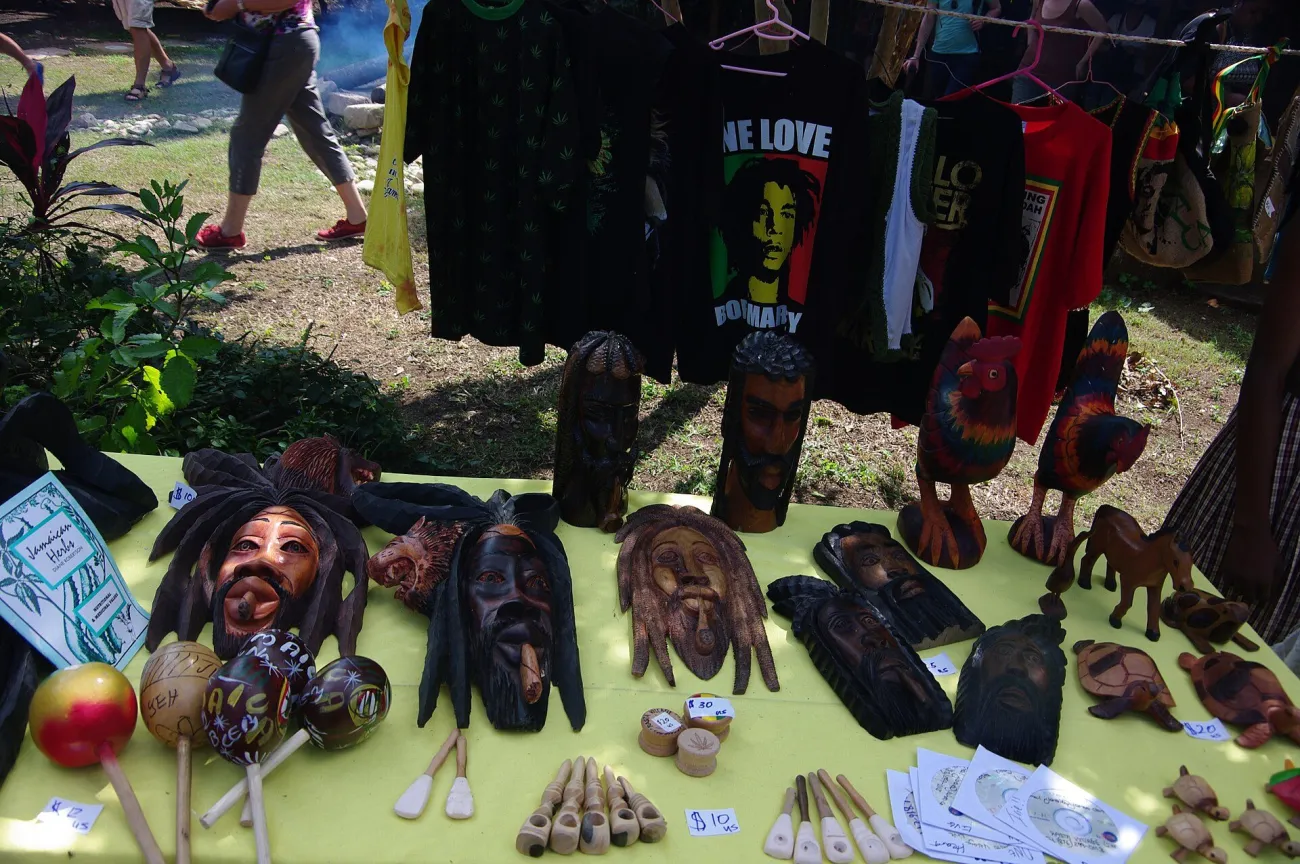
Photo: Balou46 · CC BY-SA 4.0 · Resized.
Craft markets offer a chance to compare woven work, carvings, paintings, jewelry, clothing and small gifts. The tourism board names Pineapple Craft Market in Ocho Rios and Rutland Point in Negril among the options. Check current opening and access locally before making a special trip; a market name does not establish which stalls are trading today.
Ask who made an item, which material was used and whether the seller has other examples of the same work. Handcrafted objects can vary in finish, dimensions and strength. Inspect a handle, clasp or edge before paying. A country name on a product is not, by itself, proof that it was made locally.
Where negotiation is appropriate, agree a price pleasantly and be ready to decline politely. Do not haggle at a fixed-price shop simply because you are in Jamaica. If you ask for a custom alteration, settle the work, price, collection time and currency in advance. A clear agreement is more useful to both buyer and maker than a prolonged contest over a small discount.
Kingston: pair shops with a planned visit
At Devon House, a heritage visit, food and selected shops can fit into one outing. The tourism board also identifies Things Jamaican as a source for locally made products. Check the specific shop’s current location and hours before relying on it, particularly if you are arriving close to the end of the day.
For art, choose work you actually want to live with and ask about the artist, medium, date and packing. A print and an original painting are different purchases even when both look attractive in a display. Photograph the label or obtain a written description with the receipt for a more valuable piece. Ask before photographing work in a gallery.
Avoid adding an unfamiliar market simply because it appears near another stop on a map. Some markets primarily serve everyday local shopping and need more preparation than a visitor-oriented craft venue. Choose an area and route using current local advice, keep bags manageable and arrange transport for purchases too bulky to carry comfortably.
Coffee: origin and composition matter
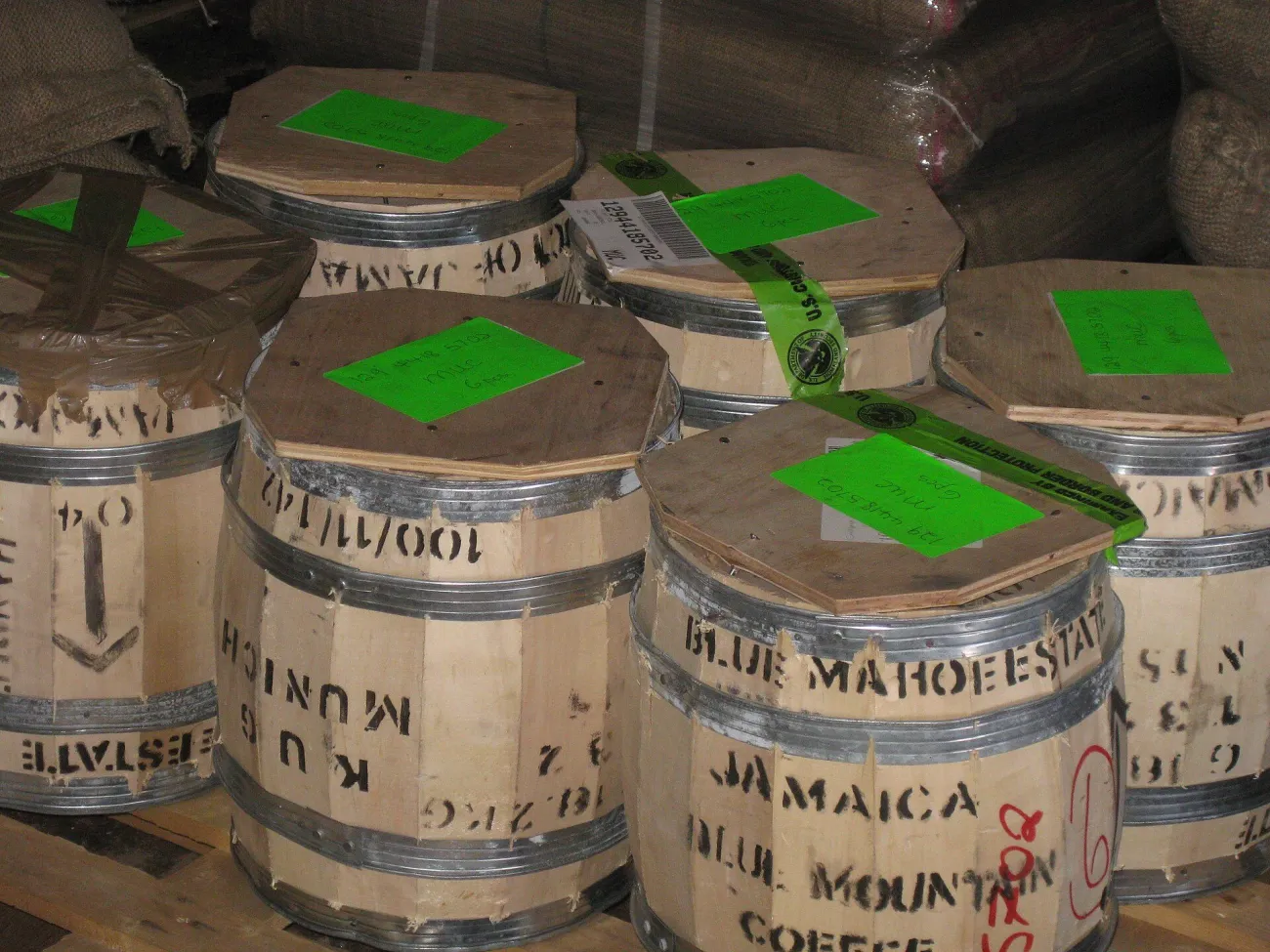
Photo: Wade van laius · CC0 · Resized.
Blue Mountain coffee is a popular Jamaican gift, which makes careful label reading worthwhile. Look for a named producer, the stated origin and whether the package is a blend. The Jamaica Agricultural Commodities Regulatory Authority explains the protected coffee brands and its regulatory role. A souvenir graphic of a mountain is not equivalent to a clear product declaration.
Compare weight as well as price. Two bags of different sizes can make a premium product appear cheaper than it is. Choose beans or a grind that suits the recipient’s equipment, check the seal and consider how the coffee will travel in heat and luggage. A smaller bag of clearly identified coffee can be a better gift than a large package chosen for its picture.
If you are buying at a farm, factory or specialist shop, ask what the particular product contains and how it should be brewed. Keep that information with the bag so the recipient can use it well. A coffee excursion and a coffee purchase are separate decisions; confirm current road access and the actual tour operation before building a day around a mountain address.
Rum, sauces and edible souvenirs
For rum, decide whether you want a familiar style, a particular producer or something you have tasted during the trip. Compare the volume and strength, not only the bottle shape. Ask for secure packaging and check baggage weight before buying several bottles. A bottle available at departure may be convenient, but convenience does not prove it is the cheapest option.
Jerk sauces, spices, jams and other sealed products can make useful smaller gifts. Read the ingredient list, storage requirements and best-before information. Keep liquids and fragile containers protected from clothing. Fresh fruit, seeds, plants, meat products and other agricultural goods can face restrictions at your home border, even when a seller is happy to pack them.
Check your destination country’s customs rules and your airline’s current baggage arrangements before buying. A shop’s willingness to sell does not establish that you may import the item. If your itinerary includes a connecting flight, consider security screening on that connection as well. Keep receipts easy to reach through security and arrivals.
Duty-free shopping: compare the complete purchase
Duty-free stores are familiar at airports and in some visitor shopping areas. Their inventory may include spirits, jewelry, watches, fragrance and other branded goods. A duty-free label describes a tax arrangement, not a guarantee of a lower final price or unrestricted import. Compare the actual model, size and total cost with an ordinary retailer before deciding.
For a higher-value item, understand the warranty, seller identity and return process. A saving is less appealing if a repair or exchange would require an expensive overseas return. Inspect the product before leaving and retain the receipt. Do not let a departure deadline turn a discretionary purchase into a rushed decision.
At the airport, leave enough time for security, boarding and any connection requirements before shopping. Ask how liquids are packaged and what rules apply if you transit elsewhere. Departure shopping is a useful backup for simple gifts, but it should not become the reason you reach the gate late. The Airports & Transfers guide helps keep the airport part of the day realistic.
Prices, currency and paying without confusion
Clarify whether a quoted dollar price is Jamaican dollars or US dollars before negotiation or payment. Ask for the total, including any card charge or delivery arrangement, and check the amount shown on the terminal. Cash change may be in a different currency from the one you offered; agree the conversion before handing over a large note.
Use small notes for smaller purchases and keep the main reserve separate. Avoid counting a large amount of cash at a stall. If an ATM is needed, use a suitable location in daylight and follow current local advice. Card acceptance varies, so a market visit needs a different payment plan from a hotel shop.
For an item that must be made or delivered later, obtain the seller’s details and a clear written agreement. Avoid paying a substantial deposit simply because the object is attractive and you are leaving soon. For current money basics, use Travel Essentials & Fast Facts; for a souvenir allowance within the wider trip, use Travel Costs & Money.
Buy for the maker and for the journey home
Choose products whose material and origin can be explained. Avoid wildlife products, shells, coral or other items whose legal and conservation status is unclear. A seller calling something natural does not settle those questions. Purchasing a small locally made object with a clear origin is a more useful contribution than collecting an uncertain material from a beach or reef.
Ask before taking close photographs of sellers, their workspaces or people shopping. Browse without obstructing a stall, handle fragile work carefully and do not begin an extensive negotiation if you have no intention of buying. A friendly refusal is enough when an item is not right. Respectful interaction can make a short shopping stop a pleasant part of the day.
Before leaving the accommodation, check the purchases against baggage space and customs rules. Photograph receipts and any maker information, cushion fragile objects and keep valuable items where you can supervise them. Checking size, import restrictions and packing before departure helps a well-chosen purchase reach home in good condition.
Shopping questions
Should I bargain in Jamaican shops?
Ask or observe the setting. Some craft-market prices can be negotiated; fixed-price shops and labeled retail products follow a different system. Agree the total and currency politely before paying.
How do I choose Blue Mountain coffee?
Read the named producer, origin, composition and package weight. A clearly declared blend is different from an origin coffee. JACRA’s brand and regulatory information provides useful context.
Does duty-free mean I can import unlimited rum?
No. Your arrival country’s allowances and airline or transit rules still apply. Check those rules before purchasing and keep the receipt.
Can I take shells or coral home?
Avoid uncertain wildlife and natural-material purchases. Legal, conservation and import restrictions can apply; a souvenir seller’s assurance does not replace verification with the relevant authorities.
Tours, Tickets & Experiences
Jamaica Travel Tips & Inspiration