


Sign in
For Photos4Travel editors and team members.
Chile · Things to Do
Things to Do in Chile: Experiences Worth Building a Trip Around
Chile rewards a trip built around a few good experiences. The worthwhile choice is often between a longer stay in one landscape and the travel day needed to add another. A desert walk, a night under the stars and a high-altitude excursion may all leave from San Pedro, yet they ask very different things of your energy and preparation.
On this page · 10 sections ShowHide
Use this guide to choose what you want to do, then let the Chile itineraries and regional map settle the order. The time blocks below are suggested planning allowances, not advertised tour durations or guaranteed opening windows. Check the exact operator, entry and return arrangements before booking.
Editorial responsibility: Photos4Travel · How this guide is researched.
Choose by effort, time and the kind of day you enjoy
Swipe sideways to see the whole table, or focus the table and use the arrow keys.
| Experience | Allow in your plan | Good fit | Main decision |
|---|---|---|---|
| Lower Atacama landscapes | An afternoon or a selected day | Geology, light and shorter walks | Altitude, heat and the exact permitted route |
| Astronomy evening | A separate evening with a flexible backup | Skywatching and interpretation | Moon, cloud and cancellation policy |
| Santiago culture | A full city day or two shorter blocks | Museums, neighbourhoods and viewpoints | Choose one museum focus and check openings |
| Valparaíso heritage walk | A substantial daylight block | Urban walking and architecture | Hills, steps and the return route |
| Wine-valley visit | A relaxed day | Tastings and a planned meal | Confirmed appointments and a driver |
| Chiloé heritage and food | Several island days if a priority | Communities, timber buildings and local cooking | Road/ferry grouping and current access |
| Patagonia landscapes | Several nights with weather flexibility | Viewpoints, wildlife and chosen walks | Day visit versus a reserved multi-day trek |
| Rapa Nui interpretation | A dedicated island stay | Archaeology and living culture | Entry requirements, park ticket and accredited guide |
Read the Atacama landscape on a slower desert outing
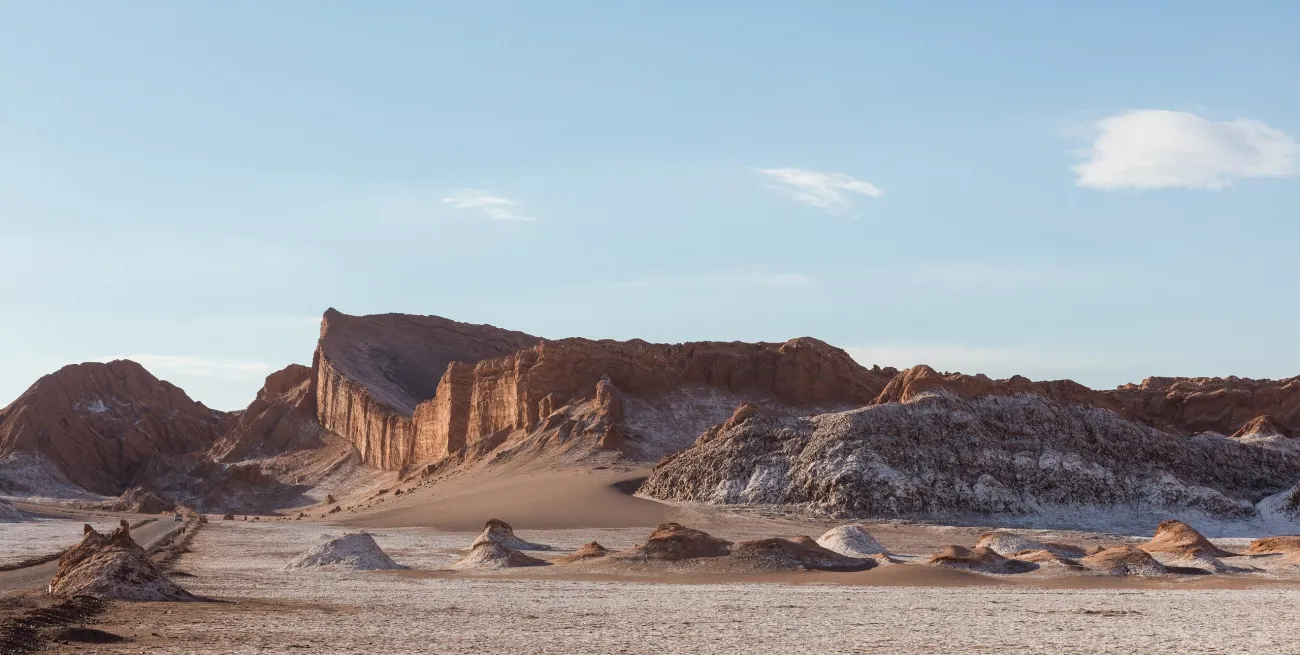
Start with the shapes and textures close to San Pedro rather than racing immediately to the highest excursion. Valle de la Luna's salt-and-rock terrain offers a strong introduction to why this landscape looks so different from the surrounding high plateau. The experience is more rewarding when there is time to stop, watch the light and listen to an explanation of the terrain.
The tourism board's Valle de la Luna overview is a starting point; confirm the current entry system, authorised transport, walking circuit and last access directly before your visit. A sunset description does not mean unlimited access after dark. Carry water and sun protection, wear shoes suited to uneven ground and stay within the designated route.
Access check, 15 November 2026: the community operator's own site displays a notice that the Ckary viewpoint has been closed since 27 May 2026 until further notice, alongside a separate undated precautionary heat-closure banner and ordinary opening information. Confirm current entry and the specific circuit directly before paying or setting out. Do not build the evening around an assumed Ckary sunset visit.
Leave highland trips such as El Tatio until you have considered acclimatisation and individual suitability. El Tatio is around 4,300 metres, far above San Pedro's already elevated town setting. A lower-intensity first day is a sequencing choice, not a guarantee against altitude illness. Families and anyone with relevant health concerns should obtain appropriate advice before committing to a high-elevation outing. You can enjoy Atacama without completing every excursion on a tour-office board.
Give an Atacama astronomy night its own space
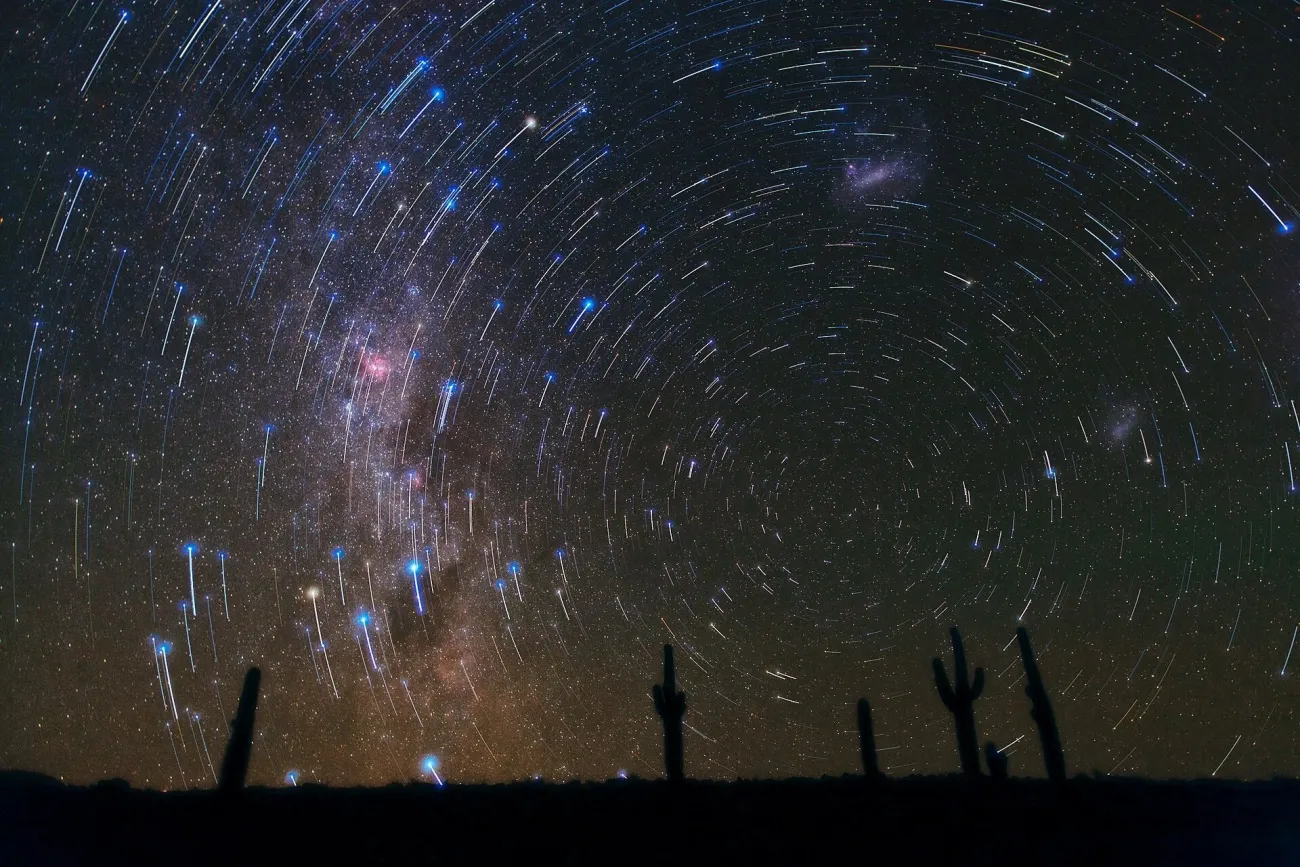
A good astronomy evening does more than put a telescope beside a hotel. Ask whether the programme includes interpretation of the southern sky, telescope time, the language you need and transport from your lodging. Some outings emphasise naked-eye constellations; others spend more time on individual objects or photography. Choose the experience you actually want rather than assuming all star tours are identical.
Moon phase changes the view. A dark-sky session and a moonlit landscape photograph have different aims, and even a well-chosen date cannot guarantee cloud-free conditions. Read the weather cancellation and refund arrangements, then keep another evening open if astronomy is a main reason for coming. The official astronomy overview provides context without making any particular operator's promise.
Dress for sitting still in a cold desert evening. Do not put the latest possible session immediately before a very early highland pickup if you can avoid it. Public astronomy tourism is also different from access to a research observatory: the presence of major scientific facilities in northern Chile does not establish a visitor appointment at ALMA or ESO.
Compare the date, pickup point, language, moon phase and cancellation conditions before choosing a session. Weather may change the programme.
View the Atacama stargazing experience
Pair Santiago's cultural collections with one viewpoint
Give Santiago a subject rather than a checklist. The Museo Chileno de Arte Precolombino offers one route into the art and cultures of the Americas; the Museo de la Memoria y los Derechos Humanos asks for a different, more reflective visit focused on recent history and human rights. Choose the museum that interests you and leave room afterwards to absorb what you have seen.
The Precolombino's published hours are Tuesday–Sunday, 10:00–18:00, with last public entry at 17:15; it closes on Mondays. Put the collection earlier in the day rather than arriving at closing time. If Monday is your only Santiago day, choose the La Moneda exterior walk and a viewpoint with confirmed access instead. For the other collection, check the Museo de la Memoria's programme separately, including exhibitions and any room closures.
For a contrasting outdoor block, choose Cerro San Cristóbal or another appropriate city viewpoint when conditions and access suit. The funicular and cable car are distinct transport services with their own tickets and operating information. Decide where you will enter and leave the park rather than buying a ride without a return plan. In hazy conditions, spend more time on a neighbourhood walk or a collection instead of chasing a mountain panorama that the weather is not offering.
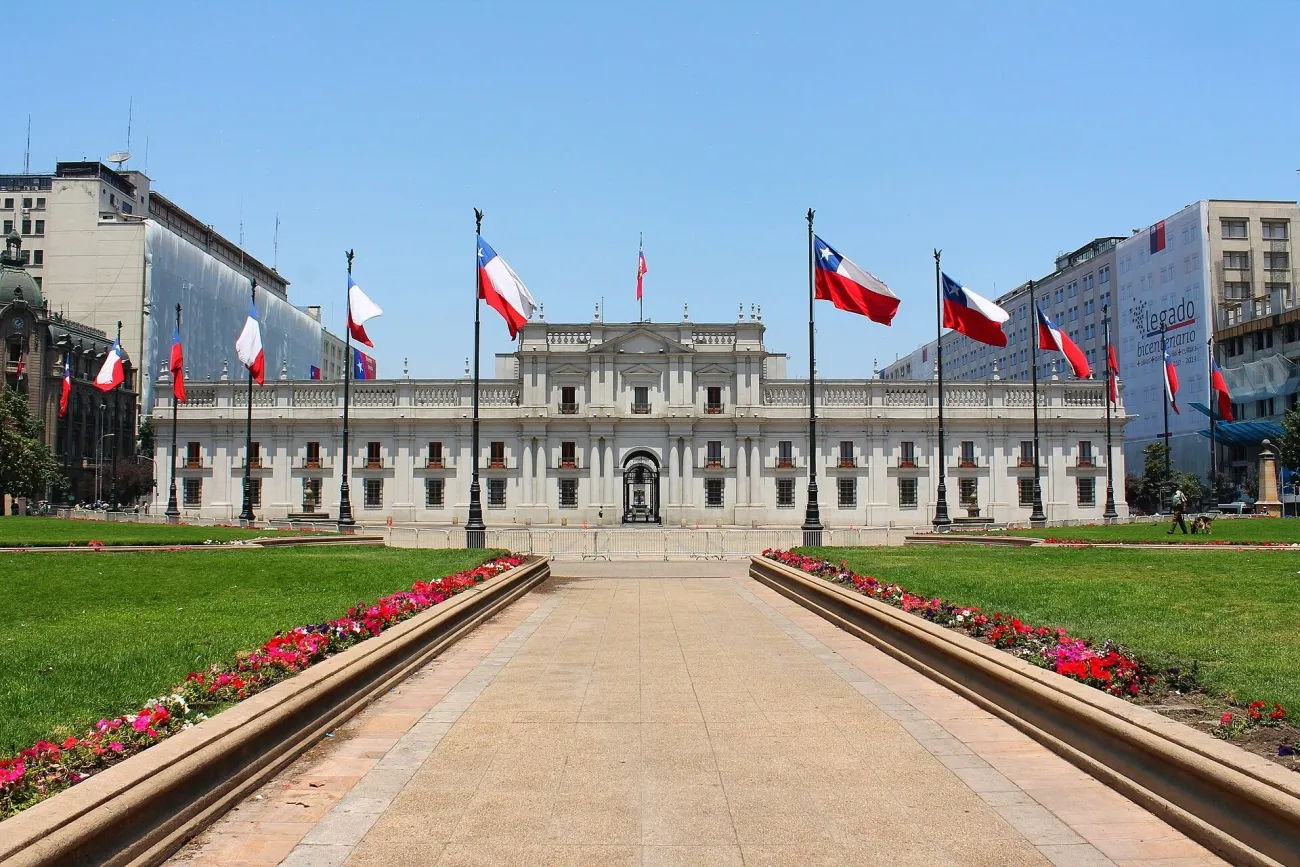
A civic-centre walk around the exterior of La Moneda adds another layer to the day: a working seat of government rather than a museum collection. Photograph from permitted public space and follow the security arrangements in place. Treat an interior visit as a separate booking and access question. Combining this stop with one collection and one viewpoint is more satisfying than trying to cross the whole city in a single afternoon.
Walk Valparaíso's hills with a route and a reason to pause
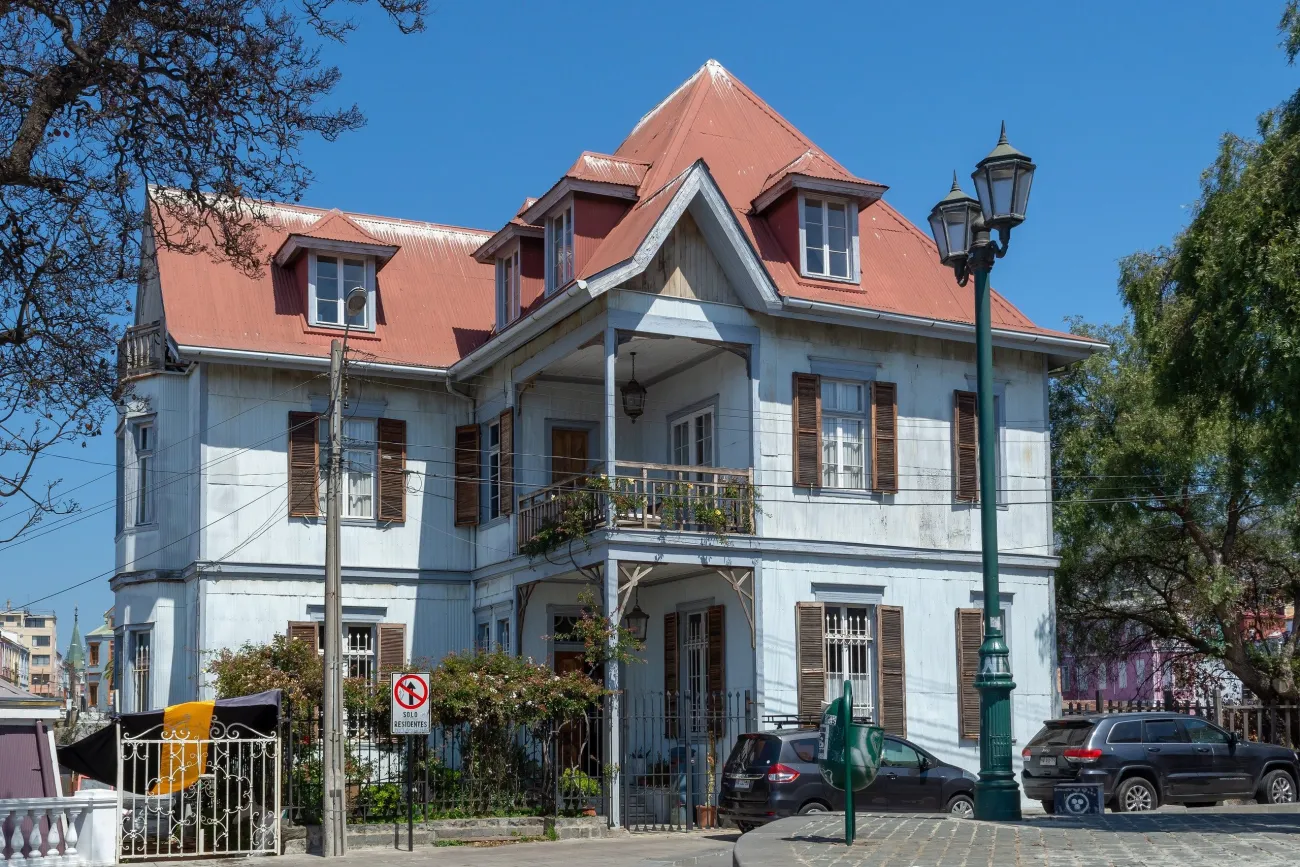
Cerro Alegre and Cerro Concepción work best as a connected daylight walk, with time for viewpoints, stairways, architecture and a meal. Start with a manageable area rather than trying to cross every hill. The city's slopes make distances deceptive: a short map line can be a steep climb, and a staircase is not an accessible alternative for every visitor.
The official hill overview helps place the route above the lower city. Confirm the operating status of any ascensor you intend to use and have a sensible ground-transport alternative. A local guide can add context and simplify navigation, particularly when you want to understand the port's development rather than merely collect mural photographs.
These are lived-in neighbourhoods. Keep doorways clear, lower your voice around homes and ask before close photographs of residents. Avoid letting a phone map pull you onto a quiet or unfamiliar route after dark. For an evening performance or dinner, arrange the return separately. If arriving from Santiago for the day, choose between a generous hill walk and a long beach stop; both deserve more than the leftover hour.
Visit one wine estate properly
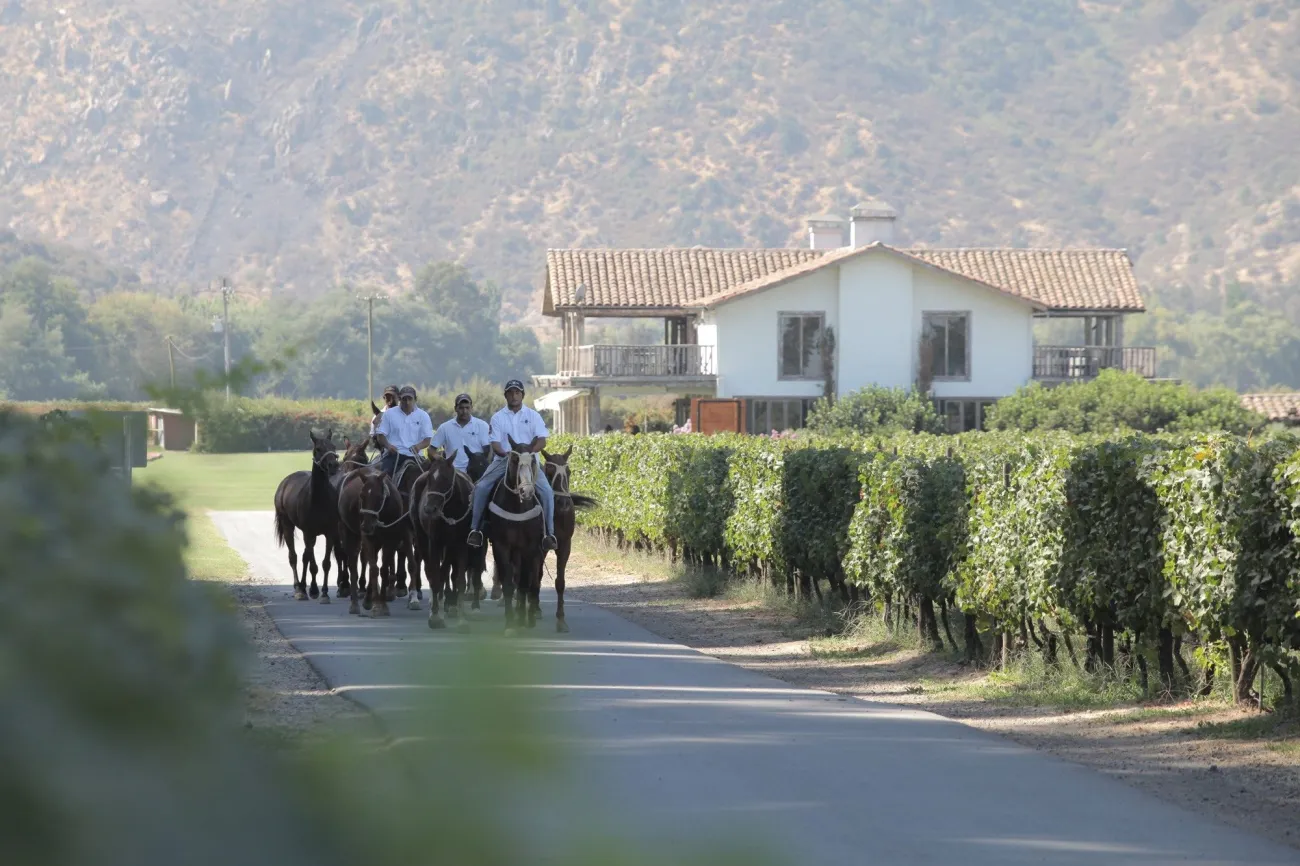
Choose a valley that fits the rest of your central-Chile journey. Maipo can suit a Santiago-based day, Casablanca can sit naturally within a coast trip, and Colchagua offers a reason to stay longer. The tourism board's valley introduction explains the broad geography. These two estates give you concrete starting points.
Casa Silva, Angostura, San Fernando: the estate pictured above offers visits through its vineyard and historic cellar, with tastings determined by the chosen programme. All tours require advance reservation. Use Casa Silva's official tours page and its tours contact to confirm your date, language and preferred tasting; ask separately about meals. Allow for the journey to San Fernando when staying around Santa Cruz. A tour without tasting is listed for visitors who will drive.
Concha y Toro Wine Center, Pirque: this Maipo option is at Av. Virginia Subercaseaux 210. Choose a specific guided visit or tasting through the official booking catalogue; programmes and food inclusions differ. The estate's directions describe Metro Line 4 to Plaza de Puente Alto followed by a taxi to the vineyard. Some bookings offer a transfer option; check what your chosen package includes.
Arrange both the outward and return journeys before tasting. Use a driver who will not drink, or book a transfer for everyone tasting; a rental car alone does not solve the return journey. Confirm a worthwhile alternative for non-drinkers. The food and wine section covers what to ask at the table.
Connect Chiloé's timber heritage with its everyday life
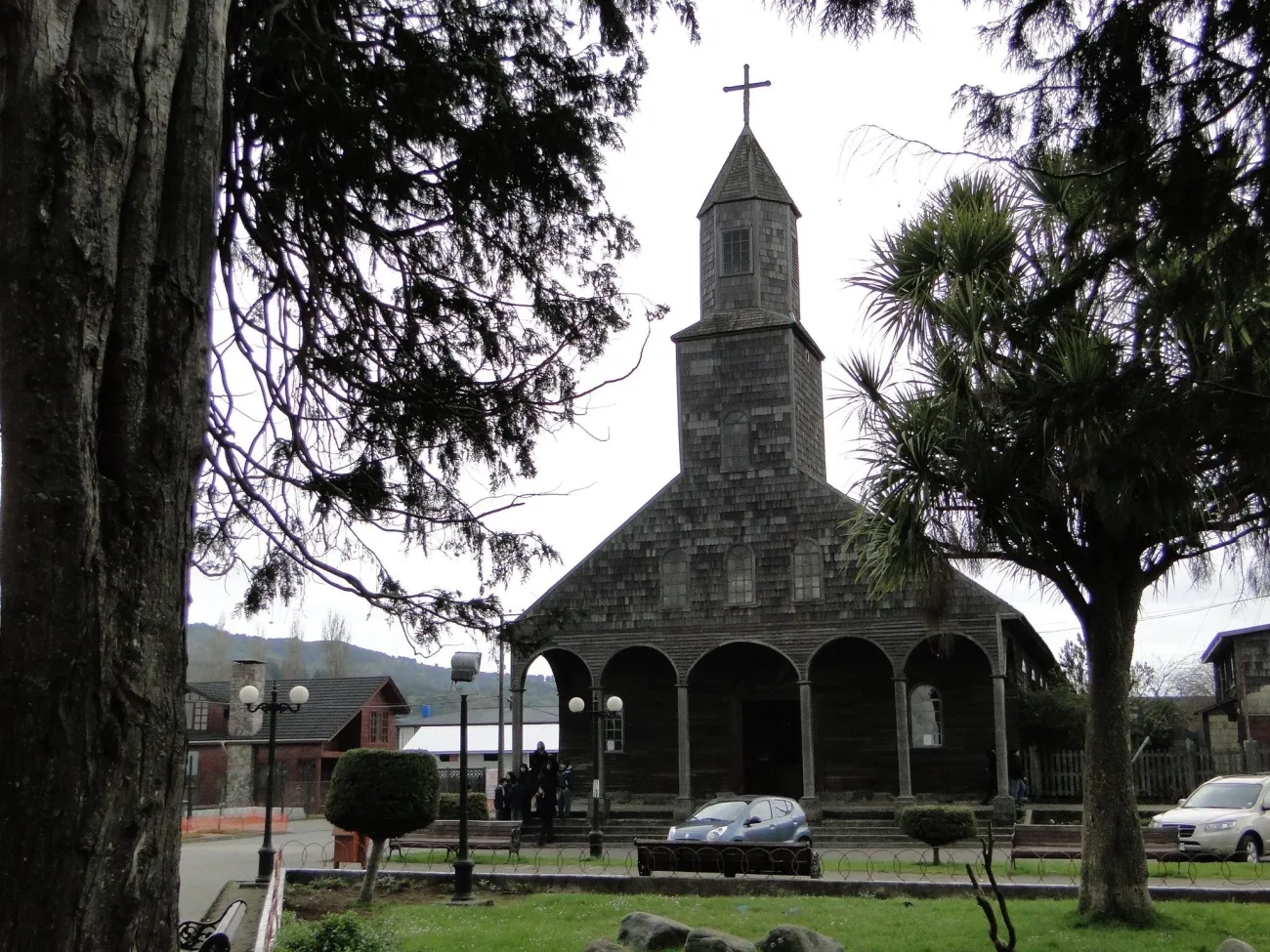
On Chiloé, choose a small group of communities and give them time. The timber churches make more sense alongside the working waterfronts, markets and local meals than as sixteen stops to tick off. Castro and Dalcahue offer possible starting points; island routes can also involve ferries and smaller roads whose timing changes the practical day.
UNESCO identifies sixteen World Heritage churches within a wider building tradition. Choose a few whose locations fit your route and confirm current visitor access. A church remains a religious and community place: services, conservation or a closed door can take priority over your itinerary. Look at timber craftsmanship and the relation to the settlement rather than treating an interior as a studio.
Pair the visit with a market or a booked regional meal, allowing for weather and the drive back. Ask about a curanto's preparation and timing before promising one to the whole group. If heritage and food are major interests, spend island nights instead of making repeated long returns from a mainland base. Wet-weather clothing and flexible pacing improve this experience more than a densely packed route.
Build a Patagonia day around the landscape, not a summit requirement
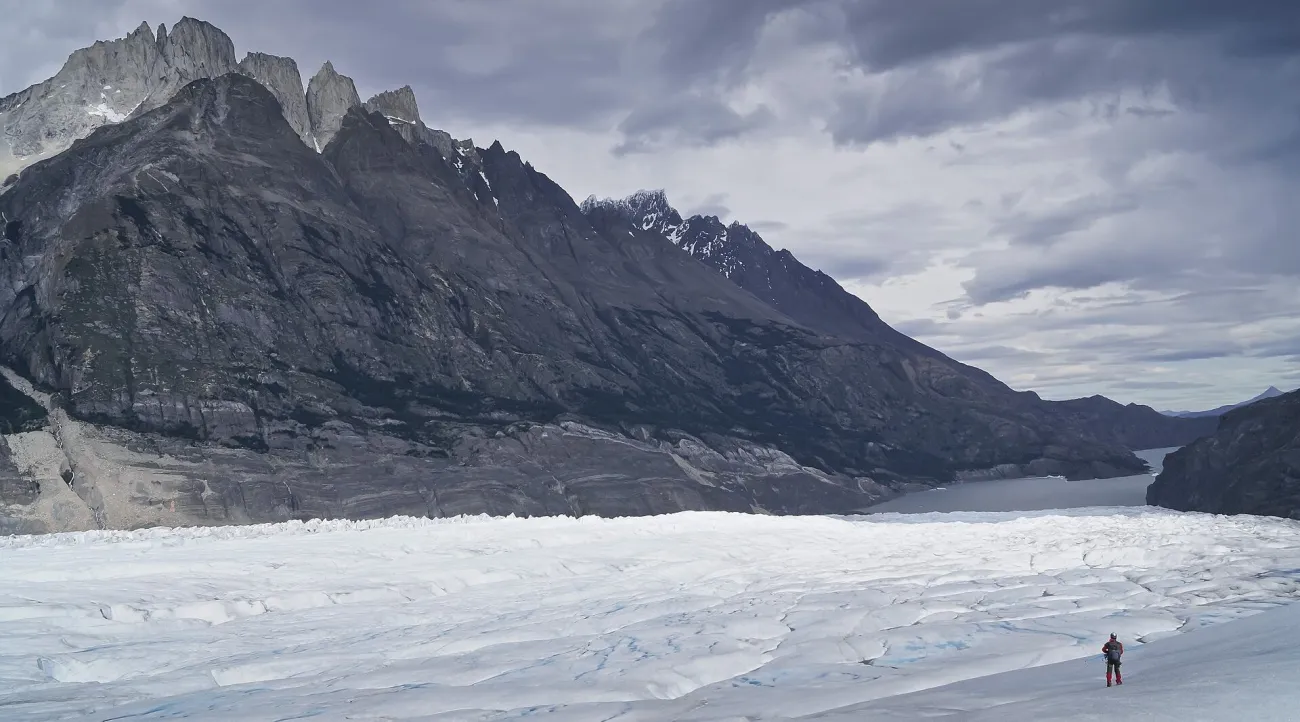
You do not need to undertake the W or O circuit to have a worthwhile Torres del Paine visit. A carefully chosen day can combine suitable viewpoints, wildlife observation and a walk matched to the group. Ask an operator how much time is spent in the vehicle, where the stops are and what happens if the planned trail is unsuitable.
Keep Base Torres as a specific demanding walking choice, not the definition of seeing Patagonia. Weather, current access and individual ability determine what is sensible. Lake and roadside viewpoints may provide a different experience with less sustained walking, but they still need transport, appropriate clothing and respect for wind and road conditions. Never approach wildlife for a closer frame.
Check CONAF's current park rules and keep a weather reserve in your stay. Park admission, guides, boats and overnight reservations are separate components. Walking trails without daylight is prohibited, so a normal visitor's Base Torres plan should not depend on a night departure to reach sunrise. The walking and national parks guide explains the more detailed day-visit and trekking decisions.
Explore Rapa Nui with an accredited local guide
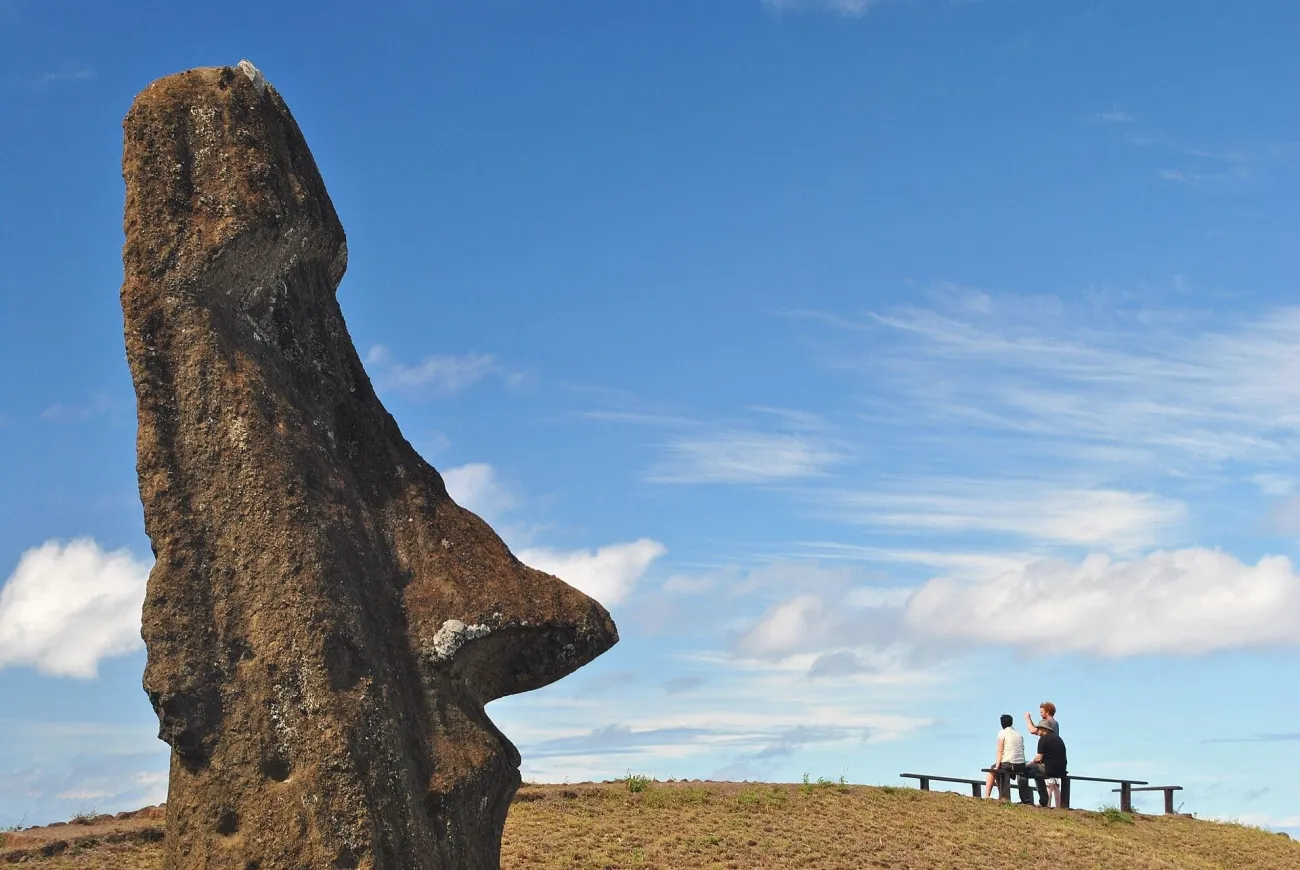
Rapa Nui is worth choosing for an interest in the island's history and living culture, with time for interpretation rather than a hurried sequence of moai photographs. Discuss the route with an accredited guide and identify which visits matter most to you. Geography, site access and the weather should shape the sequence, not a promise to see every named place before lunch.
The park's official visitor rules require a ticket and a Ma’u Henua-accredited guide. Rano Raraku and Orongo each permit one visit per ticket, so plan those sessions deliberately. Do not assume a rental car permits independent entry to all archaeological sites. Ordinary visitor photography, commercial work and drone use are different permissions.
Leave space around the guided visits for Hanga Roa, meals and a beach outing where conditions permit. Keep off ceremonial platforms, do not touch moai and follow the guide's instructions around fragile remains. The island's separate entry process and accommodation requirements must be settled before flying. Adding Rapa Nui means allocating a dedicated island stay and replacing another travel module if the trip is short.
Travel Tip: Reserve the experience that matters most, then leave its neighbouring day lighter. That gives an astronomy night, a park outing or a long transfer room to change without unravelling the whole trip.
Frequently asked questions
What are the best things to do in Chile in one week?
Choose central Chile plus one priority region. Santiago and Atacama allow a mix of culture, lower desert landscapes and astronomy; a central-Chile-only trip can focus on Santiago, Valparaíso and a wine valley with fewer flights. Patagonia or Rapa Nui needs to replace another major module rather than being added as a quick extra.
Can I enjoy Torres del Paine without a multi-day trek?
Yes. Select a day visit with viewpoints and walks suited to your group, then confirm transport, admission and current park conditions. The W and O circuits involve separate overnight and logistical commitments.
Should I book El Tatio on the first morning in Atacama?
A high-elevation outing is a poor default for immediate arrival. Consider a gentler start, gradual ascent and individual suitability before a journey to around 4,300 metres. Acclimatisation is not guaranteed by fitness or one night in San Pedro.
Can I explore Rapa Nui's archaeological sites on my own?
The park requires a ticket and an accredited guide. A vehicle rental does not remove those rules, and Rano Raraku and Orongo each have a one-visit-per-ticket limit. Confirm the current arrangements with the park and your guide.
We may earn a commission if you book through our GetYourGuide links.
Tours, Tickets & Experiences
Chile Travel Tips & Inspiration