SPAIN · CANARY ISLANDS GUIDE
Canary Islands Travel Essentials

Practical preparation for the Canary Islands starts with the details of your own trip: nationality, arrival route, island, accommodation and activities. The archipelago belongs to Spain, but a stay involving several islands has transport questions that a mainland city break does not. This guide brings together entry preparation, everyday essentials, money, safety and useful contacts without assuming that one answer fits every traveller.
Visa & Entry
The Canary Islands follow Spain's entry framework; there is no separate tourist visa for the archipelago. Whether you need a visa depends on nationality, residence status, travel document and purpose. Consult the Spanish foreign ministry's entry conditions and the consulate responsible for your place of residence before booking a non-refundable trip.
For many third-country short-stay visitors, the relevant Schengen limit is 90 days in any 180-day period. It applies across the relevant Schengen stay, not as a fresh allowance each time you move between islands or arrive from mainland Spain. Visa exemption does not remove the other entry conditions. Check the documents that apply to your circumstances, including accommodation, onward travel and any required proof of means.
Do not use a blanket “six months remaining” rule for every passport. Spain's published third-country entry conditions generally require a document issued within the preceding ten years and valid for at least three months after the planned departure from Schengen, subject to the applicable exceptions. EU, EEA and Swiss citizens have a different framework. Follow the official guidance for your nationality and document rather than adapting another traveller's checklist.
Keep the travel document used for bookings available during the trip. Airlines and ferry companies may require identification even when a journey is internal to Spain. If travelling with children, check their individual document requirements and any consent rules relevant to the journey. An island-hopping booking is a transport arrangement, not an immigration permission.
Travel Essentials
Spanish is the official language. English is common in many visitor settings, but learning a greeting and carrying a written address helps when dealing with a small business or arranging a rural pickup. Use the full place name and island: Las Palmas de Gran Canaria, Santa Cruz de Tenerife and Santa Cruz de La Palma are different destinations.
The islands use the euro. Their clocks are one hour behind mainland Spain, with seasonal clock changes applying. Check the local time on tickets and booking confirmations rather than treating GMT as an unchanging year-round description. A flight arriving at a stated local time and a ferry departing at another stated local time still need a realistic ground connection.
Check your devices' input labels before using a plug adaptor. Download accommodation details and relevant maps for offline use, but do not assume a saved map includes current closures. Ask your mobile provider about your exact roaming plan; a Spanish destination does not establish the terms of a non-EU contract. Keep a way to contact your accommodation if arrival is delayed.
For a rural property, ask about the final approach, check-in arrangements, nearby food shopping and any limitations on connectivity. For a late arrival, confirm whether reception or key collection will still be available. A booking confirmation and an operational late check-in arrangement are not always the same thing.
Travel Costs & Money
Build a budget around the actual island and season, not a general claim that the Canaries are always cheaper than mainland Spain. Accommodation, rental cars and date-sensitive activities can vary substantially. Compare totals with the same dates, number of guests, cancellation terms and included services. A room with breakfast and parking should not be compared directly with a room-only offer without accounting for the difference.
| Budget item | What to include | How to compare fairly |
|---|---|---|
| Accommodation | Room, mandatory charges, meals and parking you will use | Same dates, guests, room type and cancellation basis |
| Arrival transport | Airport or port transfer in both directions | Full party price versus individual tickets |
| Island hopping | Ticket, baggage or vehicle charges, terminal transfers | Non-resident fare if that applies to you |
| Rental car | Rate, agreed cover, extras, fuel and parking | Same driver eligibility and return location |
| Activities | Entry, permit, equipment and transport | Separate free access from optional paid experiences |
| Daily spending | Meals, groceries and small purchases | Household total and number of days |
This is a calculation framework rather than a quoted daily price. Add a contingency appropriate to your own itinerary, particularly if a missed connection would require another night's accommodation. For a longer stay, separate fixed arrival costs from recurring weekly costs; the longer-stay checklist covers the accommodation questions.
Carry a payment method suitable for your bookings and some cash for smaller purchases. Before an ATM withdrawal, review the displayed fee and any currency-conversion offer; your own bank may also charge. Do not assume that a card accepted in a restaurant is accepted for a car-rental deposit. Check that particular provider's terms in advance.
Health & Safety

Keep personal documents and valuables secure, use official transport channels and avoid leaving bags in view in a parked vehicle. General descriptions such as “safe island” do not replace ordinary precautions. If an incident occurs, contact the appropriate service and retain the reference needed by your insurer or document issuer.
For the coast, follow the lifeguards, flags and local signs. A red flag means do not enter the water. A calm-looking pool or shoreline can change with swell and waves; do not enter a closed natural pool or stand on exposed rocks to obtain a photograph. Choose an alternative land-based activity if the conditions do not suit a swim.
For walking, match the route to the group and use authorised access. Check closures, altitude, surface, weather, daylight and the return journey. A cable-car ticket does not establish permission for every trail. Review the current Teide reservation guidance for the route you intend to use.
Check AEMET warnings and local authority instructions for heat, dust, wind and other relevant conditions. For personal medical preparation, consult the appropriate health service or clinician. Check travel insurance for the activities you intend to undertake and the assistance arrangements. Eligibility for public healthcare and private insurance cover are separate questions; do not assume that a card covers every provider or rescue situation.
Useful Contacts
| Need | Where to go | Information to have ready |
|---|---|---|
| An emergency requiring police, fire or medical assistance | 112 | Exact location, island, what happened and a callback number |
| Current weather warnings | AEMET | Island, locality and time of the planned outing |
| Entry or lost-document guidance | Your consulate and the relevant Spanish authority | Nationality, document and travel details |
| A flight or ferry change | The operator shown on your ticket | Booking reference and the exact route |
| Trail or park access | Park authority or official booking platform | Route name, date and permit reference |
| Accommodation arrival problems | The property or its documented booking contact | Reservation name and revised arrival time |
Save these channels before going into a remote area. A generic tourism office number is not a substitute for the carrier managing a missed sailing, and a tour reseller may not be the authority managing a closed trail. Use the contact responsible for the actual issue. Do not rely on unverified telephone numbers copied from an older article.
Family Travel & Accessibility
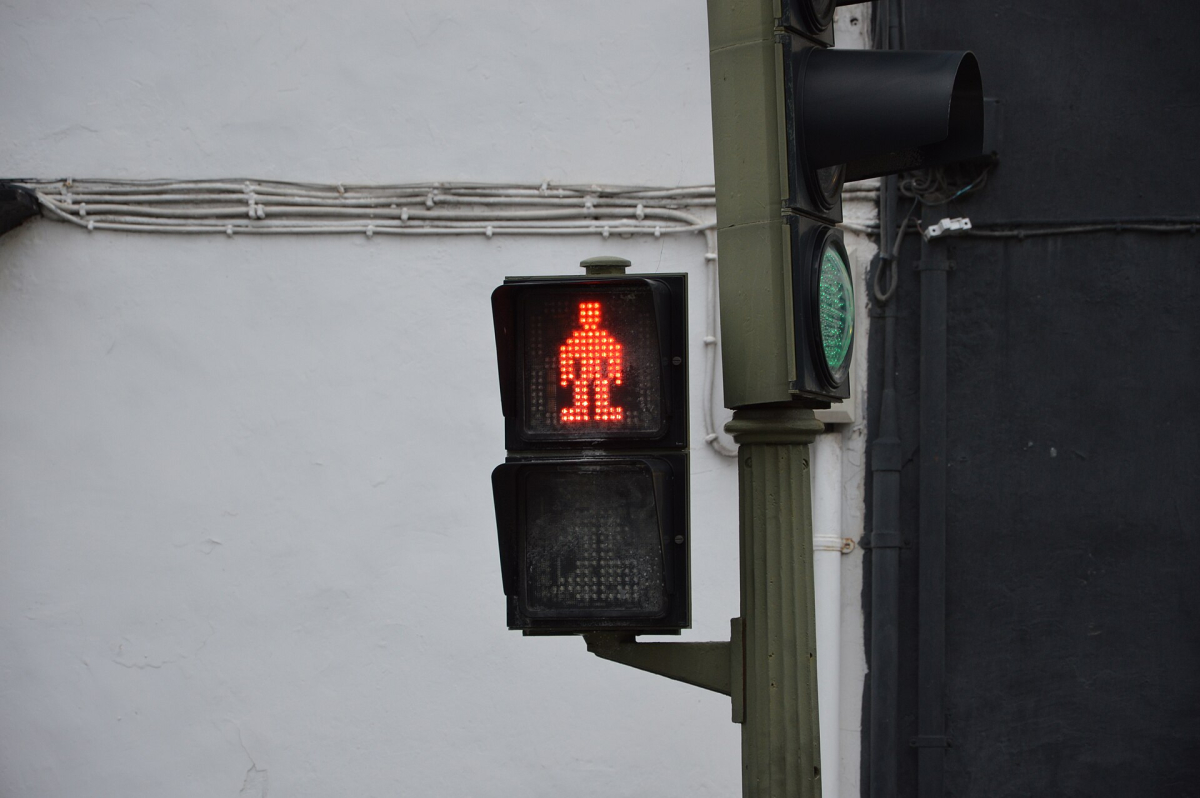
Check the complete route for anyone travelling with a pushchair, wheelchair or limited walking endurance. A hotel lift does not prove that the beach route is step-free; a photograph of a promenade does not show every crossing or gradient. Ask for practical details about entrances, bathrooms, boarding and assistance rather than relying on a general accessibility label.
With children, balance active days with shorter local outings. Confirm child-seat arrangements, boat age restrictions and the suitability of walks directly with the relevant provider. Keep food, toilets and the return trip in the plan. The most scenic remote stop is not necessarily the most enjoyable option for a family needing regular breaks.
Shopping and customs preparation
The Canaries' tax arrangements differ from mainland Spain's VAT system. That does not make every purchase unrestricted or automatically cheaper. Keep receipts and check the rules at your destination for goods brought back from the islands, including alcohol, tobacco, food, plants and animal products. Spain's traveller allowance information distinguishes relevant origins and goods.
Fast Facts for practical planning
| Topic | Useful starting point |
|---|---|
| Country and region | Spain · Canary Islands autonomous community |
| Inhabited islands | Tenerife, Gran Canaria, Lanzarote, Fuerteventura, La Palma, La Gomera, El Hierro and La Graciosa |
| Currency | Euro (€) |
| Language | Spanish |
| International calling code | +34 |
| Time | One hour behind mainland Spain; seasonal clock changes apply |
| Electricity | 230 V / 50 Hz; check your equipment's input rating and plug adaptor needs |
| Emergency assistance | 112 |