EGYPT · CAIRO GUIDE
Cairo History & Culture: Urban Heritage & Living Traditions
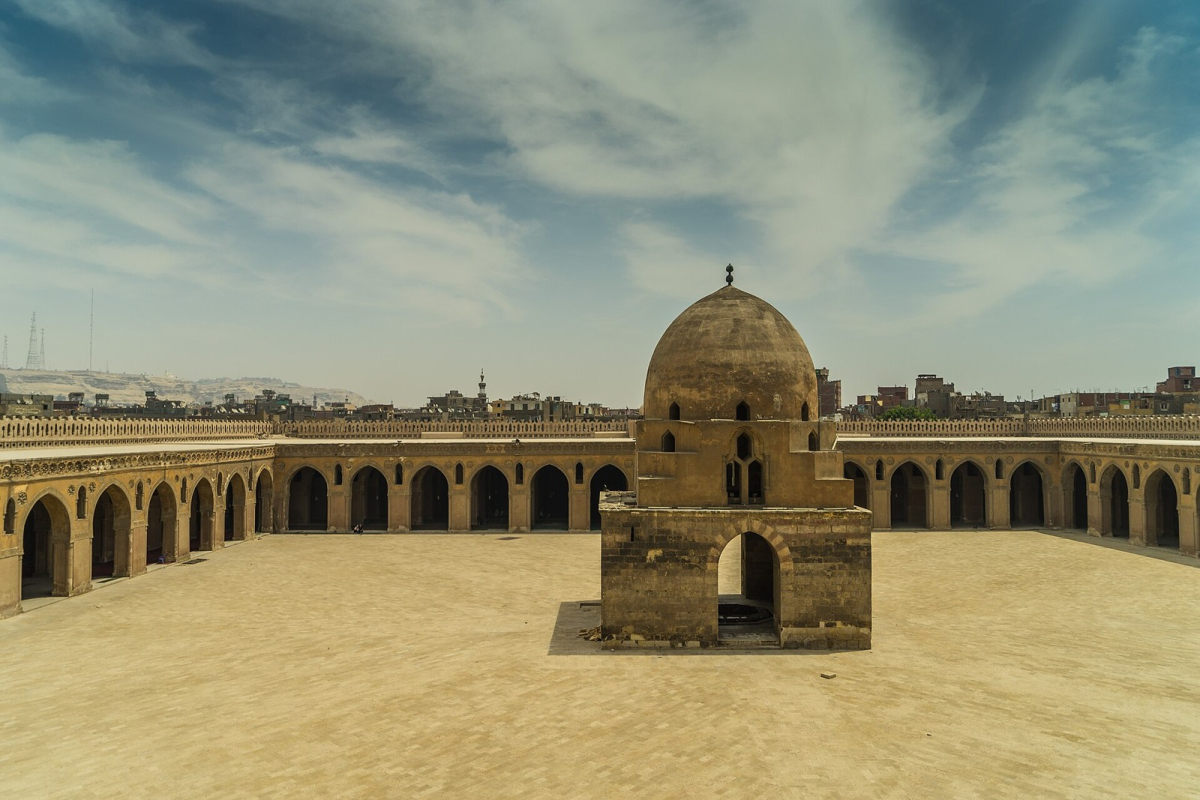
Read Cairo’s history through its streets
Cairo’s history is easiest to understand as a sequence of urban places rather than a list of Egyptian dynasties. The old fortress and religious sites around Coptic Cairo, the medieval lanes of Al-Muizz, the Citadel skyline and the broad streets of Downtown tell different parts of the city’s story. Put two contrasting areas into your stay and the changes in scale, materials and street life become tangible.
This guide focuses on how to explore those layers in Cairo. For the national chronology and sites beyond the capital, use Egypt History & Culture. An ancient object displayed in a Cairo museum may come from another part of Egypt; the collection and the city around its building should not be mistaken for the same historical place.
Swipe horizontally if needed to compare all columns.
| Interest | Useful city choice | Plan it with |
|---|---|---|
| How the medieval city worked | Al-Muizz and selected monuments in Historic Cairo | One coherent street route and time to look beyond façades |
| Christian heritage and the old fortress setting | Coptic Cairo and the Coptic Museum area | Current worship access, steps and the specific museum ticket |
| Royal power and the skyline | Citadel and Muhammad Ali Mosque | A separate visit block; nearby mosques do not automatically share its ticket |
| Modern central-city architecture | Downtown/Tahrir street segment | A manageable walk, a café stop and the actual street crossings |
| Ancient collections | GEM, Tahrir Museum or NMEC according to interest | A chosen collection focus and realistic museum time |
The medieval city: gates, trade and civic buildings
UNESCO’s Historic Cairo listing identifies the Fatimid foundation of 969, later Ayyubid and Mamluk development, and the survival of whole neighbourhoods. Al-Muizz’s north–south route and the remaining city gates help make that development visible. Religious schools, charitable water buildings, markets and workshops show that a capital operated through everyday institutions as well as palaces.
On a walk, choose a few details to follow: the relation between a doorway and the street, carved stone, a shaded commercial lane or a building serving several functions. A knowledgeable licensed guide can explain those connections. Avoid trying to identify every date from a minaret silhouette or treating a restoration as proof that a building has remained unchanged.
Old Cairo and the fortress setting
The Ministry’s Hanging Church description links the church’s setting to the Roman fortress and nearby Coptic Museum. This area offers a different scale of visit from the medieval city: church entrances, compact lanes, icons and architectural fragments can reward slower attention.
Keep worship and visiting distinct. Check the day’s access, dress and camera instructions before entering; a sightseeing plan does not override a service. If adding NMEC, treat it as a separate museum with another approach and a different interpretive purpose. A tour sold as “Coptic Cairo and the mummies” combines destinations rather than describing one religious complex.
Downtown and the modern expansion of the city
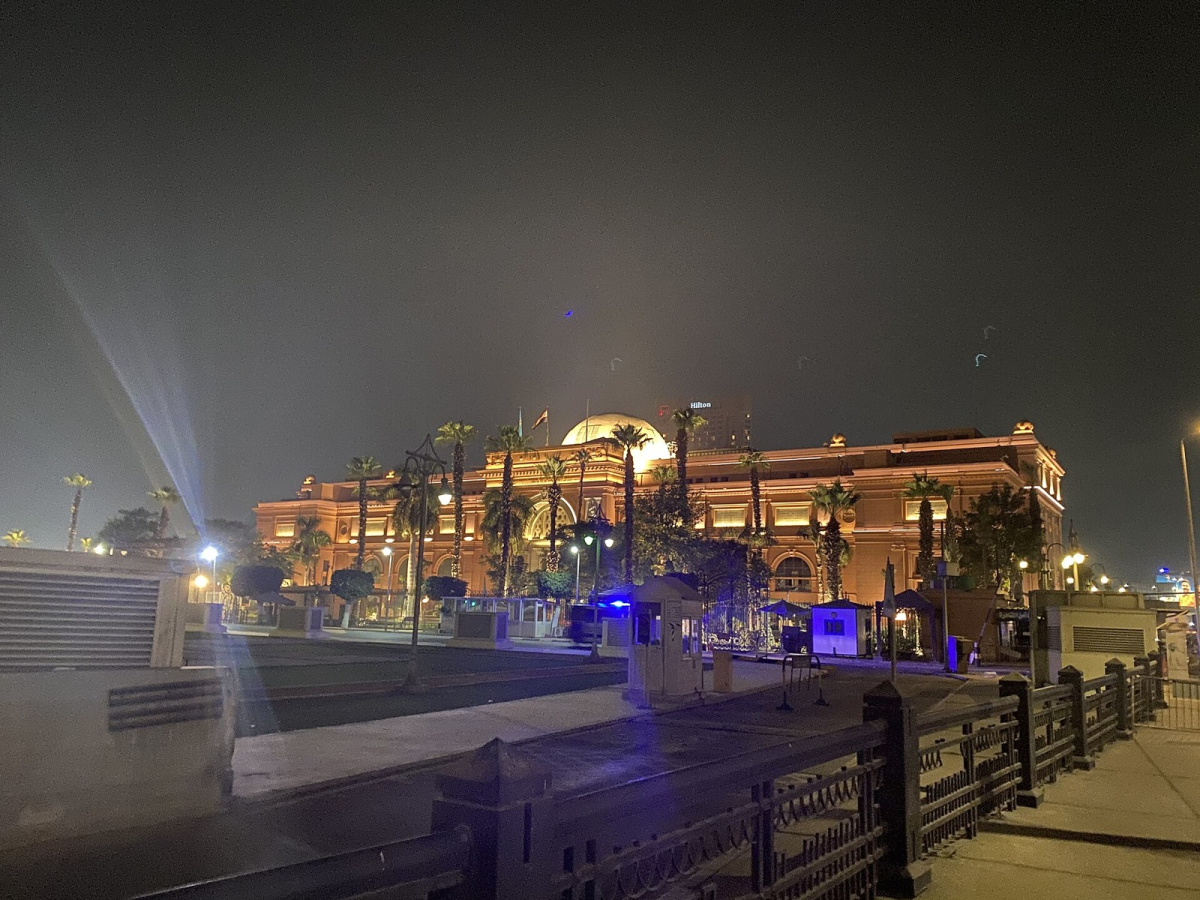
Downtown gives another way into Cairo’s story: look at the scale of streets, commercial ground floors, apartment façades and the relationship with the river. Instead of reciting architectural labels for every block, choose a short route around Tahrir and central streets and examine how buildings meet ordinary city life.
A museum visit at Tahrir can be paired with this central-city context. Leave time for crossings and a rest stop; the experience is richer when the street walk is chosen deliberately rather than treated as the exhausting space between taxi journeys. Zamalek adds a contrasting island setting, galleries and neighbourhood routine for a separate outing.
Connect the City’s History with a Museum Visit
For collection choice, use Cairo Museums. It compares GEM, Tahrir, NMEC and specialist institutions as separate visits. Pair the collection with the historical district or period that interests you, while giving each its own time block.
Cairo culture continues beyond museum displays
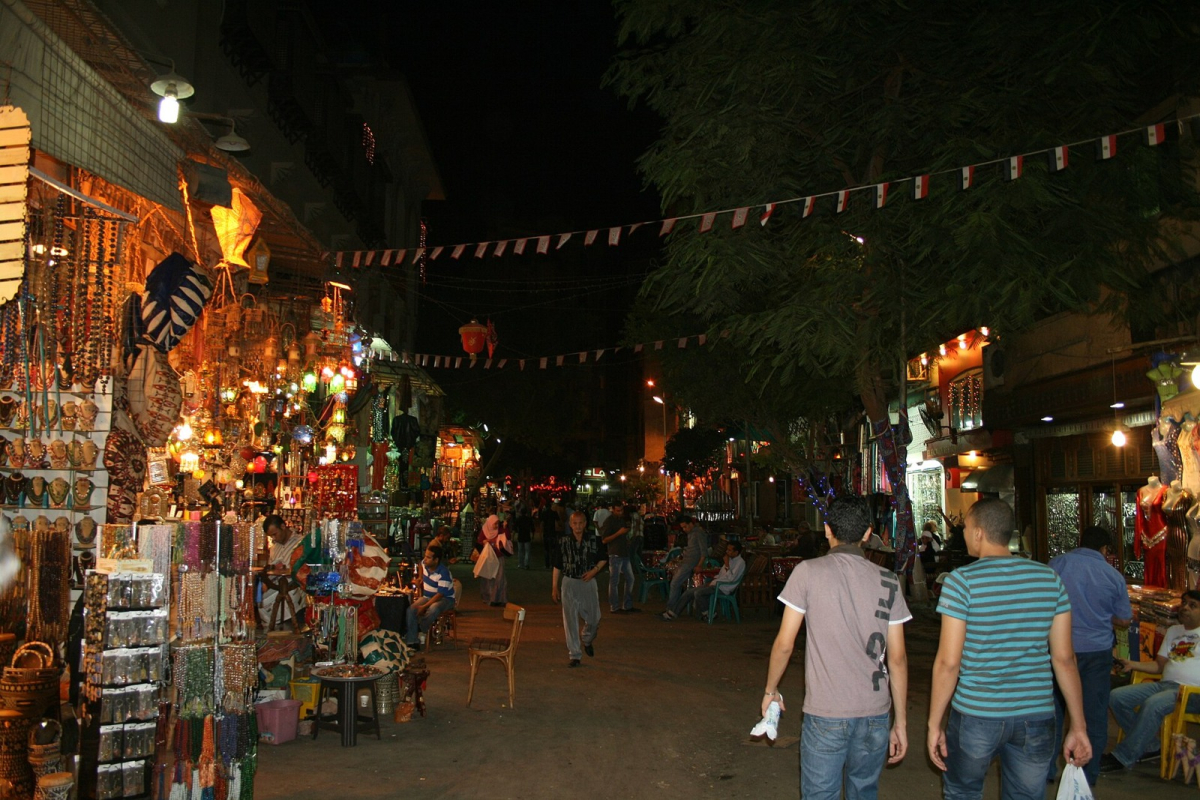
Leave room for a contemporary performance, gallery or workshop visit. The Opera programme identifies the actual date and venue; not every event under the organisation takes place on Gezira. Confirm language, duration and booking arrangements before choosing a performance around your interests.
Treat a workshop or a historic market as someone’s workplace. Ask before photographing people, avoid blocking trade and buy directly when the object and workmanship interest you. Cultural understanding comes from attention to a few places and people, alongside the monumental history, rather than from completing a dynastic checklist.
Frequently Asked Questions
Where should I start to understand Cairo’s history?
Choose two contrasting urban areas, such as Coptic Cairo and Al-Muizz, then add a focused museum. Their streets and buildings make different stages of the city’s development easier to compare.
Why look at markets and water buildings on a Historic Cairo walk?
They show how the city served everyday life as well as rulers and religious institutions. Follow the relationship between workshops, commercial lanes, schools and charitable water buildings instead of treating every façade as an isolated monument.
What does Downtown add to a Cairo history visit?
Its broad streets, apartment façades and commercial ground floors offer a contrast with the smaller lanes of the medieval city. A short central walk helps you notice changes in urban scale and how historic buildings remain part of daily life.
How can I include living culture in a historical visit?
Leave time for a current performance, a gallery or a workshop alongside the historic buildings. Confirm the actual event venue and programme, and treat workshops and markets as workplaces when visiting or photographing.