
SPAIN · BARCELONA GUIDE
Barcelona Food & Drinks: What and Where to Eat
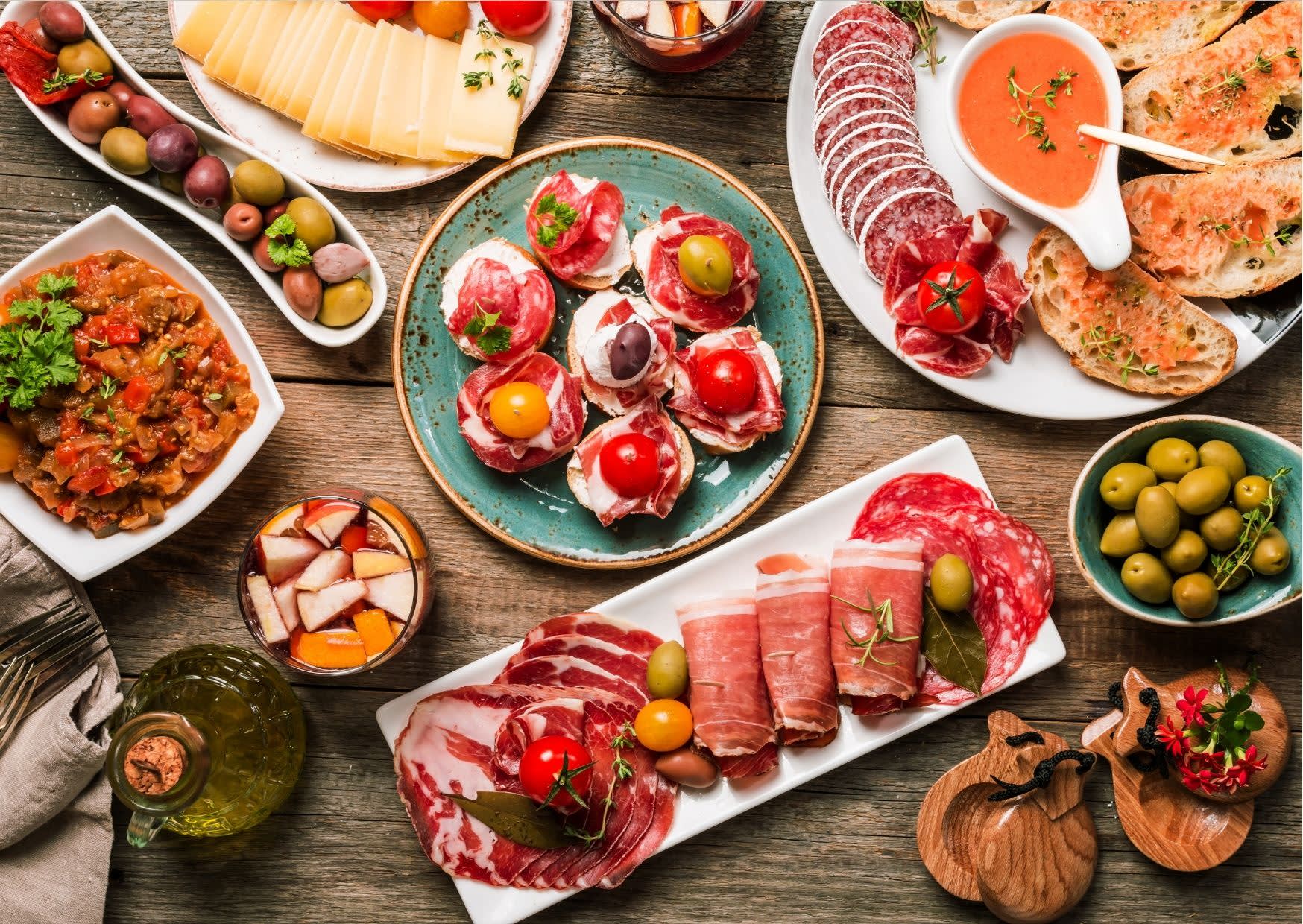
Barcelona is one of the Mediterranean’s most diverse culinary cities, offering everything from traditional Catalan dishes and fresh seafood to creative tapas, local wines, cava, craft beer and modern fusion cuisine. Whether you prefer casual tapas nights, seafood lunches by the sea or elegant wine bars, the city offers endless options for food lovers.
This guide covers local dishes, drinks, markets and dining choices. Restaurant planning is included on this page; for options after dinner, see Barcelona Nightlife.
Quick Snapshot – Barcelona’s Signature Flavors:
- Tapas culture: Small plates shared among friends
- Catalan cuisine: Seafood, stews, slow-cooked meats, vegetables
- Seafood specialities: Paella, fideuà, grilled fish
- Local drinks: Cava, vermouth, Catalan wines
- Markets: La Boqueria, Santa Caterina, Sant Antoni
Essential Foods to Try in Barcelona
Barcelona’s food culture blends Catalan traditions with Mediterranean ingredients. Here are the must-try dishes every visitor should know.
Tapas – The Heart of Barcelona’s Food Culture
Tapas are central to Barcelona’s social life. They are meant for sharing, making them perfect for relaxed evenings with friends or family.
- Patatas Bravas: Fried potatoes with spicy sauce and aioli
- Pimientos de Padrón: Small green peppers – some are spicy
- Gambas al Ajillo: Garlic shrimp
- Croquetas: Creamy croquettes filled with ham, chicken or seafood
Catalan Specialties
Catalonia has a strong culinary identity, reflected in earthy, flavorful and comforting dishes.
- Pa amb tomàquet: Bread with tomato and olive oil – simple, essential
- Escalivada: Grilled peppers, eggplant and onions
- Botifarra: Catalan sausage with white beans
- Suquet de Peix: Fish stew with potatoes and garlic
Seafood Dishes
Barcelona’s coastal location makes it one of the best places to enjoy fresh seafood.
- Paella: Best enjoyed by the sea in Barceloneta
- Fideuà: A noodle-based version of paella
- Grilled sardines & octopus: Mediterranean classics
Barcelona’s Drink Culture
Cava – Catalonia’s Sparkling Wine
Cava is the region’s signature drink, produced mainly in Penedès near Barcelona. It’s dry, fruity and perfect for pairing with seafood and tapas.
Vermouth – The Local Aperitif Tradition
Vermouth (“vermú”) is a beloved early-evening drink served with olives, chips or small tapas. You’ll find local vermouth bars in many neighborhoods.
Catalan Wines
Catalonia produces excellent red, white and rosé wines. Many restaurants offer regional varieties with strong character and Mediterranean notes.
Craft Beer
Barcelona has a growing craft beer scene with microbreweries and local taprooms, especially in Poblenou and Eixample.
Food Markets – The Best Way to Taste Local Life
Markets are essential to Barcelona’s food culture. They offer fresh produce, seafood, jamón, cheeses and small food counters where you can enjoy quick bites.
- La Boqueria: Famous, colorful and lively
- Santa Caterina Market: More local and less crowded
- Mercat de Sant Antoni: Modern, clean and atmospheric
Best Neighborhoods for Food & Drinks
El Born – Tapas, Wine Bars & Creative Menus
One of the top districts for evening food experiences. Perfect for tapas hopping, wine nights or stylish restaurants.
Sant Antoni – Brunch & Modern Cuisine
Known for trendy brunch cafés, artisan bakeries and creative kitchens.
Barceloneta – Seafood & Seafront Dining
Ideal for seafood lovers, offering paella, grilled fish and Mediterranean dishes with sea views.
Eixample – Fine Dining & Signature Cocktails
Home to elegant restaurants, tasting menus and cocktail lounges.
Food Experiences You Should Try
Tapas Hopping in El Born
Start with wine, then walk to the next tapas bar. It’s the best way to explore Barcelona’s culinary character.
Seafood Lunch by the Sea
Barceloneta and Port Olímpic offer authentic seafood and paella restaurants perfect for lunch with a view.
Wine Tasting & Pairing Menus
Several restaurants and bars in Eixample and El Born offer curated wine tastings paired with Catalan dishes.
Visiting a Local Market
Grab jamón, cheese, olives or fresh fruit and enjoy an authentic Barcelona snack on the go.
Etiquette & Practical Tips
- Barcelona dinners start late – around 8–10 PM.
- Tapas are meant for sharing.
- Service charges are included; tipping is optional.
- Reservations are essential for popular restaurants.
- Ordering “menu del día” at lunch offers great value.
Common Mistakes to Avoid
- Eating paella far from the sea.
- Limiting food experiences to tourist-heavy streets.
- Skipping local Catalan dishes in favor of generic tapas.
- Expecting early dinner times.
Insider Tips for Food & Drinks in Barcelona:
- Order “pa amb tomàquet” with almost any dish—it’s a local essential.
- Try local cava in small bars rather than only in restaurants.
- Explore side streets in El Born and Gràcia for the best hidden gems.
- Lunch is often the best time for seafood—fresher and less crowded.
- Visit Sant Antoni Market for a more relaxed, authentic experience.
Frequently Asked Questions
What food is Barcelona known for?
Tapas, Catalan dishes, seafood rice, fideuà and fresh Mediterranean flavors.
Is tipping required?
No, but small tips are appreciated for excellent service.
Where can I try the best seafood?
Barceloneta is the top area for fresh fish, paella and seaside restaurants.
Are vegetarian options common?
Yes. Many restaurants offer vegetarian or vegan dishes, especially in Sant Antoni and Eixample.
Order for the meal you want
| Choice | How to use it |
|---|---|
| Catalan dishes | Look beyond a generic tapas menu: ask about seasonal dishes and local ingredients |
| Market counter | Check seating, ordering method and posted prices before settling in |
| Seafood or rice dish | Ask about portion size, minimum people and whether the price is per person |
| Vegetarian or allergies | Confirm ingredients and preparation with staff rather than relying on a dish name |
| Set lunch menu | Check the day, hours, courses and drinks actually included |
For a restaurant, compare recent menus and booking conditions rather than assuming a neighborhood label guarantees quality. Ask whether a terrace price differs, whether a deposit is refundable, and whether a tasting menu can accommodate your dietary needs. Cava and vermouth are useful regional starting points; sangria is not the only way to explore local drinks.
Where to look for your next meal
El Born can work for a meal paired with an old-town walk; Sant Antoni for market surroundings and contemporary casual places; Eixample for a meal after Modernisme sightseeing; Barceloneta for a coastal lunch. These are search areas rather than a ranking of every restaurant there. Check the actual address and return route before booking.
Restaurant opening days vary. Do not build a Sunday or late-night plan around a market without checking it. Use official Barcelona visitor information to find current local resources, then verify menus and reservations with the venue itself.
Dining with children or limited mobility
Reserve a practical time, ask about high chairs and toilet access, and confirm whether the entrance or dining room has steps. For a long tasting menu, check the expected duration and cancellation policy. A short tapas stop may suit a sightseeing day better than a large late lunch followed immediately by a timed admission.
Continue planning your Barcelona visit:

Dining by Traveler Type
- Couples: Rooftop dinners, El Born wine bars
- Families: Casual tapas, seafood restaurants
- Solo travelers: Tapas counters, lively bar seating
- Food lovers: Eixample tasting menus
- Budget travelers: Menu del día (affordable lunch menus)
Editorial review: Photos4Travel, 5 October 2026. Planning estimates are not live quotes; confirm current official schedules, rules and booking conditions for your dates.
Targeted verification: Photos4Travel, 16 October 2026. Removed a misleading restaurant-guide self-link left from the earlier content merge; venue hours and individual menus still require a date-specific check.