
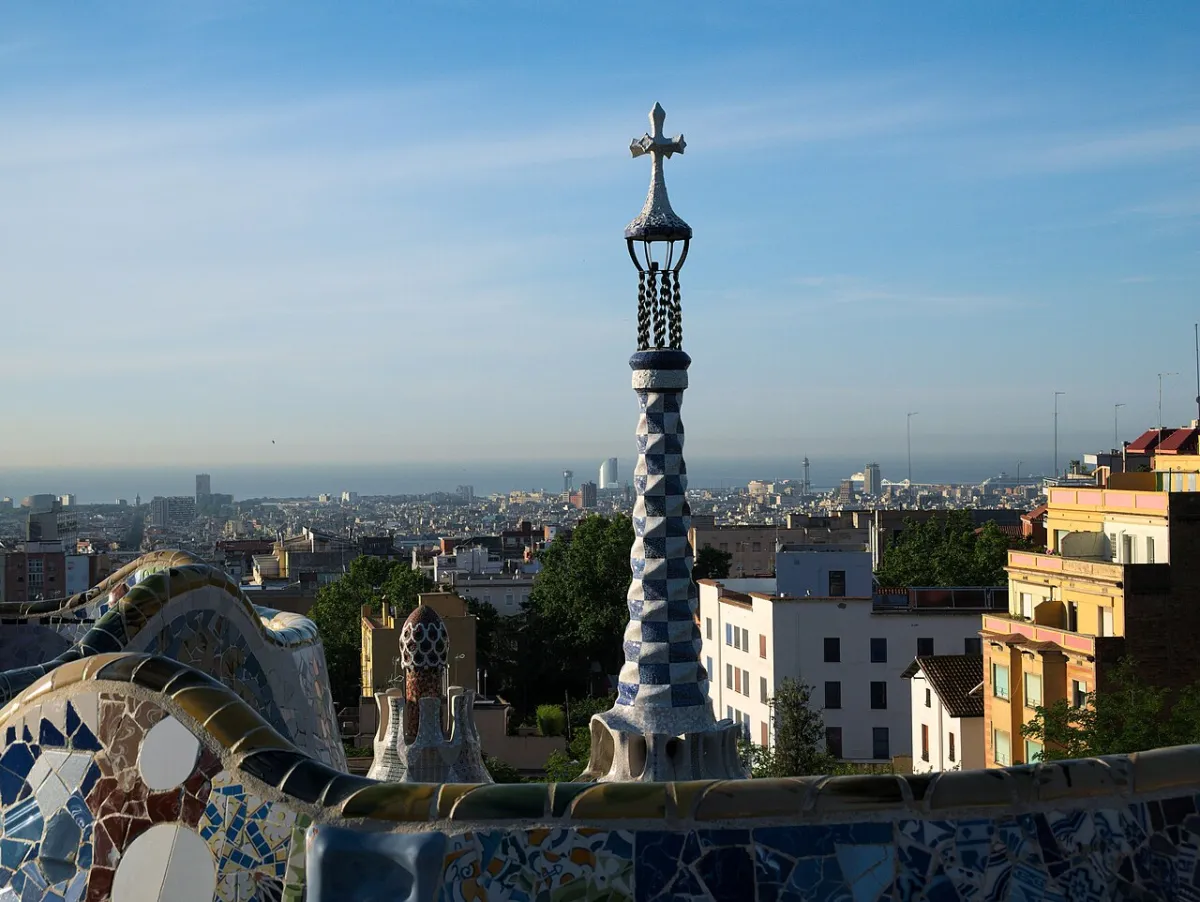
This guide helps you choose among 15 established places to visit in Barcelona, understand ticket differences and group sights sensibly. Start with one or two paid highlights, then add nearby streets, gardens or the sea. For activities and experience ideas beyond individual landmarks, use our Barcelona Things to Do guide.
Which Barcelona attractions should you prioritize?
- First visit: Sagrada Família, the Gothic Quarter and one Passeig de Gràcia house give you a useful introduction to the city.
- Architecture: Compare Casa Batlló’s color and interior design with La Pedrera’s courtyards, apartment and sculptural roof.
- Outdoor time: Choose Park Güell for Gaudí’s landscape design, Montjuïc for gardens and museums, or Tibidabo for a longer hill excursion.
- A smaller sightseeing budget: Walk Passeig de Gràcia, the Gothic Quarter and El Born, then add Ciutadella Park or the waterfront. Paid interiors are separate choices.
- Football fans: Check exactly which FC Barcelona museum or stadium product is available for your dates before setting aside time for Camp Nou.
Barcelona sightseeing at a glance
| Place or area | Planning allowance | Entry decision |
|---|---|---|
| Sagrada Família | 1½–2 hours | Timed ticket; tower access is an extra option |
| Park Güell | 1½–2 hours, plus the approach | Book a tourist entry slot; check the entrance |
| Casa Batlló or La Pedrera | 1–2 hours per house | Compare the rooms, roof access and visit type |
| Gothic Quarter and El Born | 2–3 hours for an outdoor walk | Streets are free; museums and cultural visits are separate |
| Montjuïc | Half a day | Gardens, museums, castle and transport have different conditions |
| Tibidabo | Half a day including travel | Distinguish the Panoramic Area from paid rides |
| FC Barcelona museum and stadium visits | 2–3 hours including local travel | Choose a named product; stadium access varies |
These are editorial planning estimates, not official tour durations. Add entry checks, transfers, meals and rest stops. Ticket conditions come from the official venue links below, checked on 9 October 2026; prices and available sessions must be reconfirmed for your dates.
1. Sagrada Família: prioritize the interior
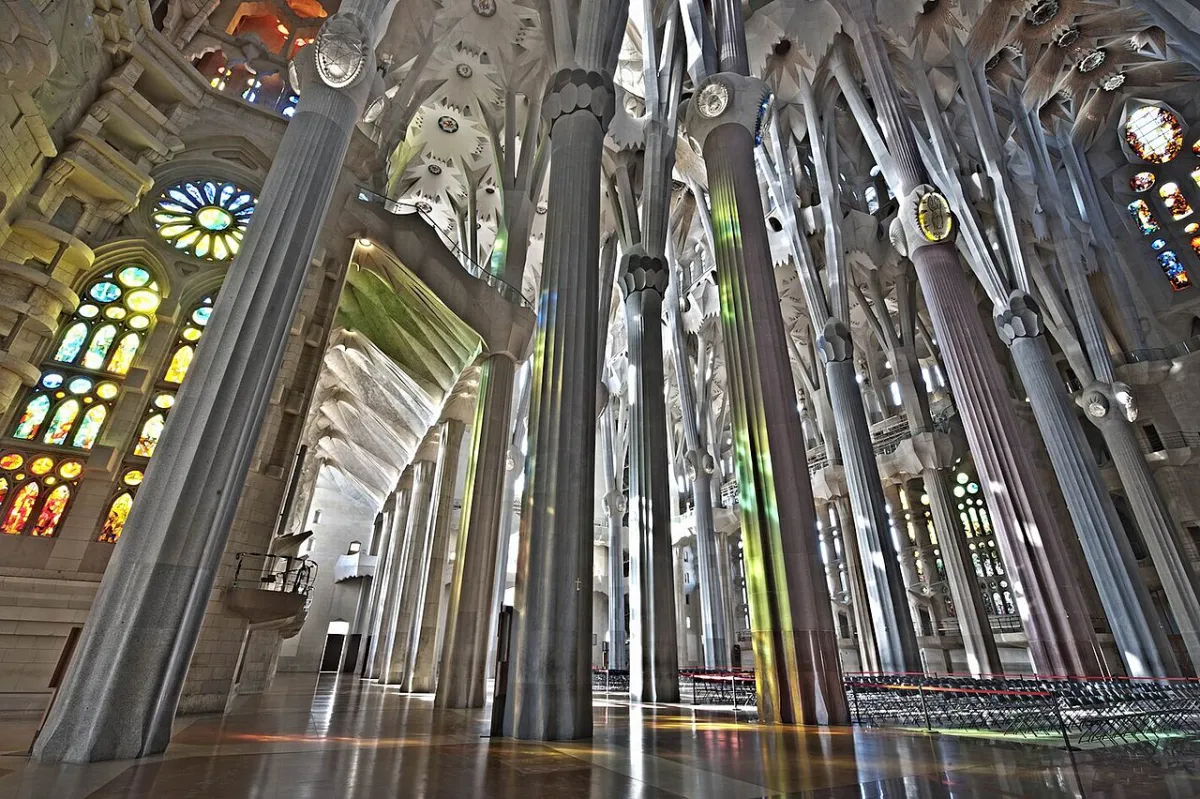
Gaudí’s basilica is a strong first choice if you can pay for only one major architectural interior. The branching columns and stained glass explain aspects of the building that an exterior photograph cannot capture. Outside, compare the detailed Nativity façade with the more angular Passion façade.
Use the official Sagrada Família ticket options to distinguish the basilica visit, guided visits and tower additions. A tower ticket is a separate decision with access restrictions; do not treat it as essential to appreciating the church. Confirm the visitor rules and accessibility requirements before purchase.
Plan the visit: Allow about 1½–2 hours and extra time for any addition. For an exterior composition, Plaça de Gaudí offers a view across the pond. Light depends on season, weather and façade orientation, so there is no single best hour for every photograph.
2. Park Güell: mosaics, terraces and an uphill approach
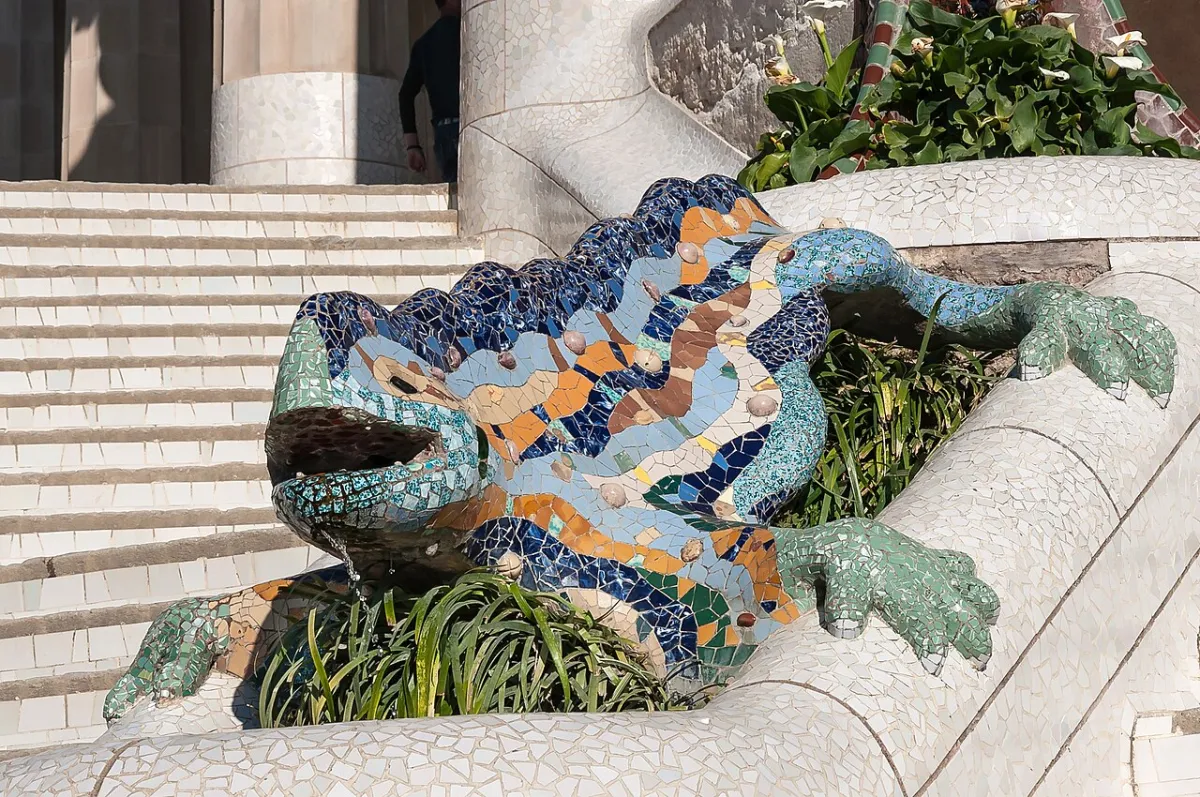
Park Güell is the place to see Gaudí’s architecture working with a hillside landscape: mosaic surfaces, curved seating, columns and stone pathways become part of the setting. Choose it if outdoor architecture appeals to you, and allow time to explore beyond the busiest photo stops.
The park operates timed tourist entry. Its official opening and admission information distinguishes visitor hours from periods reserved for eligible local residents and Passi Verd users. Arriving at sunrise does not automatically give tourists access. Check the entrance on your ticket and plan the route to that entrance, rather than to a generic map pin.
Plan the visit: Allow 1½–2 hours inside, plus travel and slopes. Carry water, take breaks in hot weather and check accessible routing in advance. Park Güell, Montjuïc and Tibidabo are separate hill visits.
3. Gothic Quarter: Barcelona’s historic center
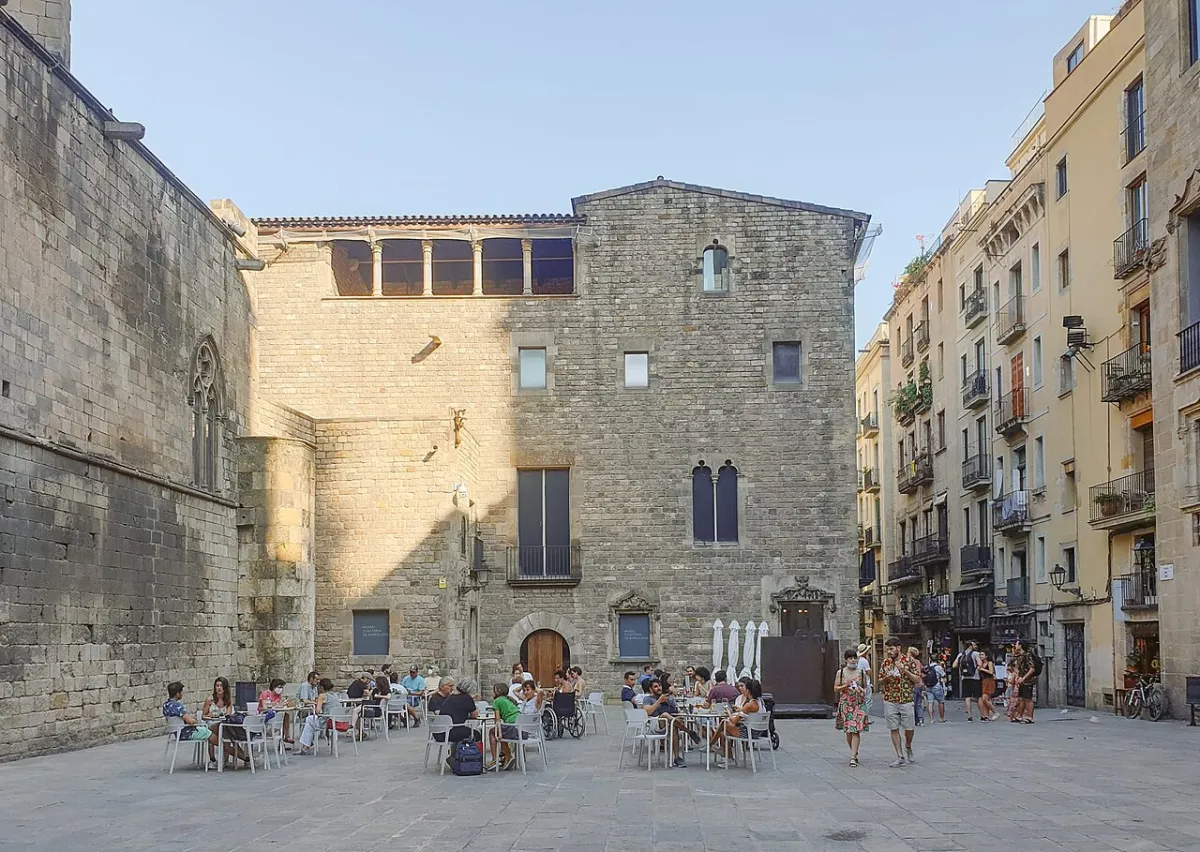
Barri Gòtic suits travelers who want streets and squares rather than another ticketed interior. Begin around the cathedral, continue toward Plaça del Rei and Plaça Sant Jaume, and leave time to turn into smaller lanes. The area combines Roman remains, medieval buildings and later restorations; its appearance is not an untouched snapshot of one period.
Plan the visit: Spend at least an hour outdoors, longer if you enter a museum or the cathedral. Cultural visits have their own conditions, distinct from walking the neighborhood. Early streets may be easier to photograph, but residents, deliveries and worship still take priority. Carry valuables securely and consult our Barcelona travel essentials for practical advice.
4. Casa Batlló: color, curves and an immersive interior
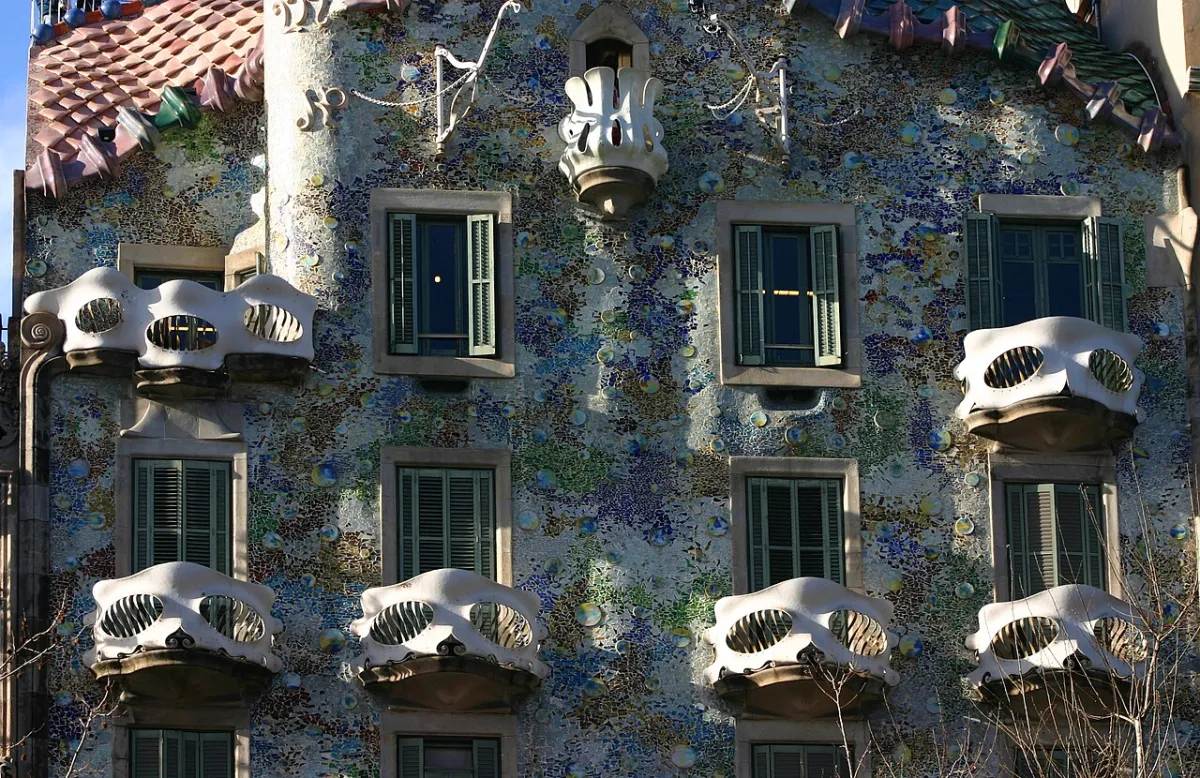
Casa Batlló stands on Passeig de Gràcia, with an undulating façade and a roof often associated with a dragon’s back. Choose the interior if you are interested in how Gaudí shaped light, movement and domestic spaces. Seeing the façade from the pavement is worthwhile even when you choose a different paid house.
Compare the official Casa Batlló experiences: a general visit, night visit, concert package and temporary exhibition are different products. Some experiences do not include the roof or even the main house tour. Check the inclusions before comparing prices.
Plan the visit: Allow 1–2 hours, depending on your ticket and pace. Treat rooftop concerts as a date-specific choice, rather than a guaranteed evening activity.
5. La Pedrera / Casa Milà: courtyards and rooftop sculpture
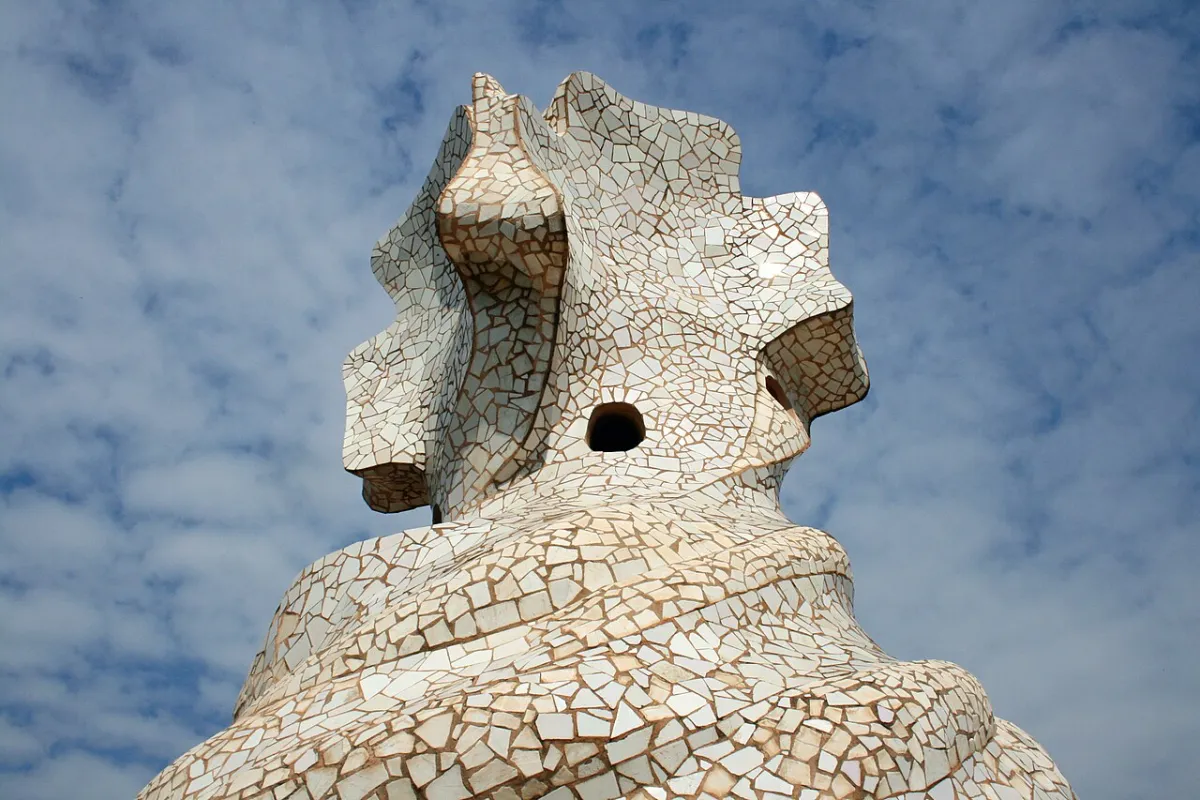
La Pedrera is a useful alternative to Casa Batlló if you are drawn to building structure, courtyards and the relationship between an apartment block and its extraordinary roof. Its wave-like stone façade can be appreciated from outside; the paid visit gives the building more context.
Check La Pedrera’s official visit types for the included spaces and guided or self-guided format. Daytime, sunset and night experiences differ. For a short trip, choose one Gaudí house for the interior and compare both façades outdoors; architecture enthusiasts may reasonably want both.
Plan the visit: Allow 1½–2 hours. Roof access can be affected by conditions, and accessible routes may differ from the standard route.
6. La Rambla: a connecting walk through the center
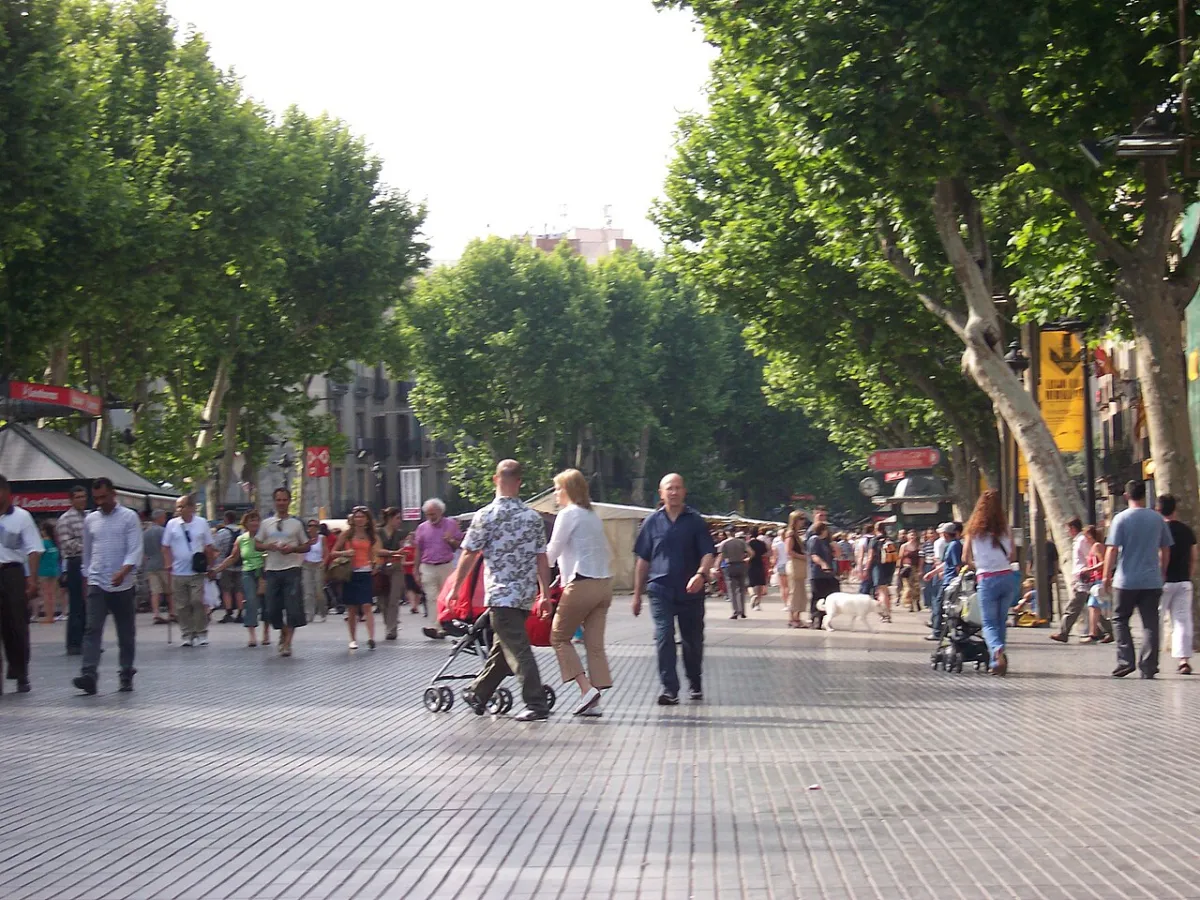
La Rambla connects Plaça de Catalunya with the waterfront and provides access to the Gothic Quarter and El Raval. It makes sense as part of an old-town route, especially if you are visiting La Boqueria. Give it a short walk rather than treating the entire boulevard as a full sightseeing day.
Plan the visit: Look beyond the main pedestrian flow for the surrounding streets, and keep your phone and bag secure in crowds. Restaurants vary: compare menus, prices and opening times rather than assuming every venue on one street is good or bad. Temporary street works may change the easiest route.
7. La Boqueria: a working market, not just a photo stop
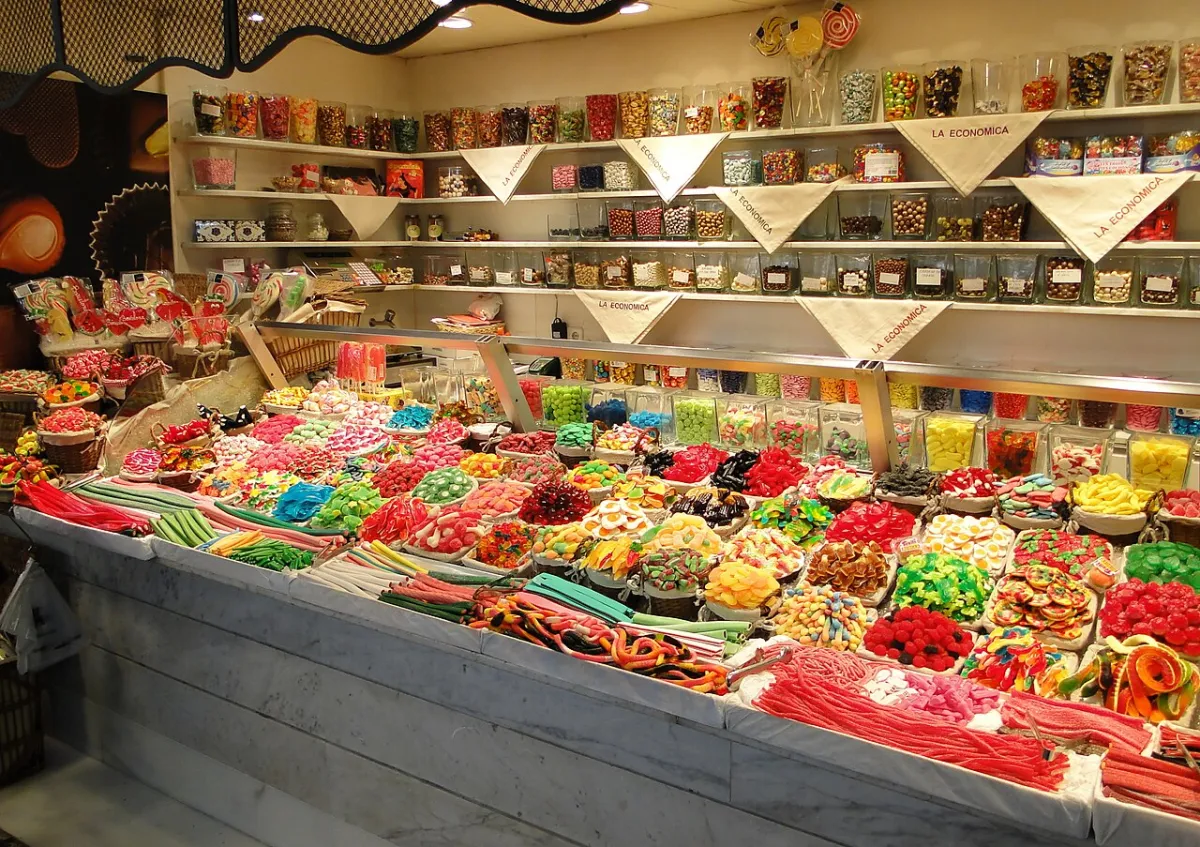
La Boqueria is a food market beside La Rambla where fresh produce, fish counters and prepared food share a busy space. It is a practical stop for people interested in ingredients and market culture. A quick snack and a slower market meal are different uses of your time and budget.
Plan the visit: The market’s official information lists Monday–Saturday opening; individual stalls may keep different hours and holidays can affect trading. Do not build a Sunday morning itinerary around normal market service. Avoid blocking counters for photographs, ask before taking close portraits and use our Barcelona Food & Drink guide for broader eating plans.
8. Barceloneta Beach: an easy waterfront extension
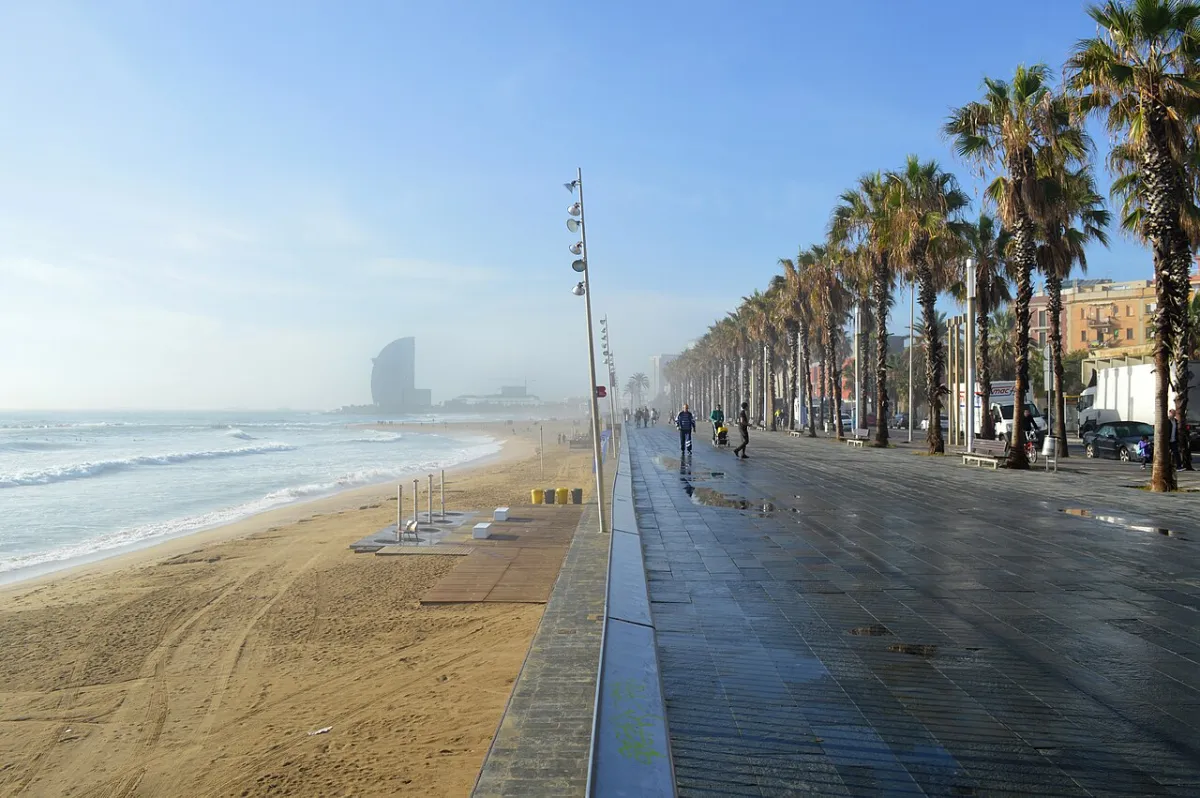
Barceloneta gives an old-town sightseeing day a change of pace: open sea, sand and a promenade within reach of the center. Choose it for a waterfront walk even when swimming is not part of your plans. The neighborhood behind the beach is also a residential area, so keep noise and photography considerate.
Plan the visit: Allow an hour for a stroll, or longer for beach time. Conditions, lifeguard coverage and bathing flags matter more than a calendar assumption. Do not leave valuables unattended while swimming. Compare city beach locations in our Barcelona Beaches guide; walking farther does not guarantee quieter sand.
9. Montjuïc: choose a museum, garden or viewpoint
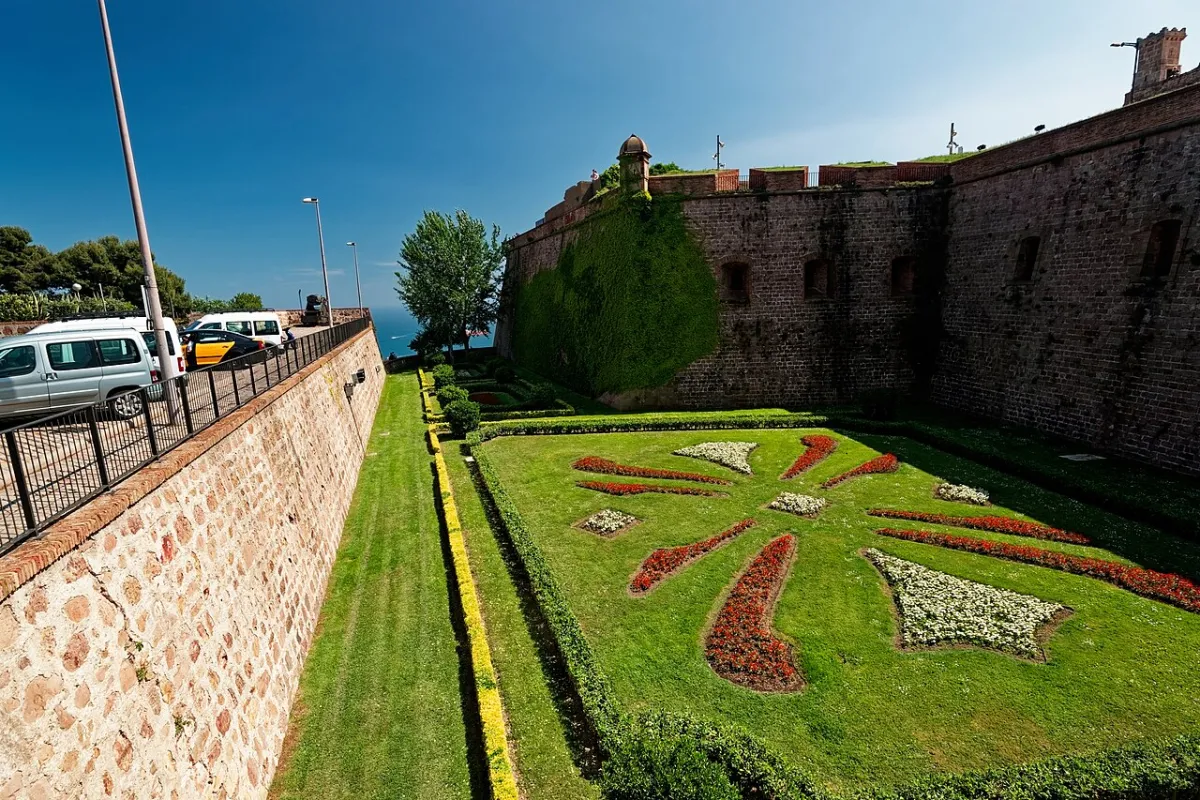
Montjuïc covers a large hillside, with the Museu Nacional d’Art de Catalunya, gardens, Olympic sites and the castle among its possible stops. Choose a main purpose before you go. A museum-focused afternoon and a walk toward the castle require different routes and energy.
Plan the visit: Reserve half a day and identify your return route before heading uphill. The Montjuïc funicular, Montjuïc cable car and harbor cable car are distinct services; check current operation and ticket coverage in our Getting Around guide. Confirm the City Council’s Magic Fountain information before adding a show. A fountain photograph does not establish that a performance runs on your evening.
10. El Born: historic streets with a museum option
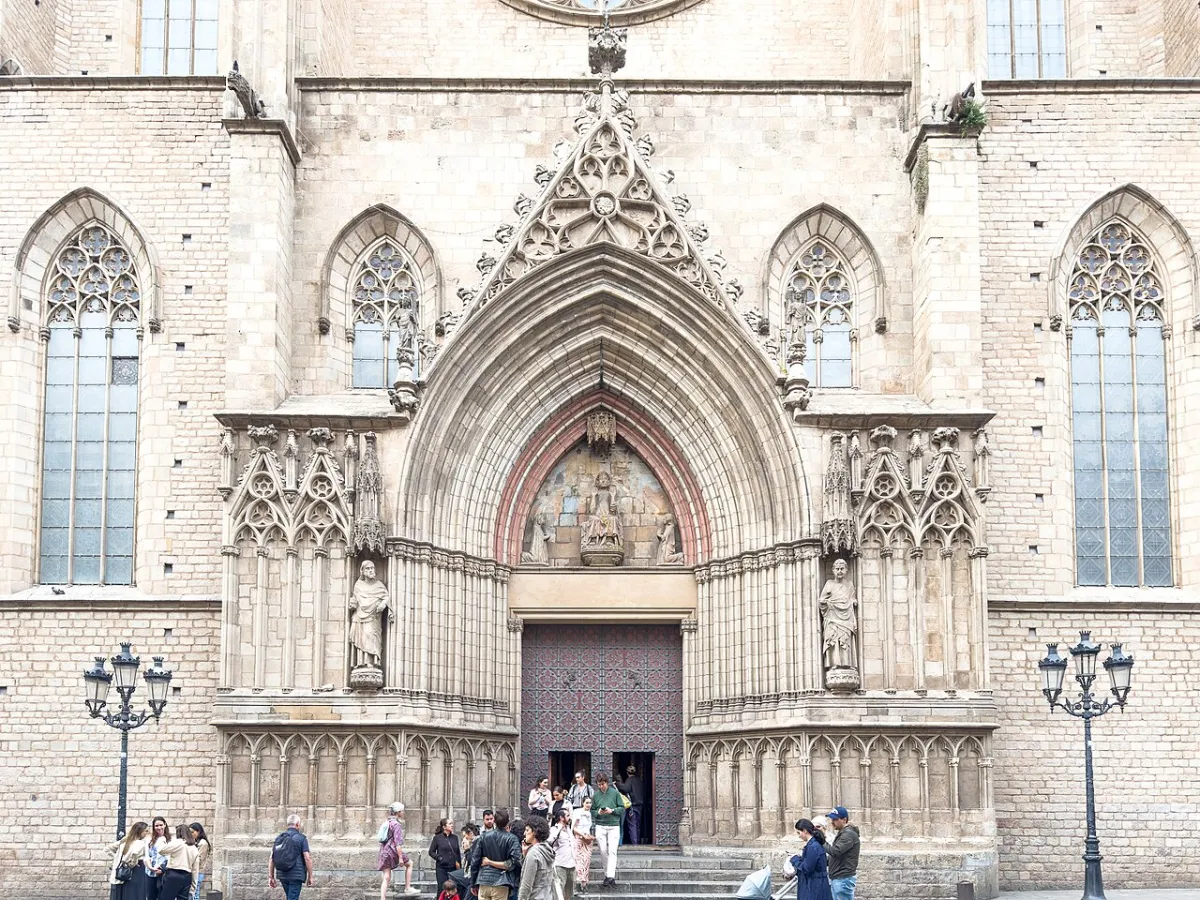
El Born works well after the Gothic Quarter, with lanes around Santa Maria del Mar, small shops and the Picasso Museum nearby. Choose it for an atmospheric walk with a possible cultural visit, rather than trying to enter every landmark in one afternoon.
Plan the visit: Allow 1–2 hours outdoors, with separate time for the museum. Check the Picasso Museum’s official visitor information for entry times and available tickets. A museum booking should anchor the route, especially when your free time is limited. Keep a meal break flexible and leave room for Ciutadella Park if you prefer an outdoor finish.
11. Tibidabo: a longer excursion for views and rides
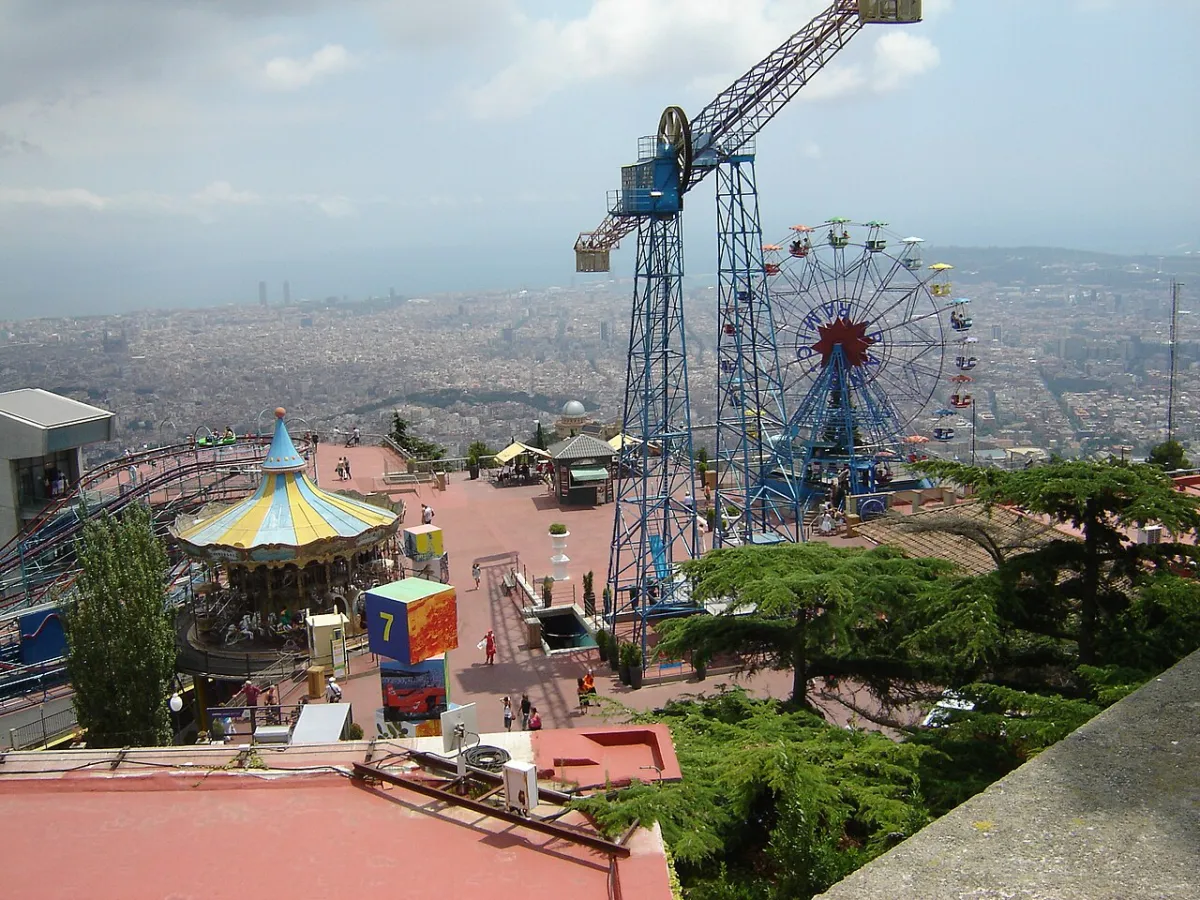
Tibidabo offers a high vantage point over Barcelona, the Sagrat Cor church and an amusement park setting. Choose it if broad city views or rides are a priority and you have time for the outward and return journey. Haze or low cloud can reduce visibility.
Plan the visit: The official Panoramic Area information distinguishes freely accessible space from paid attractions. Check the operating calendar, transport and your chosen ticket; an accessible viewpoint is not the same as an all-rides ticket. Allow half a day including travel, and check the last return connection before planning sunset photography.
12. Spotify Camp Nou and the FC Barcelona museum
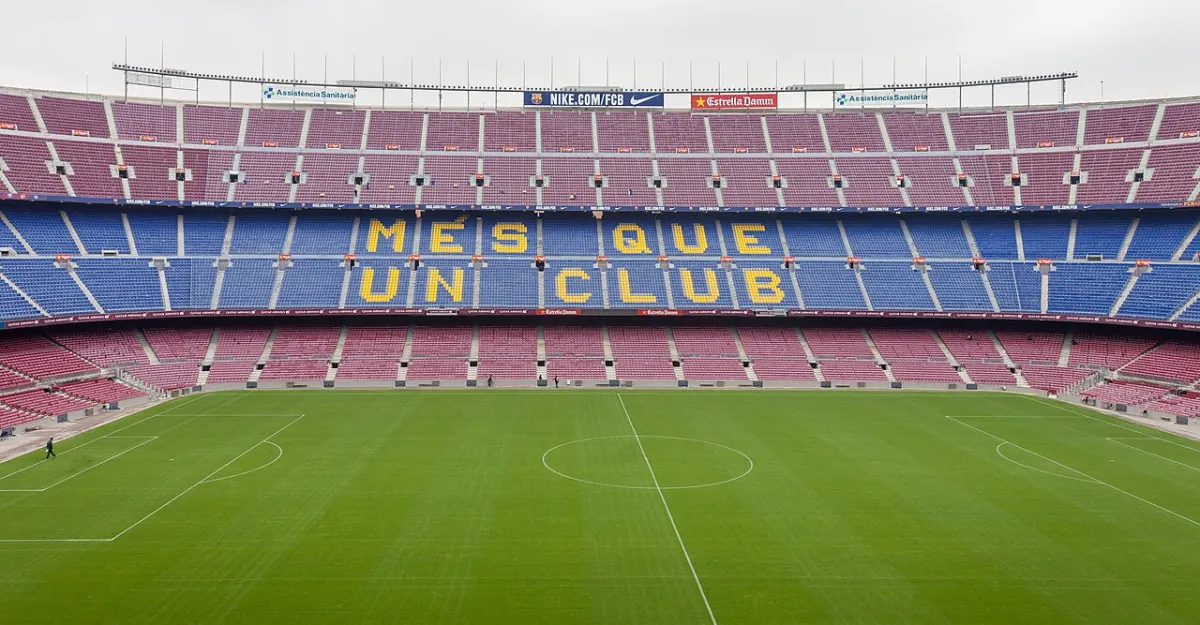
For Barça fans, the important decision is what the ticket actually includes. The official FC Barcelona tour and museum page separates museum products from the Spotify Camp Nou Experience and other visits. A museum ticket should not be assumed to include the same stadium spaces as a stadium or match-day tour.
Plan the visit: Select a named product and check its date, meeting point, language and accessibility. Renovation work and match operations can affect access. Some routes include substantial stairs; ask about the appropriate option if you have mobility needs. Reserve time for local travel as well as the visit, and avoid promising access to the pitch, dressing rooms or tunnel unless those spaces are explicitly included.
13. Passeig de Gràcia: compare architecture from the street
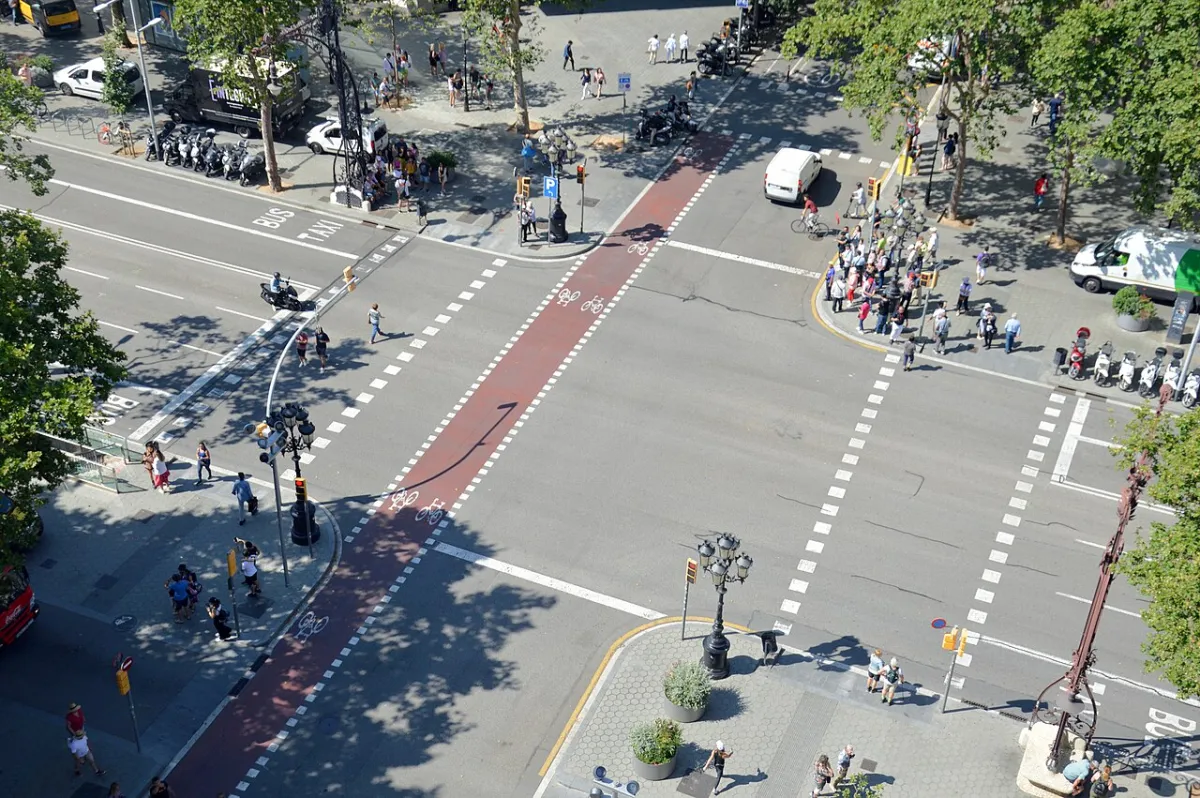
Passeig de Gràcia provides a coherent route for seeing Casa Batlló and La Pedrera without buying two interiors. Its broader pavements and Eixample setting also make a useful contrast with the old town. Look for façade details as well as the famous buildings.
Plan the visit: Allow roughly an hour for an unhurried exterior walk and more if you enter a house. Pause where you can photograph without obstructing pedestrians, and cross at designated crossings rather than stepping into traffic for a centered composition. A meal or café stop gives you a natural break between bookings.
14. Poble Espanyol: architecture and crafts in one venue
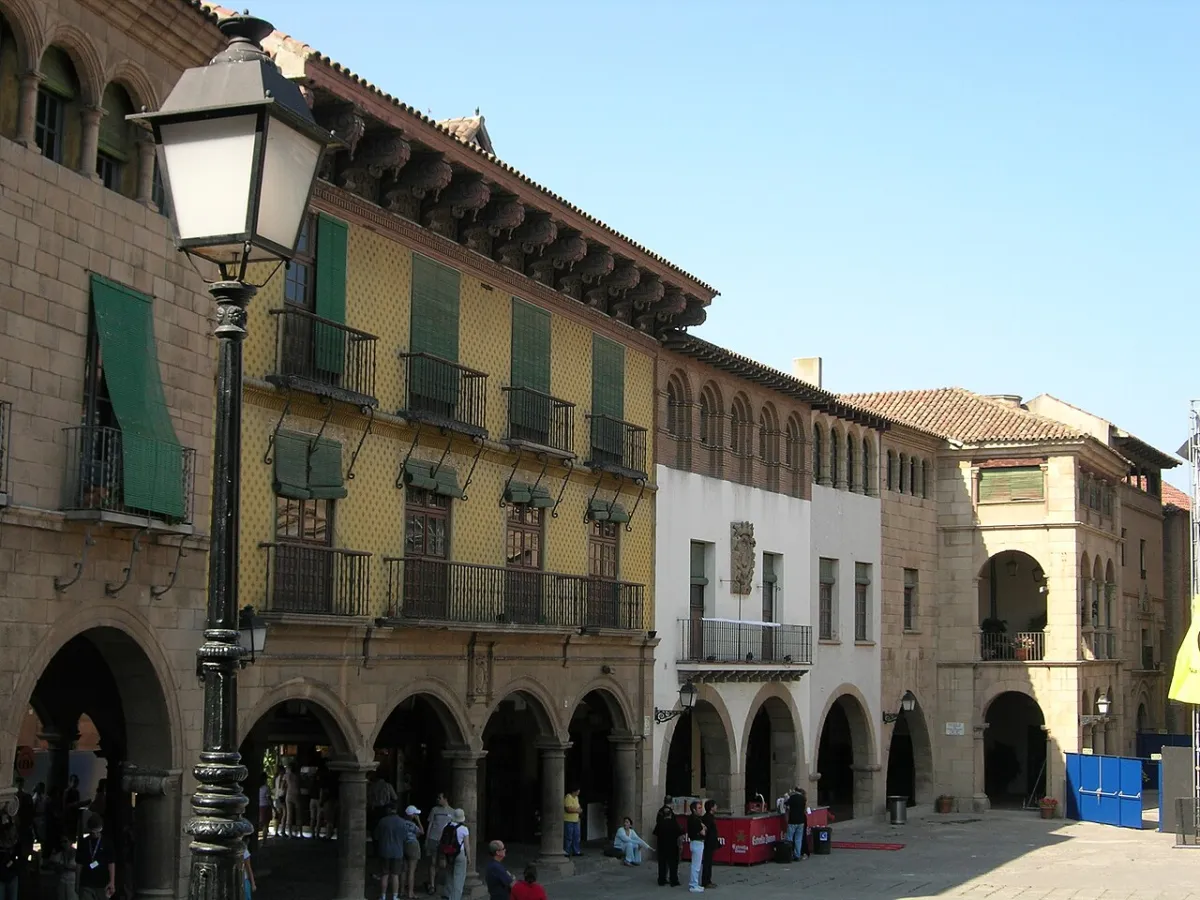
Poble Espanyol is an open-air architectural venue on Montjuïc that brings together buildings inspired by places around Spain, crafts and cultural spaces. It suits visitors who enjoy browsing a contained site or want a family option alongside the hillside’s museums.
Plan the visit: Check the official Poble Espanyol information for tickets, activities and opening conditions. Grounds, shops, workshops and special events can have different schedules. An evening entrance does not guarantee every workshop is open. Allow 1½–3 hours according to your interests and combine it with a nearby Montjuïc stop rather than crossing the city again.
15. Ciutadella Park: a flexible break after El Born
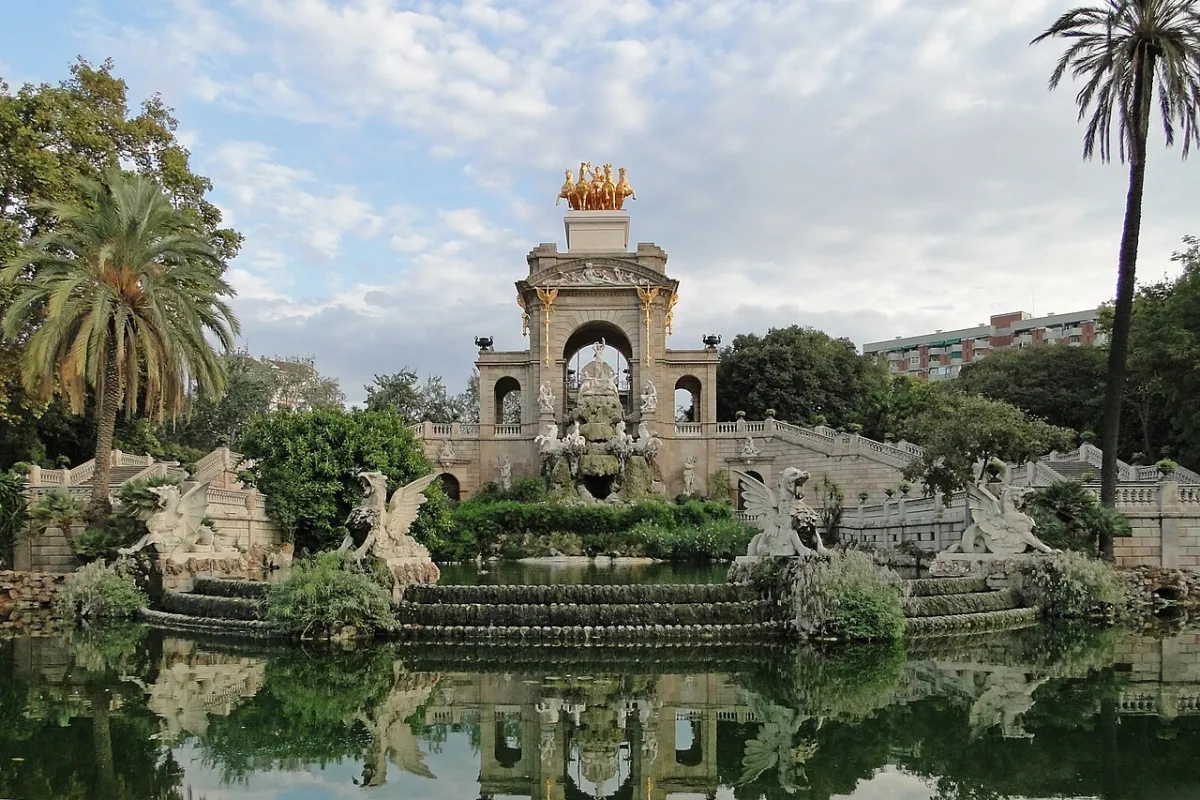
Ciutadella Park offers paths, lawns and the Cascada Monumental within reach of El Born. It is a sensible place to pause between a museum and the waterfront, particularly when you need outdoor time without another long transfer.
Plan the visit: Allow 30–60 minutes for a walk or rest. Park access and paid attractions nearby are separate matters; do not assume a park visit includes the zoo or boating. Keep to open public areas and leave paths clear. Continue toward the waterfront only if the day still has enough time and energy.
How to group the sights over two or three days
Use the following as a flexible geographic outline. Confirm opening days and your actual bookings before choosing the order. The Barcelona Map & Neighbourhoods guide helps you orient the different areas.
- Old town and waterfront: Walk the Gothic Quarter, include La Rambla and La Boqueria when trading, then choose El Born with the Picasso Museum or a lighter park-and-waterfront finish.
- Gaudí and the Eixample: Anchor the day with Sagrada Família. Add Passeig de Gràcia and one house interior. Park Güell needs an additional transfer and a realistic time buffer; move it to another morning if the day becomes crowded.
- A separate half-day: Choose Montjuïc, Tibidabo or a Barça visit according to your interests. Trying to cover all three leaves much of the day to transport.
In one day, select Sagrada Família or a Gaudí house plus one compact walking area. For a longer stay, alternate paid interiors with outdoor time. Your choice of accommodation area can also make early bookings and evening returns easier.
Photography, access and booking checks
Outdoor sightseeing and venue photography have different rules. For Sagrada Família, compare the view across Plaça de Gaudí’s pond with closer façade details. On Passeig de Gràcia, step aside from the pedestrian flow. In old-town lanes, work with the available light and ask before close photographs of people.
Inside a venue, check equipment and image-use conditions before bringing a tripod or planning commercial work. See the Sagrada Família visitor rules and Park Güell recommendations. Wheelchair access, tower routes, slopes and roof access require individual checks; a general statement that an attraction is accessible may not describe every part of it.
Before paying, compare the named attraction, included spaces, tour language, entry slot and cancellation conditions. Check current venue prices rather than multiplying an advertised starting price by everyone in your group. Children, concessions and special sessions may have different rules.
Questions about visiting Barcelona’s top attractions
What should I book first?
Book the timed attraction that matters most to you, often Sagrada Família or Park Güell, then reserve any house or museum visits around it. Do not put consecutive slots at distant venues without transfer time.
Should I visit Casa Batlló or La Pedrera?
Choose Casa Batlló for its colorful interior and immersive presentation, or La Pedrera for courtyards, an apartment setting and sculptural rooftop forms. Compare current ticket inclusions. You can see both façades on the same street walk.
Which sights can I enjoy without paying admission?
The Gothic Quarter, El Born, Passeig de Gràcia, public waterfront and Ciutadella Park allow substantial outdoor sightseeing. Church interiors, museums, rides and other paid spaces have separate conditions. Transport and food still add to your budget.
Can I see all 15 places in two days?
Seeing every place properly would leave a very compressed schedule. Choose a handful of priorities, group nearby stops and allow longer stays for the hills or football visits. Two or three balanced days are more useful than a checklist of brief arrivals.
Information checked: 9 October 2026. Visit allowances are editorial estimates. Recheck official ticket inclusions, access rules and operating calendars before booking.


