
Sign in
For Photos4Travel editors and team members.
Bahamas · Best Time to Visit
Bahamas Weather & Best Time to Visit: A Month-by-Month Guide
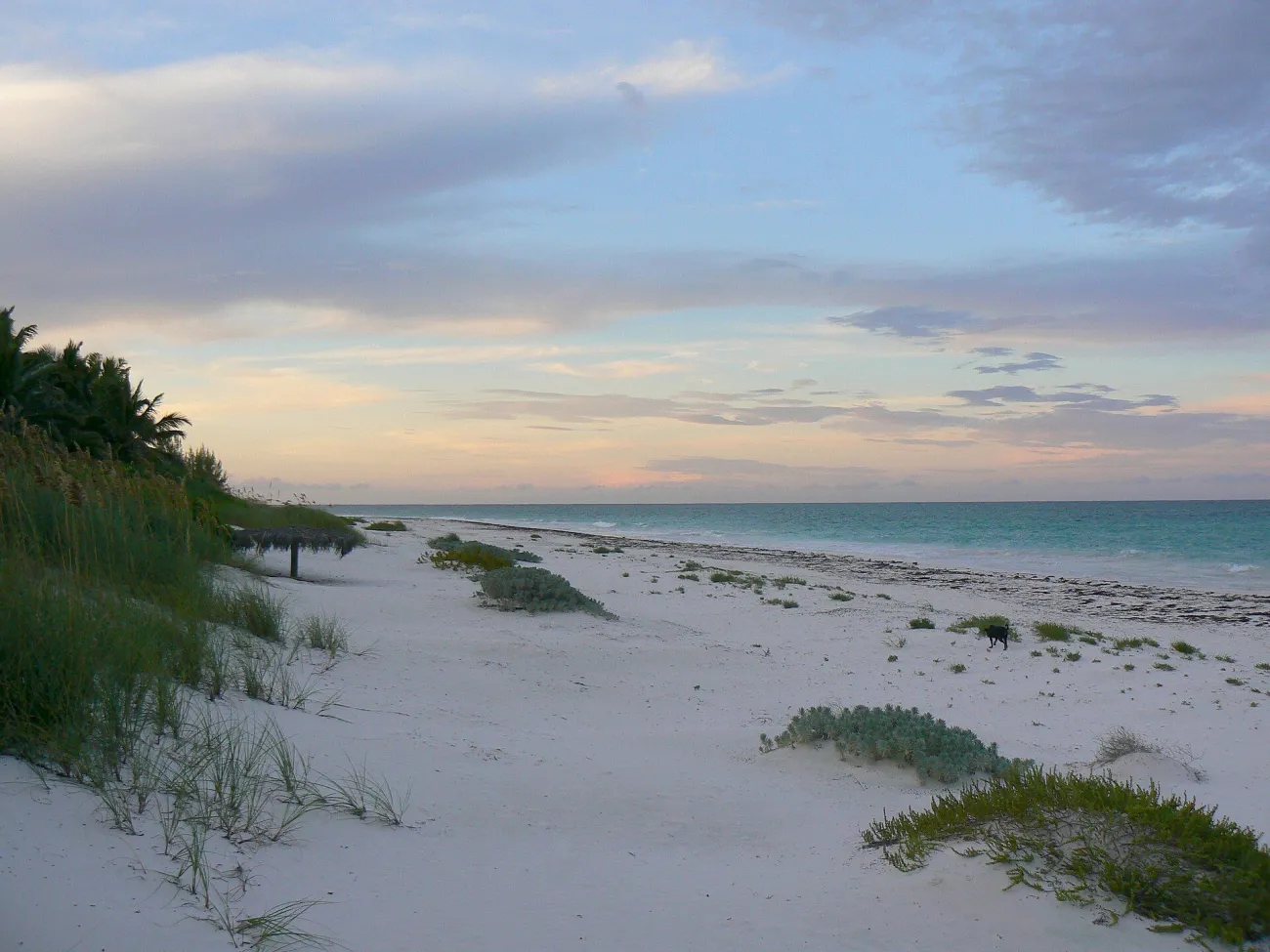

The best time to visit the Bahamas depends on what would disappoint you most: a windy boat day, cool water, humid afternoons, or a higher room bill. For a first trip built around walking, beaches and a little sightseeing, December through April is the easiest starting point. For warmer swimming conditions with room to rearrange plans, consider May or early summer. A September bargain needs a more flexible itinerary and a careful look at cancellation terms.
The important distinction is between comfortable weather on land and suitable conditions at sea. Blue sky over your hotel does not establish that a crossing, reef excursion or exposed beach is safe. Plan your dates around the experience you want, then make the final water-activity decision with the local forecast and a responsible operator.
Editorial responsibility: Photos4Travel · Research and editorial standards.
Dry season, wet season and the winter-front catch
The country’s national climate assessment describes the generally drier November–April season and winter incursions of cooler air. Winter fronts explain an apparent contradiction: you can visit during the favoured dry months and still lose a boat trip to wind. Cooler air and stronger breezes matter more on an open deck than beside a sheltered hotel pool. Read the Department of Meteorology’s current forecasts and weather alerts for the island group you are visiting.
Summer brings more heat, humidity and opportunities for showers. That does not mean every day is a washout, and it does not mean a shower will always be brief. A flexible beach holiday can absorb changing conditions more easily than a trip with one irreplaceable excursion on its final morning. Avoid promising yourself a particular sea colour, empty sandbar or sunset from a monthly average.
Weather also varies across this long archipelago. A Nassau forecast is a useful Nassau forecast, rather than permission to assume the same wind or marine conditions in Abaco, Exuma or Long Island. Once you have selected your islands, save their names in your weather app and check the Bahamian marine bulletin as well as the everyday rain symbol.
Bahamas weather by month: choose the compromise
For a numerical comparison, the Bahamas Department of Meteorology’s 1991–2020 normals describe Lynden Pindling International Airport on New Providence, station 78073. These are average daily maximum and minimum air temperatures and average monthly rainfall, converted from the source’s °F and inches. They are Nassau airport figures, not a forecast or a countrywide average; they do not measure sea temperature.
Swipe sideways on a phone to compare daytime warmth, cooler hours and rain.
| Month | Mean daily high °C | Mean daily low °C | Monthly rain mm |
|---|---|---|---|
| January | 26.1 | 18.2 | 45 |
| February | 26.6 | 18.5 | 48 |
| March | 27.2 | 19.1 | 54 |
| April | 28.7 | 21.0 | 74 |
| May | 30.2 | 22.4 | 139 |
| June | 31.8 | 24.2 | 220 |
| July | 32.7 | 25.0 | 158 |
| August | 32.8 | 25.0 | 211 |
| September | 32.2 | 24.7 | 196 |
| October | 30.6 | 23.6 | 151 |
| November | 28.3 | 21.2 | 87 |
| December | 26.8 | 19.6 | 43 |
April’s milder nights and lower rainfall suit a mixed walking-and-beach trip. May brings warmer nights and more rain; September is warmer again, with a wetter historical pattern and the hurricane-season trade-off. A monthly total does not tell you which day will be wet. The comparison below adds the travel decisions that the averages cannot settle.
Swipe sideways to compare the seasonal choices and what each asks of your itinerary.
| Month | Why consider it | Build into the plan |
|---|---|---|
| January | Walking, historic Nassau and a slower beach break | A light layer, a wind-sensitive boat schedule and flexible swimming expectations |
| February | An escape from northern winter without peak summer humidity | Compare exact school-holiday dates and keep a spare sea day |
| March | A mixed trip of beaches and sightseeing | Check the atmosphere around your chosen resort during spring breaks |
| April | A useful first-trip balance within the generally drier season | Check Easter dates and compare several arrival days |
| May | A transition-month option for a swimming-led holiday | Shade, rain alternatives and a boat operator with clear cancellation rules |
| June | Warmer-weather beach time with fewer ambitions on land | Hurricane-season monitoring and breaks from midday heat |
| July | A summer family trip with long, unhurried beach days | Water, sun protection and time to change outdoor plans |
| August | A flexible resort or one-island holiday | More attention to tropical-weather developments |
| September | A trip whose dates and activities can move | Strong change terms; avoid depending on one essential crossing |
| October | A quieter-style escape when flexibility comes first | Check opening periods and continue storm monitoring |
| November | A transition towards the drier season | Hurricane season still runs through the end of the month |
| December | Comfortable sightseeing and a holiday-season visit | Check festive event dates, booking terms and winter winds |
Hurricane season: what the dates actually mean
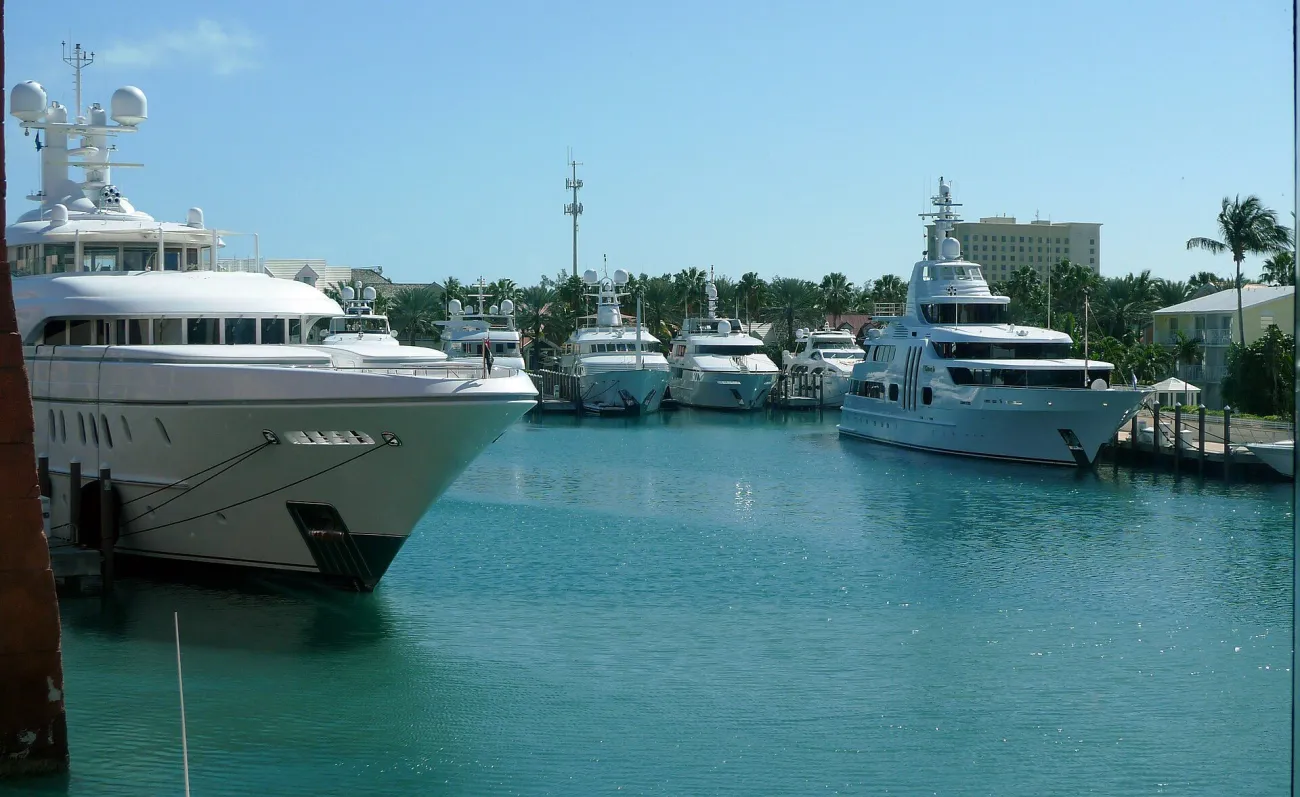

The Atlantic hurricane season runs from 1 June to 30 November. The National Hurricane Center’s climatology places the basin’s most active period between mid-August and mid-October. These are regional historical patterns, not a prediction that a particular Bahamian island will be affected during your stay.
Before paying, read the actual conditions for flights, accommodation and boat excursions. A hotel’s weather policy and an airline’s change policy are separate agreements. Travel insurance can have purchase deadlines, named-storm exclusions and limits on disruption cover. Ask the provider about the situation you want covered rather than relying on the word “hurricane” in a sales summary.
If a warning develops, follow local instructions and your transport operator’s advice. A prepaid excursion or beautiful beach photograph is no reason to ignore a cancellation. Keep sufficient room in the budget for an unexpected night and contact your onward accommodation when a change becomes likely. For current conditions, use the Bahamas Department of Meteorology and National Hurricane Center.
Match the month to your main activity
For a first beach holiday
Choose a property with somewhere comfortable to spend a breezy or wet afternoon, rather than buying the trip around a single photograph. If you are sensitive to cooler water, weigh the warmer part of the year against its rain and storm trade-offs. A pool is useful backup, but ask whether it is heated if that matters to your family; never infer this from the room price.
For Exuma boat excursions
Stay several nights in your departure area and place the excursion early in the visit. That gives you a possible rearrangement day if the operator can accommodate you. Ask about the exact departure dock, planned crossing and refund conditions. A calm-looking bay beside your accommodation may be on a different side of the island from the route.
For walking and photography
Prefer an early start for a long walk, then allow time for breakfast and a shaded break. Photographers who want a sandbar should ask about tide and safe access, not merely sunrise. Light, tide and boat access are three separate planning questions. A morning with attractive clouds can work well for a town walk even when offshore plans are cancelled.
What to pack, and what to leave flexible


Pack breathable clothing, a sun hat, a reusable water bottle and shoes that suit your actual itinerary. Add a light layer for winter evenings, air-conditioned interiors and open boats. A compact rain jacket or dry bag earns its space when you are moving between a dock, taxi and small aircraft. Keep essential medication and a change of clothes in your hand luggage.
Choose sun protection for the hours you will spend outside, including time in queues or on a boat. Reapply according to the product’s directions. Avoid planning a long exposed walk between lunch and a timed activity simply because the map distance looks short. Build a shaded meal or indoor visit into the day before you need it.
For an island-hopping holiday, leave at least one part of the itinerary movable: a beach day, a second chance at a boat excursion, or the order of two local outings. On separate tickets, returning to the international departure island the previous day is a sensible planning choice. The Bahamas transport guide explains why a short flight still uses a substantial part of a day.
Bahamas weather questions
What is the best month to visit the Bahamas for a first trip?
April is a useful starting point for a balanced sightseeing and beach trip, with Easter dates checked before booking. December through April is the broader drier-season choice. No month guarantees calm seas, warm swimming conditions or an uninterrupted boat schedule.
Is November outside hurricane season?
No. Atlantic hurricane season continues until 30 November. November can suit a visit, but keep storm monitoring and flexible booking conditions in the plan.
Does rain in the forecast mean a beach holiday is ruined?
Not automatically. Look at the timing, wind and local marine advice rather than one rain symbol. Leave room for indoor or town activities, and accept an operator’s cancellation when sea conditions are unsuitable.
Why can boat trips be cancelled in the dry season?
Winter cold fronts can bring wind and rough water even during the generally drier months. Rainfall and sea conditions measure different things; a dry forecast does not establish that a crossing is suitable.
Should I use Nassau’s weather forecast for every island?
Use a forecast for your actual island group and the relevant marine bulletin. The Bahamas stretches across a large area, so conditions at Nassau cannot establish conditions for every beach, cay or crossing.
Last updated: