
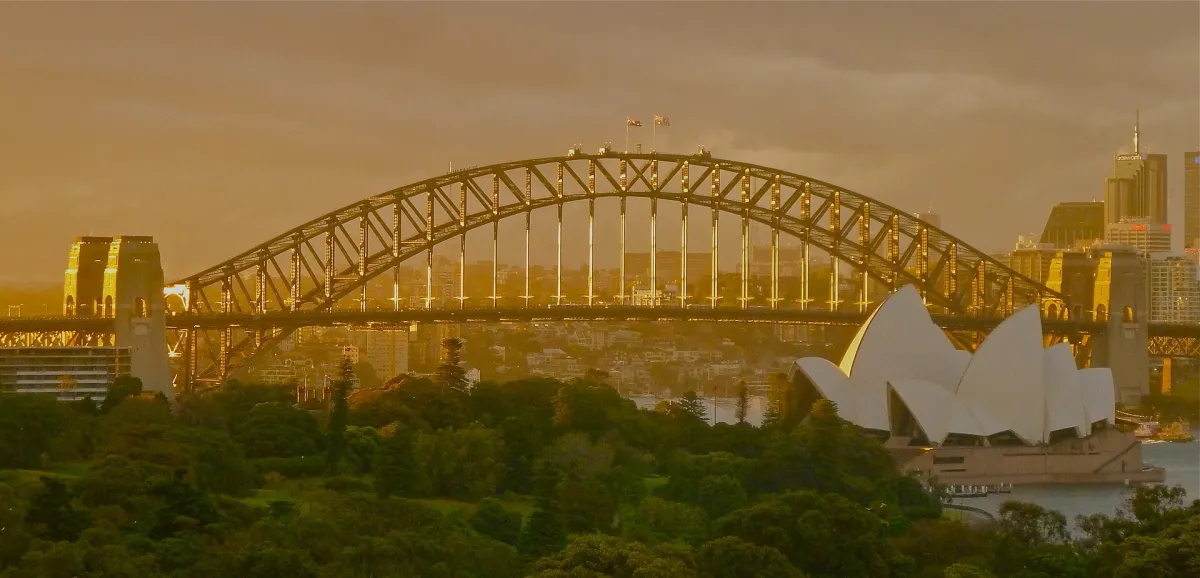
All twelve of Australia’s featured photo studies are consolidated on this page so you can compare them side by side: in Sydney, Sydney Harbour, Sydney Harbour Bridge, Royal Botanic Garden Sydney, The Rocks Markets, Manly Beach and surf photography; in Melbourne, Federation Square, Brunswick Street and the Yarra River; and along Victoria’s coast, the Great Ocean Road, wild koalas in Great Otway and kangaroos at Anglesea Golf Course.
Compare Australia’s 12 core photo spots
Swipe horizontally if needed to compare all columns.
| Photo spot | Region | Primary visual subject | Key access & planning check |
|---|---|---|---|
| Sydney Harbour | Sydney, NSW | Foreshore views, ferries, Opera House & bridge scale | Foreshore gives stability; public ferries are transport first |
| Sydney Harbour Bridge | Sydney, NSW | Steel arch geometry, dawn/evening light & city backdrop | Public viewpoints are free; paid bridge climbs restrict personal gear |
| Royal Botanic Garden Sydney | Sydney, NSW | Rose Garden Pavilion, paths, planting & framed harbour views | Stay off planting beds; check rules for groups or commercial shoots |
| The Rocks Markets | Sydney, NSW | Historic streetscape, market stalls & local craft | Confirm current trading days; ask before portraits or product close-ups |
| Manly Beach | Sydney, NSW | Ocean beach curve, promenade & harbour-ferry pairing | Separate shore photography from water entry; plan return ferry |
| Surf Photography | Coastal NSW & VIC | Wave action, boards & coastal beach activity | Shoot from safe land with a longer lens; never enter unfamiliar surf |
| Federation Square | Melbourne, VIC | Angular architectural facades, diagonals & civic space | Check event schedule; temporary artworks/events may restrict reuse |
| Brunswick Street (Fitzroy) | Melbourne, VIC | Shopfronts, trams, streetscape & neighbourhood life | Stay on footpaths (never road); storefronts and murals change |
| Yarra River | Melbourne, VIC | Bridges, city skyline & daylight or evening reflections | Reflections vary with wind & boats; plan your after-dark return route |
| Great Ocean Road | Victoria | Twelve Apostles sea stacks, cliffs & coastal lookouts | Use designated car parks & barriers; never stop on narrow shoulders |
| Wild Koalas (Great Otway) | Victoria | Koalas in eucalyptus canopy & forest habitat context | Keep distance; never provoke wildlife or stop unsafely on roadsides |
| Anglesea Golf Course | Victoria | Kangaroos in a managed Great Ocean Road landscape | Active golf course — check official tours; never walk fairways freely |
Sydney Harbour: choose a relationship between landmarks
Start with the relationship you want in the frame: the Opera House as the main subject, the Harbour Bridge as a structure, or the working waterway and city together. Each suggests a different foreshore position and lens choice. Leave time to observe ferries, pedestrians and changing light rather than arriving only for a predicted sunset minute — overcast weather still supports crisp architectural detail.
Sydney Harbour: foreshore views, ferries & light
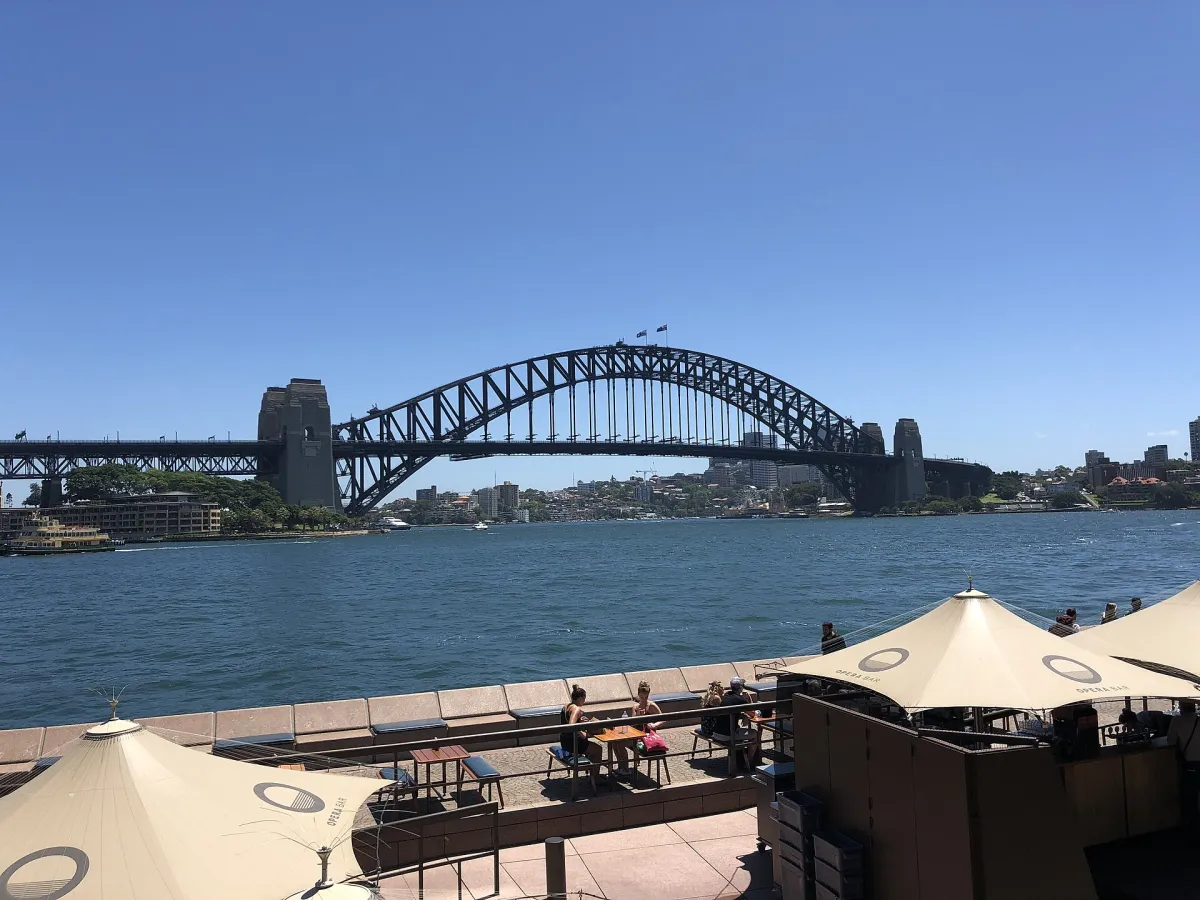
A permitted foreshore position gives time to level the horizon, watch edges and wait for ferries to move into clean visual gaps without blocking wharves or walkways. Public ferries offer changing angles on the water, subject to crew instructions and available space, while smooth evening reflections depend on wind and boat traffic rather than a fixed timetable. Keep tripods clear of pedestrian paths after dark and treat interior Opera House visits or performances as separate booked plans.
Sydney Harbour Bridge: viewpoints & steel geometry
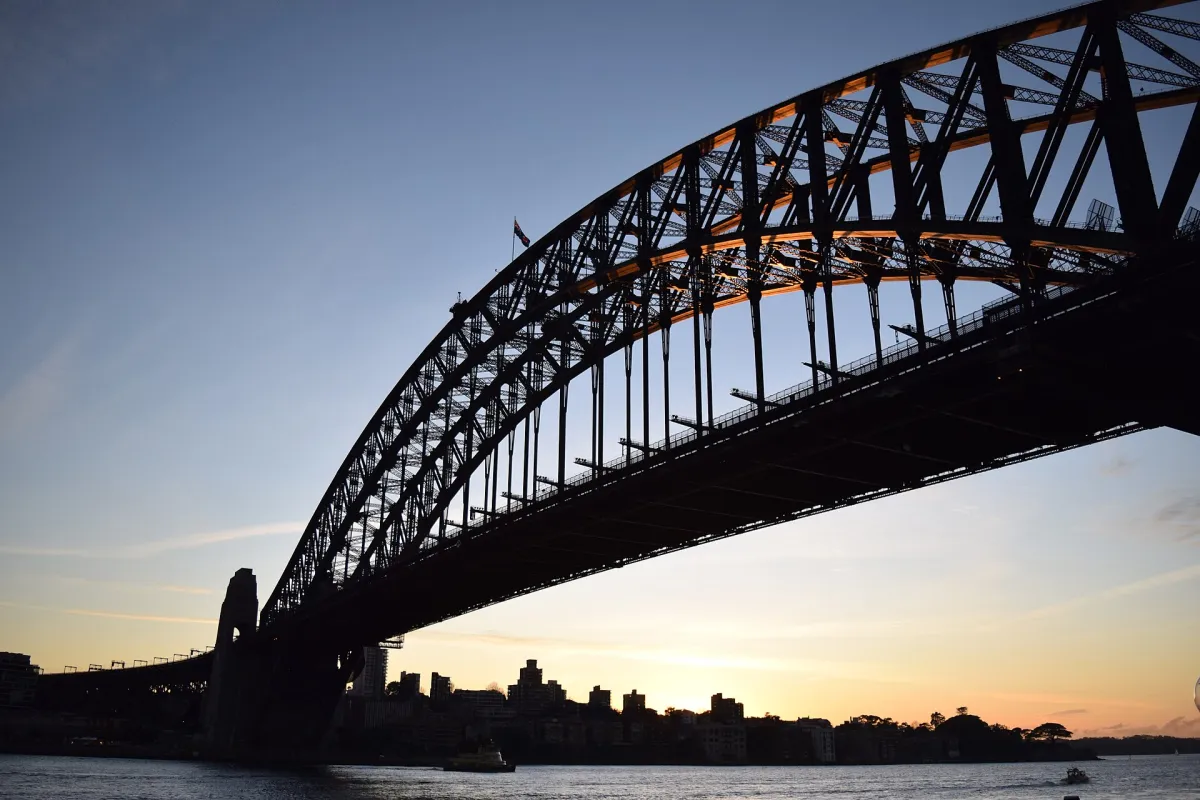
You do not need a ticketed climb to photograph the bridge well: public foreshore viewpoints work across dawn, daylight and evening, whether you frame the entire arch in its harbour setting or isolate steelwork geometry when the wider sky is hazy. If you book an organised bridge experience, verify its specific loose-item and camera restrictions directly with the operator rather than assuming personal cameras are permitted.
Gardens, markets and the human scale of Sydney
Stepping just inland from the open harbour shifts the scale to planting, public pathways, sandstone laneways and weekend trade. Keeping garden compositions and market streetscapes distinct from wide harbour panoramas produces a more varied visual record of central Sydney.
Royal Botanic Garden Sydney: pavilions, planting & framed harbour views
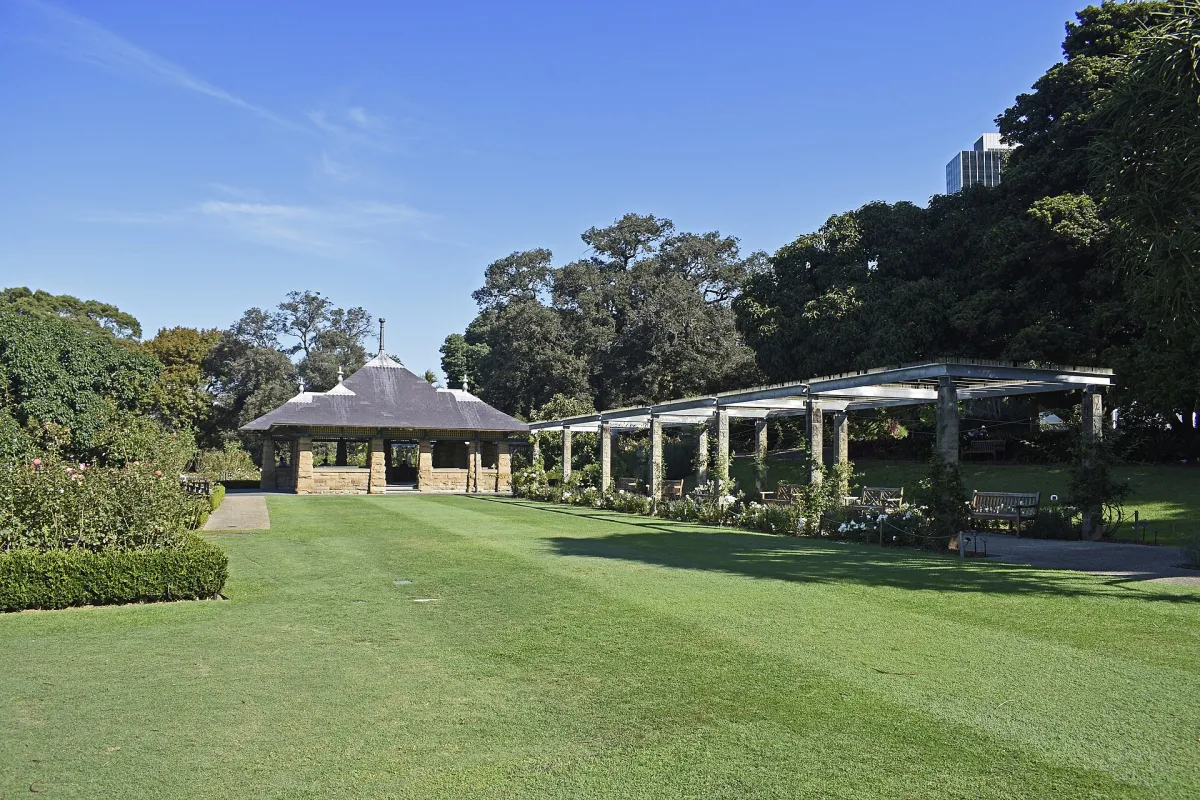
Decide first whether your subject is the garden itself — such as the Rose Garden Pavilion, lawns, foliage and paths — or a separate framed glimpse toward the harbour. Soft light brings out botanical colour cleanly, while wind affects close leaf studies; name species only when verified by reliable signage. Remain strictly on authorised paths without stepping into planting beds, and check the Royal Botanic Garden Sydney’s official visitor information for opening hours, events and group or commercial photography rules.
The Rocks Markets: working streetscapes & respectful portraits
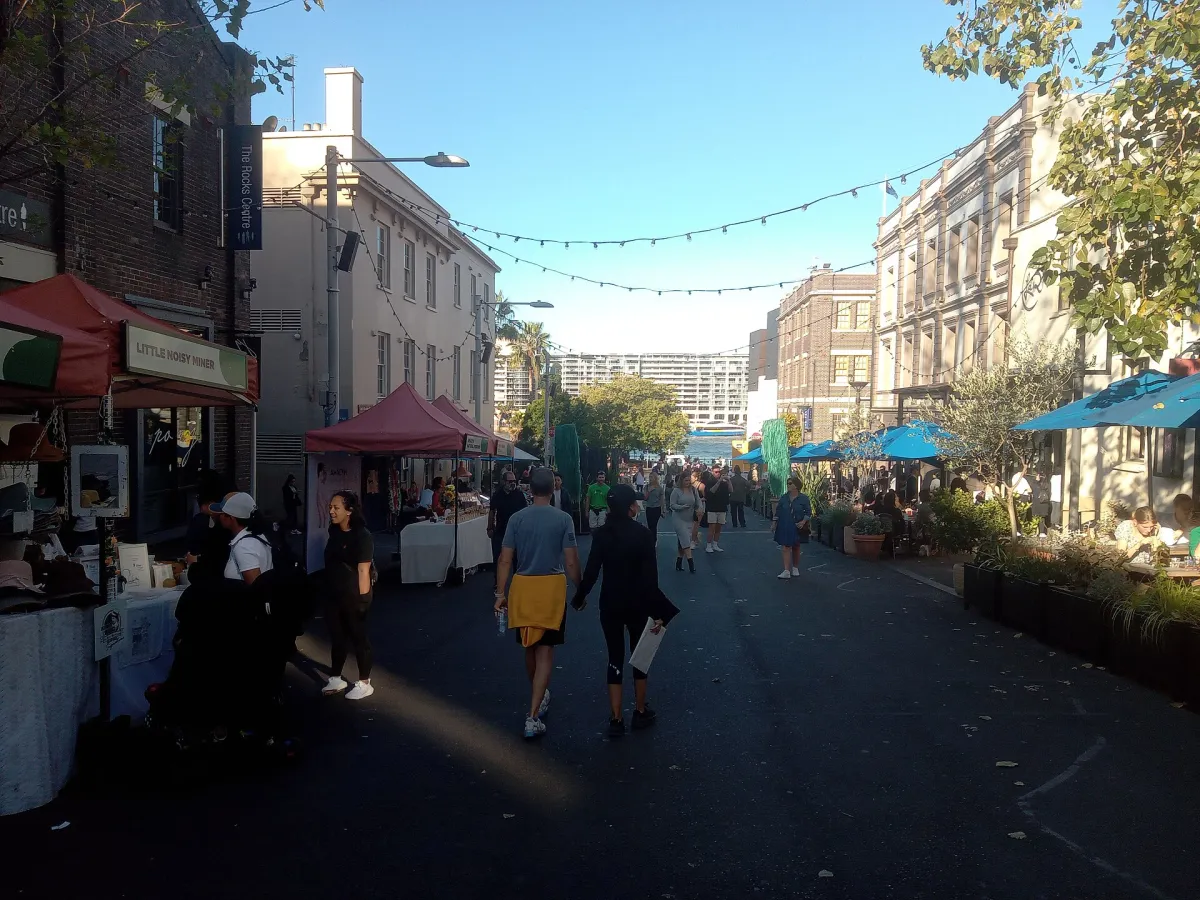
A market photograph works best when stalls, historic stonework and everyday foot traffic share a clear composition without turning the street into a staged set. Keep entrances and aisles clear, work with open shade when awnings create harsh contrast, and ask politely before close portraits of stallholders or detailed product shots (respecting copyright on artworks and crafts). Verify current trading days before making a trip depend on the markets, and see Food & Drink or Shopping for dining and retail planning.
Melbourne: architecture, streets and river reflections
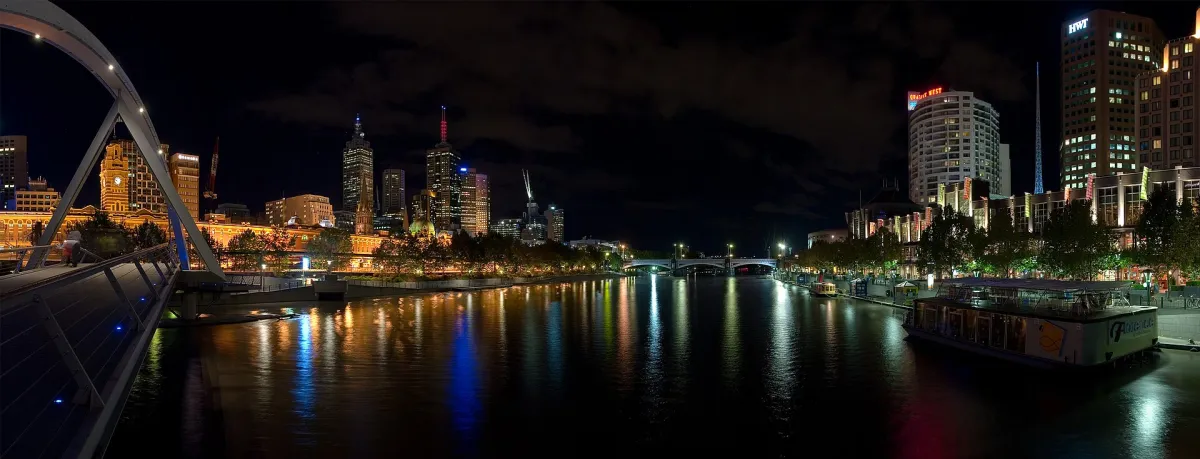
Central and inner-north Melbourne pair bold civic architecture, independent commercial corridors and riverfront bridges within short tram rides — giving three distinct urban photographic moods without repeating the same skyline angle.
Federation Square: geometry, facades & civic space
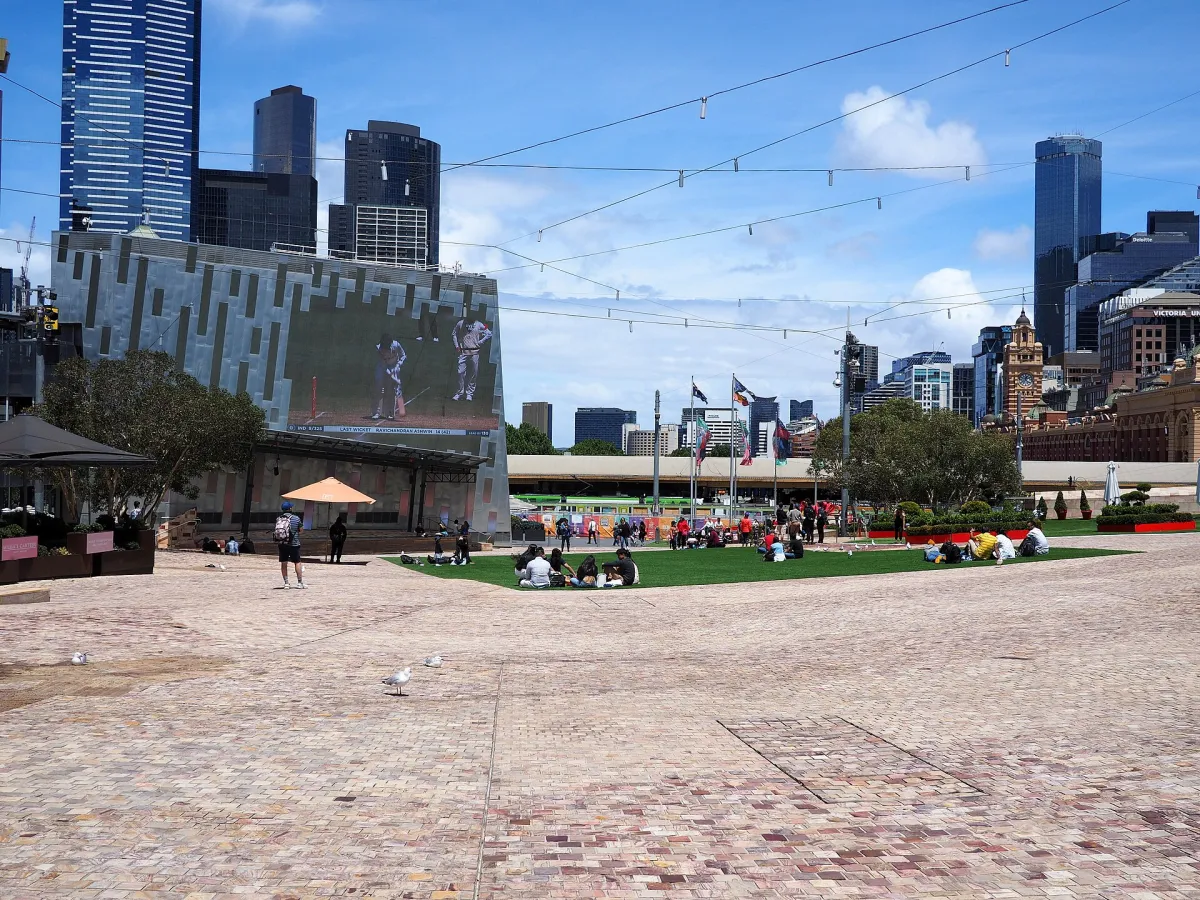
Look for diagonals, repeated facade panels and how pedestrians give scale to the open ground plane; softer overcast light often reveals surface texture more evenly than harsh midday sun. Check Federation Square’s official website for current events and visitor conditions, because seasonal installations, screens and live performances change the appearance and may carry separate recording or reuse restrictions.
Brunswick Street, Fitzroy: neighbourhood streetscape
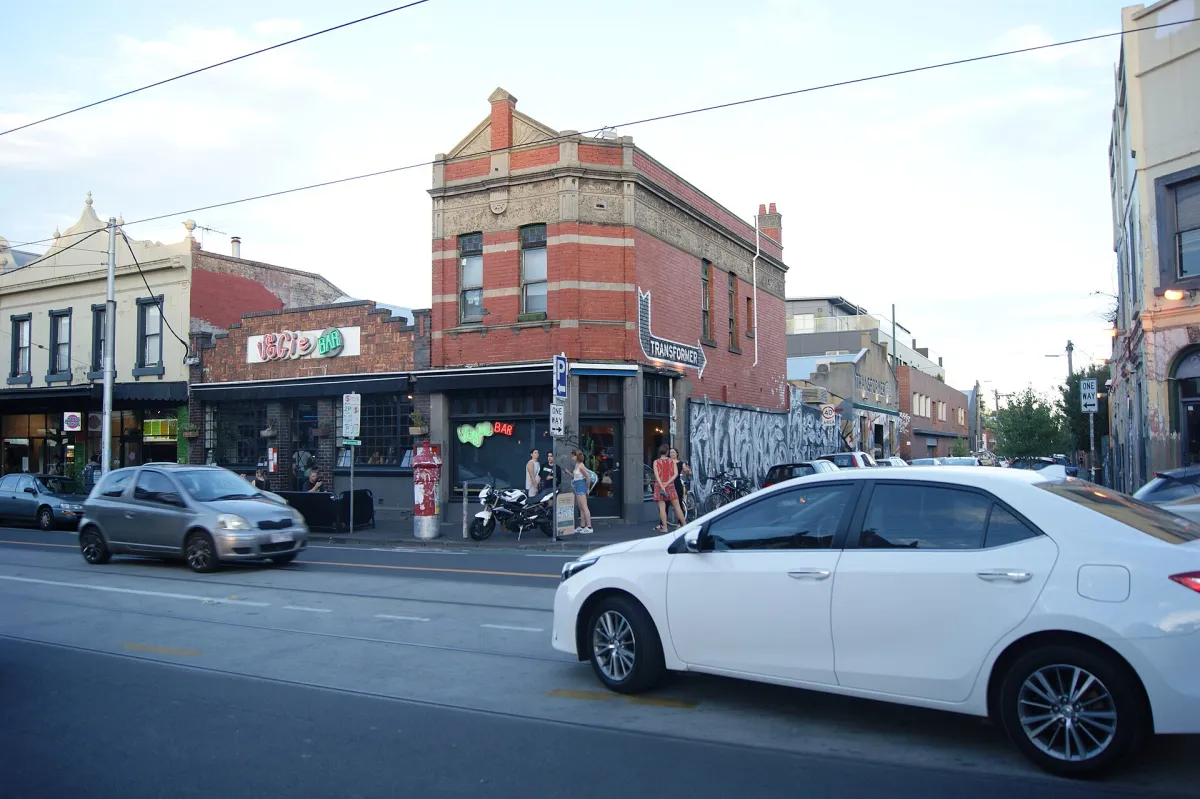
Brunswick Street in Fitzroy blends heritage shopfronts, signage, trams and everyday foot traffic. Work exclusively from public footpaths without stepping into traffic for symmetry, keep entrances clear, and verify any specific business or mural directly because tenancies and street art evolve. Pair an unhurried Fitzroy walk with a café stop or check Australia Nightlife if planning illuminated evening street photography.
Yarra River: bridges, skyline & reflections
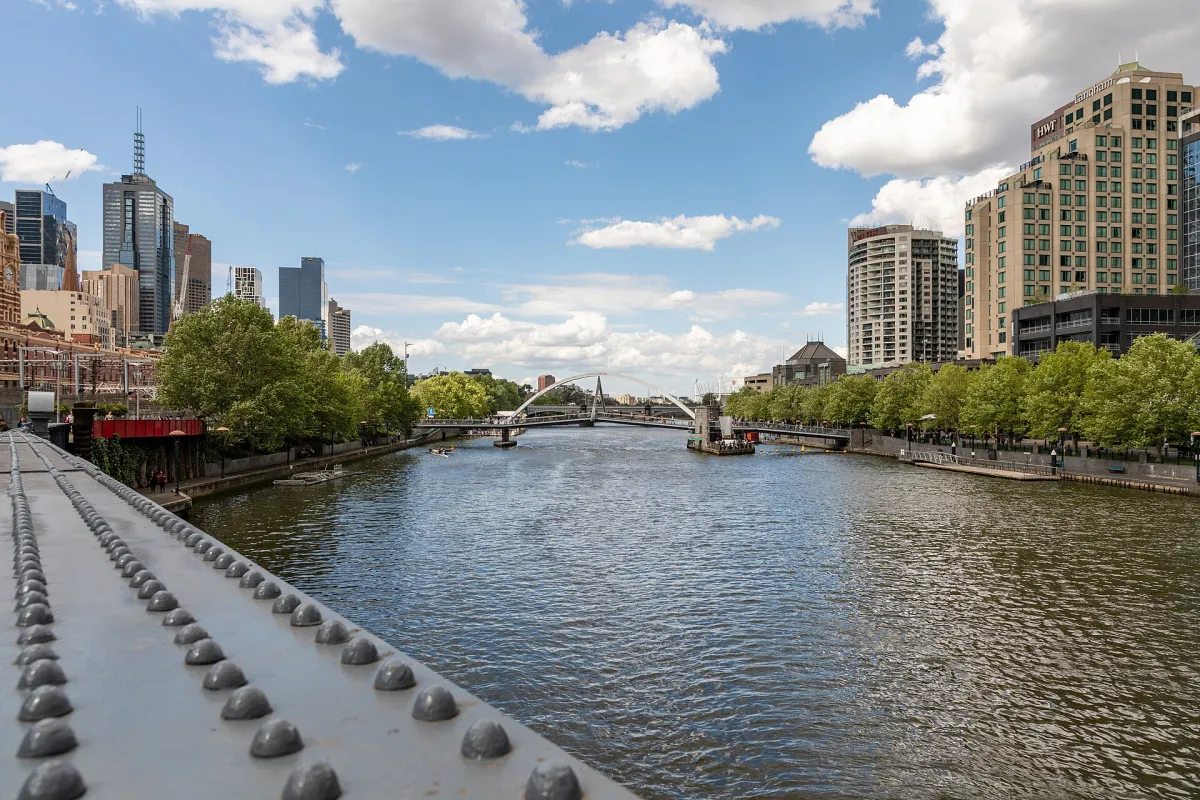
Daylight frames clarify how bridges and riverbanks organise central Melbourne, while evening light emphasises colour and water movement (as shown in the night panorama above). Wind and passing vessels constantly alter reflections, so build compositions that work even on rippled water, keep tripods clear of shared walking and cycling paths, and confirm your late-evening return transport before setting out.
Coastal landscapes and surf action
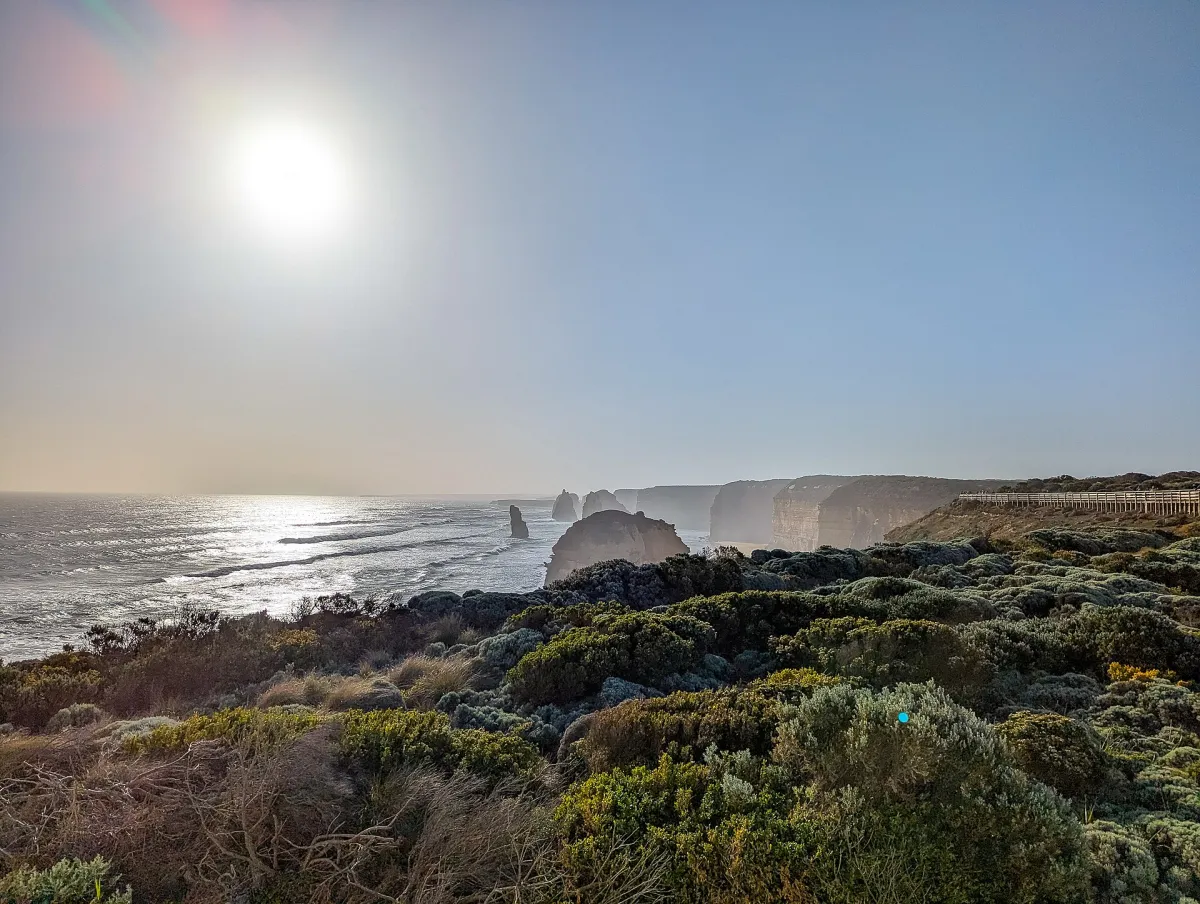
From Victoria’s limestone sea stacks to Sydney’s ocean beaches, coastal photography depends on lawful stopping, weather flexibility and a clear line between observing from shore and entering the water.
Great Ocean Road: safe stops & Twelve Apostles viewpoints
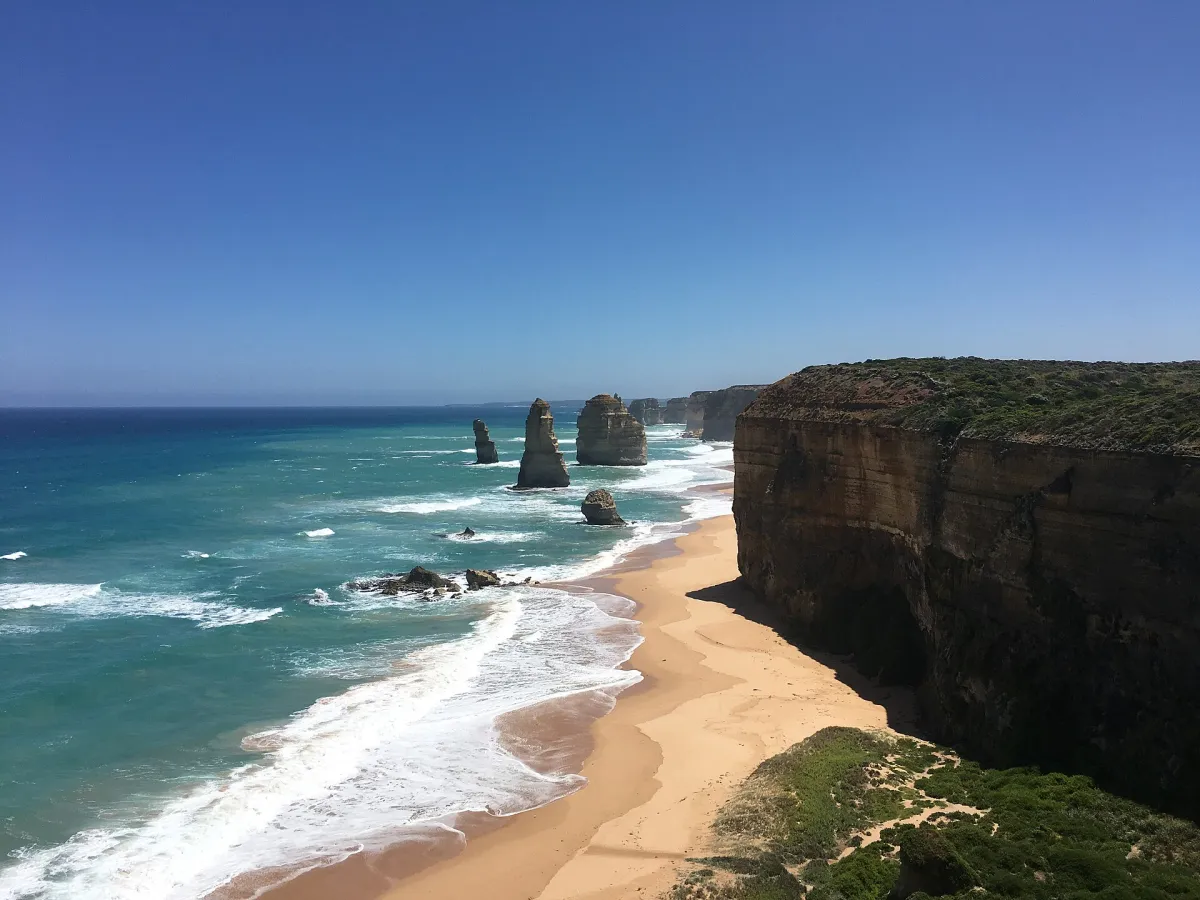
Separate driving from photography: never brake abruptly or park on a narrow road shoulder for a sudden vista — use designated car parks and stay strictly inside viewing barriers, as coastal erosion reshapes cliffs and stacks over time. An overnight stay gives far more flexibility for changing cloud and spray than a rushed Melbourne day return (compare routing in Attractions and Itineraries), and overcast surf can be just as compelling as sunset.
Manly Beach, Sydney: ocean shoreline & ferry-day planning
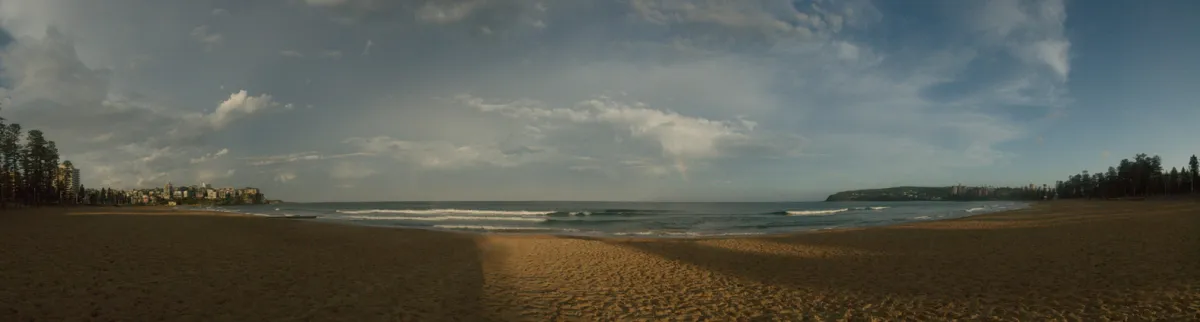
Manly pairs two distinct photographic environments in one Sydney outing: the harbour ferry crossing and the open ocean surf beach across The Corso. Frame the curve of the beach and promenade from public ground without needing to enter the water, respect other beachgoers’ privacy, check your return ferry timetable, and consult Australia Beaches separately for swimming and patrol advice.
Australia surf photography: action from safe viewpoints
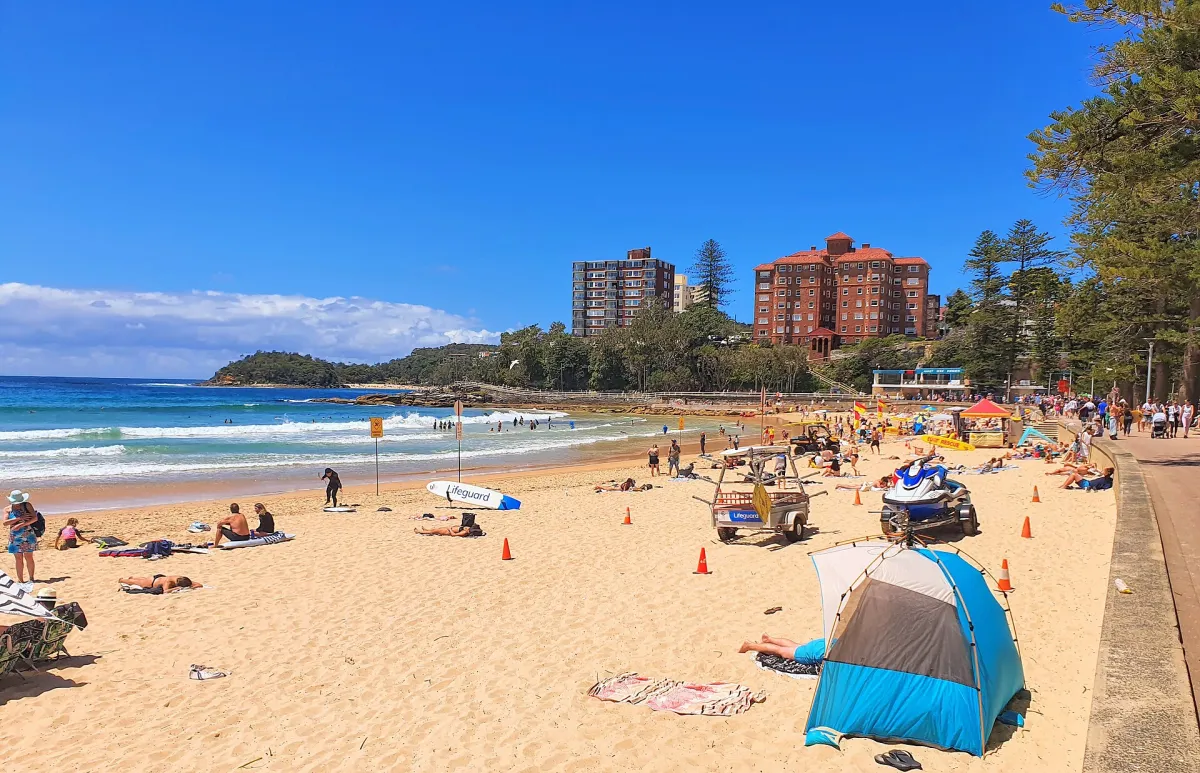
Watch several wave sets from authorised land before shooting: a longer lens lets you isolate action safely from dry ground (leaving space ahead of a rider’s movement), while a wider lens captures coastal beach culture without entering surf or climbing wet rock platforms. Never treat the presence of experienced surfers as proof of safe swimming or beginner lesson conditions, and avoid inventing competition or athlete names in captions.
Wildlife: distance is part of the picture
Photograph Australian wildlife through quiet observation rather than arranging a close encounter. Accept that sightings may be distant or absent, keep captions honest about date and setting, and never surround, feed or handle animals to fill a frame.
Wild koalas: Great Otway habitat & ethical distance
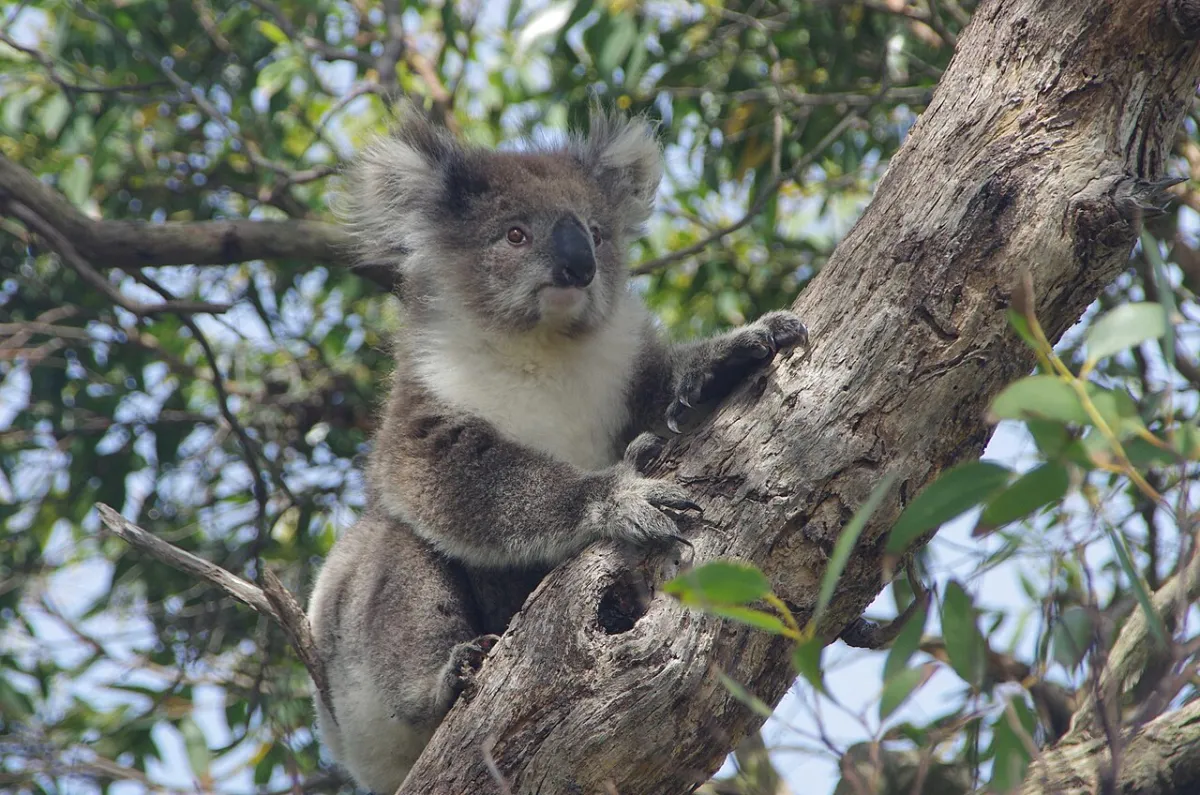
Wild koalas often rest high in eucalyptus canopies, where branches and leaves give genuine habitat context without intrusive cropping. Never shake branches, make noises to force a reaction, surround a tree or stop unsafely on a road to photograph a roadside sighting; avoid publishing exact tree coordinates. Compare broader wildlife outings in Things to Do and Responsible Travel.
Anglesea Golf Course: kangaroos & club visitor etiquette
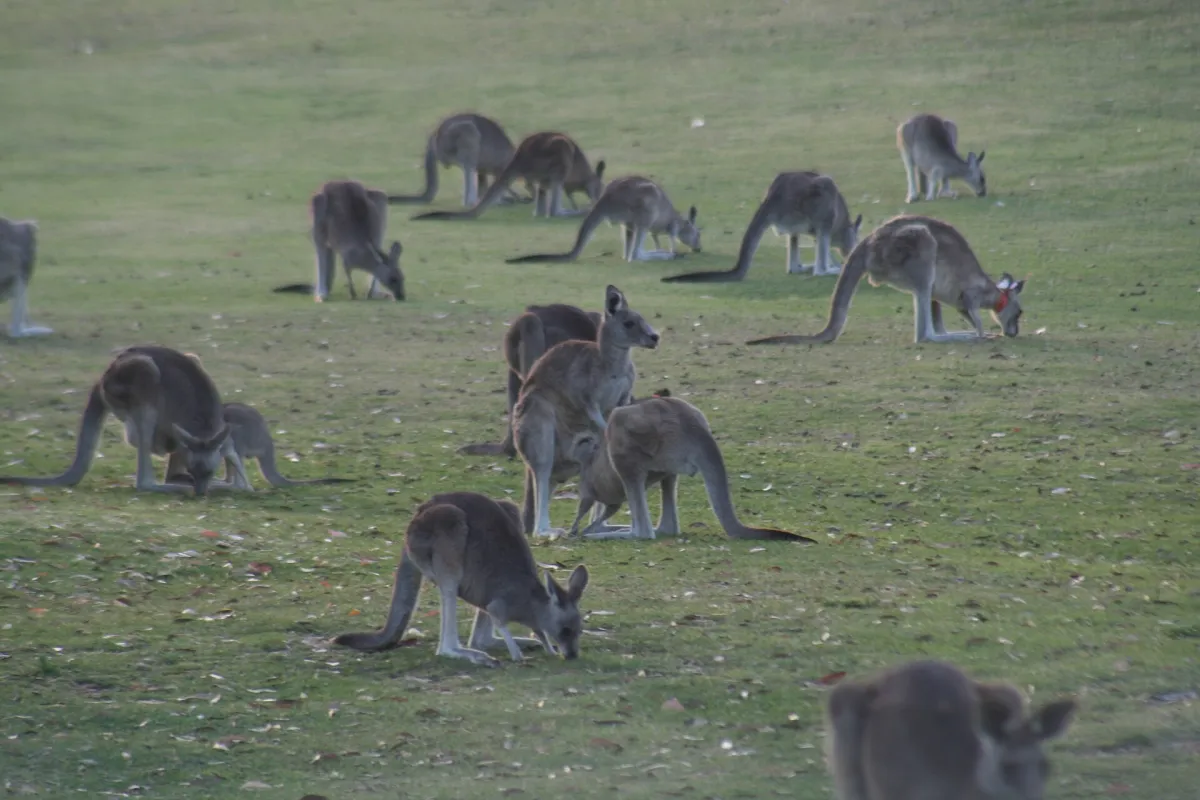
Anglesea Golf Club along Victoria’s Great Ocean Road route is an active golf course, not an open public park: never walk onto fairways independently because of an older photograph. Check the club’s official kangaroo-tour page for current guided schedules and meeting points, follow host directions around playing groups, and use wider compositions or a longer lens to photograph animals calmly without altering their behaviour.
Uluṟu, cultural permissions and publication
At Uluṟu–Kata Tjuṯa, respect the park’s photography guidance and culturally sensitive no-photography areas. The detail of particular places carries meaning and restrictions that a visitor cannot infer from appearance alone. Follow signs and custodians’ guidance, and do not use another person’s published image as proof that your own photography is permitted.
Personal image-making and commercial use can involve different requirements. Check the park’s official photography information before planning a commission, commercial shoot or publication. A general viewpoint photograph in this guide does not grant a permit or waive the conditions relevant to your activity.
The same principle applies to museums, artwork, performances, private property and identifiable people. Copyright in a photograph, permission to enter and rights affecting the subject can be separate questions. Ask the appropriate organisation early if the proposed use goes beyond an ordinary personal travel record.
Pack for the journey you will actually make
Choose equipment that you can carry through the walking, transport and weather of the itinerary. A tripod may help a night scene while becoming inconvenient on a crowded ferry or a long day with children. Check airline and operator conditions for batteries, bags and specialist equipment before adding domestic or regional connections.
Back up images regularly and keep important files separate where practical. Protect equipment from rain, spray, sand and heat without leaving it unattended or allowing the camera to distract from the environment. Drone use requires separate current aviation and land-manager checks; owning a drone does not establish permission to fly at a viewpoint.
Frequently Asked Questions
Does a photo identify an exact accessible camera position?
Not necessarily. Source information, current access and the actual scene need separate checking. Do not invent coordinates or recreate a viewpoint by crossing a barrier.
Can I photograph every part of Uluṟu?
No. Follow the park’s current guidance and marked restrictions, including culturally sensitive no-photography areas.
Do I need to book a bridge climb to photograph the Sydney Harbour Bridge?
No. Open foreshore viewpoints offer clear views of the bridge without an elevated ticket, and organised bridge climbs enforce their own camera and loose-item restrictions.
Can I walk freely onto Anglesea Golf Course fairways, or expect guaranteed koala sightings?
No. Anglesea is an active golf course — check the club’s official kangaroo-tour arrangements rather than entering fairways independently. Wild koala sightings in Great Otway or elsewhere are never guaranteed; keep a respectful distance and never disturb animals.
Do I need to enter the water for surf photos, or swim when visiting Manly Beach?
No. Safe authorised land viewpoints and a longer lens support surf action photography without entering unfamiliar water, and a Manly ferry and promenade walk can be enjoyed completely independently of swimming.
Is a longer lens a reason to approach wildlife?
No. Use distance, patience and a permitted position. Avoid disturbing an animal to obtain a frame.
Should I bring a drone to Australia’s coastal and national park viewpoints?
Only after checking current aviation rules and the permissions of every relevant land manager or park authority. Many popular coastal viewpoints and national parks enforce strict additional restrictions.
Sources and Current Checks
Official park, garden, civic and tour references consolidated on 26 November 2026. Check current opening hours, market dates, tour schedules and photography permissions before travel.
Uluṟu–Kata Tjuṯa National Park Photography · Royal Botanic Garden Sydney · Federation Square Melbourne · Anglesea Golf Club Kangaroo Tours


