Aruba Travel Tips
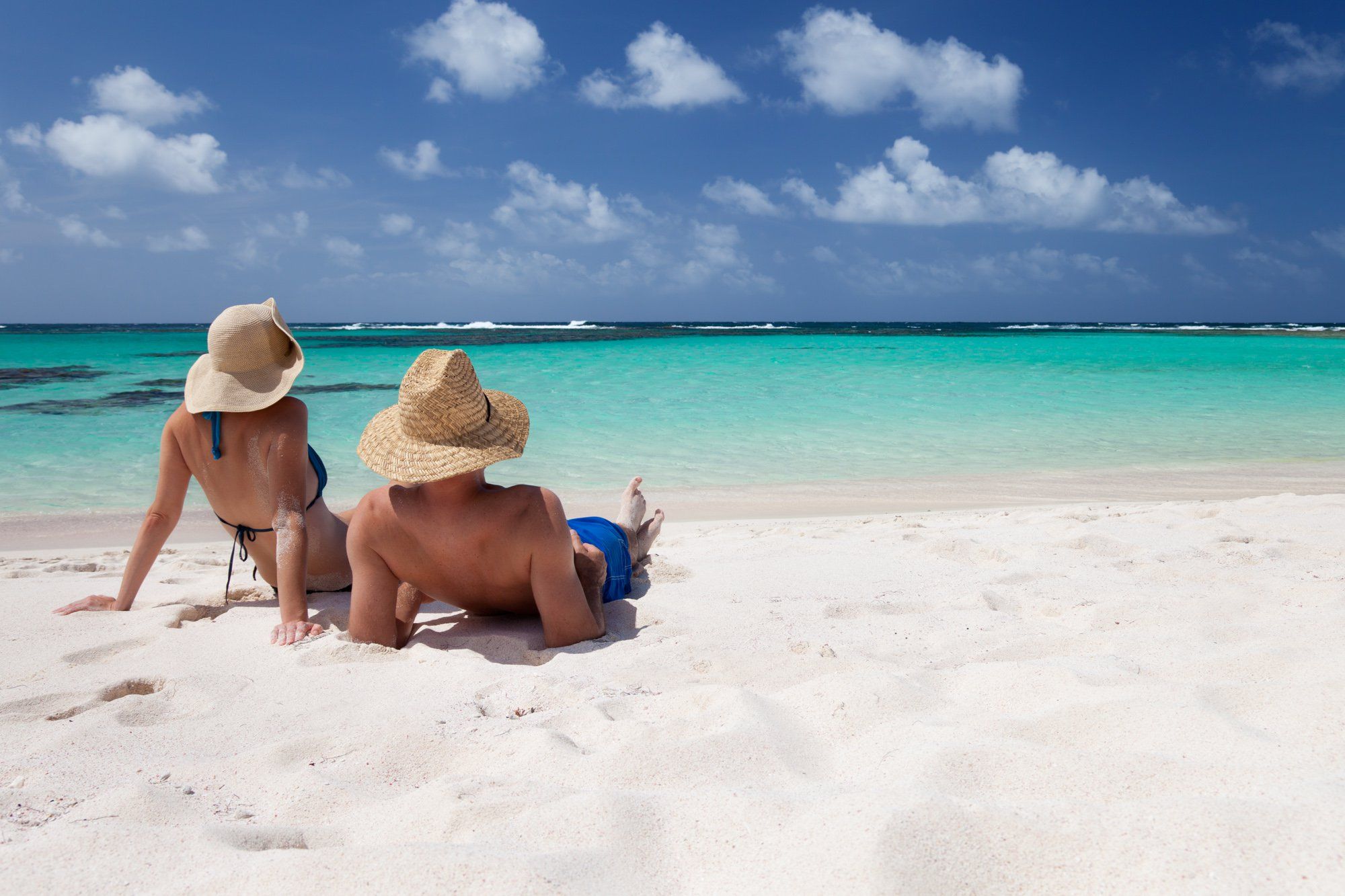
Aruba Travel Tips – Essential Advice for a Smooth & Enjoyable Trip
Aruba is one of the Caribbean’s most welcoming and accessible islands, offering warm weather, beautiful beaches and a relaxed island atmosphere. At the same time, it has a dry climate, strong sunshine and a unique desert-meets-ocean landscape that may feel different from other beach destinations. Knowing a few practical travel tips will help you make the most of your stay, whether you are relaxing on Aruba’s beaches, exploring top attractions or driving through rugged landscapes.
This guide covers the best time to visit, transportation tips, money and payments, packing advice, beach etiquette, health and safety, dining, light shopping and useful hints for excursions. Use it together with About Aruba, Aruba Transportation Guide and Aruba Safety for complete trip planning.
Best Time to Visit Aruba
Aruba enjoys warm temperatures and sunshine throughout the year. Unlike many tropical destinations, it lies outside the main hurricane belt, which means fewer weather disruptions and more consistent conditions. Travelers can visit at almost any time, but a few small differences are good to know.
Weather Considerations
- Dry climate: Aruba is relatively dry, with brief showers that usually pass quickly.
- Trade winds: Steady breezes keep the air comfortable but can make the sun feel less intense than it really is.
- Sea conditions: The western beaches such as Eagle Beach and Palm Beach typically remain calm and swimmable.
For detailed climate patterns, average temperatures and sea conditions, see the dedicated Aruba Weather guide.
Transportation Tips
Getting around Aruba is straightforward thanks to good roads, short distances and a variety of transport options. Your choice depends on how independently you want to explore.
Renting a Car
Renting a car offers maximum flexibility and is ideal if you plan to visit multiple beaches, viewpoints and adventure areas. Roads are generally in good condition and distances are short, but parking can be limited in busy hotel zones.
- Book in advance during busy travel periods.
- Choose a higher-clearance vehicle if you intend to drive on unpaved roads.
- Always follow park regulations inside Arikok National Park.
Using Local Buses
Public buses connect Oranjestad with Eagle Beach, Palm Beach and some residential areas. They are affordable and suitable for travelers who do not plan to explore remote corners of the island. Check timetables in advance, especially in the evening.
Taxis & Transfers
Taxis in Aruba operate with fixed rates on common routes, such as between the airport and the main hotel area. Official taxis are safe and clearly marked. Many hotels can also arrange airport transfers in advance. For a full overview of routes and typical prices, visit the Aruba Transportation Guide.
Money & Payments
Aruba’s local currency is the Aruban Florin, but U.S. dollars are widely accepted in hotels, most shops and restaurants. Credit cards are common, especially in resort areas, yet carrying some cash is still useful for small purchases and local stalls.
- ATMs: Cash machines are available in Oranjestad, Palm Beach and major resort areas.
- Card payments: Most mid-range and upscale businesses accept major credit cards.
- Tipping: Service charges may be included in restaurant bills; if not, a tip of around 10–15% is customary.
What to Pack for Aruba
Packing for Aruba is mostly about staying cool and protected from the sun. The climate is warm, the atmosphere is casual and many activities involve the beach or water.
- Lightweight, breathable clothing such as cotton and linen.
- Swimwear, cover-ups and sandals for beach days.
- A wide-brimmed hat, sunglasses and high-SPF sunscreen.
- Reusable water bottle to stay hydrated in the dry climate.
- Light sweater or wrap for air-conditioned spaces in the evening.
- Closed-toe shoes or trainers for hikes and exploring rocky areas.
If you plan to visit more remote beaches or hike in Arikok National Park, consider bringing a small daypack, quick-drying towel and a light scarf or buff for wind protection.
Beach Tips for a Perfect Day
Aruba’s beaches are among the island’s biggest highlights. Understanding local conditions and etiquette helps you enjoy them safely and comfortably. For detailed descriptions of individual beaches, see Aruba Beaches.
Shade & Sun Protection
- Natural shade is limited on many beaches; consider renting a palapa or bringing a small travel umbrella.
- Apply sunscreen regularly, especially after swimming.
- Take breaks during midday hours when the sun is strongest.
Best Times to Visit the Beach
- Morning: Calmer water, fewer crowds and cooler temperatures—ideal for swimming and walks.
- Late afternoon: Softer light, pleasant breezes and beautiful sunsets, especially on Eagle Beach and Palm Beach.
Beach Etiquette
- Keep music at a moderate volume and respect quiet areas.
- Take all trash with you; recycling bins are available in many spots.
- Do not disturb nesting sea turtles or marked wildlife protection zones.
Health & Safety Tips
Aruba is regarded as one of the safer islands in the Caribbean, with friendly communities and well-developed tourist areas. Basic precautions still apply, especially regarding sun exposure and water activities.
- Drink plenty of water to avoid dehydration in the dry, breezy climate.
- Use reef-safe sunscreen to protect both your skin and the marine environment.
- Follow local guidance when swimming; some rugged east-coast beaches are not suitable for swimming.
For an in-depth look at safety, emergency numbers and health services, refer to the dedicated Aruba Safety guide.
Dining & Food Tips
Aruba has an impressive variety of restaurants, from relaxed beach shacks to elegant waterfront dining. You will find fresh seafood, Caribbean flavors, international cuisine and Dutch-influenced dishes across the island.
- Make reservations for popular beachfront restaurants around sunset.
- Try local dishes such as keshi yena, grilled fish and fried plantains.
- Casual dress is acceptable in most restaurants, but smart-casual works best in upscale venues.
For restaurant suggestions and signature dishes, see the detailed Aruba Food & Drinks guide.
Light Shopping Tips
If you enjoy doing a bit of shopping during your trip, Aruba offers a few convenient spots rather than a full-scale shopping scene. The Renaissance Marketplace in Oranjestad and the boutiques around Palm Beach feature beachwear, souvenirs and duty-free items. You can also find locally made aloe products and small artisan crafts. Prices are generally consistent, so browsing a few shops before buying is a good idea.
Useful Tips for Activities & Excursions
Many visitors join organized excursions such as snorkeling trips, ATV tours, horseback riding or sailing cruises. These activities are an excellent way to experience Aruba’s landscapes and waters without worrying about logistics.
Booking Tours
- Reserve popular tours in advance, especially during peak travel periods.
- Choose reputable companies that prioritize safety and environmental care.
- Confirm what is included—such as transport, equipment, snacks or drinks—before booking.
Snorkeling & Water Activities
- Bring or rent good-quality masks and fins for spots like Boca Catalina and Malmok.
- Follow crew instructions when joining boat trips; currents and weather can change.
- Use waterproof bags for phones and valuables when on boats or kayaks.
Exploring Arikok National Park
- Wear closed shoes, sun protection and bring plenty of water.
- Respect park rules and stay on marked paths.
- Consider a guided tour if you are unfamiliar with desert hiking or off-road routes.
Staying Connected
Most hotels and many cafés provide Wi-Fi, and mobile coverage is strong in the main populated areas. If you plan to use navigation apps or stay online frequently, consider purchasing a local SIM card or roaming package.
- Download offline maps before arriving for easier navigation.
- Keep emergency contacts handy, including your hotel and local assistance numbers.
Final Thoughts
Aruba combines beautiful beaches, reliable sunshine and a welcoming atmosphere with an easy, stress-free travel experience. With a bit of planning—choosing the right transport, protecting yourself from the sun, understanding beach conditions and booking key activities in advance—you can focus on enjoying “One Happy Island” at your own pace. Use these travel tips alongside guides to beaches, things to do, accommodation and nightlife to design a trip that matches your travel style.