
ASIA · MALDIVES GUIDE
Maldives Travel Guide: Choose Your Island, Plan Your Trip
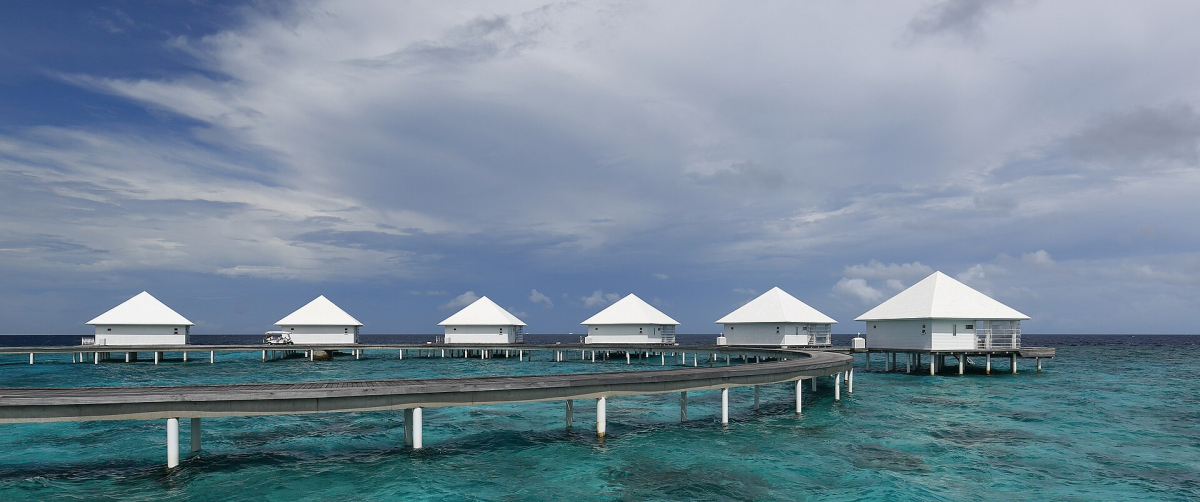
A Maldives holiday begins with choosing the right kind of island stay. The country is an Indian Ocean archipelago, rather than one resort destination with interchangeable hotels. Your base determines how you reach the beach, what you eat, how you explore and how much of the budget goes on transport.
This Maldives travel guide helps you make those first decisions in a sensible order. Start with the experience you want and the number of usable days, choose an island and accommodation model, then confirm the complete journey and price. Detailed subjects have their own pages so you can investigate seasons, local islands, resorts, activities and practical requirements without reading the same long list repeatedly. There is no need to plan every hour, but the connections should work before you commit.
Start with the holiday you want to have
Describe an ordinary day you would enjoy. You might want to walk from a room to a shaded beach, spend several days diving, explore a local community, or make time for private dining and a comfortable villa. Those are different priorities and can lead to different bases. Decide which two or three matter most before sorting accommodation photographs. A beautiful room is a better choice when the surrounding island and activities fit the same plan.
Then set a complete budget and count the nights you can actually use. Include international travel, island transfers and any necessary overnight near the airport. A short break is usually easier to organise with fewer handovers; a longer trip can support a contrasting second base if the connection is worthwhile. Use Maldives itineraries to compare five-, seven- and ten-day structures before deciding how many islands to include.
Choose between a resort, local island and time on the water
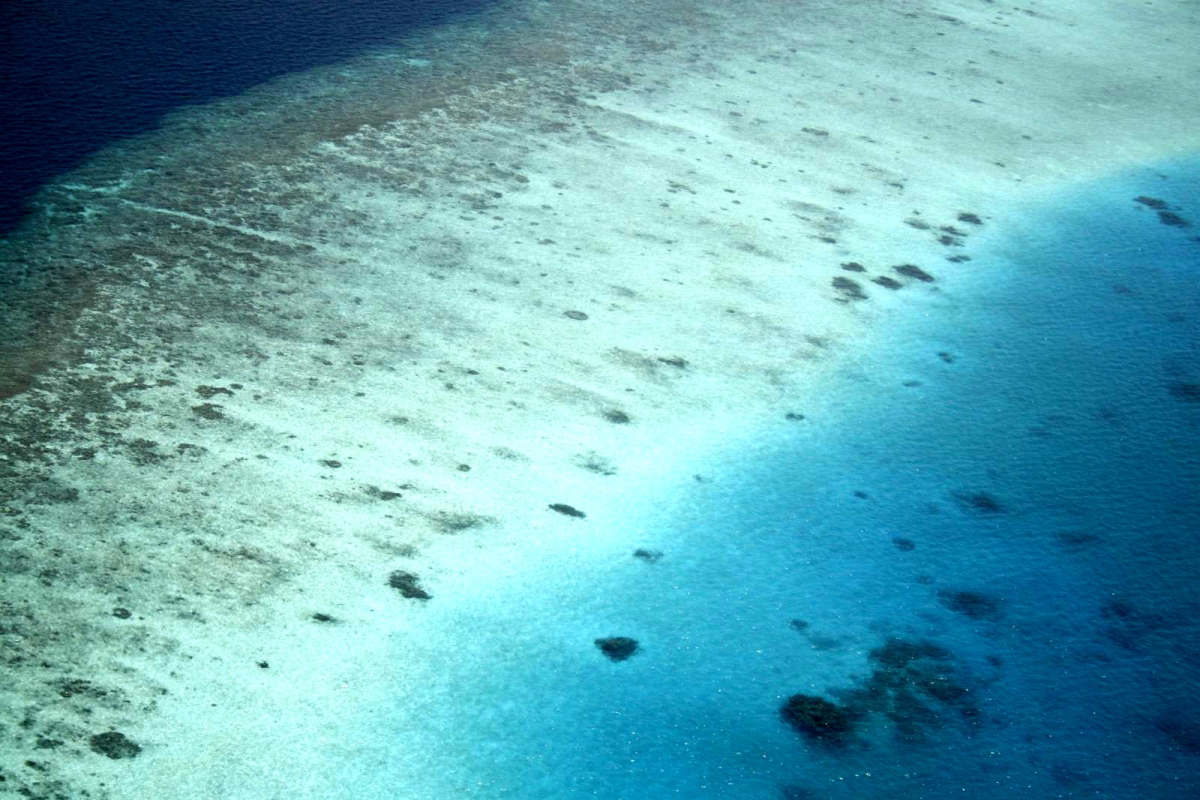
A private-island resort offers a managed setting with its own room categories, restaurants and activity arrangements. Compare the house reef, beach access, meal plan and villa conditions as carefully as the main photograph. A local-island guesthouse or hotel places you within a living community, with different public customs and opportunities to arrange meals and activities locally. Neither label tells you the quality of the individual room or operator.
A liveaboard or another boat-based arrangement can suit a trip centred on water activities, but needs its own checks for space, motion, safety and the exact itinerary. An airport-area night can be a practical connection choice without becoming the main holiday base. Read Where to Stay for area and stay-model decisions, Local Islands for community-based stays, and Hotels & Resorts for named-property comparisons.
Find the guide that answers your next decision
| Your question | Start here | Decision to make |
|---|---|---|
| Which part of the country? | Map & Atolls | Understand location before comparing transfers |
| When should I go? | Best Time to Visit | Match dates to priorities and flexibility |
| What will the whole trip cost? | Travel Costs & Money | Compare final totals and payment needs |
| What should I do there? | Things to Do | Choose activities suited to time and ability |
| What needs arranging before departure? | Travel Essentials | Prepare documents, equipment and communication |
Scroll the table sideways to compare all columns.
Choose the page for the task you are actually solving. For example, a geographic shortlist belongs in the map and stay guides; a named room or dining package belongs in the property comparison. That keeps the planning process clear.
Check dates, transport and price together
Weather, flight timing and accommodation cost interact. The official climate description is a useful starting point for seasonal expectations, while the date-specific decision should include the island and activities. Do not pay a premium for a supposed guarantee of perfect conditions. Ask how the property handles changes to excursions and transfers, and choose accommodation you will enjoy even on a slow or wet afternoon.
Before buying international flights, send the proposed flight numbers to the accommodation and ask whether the full connection works. A late arrival or early return departure can change the necessary overnight arrangements. Compare quotes using the same travellers, room category, meals, taxes and return transport. The airport guide focuses on the first and last day; Getting Around explains the transport strategy between them. These checks are often more useful than adding another island to the wish list.
Build the stay around a few well-chosen experiences
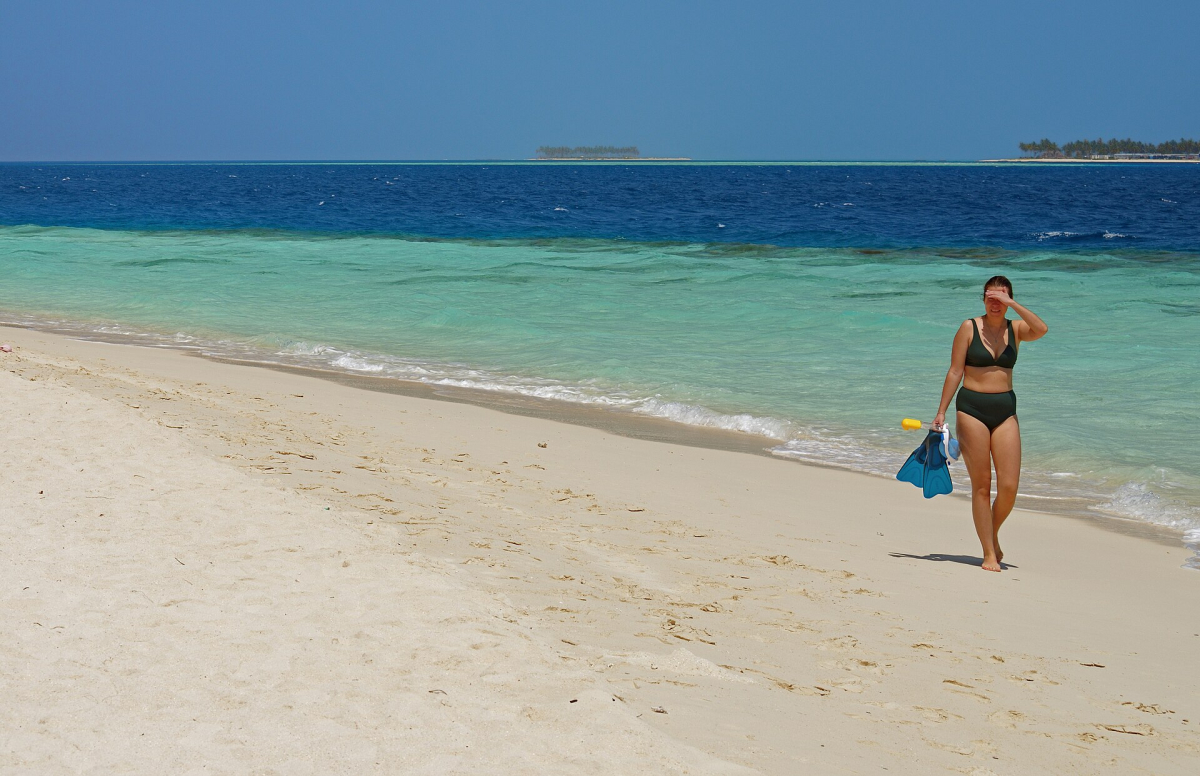
Start with an activity you would genuinely enjoy, then ask what can be done appropriately from your proposed base. A guided reef introduction, a dive programme, a local food visit and a boat excursion have different ability, weather and booking requirements. A sandy lagoon and a house reef serve different purposes. Use Beaches and Diving & Snorkelling to understand those distinctions before expecting one property to provide everything.
Leave breathing space between commitments, particularly for a family or after a long journey. Wildlife sightings cannot be guaranteed, and a responsible crew may change the plan when conditions are unsuitable. For couples, compare privacy, villa location and dining arrangements in the honeymoon and couples guide. For children, use Family Travel to investigate age rules, supervision and practical supplies. Choose the trip for the people travelling, rather than a universal ranking.
Make room for the Maldives beyond a room and beach
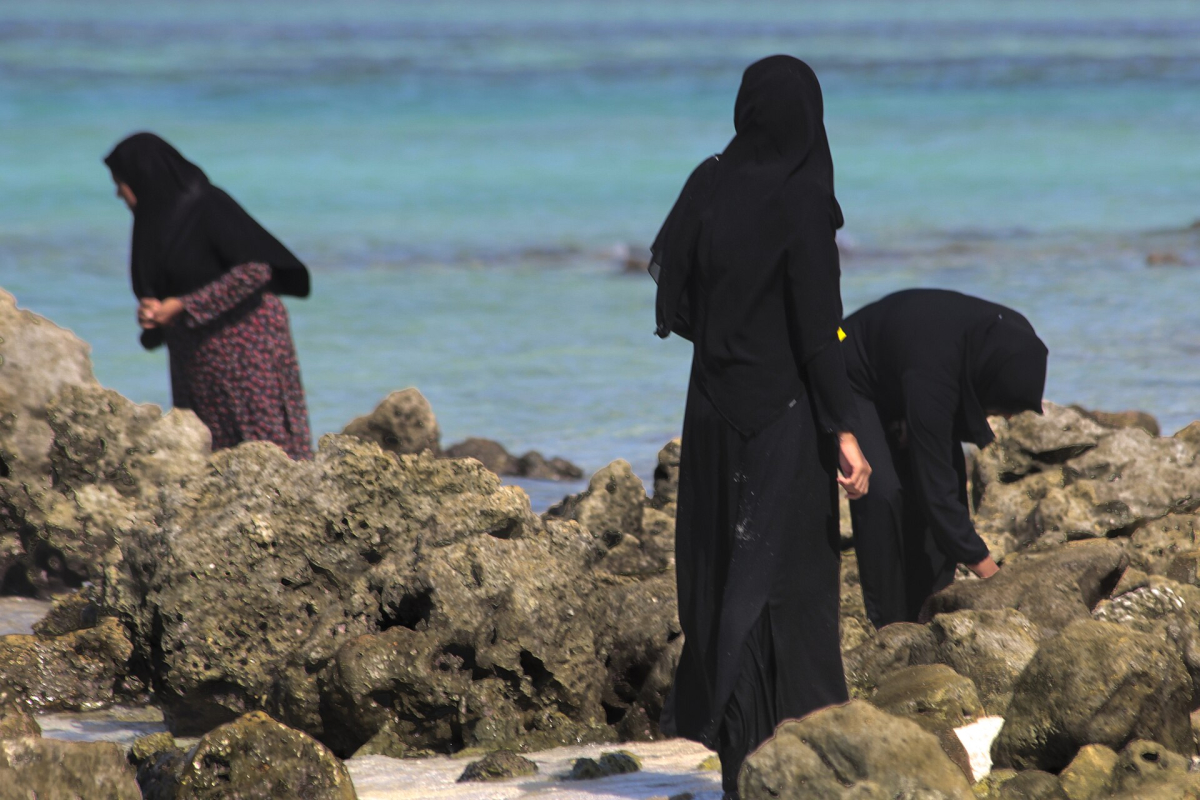
The Maldives has a living maritime culture, and time in a local community can add meaning to a holiday. The History & Culture guide explains the background to places and traditions without presenting an inhabited island as a museum. Ask before photographing people, learn public dress expectations and let local routines shape an appropriate visit. A brief planned encounter can be more rewarding than trying to collect several islands in one day.
Food is another way to understand the place. Use Food & Drink to learn what dishes and ingredients mean, and Restaurants for venue and access decisions. If you want a souvenir, look for a traceable maker and material in Shopping. Choose marine activities and purchases with care; Responsible Travel explains practical reef, wildlife and community questions to ask before paying.
Finish the essential checks before the booking becomes inflexible
Use Maldives Immigration for current official entry requirements and the Visa & Entry guide to organise the documents. Settle nationality, passport, purpose and transit questions before committing to a non-refundable itinerary. For health, read current advice for your nationality, discuss personal needs with an appropriate professional and confirm insurance for the actual island and activities.
If access requirements matter, ask specific questions about the room, transport and daily routes using Accessibility. Keep verified supplier and emergency details in Useful Contacts accessible offline. Check the island and atoll on every confirmation, and keep transfer and accommodation suppliers’ contact details together. Save the final confirmations together and make sure another traveller understands the plan. You can then leave the daily pace flexible, confident that the practical structure supports the holiday you chose rather than creating avoidable work after arrival.
Frequently asked questions
Where should I start planning a first Maldives trip?
Choose the kind of stay and two or three priorities, set a complete budget, then check which bases fit your usable nights and flight connections. The map and Where to Stay guides help narrow the area before you compare individual rooms.
Do I need to stay at a luxury resort?
No. Local-island hotels and guesthouses provide another travel model, with community life, different public customs and independently arranged activities. Compare the actual property, transport and daily costs rather than assuming either model is automatically right for everyone.
How many days are enough for the Maldives?
A short stay can work well with one practical base, while more time can support slower days or a contrasting second island. Count usable nights after connections, and use the itinerary guide to decide whether another move adds enough value.
Can I leave the detailed planning until arrival?
Keep the daily pace flexible, but arrange valid entry documents, accommodation and workable island connections beforehand. Important health, access and activity requirements also deserve advance confirmation. A simple structure leaves more freedom once you arrive.


