
Things to Do in Turkey
Things to Do in Turkey
Plan your Turkey trip: Where to go · When to visit · Where to stay · Getting around · Visa & entry · Safety
The best things to do in Turkey range from world-famous landmarks to simple local experiences: riding a ferry across Istanbul, walking through an ancient city, eating breakfast slowly, hiking a valley in Cappadocia or swimming from a quiet Mediterranean beach.
Explore Istanbul’s Historic Peninsula
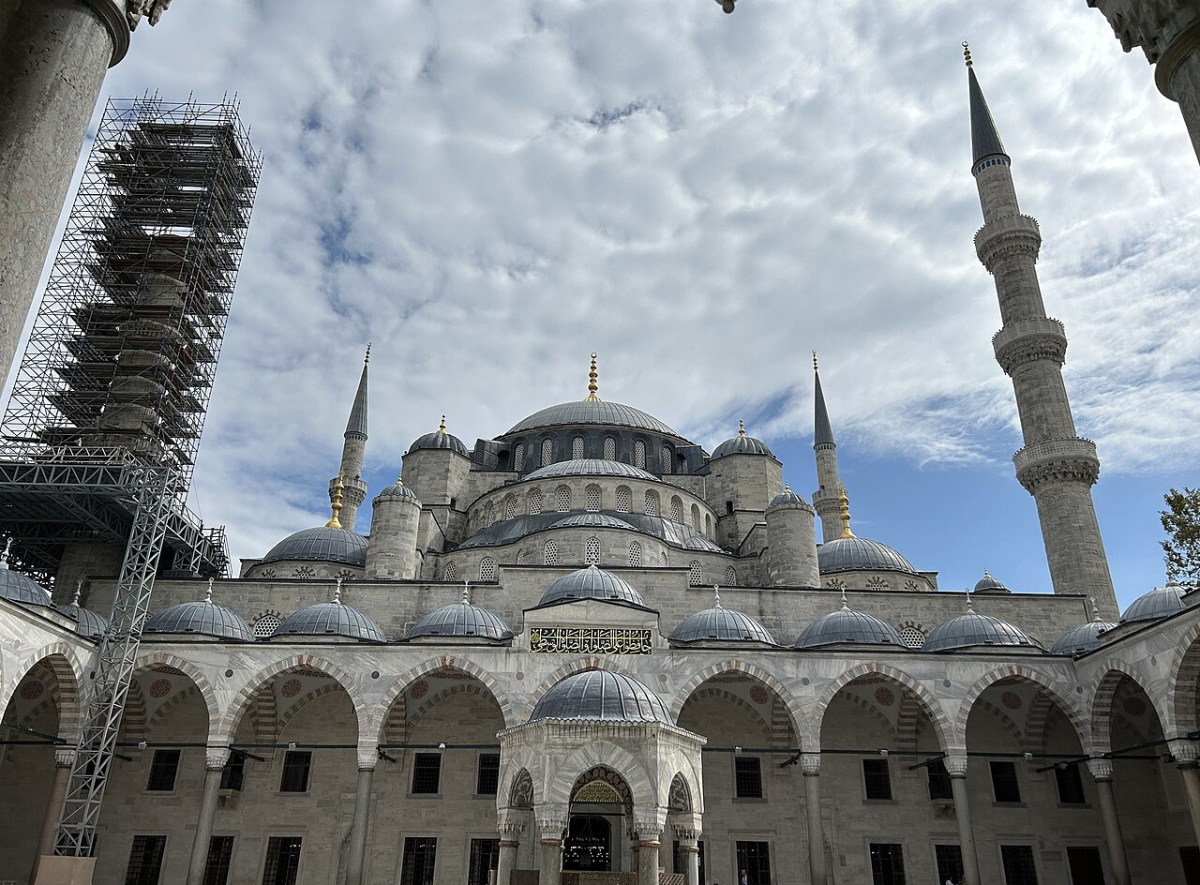
The Blue Mosque courtyard, September 2024. Photo: Premeditated / Wikimedia Commons. CC BY-SA 4.0. Resized for display.
Hagia Sophia, the Blue Mosque, Topkapı Palace and the Basilica Cistern are among Istanbul’s defining landmarks. Arrive early, dress appropriately for active religious sites and leave time to walk between monuments rather than treating them as isolated stops.
Take a Bosphorus Ferry
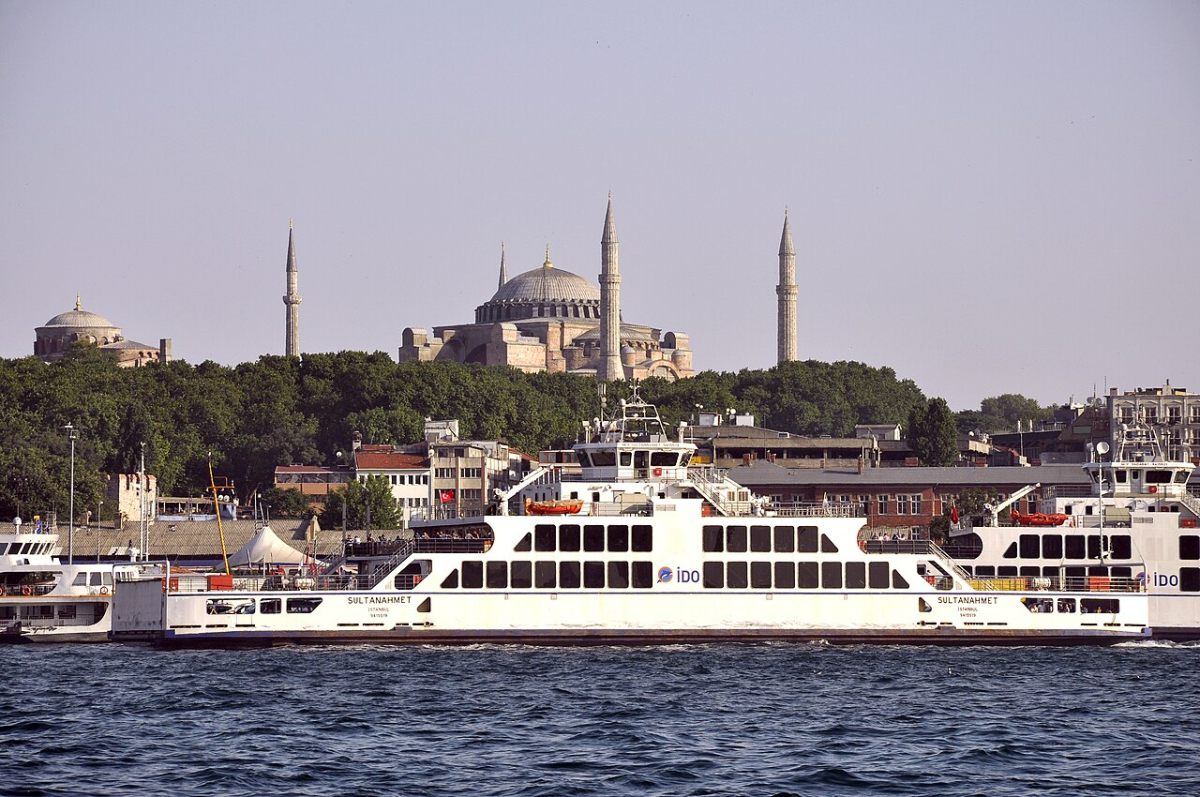
An Istanbul ferry beside the Historic Peninsula, July 2012. Photo: Moonik / Wikimedia Commons. CC BY-SA 3.0. Resized for display.
A public ferry is one of the easiest ways to appreciate Istanbul’s geography. The journey reveals palaces, waterfront neighborhoods, mosques, bridges and the divide between Europe and Asia.
Walk the Valleys of Cappadocia
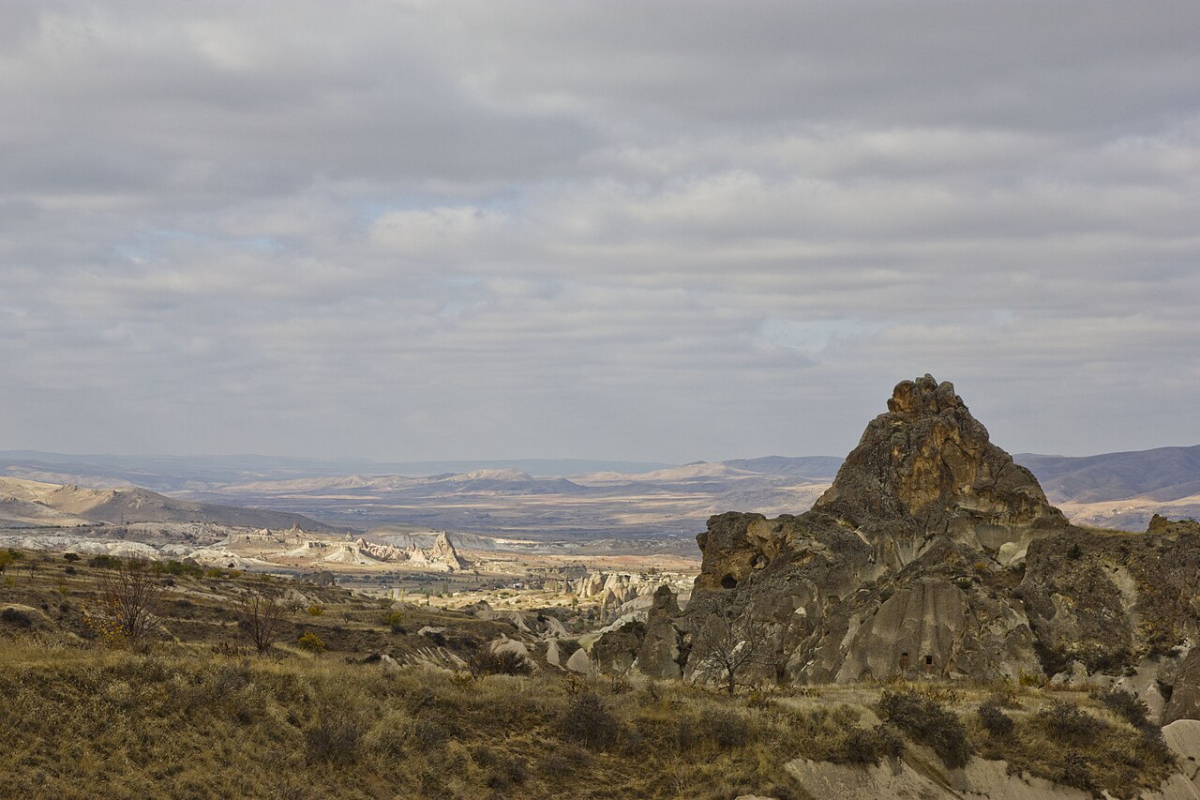
A view from a Rose Valley walk, November 2011. Photo: William Neuheisel / Wikimedia Commons. CC BY 2.0. Resized for display.
Cappadocia is not only about balloon flights. Rose Valley, Red Valley and other walking routes reveal rock formations, cave structures and viewpoints that are easy to miss from a vehicle.
See Cappadocia from the Air
Hot-air ballooning is one of Turkey’s best-known experiences. Flights depend on weather and aviation safety, so build flexibility into your schedule rather than booking a single early morning with no backup day.

Cappadocia at sunrise, photographed in August 2018. Photo: Leventtuncay / Wikimedia Commons, CC BY-SA 4.0. Resized for display.
Visit Ephesus
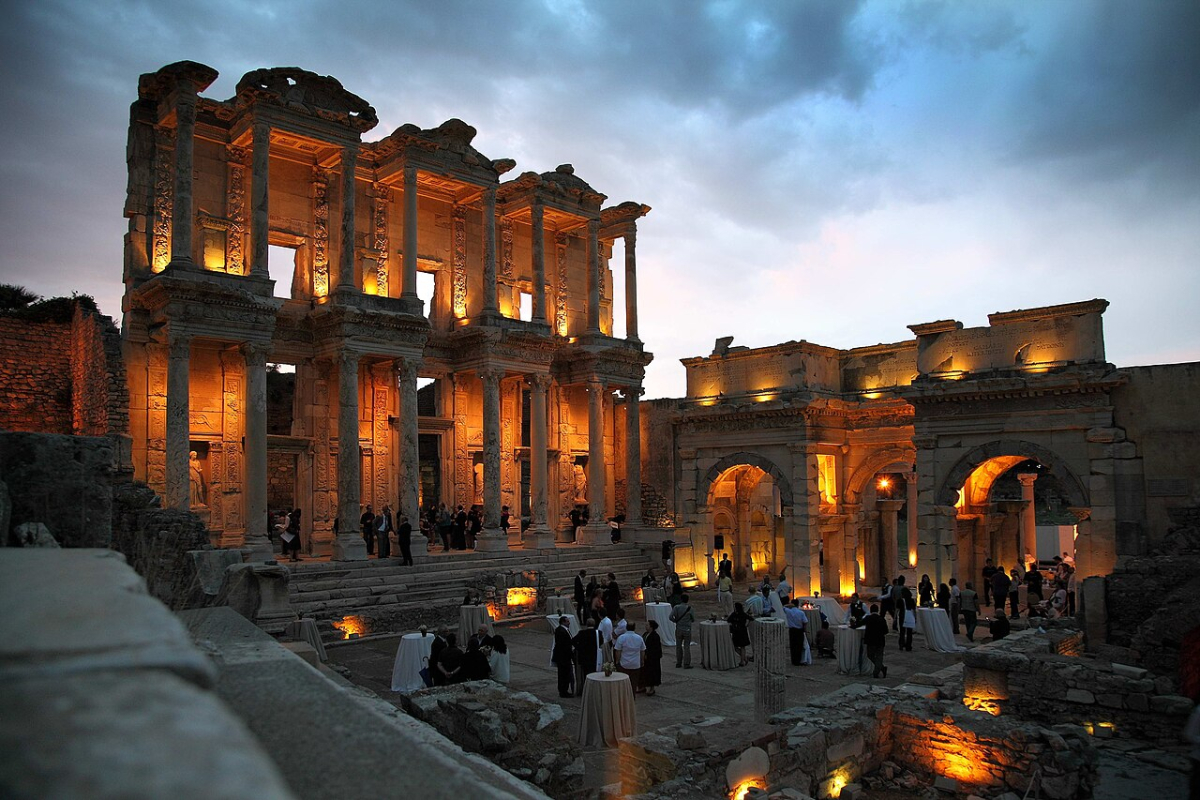
The Library of Celsus at Ephesus, photographed in May 2010. Photo: Austrian Archaeological Institute, Wikimedia Commons, CC BY-SA 3.0. Resized for display.
Ephesus offers one of the country’s most impressive archaeological walks. Go early in warm months, carry water and allow enough time to appreciate the broader site rather than rushing between photo stops.
See Pamukkale and Hierapolis
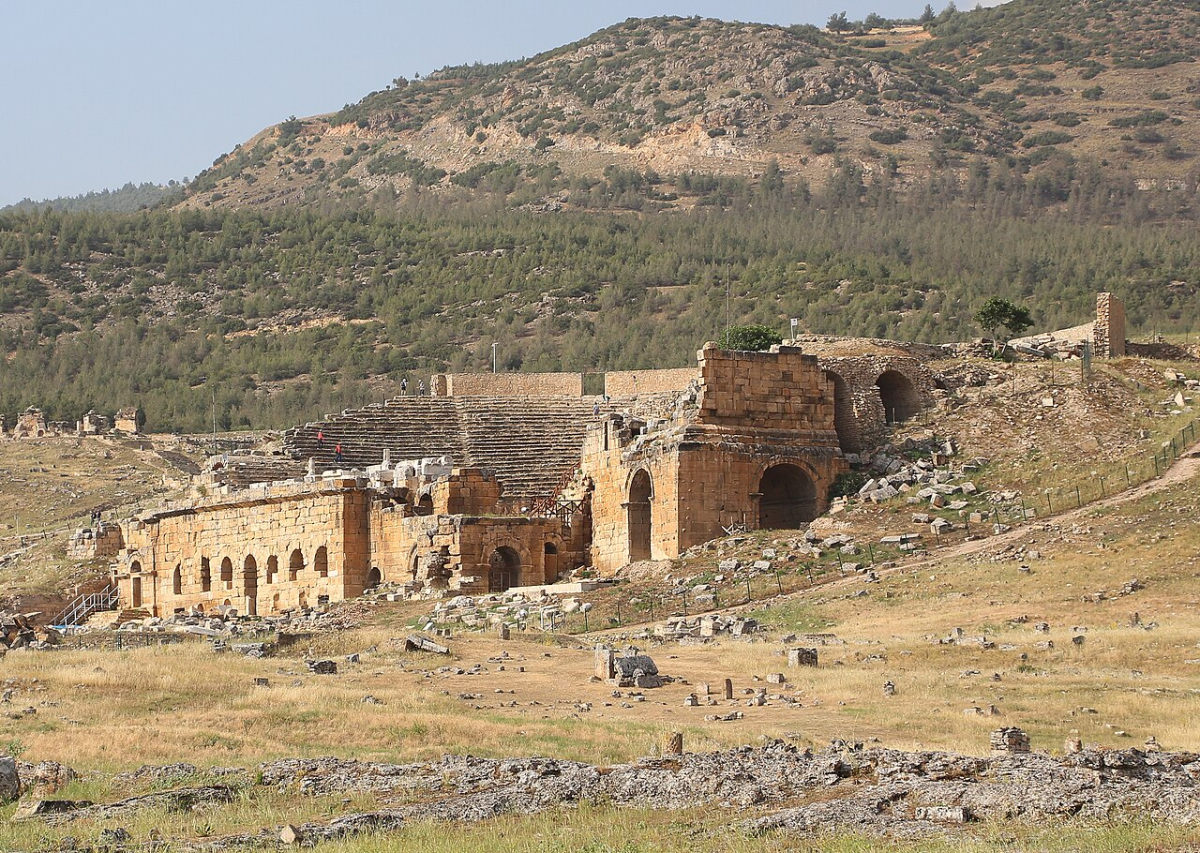
The Roman theatre at Hierapolis, May 2014. Photo: Bernard Gagnon / Wikimedia Commons. CC BY-SA 3.0. Resized for display.
The white travertines of Pamukkale and the ruins of Hierapolis create an unusual combined natural and historical destination. Respect access restrictions designed to protect the formations.
Spend Time on the Turkish Coast
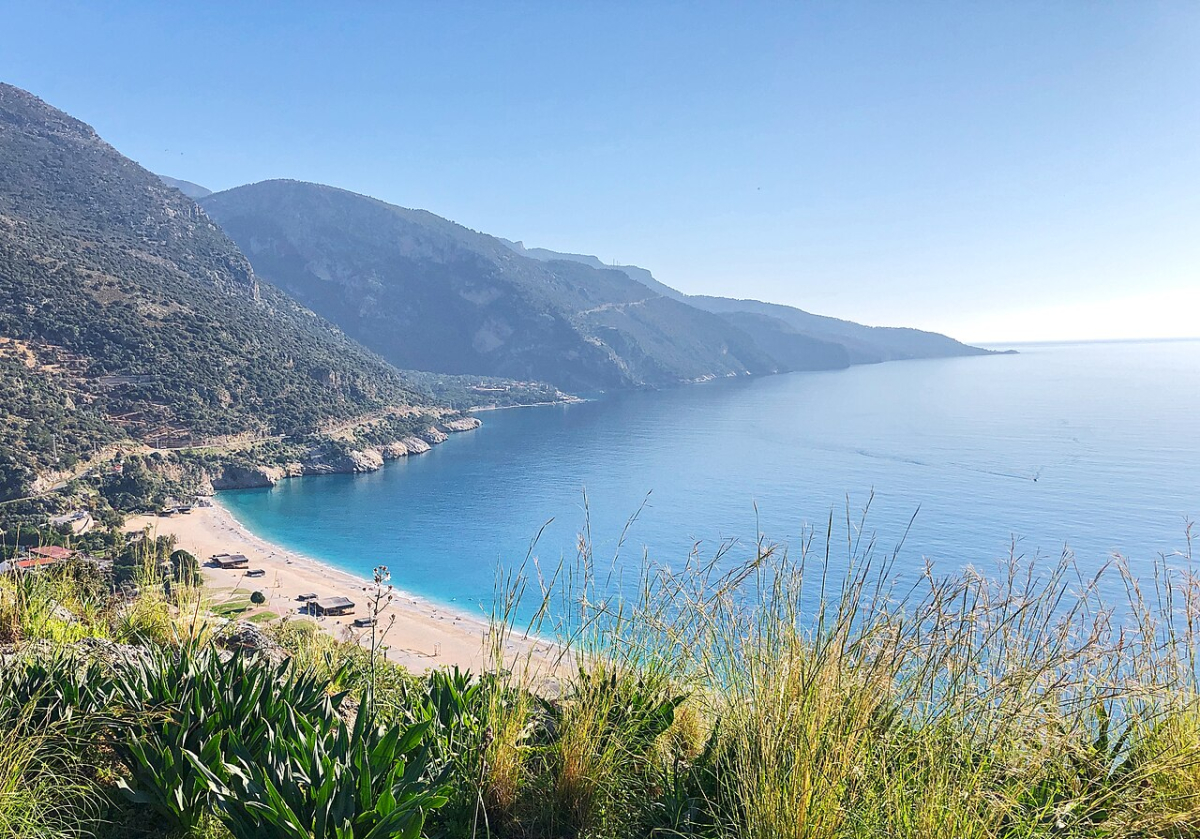
The coast near Ölüdeniz, January 2023. Photo: Maksym Bespalov / Wikimedia Commons. CC BY-SA 4.0. Resized for display.
The Aegean and Mediterranean coasts offer resort beaches, small coves, boat trips and historic towns. Fethiye, Kaş, Antalya, Bodrum and Çeşme suit different travel styles. See Beaches in Turkey for detailed coastal ideas.
Hike a Section of the Lycian Way
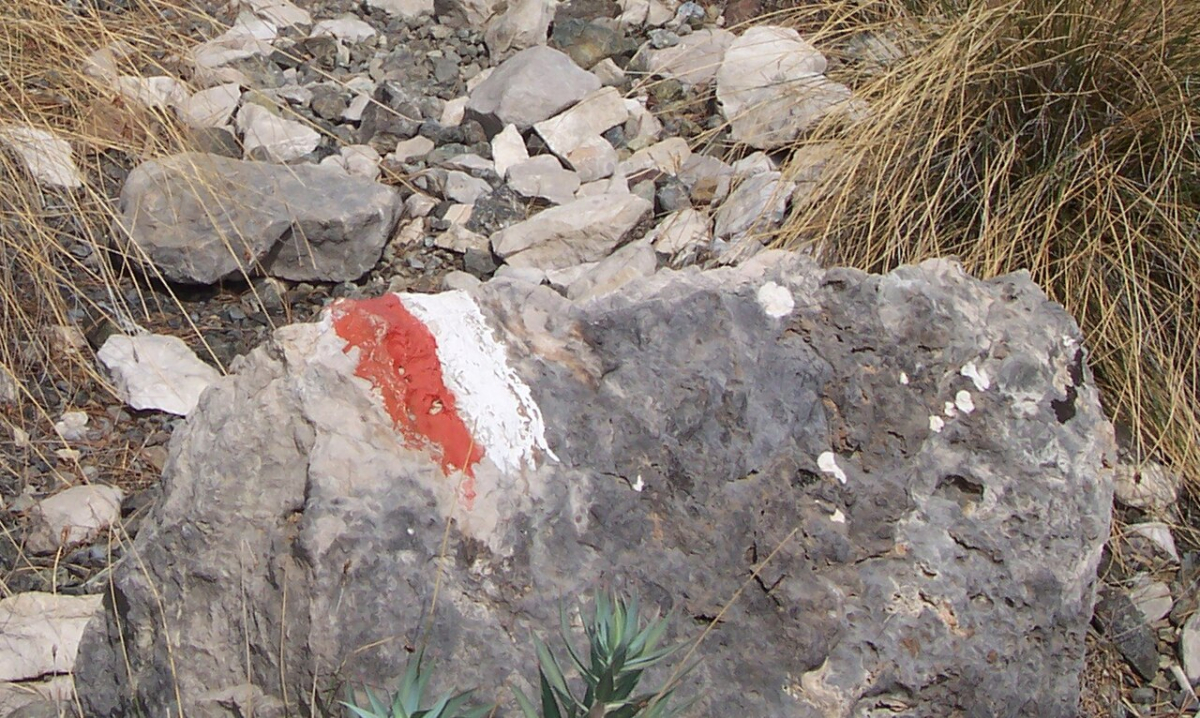
A Lycian Way trail marker, October 2006. Use current route information when hiking. Photo: Paul Roberts / Wikimedia Commons. Public domain. Resized for display.
The Lycian Way follows sections of the southwest coast through historic landscapes and coastal scenery. You do not need to hike the entire long-distance trail; day walks and short sections can fit into a normal itinerary.
Experience a Turkish Hamam
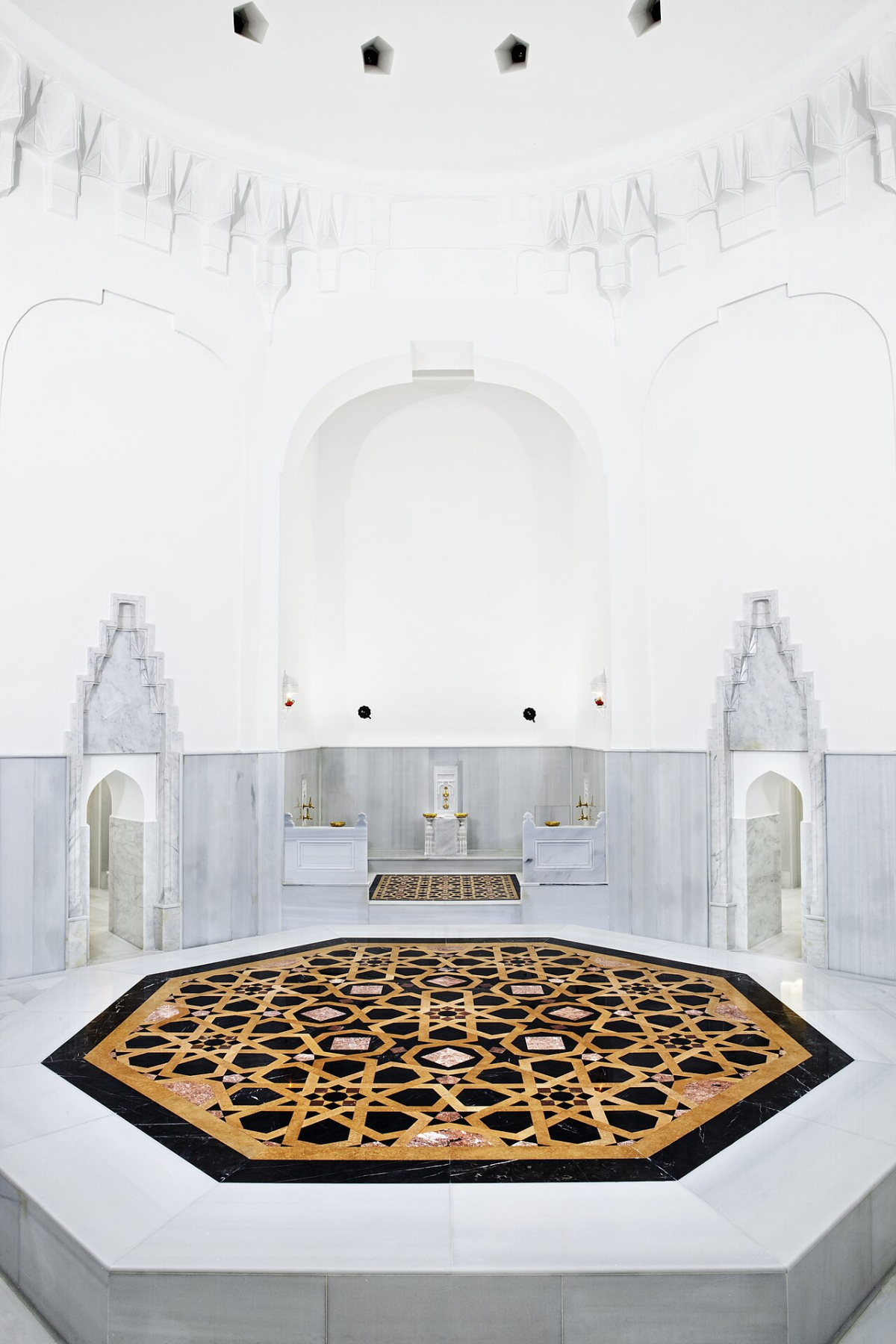
Hürrem Sultan Hamam interior, March 2011. Photo: Satayman / Wikimedia Commons. CC BY-SA 3.0. Resized for display.
A traditional hamam can be both cultural and restorative. Historic baths in Istanbul and other cities range from local establishments to carefully restored visitor-oriented experiences.
Eat Beyond the Tourist Menu
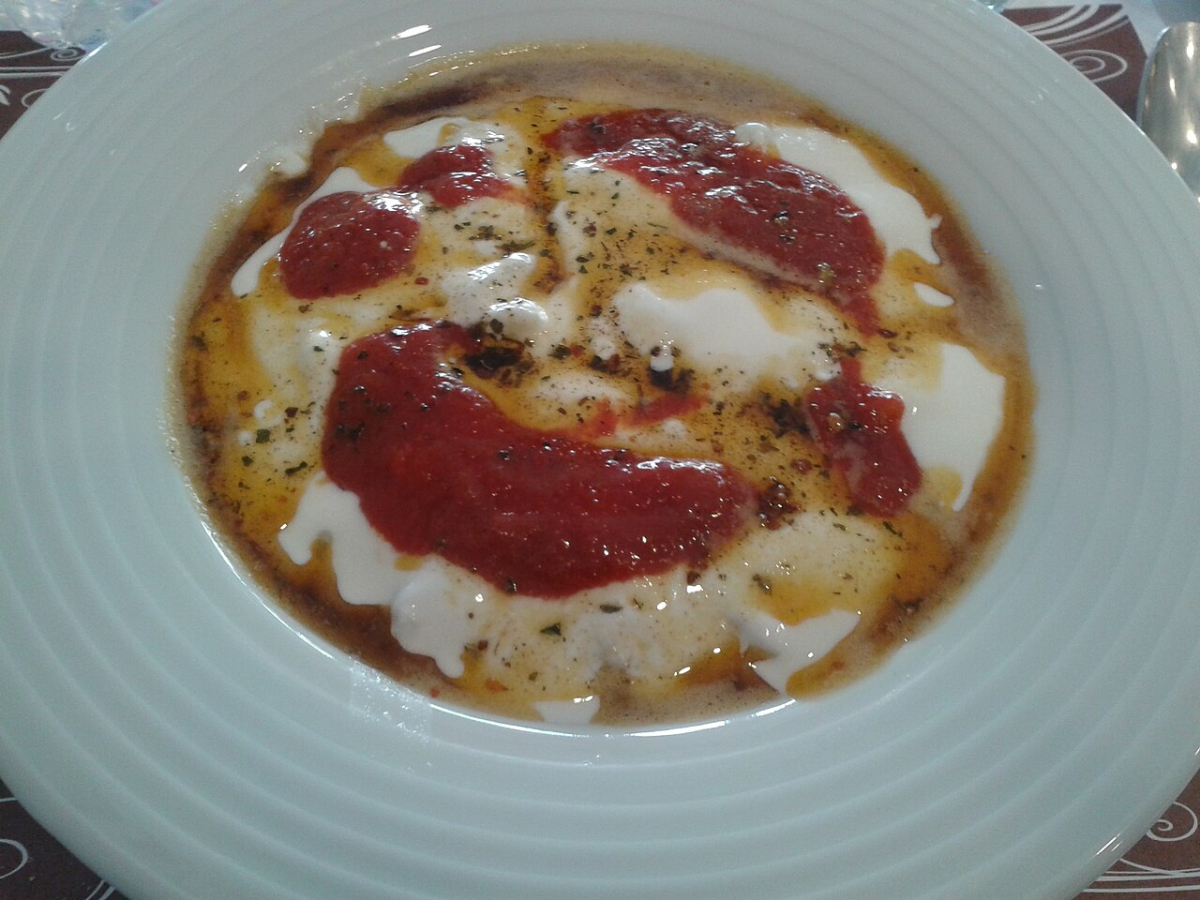
Mantı served in Ankara, November 2017. Photo: E4024 / Wikimedia Commons. CC BY-SA 4.0. Resized for display.
Try regional breakfast dishes, meze, pide, mantı, seafood, vegetable dishes, local desserts and market foods. The Turkish Food & Drinks guide explains what to look for.
Shop in Bazaars and Local Markets
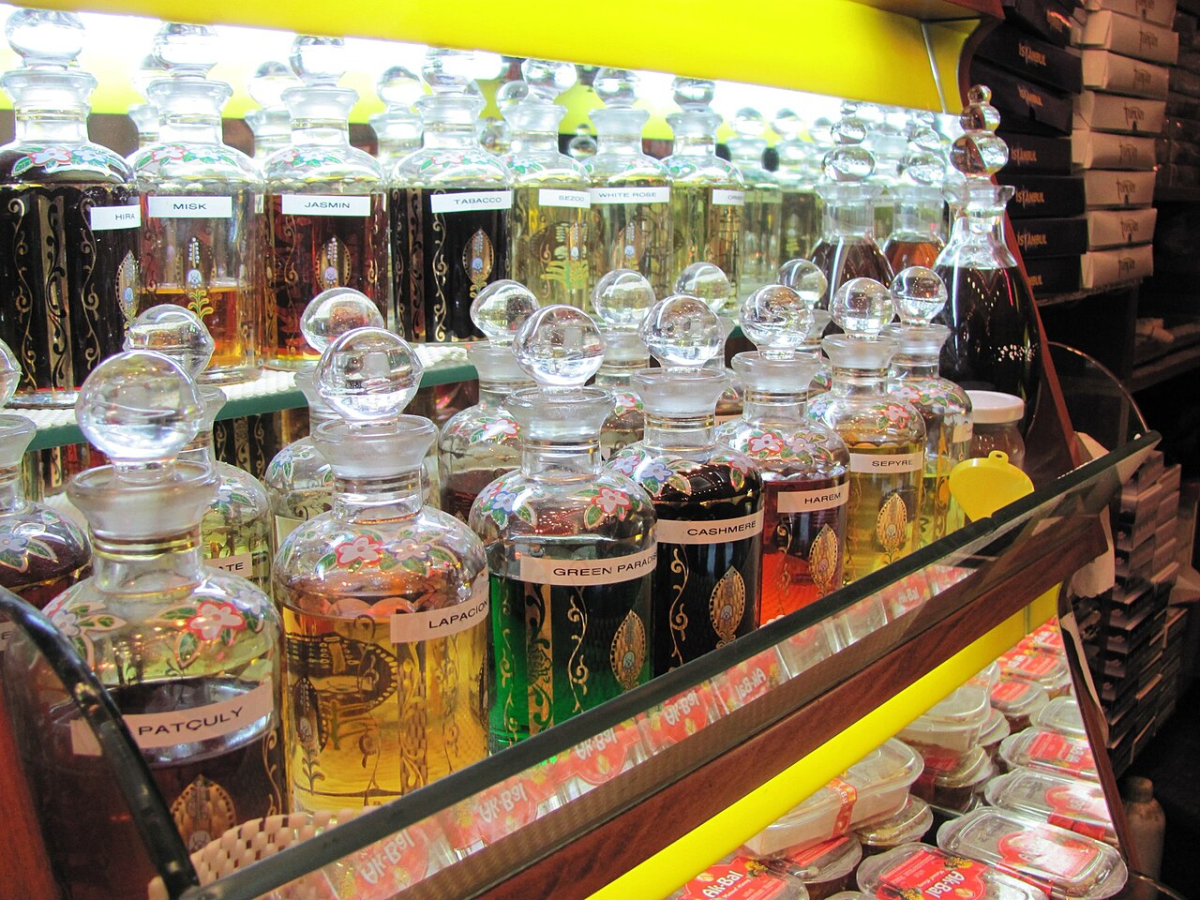
A perfume display in the Grand Bazaar, March 2011. Photo: Slyronit / Wikimedia Commons. CC BY-SA 4.0. Resized for display.
Markets are useful not only for souvenirs but also for understanding local ingredients, textiles and crafts. Bargaining may be expected in some tourist-oriented settings but not in ordinary fixed-price shops. See Shopping in Turkey.
Visit Lesser-Known Archaeological Sites
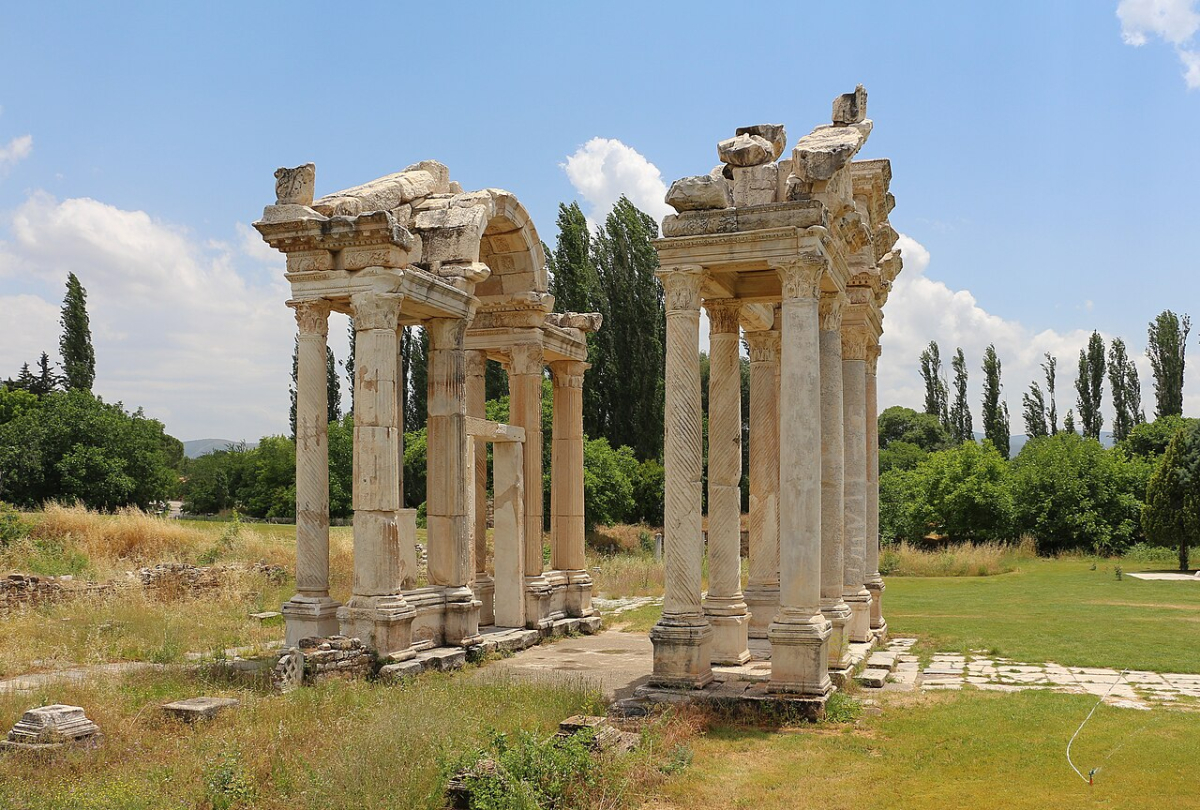
The Tetrapylon at Aphrodisias, May 2014. Photo: Bernard Gagnon / Wikimedia Commons. CC BY-SA 3.0. Resized for display.
Beyond Ephesus, Turkey contains an extraordinary concentration of archaeological places, including Pergamon, Aphrodisias, Troy and many smaller sites. Travelers with a car often have more flexibility to reach them.
Take a Coastal Boat Trip
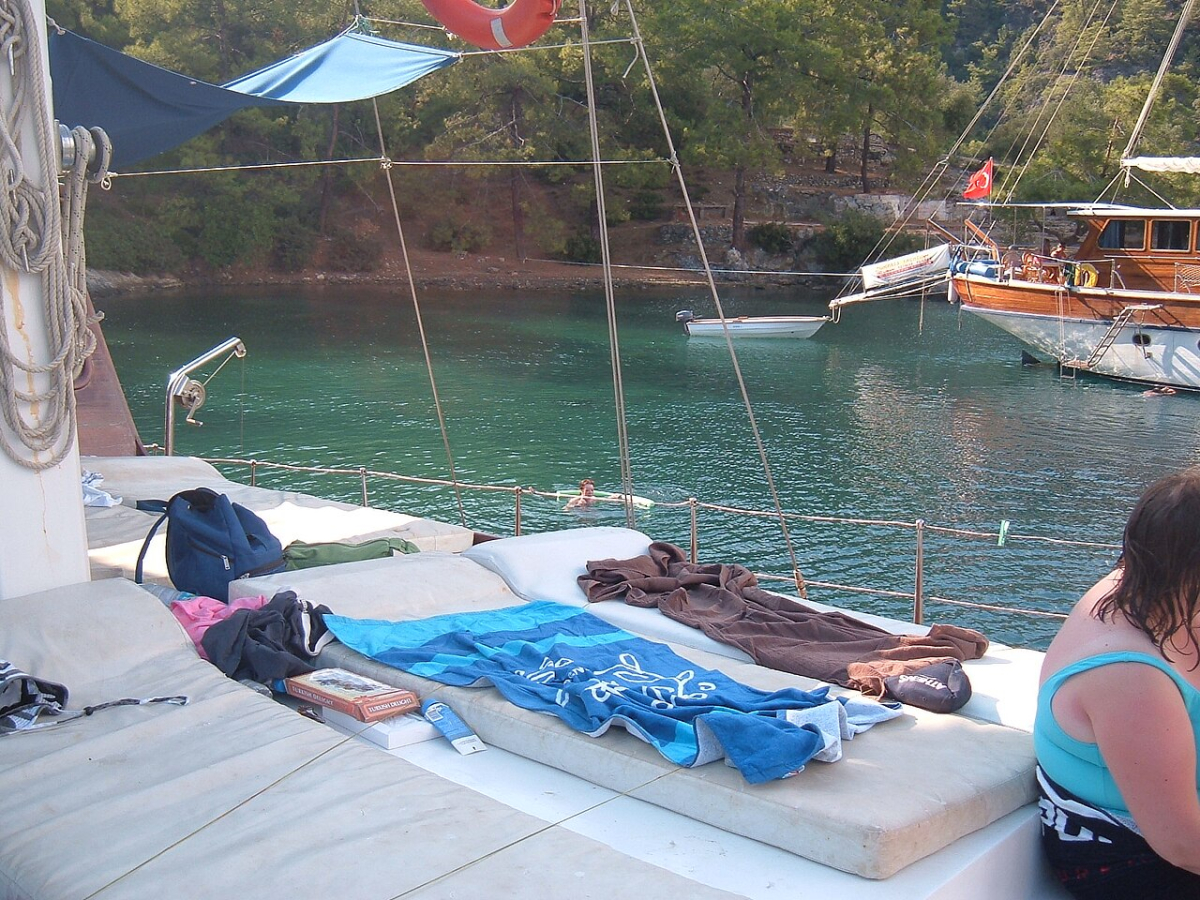
A gulet excursion near Fethiye, archived photograph dated 2004. Photo: taeoakley / Wikimedia Commons. CC BY-SA 3.0. Resized for display.
Day cruises and multi-day sailing trips operate from many southwest coastal towns. Choose operators that explain safety procedures and environmental rules clearly.
Explore Contemporary Turkey
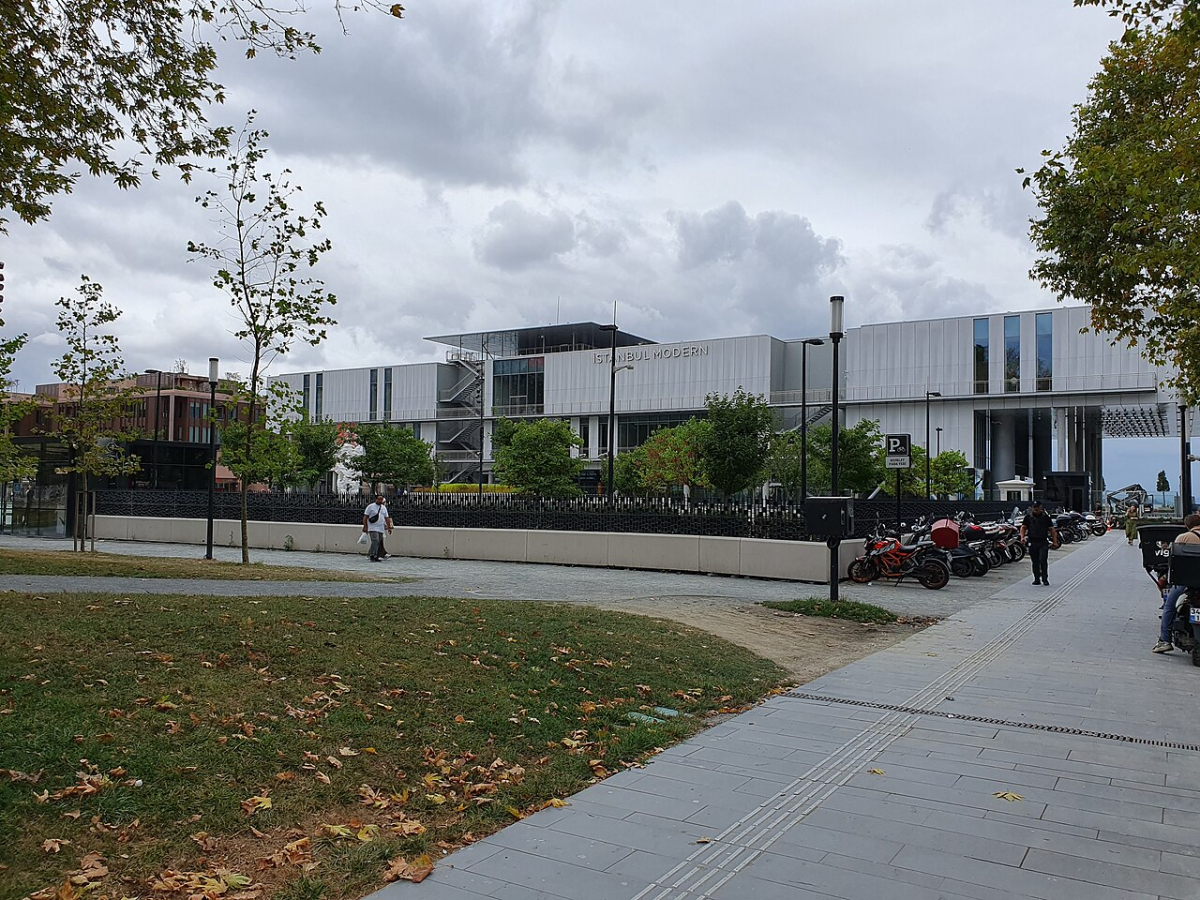
Istanbul Modern, August 2023. Photo: Antoloji / Wikimedia Commons. CC0 1.0. Resized for display.
Do not limit a trip to ancient monuments. Istanbul, Izmir and Ankara have contemporary art spaces, design districts, music venues and modern food scenes that show present-day Turkey.
Tip: Build each day around one major experience and leave room for neighborhoods, food and spontaneous stops. Over-scheduling can make Turkey’s largest cities and archaeological sites feel rushed.
Visit a Local Market
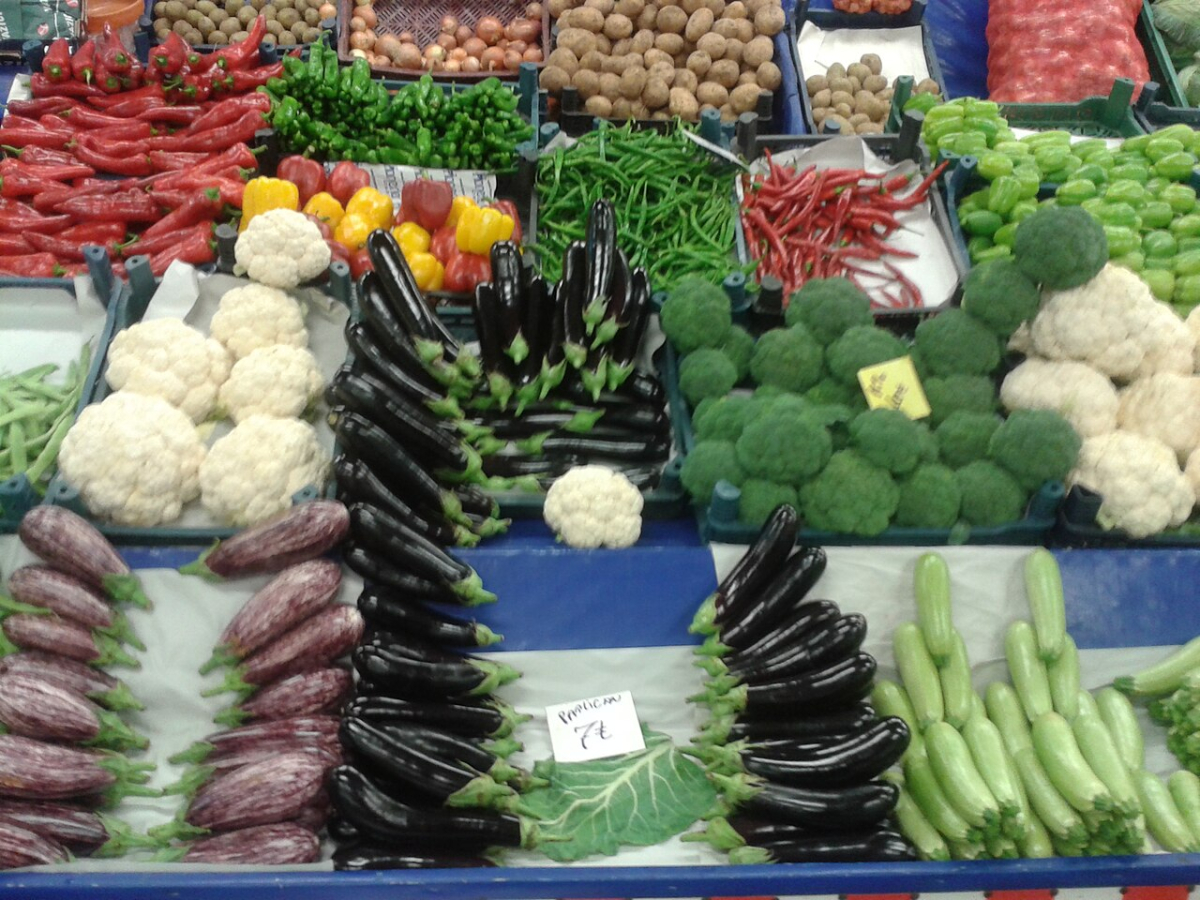
Seasonal produce at an Ankara market, November 2017. Photo: E4024 / Wikimedia Commons. CC BY-SA 4.0. Resized for display.
Weekly produce markets reveal regional ingredients, seasonal fruit, cheeses, olives and everyday shopping habits. They are often more informative than souvenir bazaars and can be good places to assemble a picnic.
Take a Cooking Class
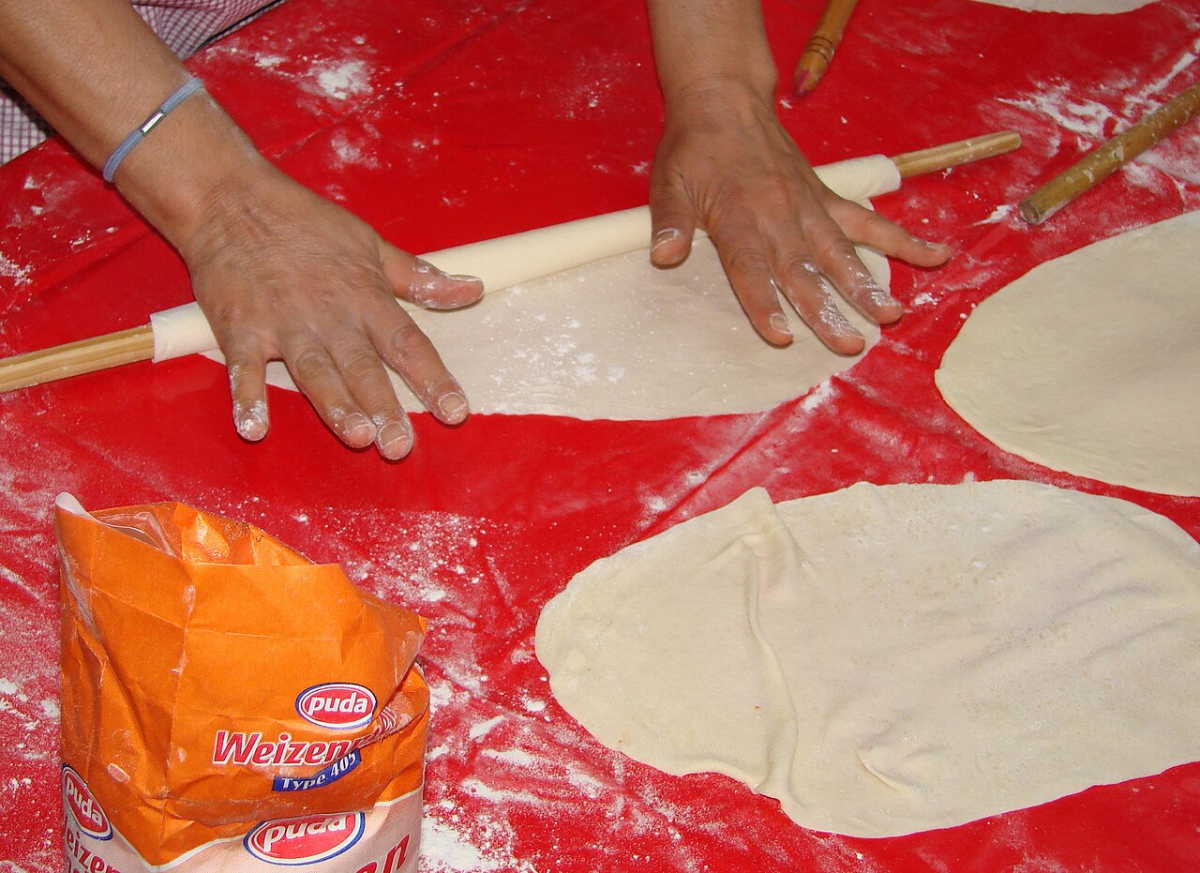
Rolling yufka dough, July 2007. An example of a cooking technique, not a photograph of a specific bookable class. Photo: Mussklprozz / Wikimedia Commons. CC BY-SA 3.0. Resized for display.
Food-focused classes can introduce techniques and ingredients that are difficult to understand from restaurant menus alone. Choose small-group experiences that explain regional context rather than simply reproducing tourist dishes.
Visit a Museum
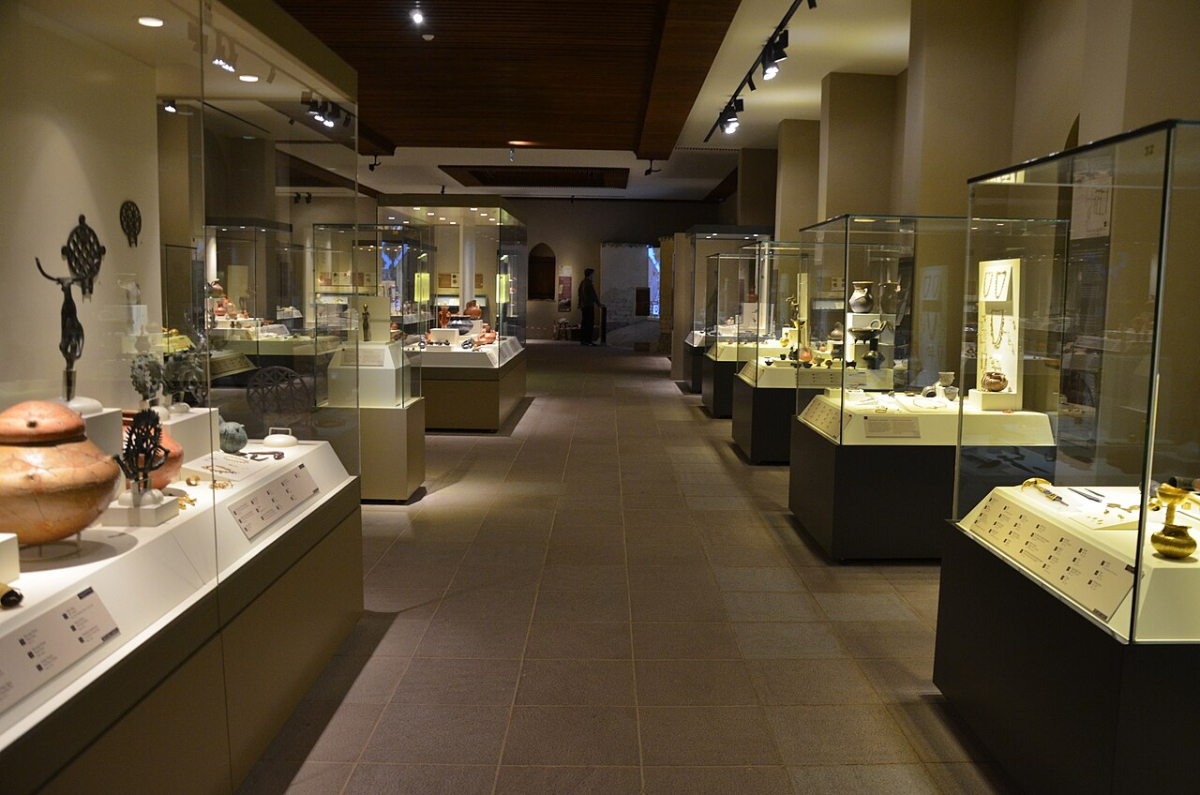
The Museum of Anatolian Civilizations, March 2016. Photo: Carole Raddato / Wikimedia Commons. CC BY-SA 2.0. Resized for display.
Turkey’s museums are essential for understanding archaeological sites. Istanbul Archaeological Museums, the Museum of Anatolian Civilizations in Ankara and regional museums near major ancient sites provide context that ruins alone cannot.
Explore Neighborhoods on Foot
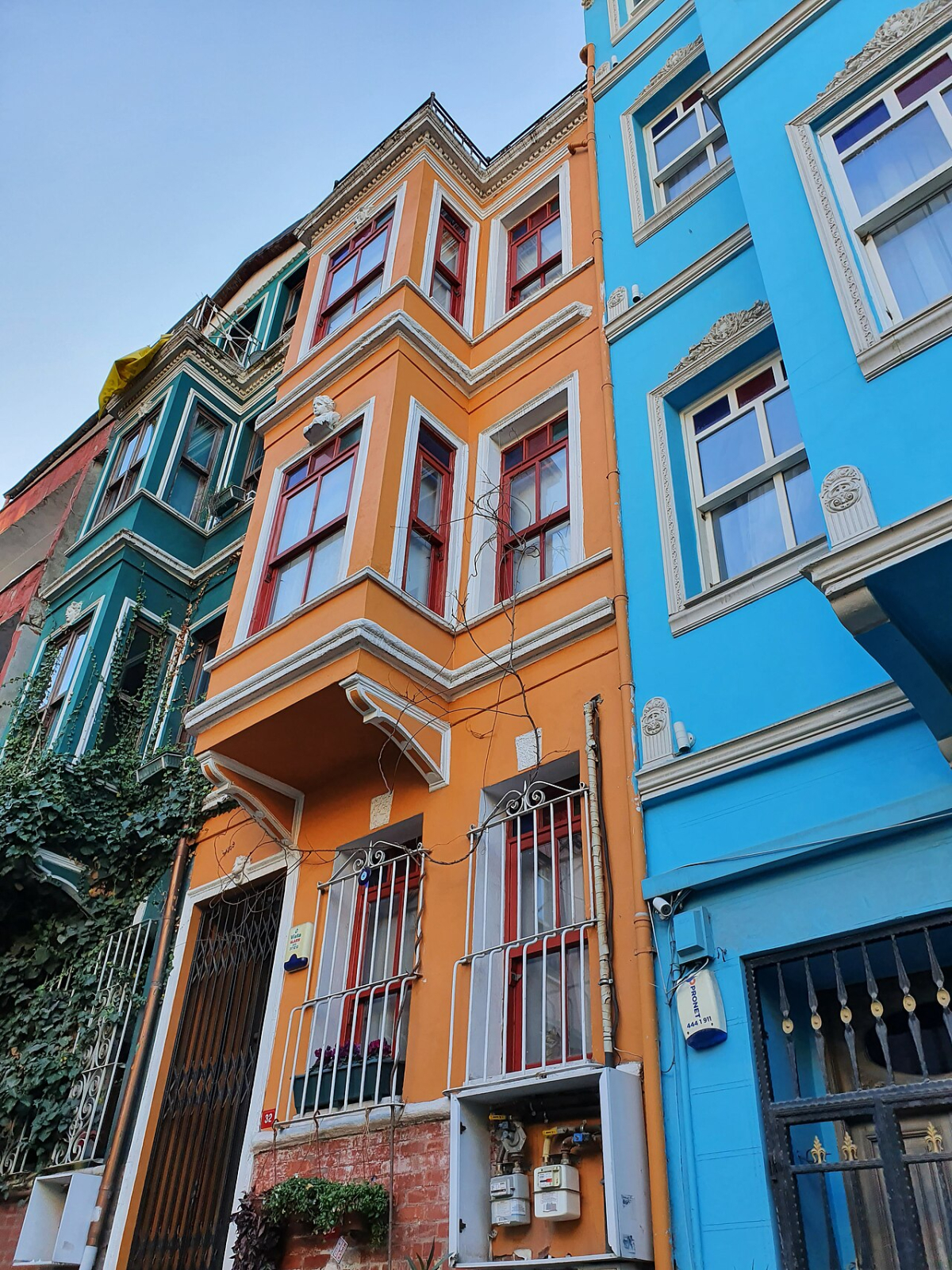
Houses in Balat, February 2020. Photo: Antoloji / Wikimedia Commons. CC BY-SA 4.0. Resized for display.
Some of the best travel experiences require no ticket. Walking through Balat, Kuzguncuk, Kadıköy, old Antalya, Alaçatı or smaller historic towns reveals architecture, cafes and daily life beyond headline attractions.
Watch Sunset Responsibly
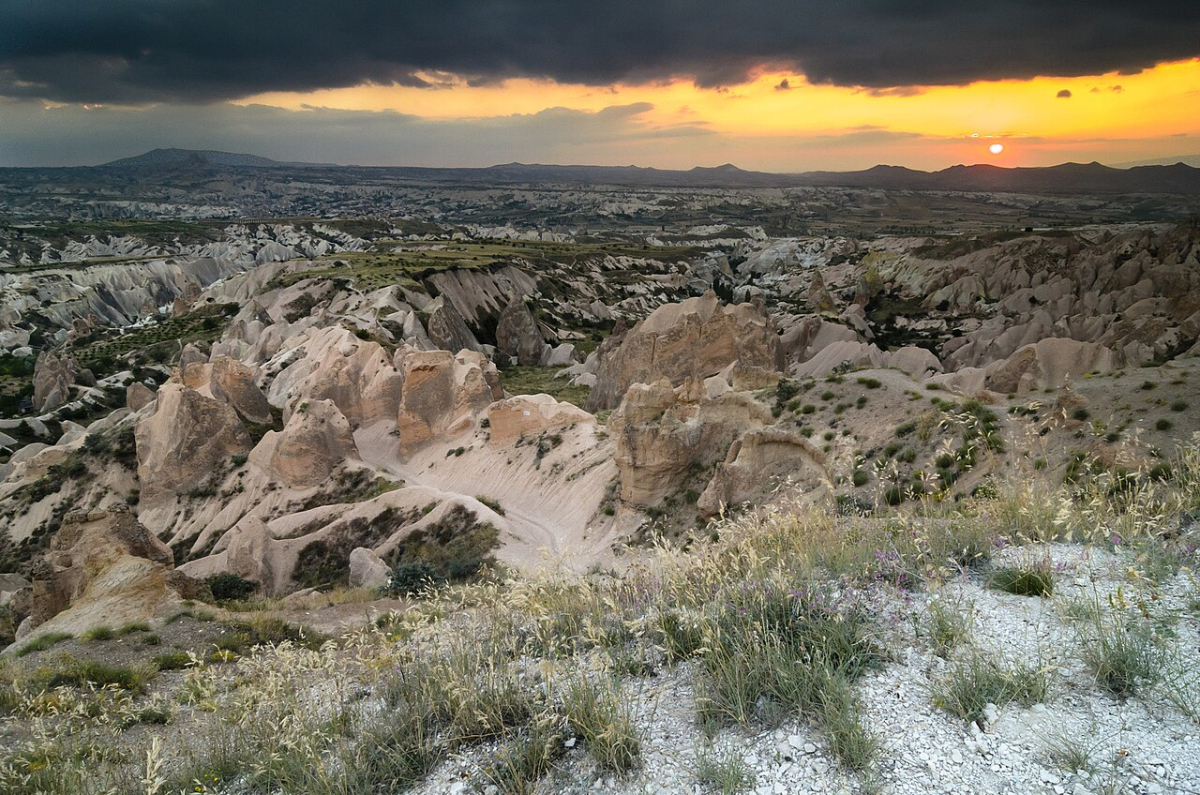
Sunset over Cappadocia, July 2015. Photo: James Farnham Long / Wikimedia Commons. CC BY 3.0. Resized for display.
Popular viewpoints can become crowded. Arrive early, avoid blocking roads or private property and carry out all waste. In Cappadocia, respect marked paths and fragile rock formations.
Plan by Destination
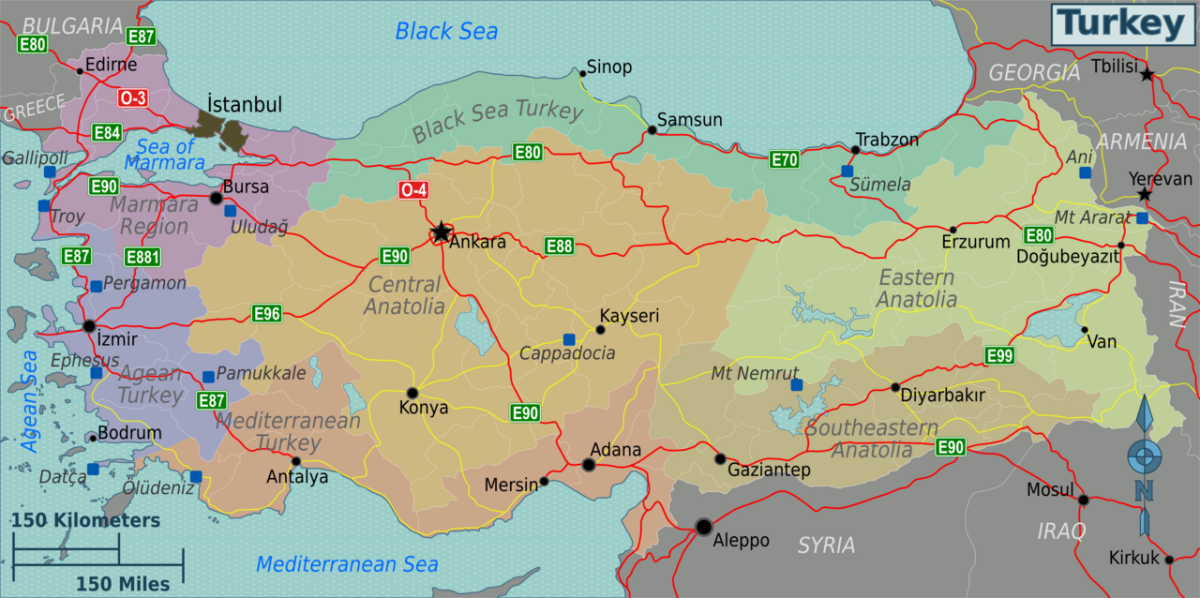
Regional overview map for trip planning. This is not a live navigation or travel-advisory map. Map: Peter Fitzgerald / Wikimedia Commons. CC BY-SA 4.0. Resized for display.
Match these experiences with the places that suit them best in Top Destinations in Turkey. For transport between regions, use the Turkey Transportation Guide.

.jpg)

.jpg)


.jpg)

.jpeg)
